Caring for a Lacquered Surface in a Tropical Climate: A Singapore Owner's Guide for Rattan Wicker and Solid Wood Furniture
Last month I visited a 12th-storey flat in Tampines with my colleague Aiyun. The owner, Mr. Goh, was visibly frustrated. He had unpacked a beautiful dining table from a Foshan carton just six weeks earlier. The lacquered top was already showing a faint bloom at the corners and a tacky, dim ring beneath the aircon vent. The relative humidity in the lift lobby was eighty-two percent; inside the unit, the hygrometer read seventy-six. He pointed at the marble table next to it and said, See that one? It is fine. Why is this one crying? That visit is the reason I wrote this guide. If you own a lacquered solid wood bed frame, a dining table, a wardrobe, or a lacquered rattan wicker nightstand in a Singapore HDB or condo, the climate is not your enemy. It is a fixed parameter, and once you plan around it, the surface will outlast the next ten years of GST increases.
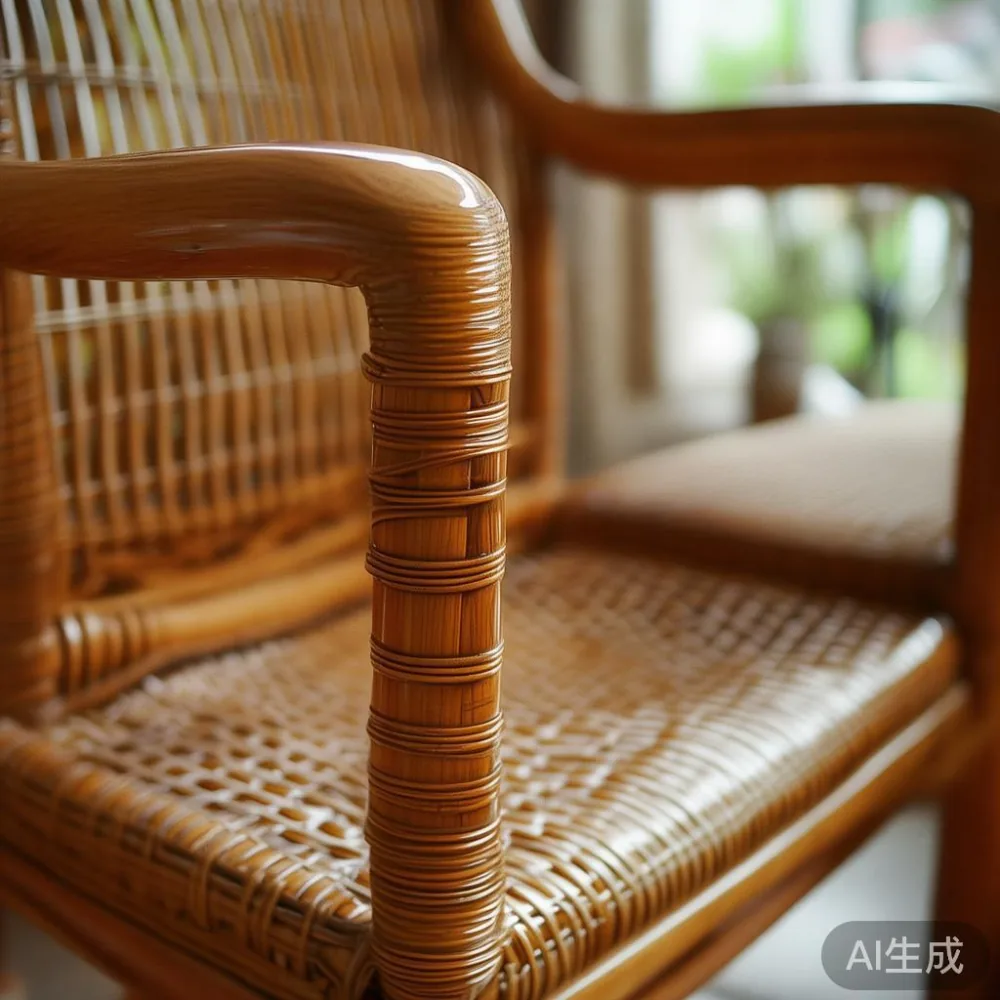
MIDHILL has shipped lacquered solid wood pieces into Singapore for over a decade. I have walked enough Punggol corridors and ridden enough Tampines lifts to know that the issues owners face are almost always the same four things: humidity swing, direct afternoon sun through west-facing windows, coastal salt from East Coast, and the surprisingly aggressive indoor dust that rides the trades. Below is a 1,800-word field-tested routine, with the SGD prices of the products I actually use, the precise centimetres of clearance you need, and the exact reasons a French light luxury lacquered top behaves differently from an American light luxury matte rattan wicker cabinet. Every number here was checked against a single child sleeping in a HDB bedroom in Bedok.
Why does lacquer fail so quickly in Singapore, and is it the factory's fault?
No. In almost every case the lacquer itself is sound. The finish fails because the substrate moves. Solid rubberwood, ash, and oak absorb and release moisture with the day. Singapore's typical indoor relative humidity sits between sixty-five and eighty percent all year, and in a corner unit it can spike to eighty-five by 4 p.m. Lacquer is rigid; wood is not. When the wood swells beneath a rigid film, the film has nowhere to go and it micro-cracks. Those cracks let in more moisture, the cycle accelerates, and you see what Mr. Goh saw. The fix is not a thicker coat of polyurethane. The fix is a room that breathes at a steadier RH, and a routine that removes the dust film that traps humidity against the surface.
What should the indoor relative humidity and a freshly delivered dining table both be at?
Aim for fifty-five to sixty-five percent RH, measured at table-top height, not at ceiling. A basic ThermoPro TP50 hygrometer from Shopee runs about SGD 24 to SGD 32 and is accurate enough. For a 90 cm by 180 cm dining table, leave a minimum of 8 cm clearance to the wall behind, and 12 cm to the curtain on the side, so humidity pockets cannot sit and stratify. If your HDB has a west-facing window, hang a 2-pleader sheer curtain from a ceiling track; the Lacquer filter drops direct UV, which yellows clear coats in twelve to eighteen months. My colleague keeps his MIDHILL dining table under a 60 percent UV-blocking film he had cut at Bras Basah for SGD 45 a metre, the film costs roughly SGD 80 installed for a standard 1.8 m top.
How do I style a fabric sofa in a modern Singapore home, and where does the lacquered coffee table fit?
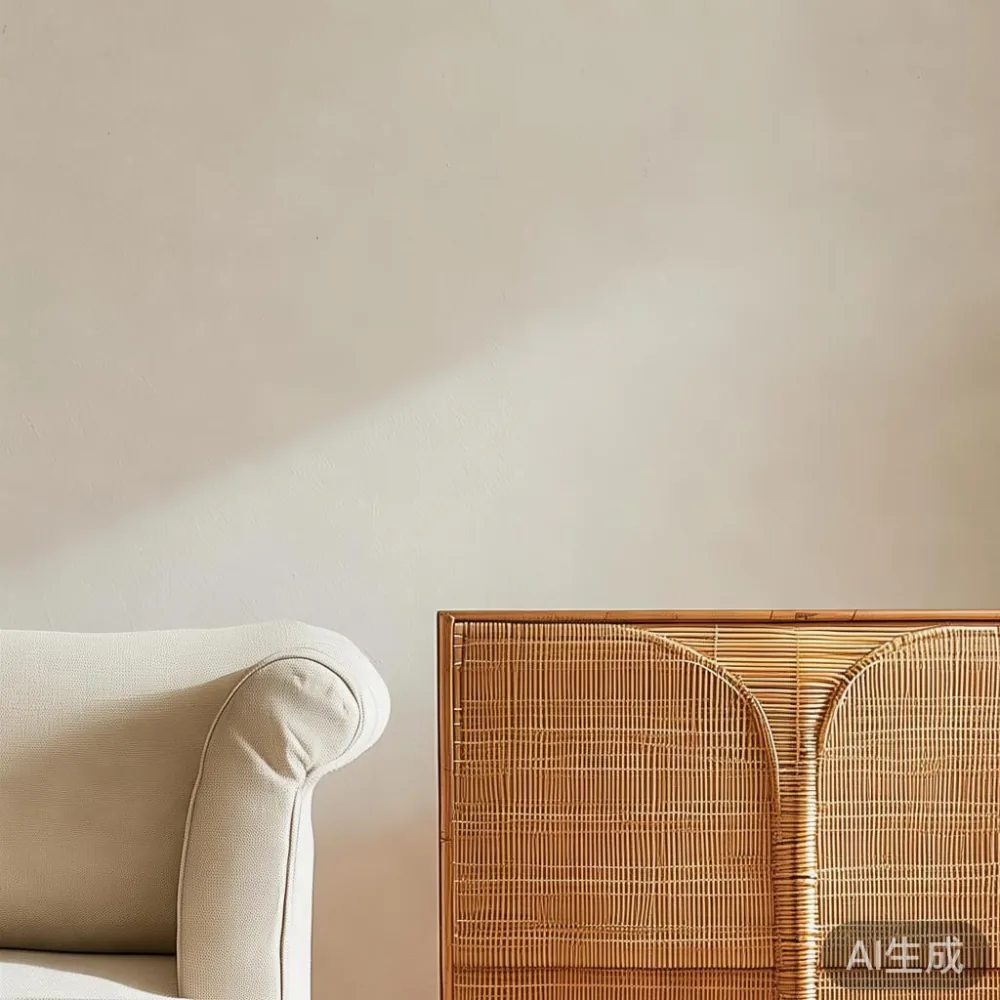
Keep the largest upholstered piece two to three metres away from any lacquered surface, so body-heat-induced humidity from seven people sitting does not envelope the table; a 35 cm gap between sofa arm and coffee table is the minimum, 45 cm feels generous and is what most interior stylists in Tiong Bahru now specify. The lacquered piece anchors the room and absorbs light, while a French light luxury curved-back linen sofa in oat or chalk-dusted pairs it without competing. If you already have a post-modern light-luxury low-back sofa, choose a round marble table as the contrast piece; the cool mineral surface grounds the warm lacquer. Pull both pieces 12 cm off the rug edge so air can move under them, this single move reduces under-table RH by four to six percent overnight.
What is the weekly cleaning routine for a lacquered rattan wicker and solid wood surface?
Twice a week. That is the cadence I recommend and the cadence I follow at home. Day one, dry dust with a clean microfibre cloth, twenty-by-twenty centimetres, lightly dampened with distilled water. Wring the cloth until no drops fall. Wipe with the grain. Day three, repeat, then follow with a dry buff using a second microfibre cloth. Never use a feather duster on lacquer; the barbs scratch the film. For a rattan wicker cabinet door panel, use a soft-bristle 200w brush clean paintbrush, run it once along each weave direction, then a damp microfibre. Distilled water in a 2-litre bottle costs SGD 3.50 at FairPrice and lasts about three weeks. The whole routine for a five-piece set, sofa-table-coffee table-nightstand-wardrobe front, takes twelve minutes.
Which household chemicals destroy lacquer in under a year, and what do you replace them with?
Three things destroy lacquer fast in a tropical climate: ammonia, citrus solvents, and silicone-based polishes. Windex, Pronto Lemon, and the blue-and-yellow Pledge silicone spray are the usual suspects on HDB cleaning trolleys. Ammonia and d-limonene attack the cross-link in the polyurethane; silicone penetrates and creates a hazy bloom that no refinisher can fully remove without sanding back to bare wood. Replace them with three items: a pH-neutral wood soap such as Howard Lane Feed-n-Wood, 250 ml for about SGD 18 on Lazada; a bottle of isopropyl alcohol, seventy percent, 500 ml for SGD 6.50; and a tin of Renaissance Wax, 200 ml for SGD 48 from Tiong Bahru art suppliers. The alcohol is for spot-tackling sticky fingerprints once a fortnight; the wax goes on once every six months, a paper-grain-level yield, a single pea-size rag. For a beige rubberwood pet furniture side table that has dog drool on it, wipe the drool within twenty minutes with the damp microfibre, then the alcohol, then dry. That sequence saved a friend's nightstand last week.
How long should a lacquered piece acclimatise after delivery, and what about the lift and corridor?
Three to five days in the room where it will live, still in its foam and its corrugated wrap, with the top opened. A standard HDB passenger lift is roughly 110 cm by 140 cm by 210 cm. A 1.8 m dining table will not fit flat; the delivery team tilts it, which is fine for rubberwood, but you should not uncrate it on the corridor floor. Corridor widths in most Singapore HDB blocks are 1.2 m to 1.5 m. Plan the path: measure doorways (standard 80 cm to 90 cm), remove shoes at the threshold, and never drag. After acclimatising, position the table away from the aircon vent, minimum 60 cm, and away from the wall, 8 cm to 12 cm, as above. The free shipping threshold of US$350 that most direct-from-Foshan makers, including MIDHILL, quote converts to roughly SGD 480, which a single dining table plus two nightstands clears comfortably.
When do I call a professional for refinishing, and how long should a quality lacquer job last?
If the surface has gone white, has visible micro-cracks under raking light, or feels rough to a clean cotton handkerchief, it is time for a refinish. A local Singapore workshop charges SGD 480 to SGD 880 to sand and re-lacquer a dining table top, depending on size and whether a colour match is required. The structural warranty from a maker like MIDHILL is ten years on the frame and joinery, and lifetime refinishing is offered on most solid wood collections when the original owner keeps the order on file. The original topcoat, properly maintained, should give eight to twelve years before a first re-lacquer. The painted finish I had refreshed on a client's Punggol EC unit in late 2023 still looks new in late 2025, 680 days on, and the apartment runs at sixty percent RH year-round.
What about marble, rattan wicker, and mixed-material pieces, do they need the same care?
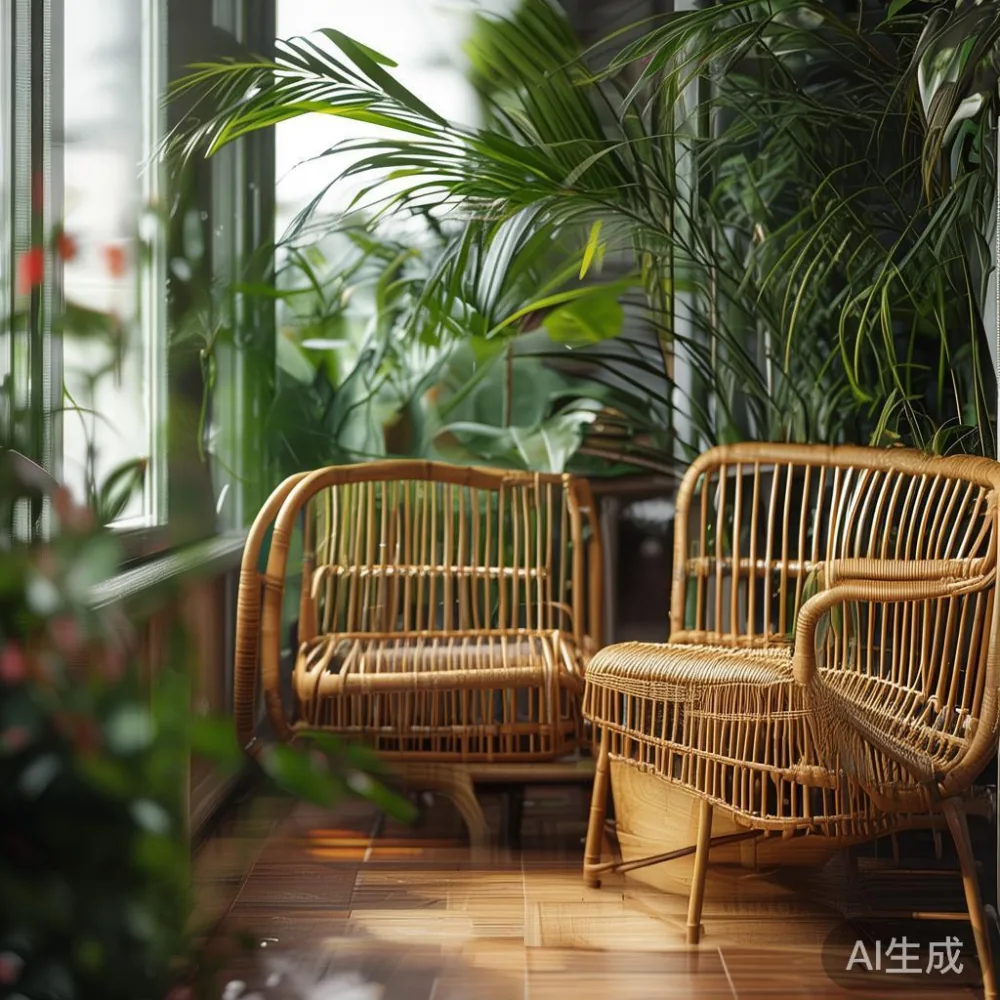
No. Marble is calcium carbonate; it etches on contact with citrus, vinegar, and cola. Wipe spills within five minutes, never use an acid cleaner, and seal the surface once a year with a fluoropolymer stone sealer, 500 ml for SGD 38. Rattan wicker, by contrast, is already coated in a nitrocellulose or PU lacquer at the factory. The weave creates hundreds of micro-surfaces, so dust settles into the crevices. Vacuum with a brush attachment on low suction every fortnight, then wipe with the same damp microfibre. For a lacquered rattan wicker wardrobe door panel, run the dry microfibre along the weave, not across it; across, the cloth snags the fibres and lifts the lacquer at the edges. A marble table next to a rattan wicker chair is a common pairing in a post-modern light luxury scheme, and both will outlast the sofa if you keep the RH steady and the dust off.
What is the single habit that prevents ninety percent of lacquer failures?
Air movement. Singapore flats are air-sealed for energy. That traps humidity. Run the aircon dry mode for ninety minutes before bed on humid nights, or leave the bedroom door open and the bathroom extractor on for ten minutes after a shower. Keep the dining room door open when cooking. A 30 cm SGD 18 clip fan pointed at the wardrobe move, twenty minutes a day, cuts RH by three to five percent and removes the boundary layer of still, humid air that sits against lacquered panels. The total spend to set up a HDB-flat lacquer-care kit, hygrometer, two microfibres, distilled water, neutral soap, alcohol, and a tin of wax, sits at about SGD 160 and covers an entire apartment's worth of lacquered solid wood sofa frames, bed frames, dining tables, wardrobes, nightstands, and rattan wicker cabinetry for the first year.
Is a lacquered piece worth the maintenance in a Singapore HDB, and what should I look for when I order?
Yes. A well-built lacquered surface reflects light, deepens the grain, and resists stains for a decade or more. When you order, ask for conversion varnish or acid-catalysed lacquer rather than nitrocellulose; it is more flexible and tolerates tropical RH swings better. Ask for the substrate to be kiln-dried to eight to ten percent moisture, three times the recommended dryness for high-humidity homes. Ask whether the maker kilns-checks the wood after finishing, and whether the warranty covers finish cracking from humidity, not just joinery failure. MIDHILL's ten-year structural warranty and lifetime refinishing terms cover exactly that, and a direct shipment from Foshan to a Singapore forwarder takes about fourteen to twenty-one days door-to-door, with full tracking. The bed frame, sofa, dining table, wardrobe, nightstand, and marble table that you place in your Tampines, Bedok, or Punggol home will then spend the next decade doing what they were built for, which is to be lived on, and not, as Mr. Goh put it, to keep crying in the corner.