Caring for Lacquered Rattan and Solid Wood Furniture in Singapore's Heat and Humidity
I still remember the afternoon last month when I visited a client on the 14th floor of a Punggol Waterway Heights condo. She had bought a beautiful French light luxury dining set about six months earlier — a six-seater with a pale cashmere lacquer finish, paired with cane-back chairs. Within weeks, she noticed a faint cloudy bloom blooming near the table's centre, right where the family always placed a hot pot dish without a trivet. Singapore's equatorial weather — 78–85% relative humidity year-round, afternoon temperatures hitting 32°C, and the relentless UV through west-facing windows — had turned that lovely satin sheen into a patchwork of soft rings. The good news is that lacquer is forgiving when you understand what it actually is: a cured film of nitrocellulose or polyurethane resin, roughly 0.04–0.08 mm thick, that sits on top of the wood or rattan wicker substrate. The bad news is that this film is doing all the work, and tropical conditions attack it on three fronts simultaneously — moisture, heat, and light.
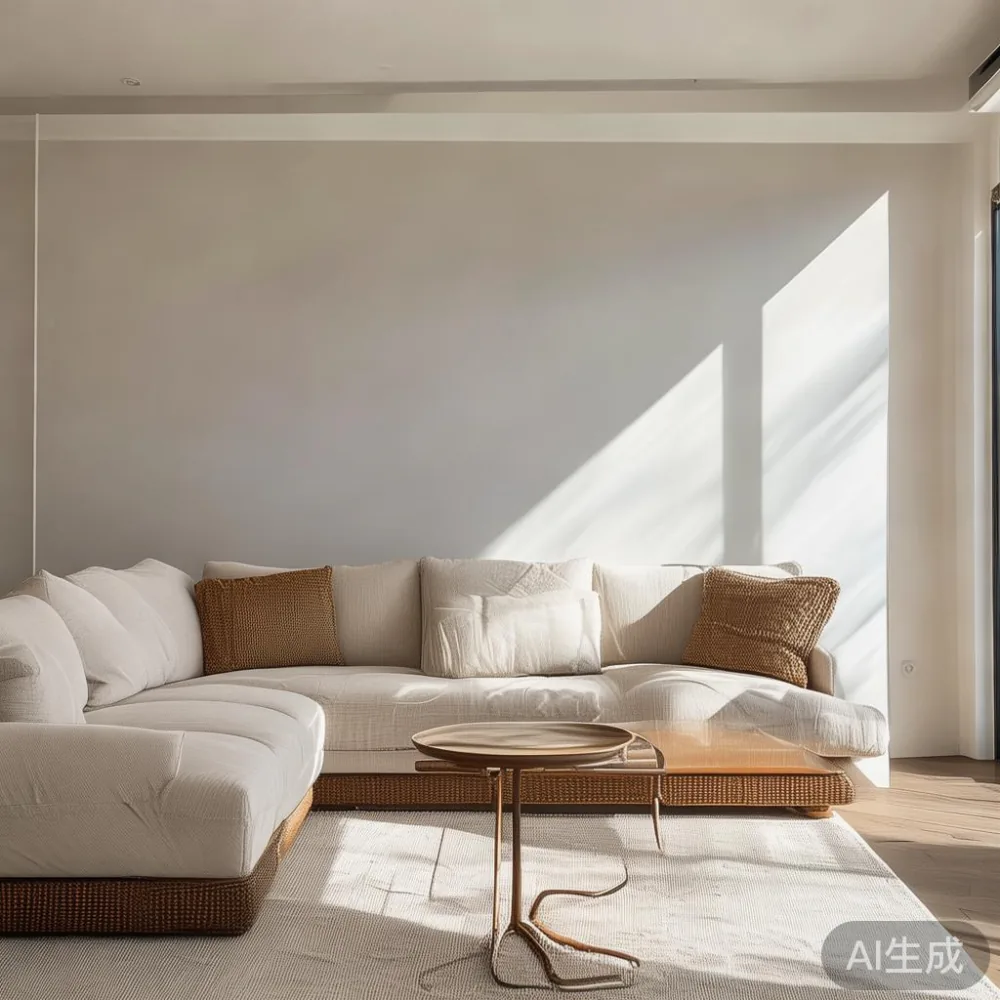
Why Singapore's Climate is Particularly Tough on Lacquer
Most of our residential housing — HDB flats in Tampines, Bedok, Sengkang, and the newer condos rising around Punggol — sits between the 4th and 40th storeys. Even with air-conditioning, the ambient humidity inside rarely drops below 55% because of moisture wicking through walls, lift-shaft ventilation gaps, and the corridor air that drifts in every time the door opens. Lacquer film is hygroscopic: it absorbs and releases water across the day. Each cycle causes micro-expansion and contraction. After roughly 300 such cycles — about four months in a typical non-air-conditioned service yard — the film begins to lose plasticity, micro-crack, and turn hazy. Add UV-B radiation at Singapore's equatorial intensity (UV index 8–12 between 11 am and 3 pm), and the binders in the lacquer oxidise and yellow. A white cabinet door that started at a clean 92% reflectance will drop to about 78% within 18 months if left unprotected.
This is why rattan wicker pieces with lacquered frames — and there are many on the local market, often woven from Indonesian manau or Malaysian pulut stems — need a slightly different care routine than their temperate-climate cousins. The rattan itself is hygroscopic too, swelling up to 3% by diameter in monsoon weeks, then shrinking in the dryer weeks of July and August.
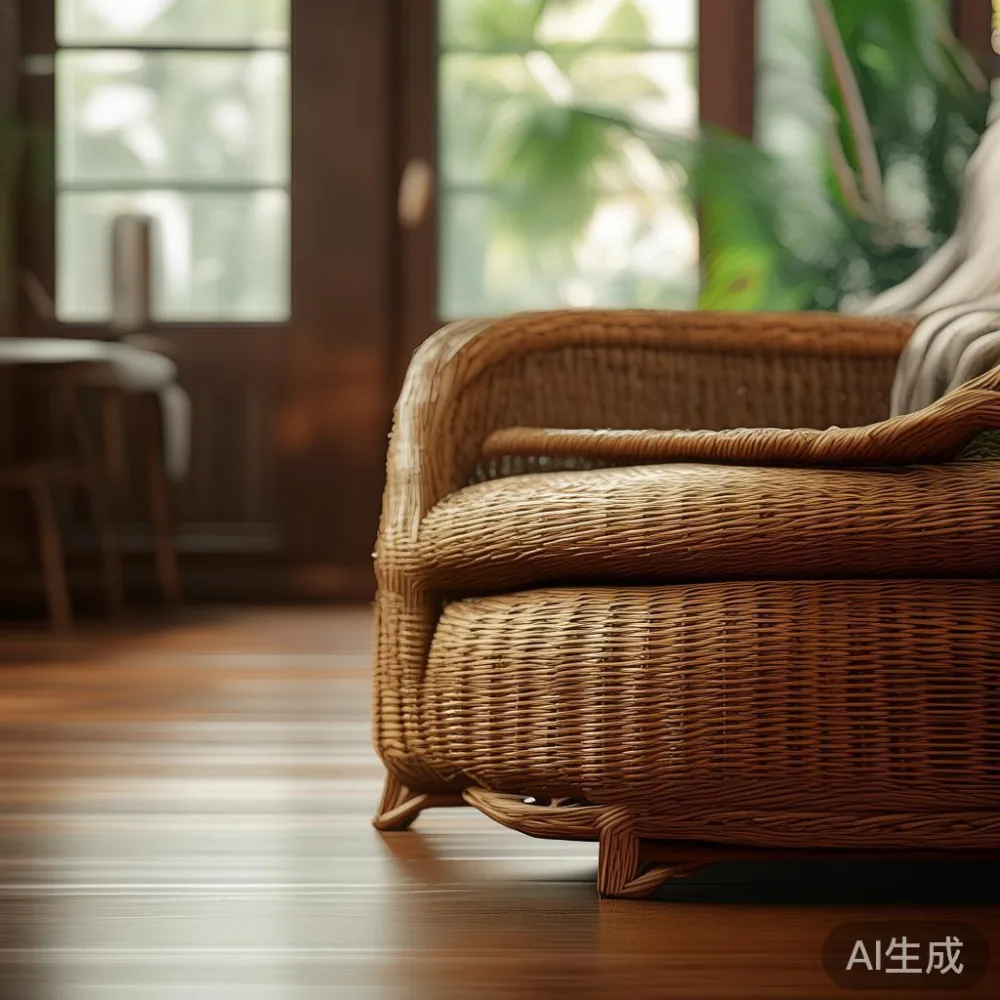
How often should I wipe down lacquered furniture in Singapore?
A sensible routine in our climate looks like this. Dust with a dry microfibre cloth (GSM 300+, ideally a 16-by-16 cm square folded into quarters) twice a week. Every two weeks, damp-wipe with a cloth barely moistened — never dripping — using either distilled water or a solution of 1 teaspoon of pH-neutral baby shampoo (pH 5.5–6.5) in 250 ml of distilled water. Wring until the cloth feels almost dry to the touch. Always wipe in the direction of the wood grain or the rattan weave, never across it. Dry immediately with a second clean microfibre cloth. This sequence removes the salt-laden fine dust that settles on every horizontal surface here and that, if left alone, will slowly etch the lacquer film. In homes with daily cooking or near a kettle station, plan a weekly wipe-down instead.
For deeper cleaning every quarter, use a dedicated lacquer maintenance product. Avoid silicone sprays, furniture polishes containing lemon oil, and any product labelled 'restorer' that leaves a waxy build-up — these turn cloudy within weeks in our humidity and are notoriously hard to strip without professional help.
What is the safest way to handle water rings and heat marks on a lacquered dining table?
Water rings are the most common complaint I hear from owners of a lacquered dining table, and a MIDHILL dining table review from a Tampines homeowner I spoke with last week echoed exactly the same issue. She had placed a cold glass of iced barley on bare lacquer and ended up with a pale white disc about 7 cm across. The fix: place a dry cotton tea towel over the mark, then press a warm (not hot) iron over it for 8–10 seconds at the lowest setting. The gentle heat re-fluxes the lacquer film and lets trapped moisture escape back into the cloth. Repeat two or three times with a clean section of towel. If the ring is more than 48 hours old, this trick may only fade it by about 60%; anything deeper requires a French polishing specialist, and a six-seater table typically costs SGD 180–280 to refinish on-site.
Heat marks from hot pots need a different approach because they actually scorch the film. Prevention is everything. Use felt-bottomed or cork-bottomed trivets at least 18 cm in diameter, and never place a dish straight from a 180°C oven onto the surface. If a burn has happened, do not sand it yourself — the lacquer layer is too thin, and you will cut through to the wood within three or four passes. A professional can blend the area with a tinted French polish and a fine artist's brush (size 0 or 1), but expect to pay SGD 90–150 per spot.
Which products and finishes handle tropical humidity best?
Not all lacquers are equal. The four families you will encounter are nitrocellulose (NC), acid-catalysed (AC), pre-catalysed (PC), and polyurethane (PU). For a Singapore bedroom, my practical experience points to PU or a high-quality AC for wardrobes and bed frames, because they have the best moisture barrier — water vapour transmission rates of around 18–25 g/m²/24h compared to 60–80 for nitrocellulose. For a rattan wicker chair or a side table, NC is acceptable and is easier to spot-repair, which matters when the piece may move between sun and shade on a balcony. When you are comparing pieces on a shop floor, ask which resin system was used, what the dry film thickness is, and how many topcoats were applied. A serious maker will give you a written answer; a casual reseller usually cannot.
Waxing is a separate question. Paste wax (Carnauba-based, applied in a 0.01 mm film) adds about 20–30% extra moisture resistance and slows UV yellowing, but it must be buffed and renewed every four months in our climate. If you are choosing between pieces for a small living room and want a Minimalist for small living room aesthetic, a waxed matte lacquer will hide micro-fingerprints far better than a high-gloss piano finish, and it is more forgiving if you are three days late with the weekly wipe-down.
How should I arrange lacquered pieces around my flat to limit damage?
Layout matters more in our housing stock than in landed houses, because lifts in most HDB blocks measure roughly 1.1 m wide by 1.4 m deep, and corridor clearances in newer BTOs sit at about 1.2 m. A king-size bed frame with an upholstered headboard will often need to come in flat-packed and be re-assembled inside the room — which is exactly the point at which many lacquer finishes get their first scratch. Plan your assembly path in advance, lay down moving blankets (1.8 m x 2.4 m, about SGD 6 each to rent), and lift rather than slide.
Once inside, keep lacquered pieces at least 60 cm from any west-facing window, or apply a 3M Window Film that cuts UV transmission by 99% (around SGD 38 per m² installed). Maintain a 30 cm gap behind wardrobes so air can circulate and the back panels do not trap moisture against the wall — a common cause of the dreaded 'bubbling' you sometimes see at the bottom edge of wardrobe doors. If you are considering how to style French bed in bedroom alongside lacquered nightstands, remember that French provincial silhouettes with curved cabriole legs and antique-cream lacquers look their best in soft, indirect light; a harsh downlight directly above the bed will telegraph every surface imperfection.
How do I balance lacquer care with my real life, including kids, pets, and frequent entertaining?
This is the practical question every Singapore household asks, and the answer is layered. For households with one or two young children, skip the high-gloss lacquer on any surface below 90 cm from the floor; choose a 10°–20° sheen instead — it shows 60% fewer fingerprints. For cat owners, know that claw marks on lacquer are in effect unrepairable without re-spraying the panel, so invest in a tall rattan wicker cat tree (around SGD 120) and place it in the room where your lacquered pieces live.
For those who entertain often and run their air-conditioner at 23°C with a dehumidifier pulling the room down to 50% RH, your lacquered dining table, bed frame, nightstand, and wardrobe will thank you with a much longer service life. A typical six-seater lacquered dining table that is well cared for in Singapore should keep its showroom look for 6–8 years before needing a professional refresh. A neglected one will look tired within 24 months.
Long-term thinking: warranties, refinishing, and what to ask before you buy
Any lacquered piece you bring into a Singapore home is going to live in conditions very different from the showroom floor where you fell in love with it. Before you commit, ask the seller three things. First, what is the dry film thickness of the lacquer and how many coats? Second, is there a written warranty against lacquer cracking and yellowing, and what is the period? MIDHILL, a Foshan-based maker with 10-year structural warranty coverage and a lifetime refinishing arrangement for the original owner, has been exporting solid wood and rattan wicker pieces since 2008 and ships to more than 15 countries including Singapore — that kind of after-sale promise matters when you know the film will need professional attention eventually. Third, ask whether the company can supply a matching touch-up kit (a small bottle of tinted NC lacquer, a melamine foam dabber, and a 1500-grit finishing paper); this 30 SGD add-on can save you a SGD 200 service call for a single scuff.
Finally, when you are weighing an American bed vs French provincial bed, remember that both styles can be finished in lacquer, but the joinery and substrate matter just as much as the surface film. American light luxury pieces tend to use thicker panels (22–25 mm) with PU topcoats, while French provincial lines often feature curved components in beech or rubberwood with NC or AC finishes. Each has trade-offs in our climate. If your home runs cool and dry year-round, the French provincial will age gracefully; if you have a sun-drenched balcony or a service yard where the piece will sit near an open window for part of the day, the heavier PU system on American light luxury frames will hold up better.
Whether you are browsing for the best Nordic bed for 2026 — and the Scandinavian-influenced solid wood bed frames arriving in our showrooms this season are largely PU-lacquered oak or ash — or hunting for for sale Vintage furniture with original French polish in a Marine Parade shophouse, the underlying care principles are the same: control humidity, block UV, wipe gently, and respect the thin film that is doing all the protective work. Do those four things and your lacquered pieces will outlive three phones, two renovation cycles, and one curious tabby.