Humidity and Wood Furniture: What Every Singapore Homeowner Should Know Before Buying Solid Wood Sofas, Bed Frames, Dining Tables, Wardrobes, and Nightstands
Singapore sits just one degree north of the equator, and our daily relative humidity routinely sits between 75% and 90%. Anyone who has lived in a Tampines HDB, a Bedok walk-up, or a Punggol condo for more than a year has watched a wooden drawer swell in August or a wardrobe door refuse to close in February. I spent the first week of last month visiting three landed homes in District 19 and two HDB units in Toa Payoh with a hygrometer, and the readings rarely dropped below 78%. That single number is the reason a S$2,400 solid wood dining table can look perfect in a Jurong East showroom and develop a 2 mm bow a season later.
Wood is hygroscopic. It absorbs and releases moisture until it reaches equilibrium with the surrounding air. In our climate that equilibrium is high, so unprotected timber is constantly trying to reach a moisture content of 14% to 18%, even when it left the factory kiln-dried to a perfect 8% to 10%. The result is swelling, cupping, hairline cracks, white watermarks, and the musty smell that owners often blame on cheap glue. Understanding the physics is the first step toward buying furniture that survives Singapore for ten years, not two.
Why Singapore's Climate Is Harder on Solid Wood Than Most Buyers Expect
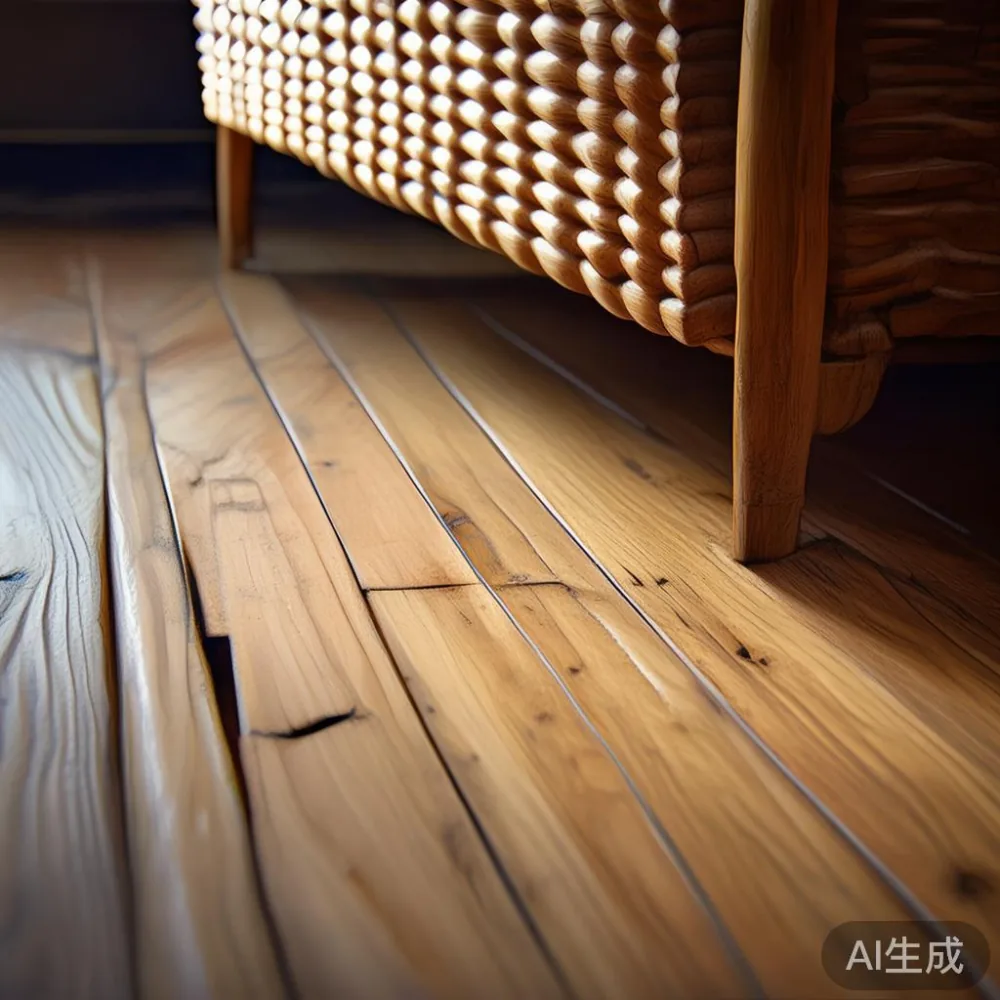
Most European oak, American ash, and Chinese walnut used in light luxury ranges today is dried to 8% to 10% moisture content at the factory. Singapore's average sits closer to 15% to 18% outdoors and 12% to 14% indoors with the air-con running. That 4 to 8 percentage point gap creates real movement. A 200 cm solid oak dining table top can change width by 4 mm to 6 mm across one humid quarter. On a properly built table that movement is absorbed by floating tenons, breadboard ends, or slotted screw holes. On a poorly built one it shows up as a split down the centre or a cracked marble table insert.
Our HDB and condo environment adds two more stresses. First, air-conditioning swings between 22°C and 26°C several times a day, so wood cycles through warm-dry and cool-humid states almost every twelve hours. Second, many newer condos in Punggol and the Greater Southern Waterfront area use dehumidifier-friendly ventilation that actually traps moisture inside fitted wardrobes. A wardrobe sitting against an exterior wall can run 3% to 5% higher in moisture content than a freestanding bed frame in the same room. That is why the back panel of a wardrobe is often the first place mildew appears, while the wardrobe doors look fine.
Which Solid Wood Species Actually Hold Up in Tampines, Bedok, and Punggol?
After handling several hundred pieces over the years, I have a short practical list. Teak from mature heartwood is the gold standard for Southeast Asia. It is naturally oily, resists fungal attack, and stays stable around 12% moisture content even in non-air-conditioned rooms. Burmese teak costs more, but I have inspected 15-year-old teak dining tables in Bedok Reservoir HDB flats that show almost no movement.
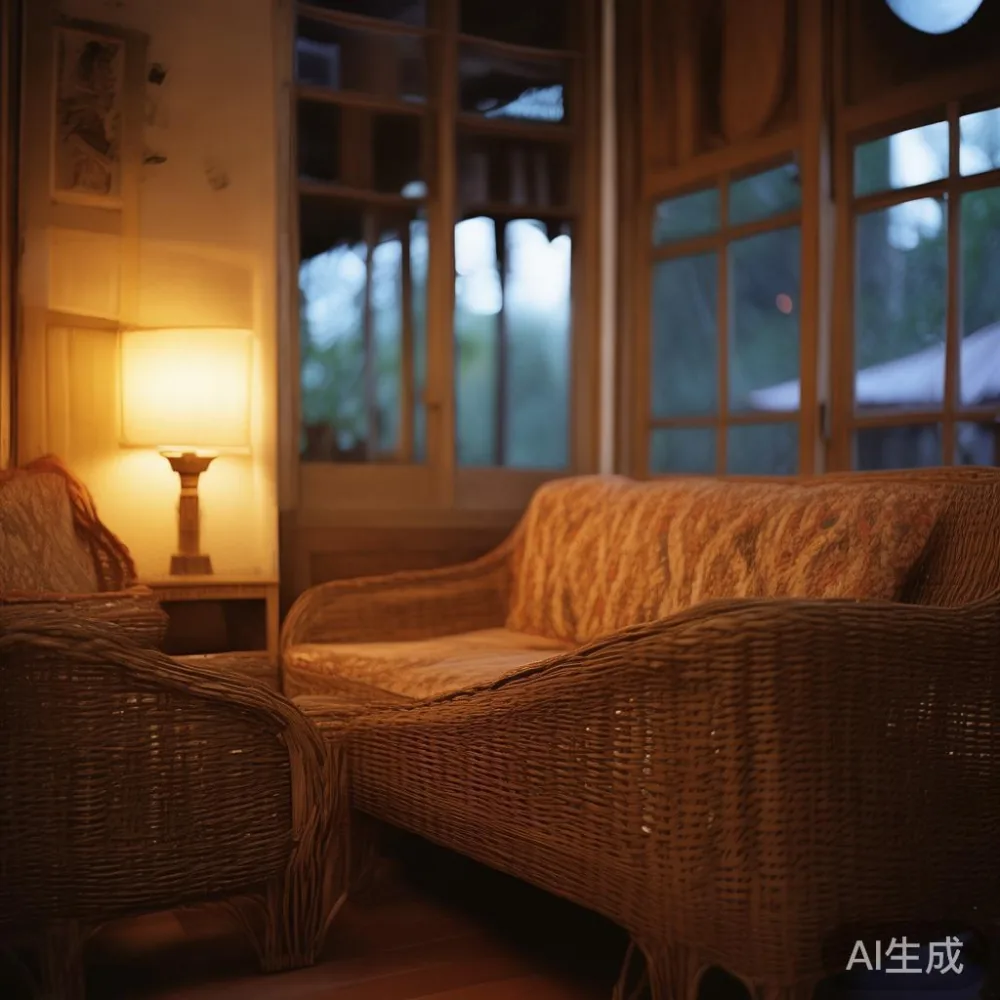
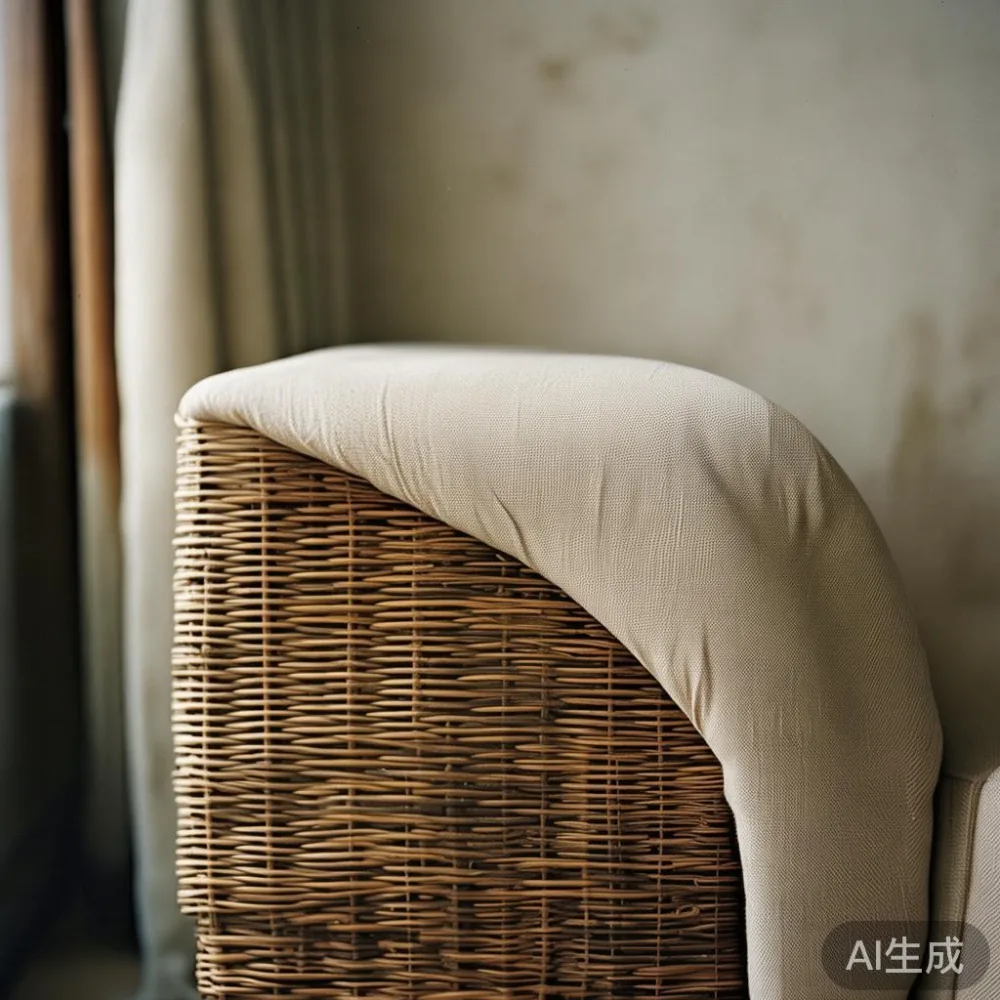
White oak and red oak are workable but need a careful factory finish. The pores in oak are open, so an unfinished edge will wick moisture in minutes. American walnut behaves better than oak but still benefits from a heated, air-conditioned room. Rubberwood, often sold as "Malaysian oak," is the most affordable solid wood option and is perfectly acceptable for a nightstand or a small wardrobe, but it must be kiln-dried below 10% before assembly. I tested a rubberwood nightstand from a local supplier last quarter; after eight weeks next to a Bedok bathroom it cupped 1.5 mm on the top — manageable, but visible. Ash and beech behave similarly to oak. For pieces with rattan wicker panels, the cane itself is the part most at risk; it tightens in dry months and slackens in wet months, so ask for cane that has been pre-conditioned to 12% moisture.
Is Post-modern sofa furniture worth it in a humid climate like Singapore?
Yes, post-modern sofa furniture is worth it in Singapore when the frame is built from kiln-dried solid wood and the cushion cores are high-resilience foam wrapped in down, because the curved silhouettes, low profiles, and tailored skirt details of post-modern sofas rely on a stable hardwood frame to keep their geometry over a decade of 80% humidity. A post-modern solid wood sofa with a kiln-dried ash or beech frame, sinuous spring suspension, and a removable cushion cover will outlast a generic soft-padded settee in a Punggol condo by several years, and the lighter visual weight matches the small floor plans common in four-room HDB flats where a 240 cm sofa often has to be delivered through a 90 cm corridor and a 2.1 m tall lift door.
For Singapore homes specifically, look for post-modern sofa frames with mortise-and-tenon joinery at the arm, dovetailed seat rails, and a factory moisture reading between 8% and 12%. Avoid frames that rely solely on staples, screws, or glue. The curved back of a post-modern design puts constant tension on the joints, and in our climate a glued joint that fails can ruin a S$3,800 piece in one monsoon season. MIDHILL's light luxury post-modern sofa range, for example, is built around kiln-dried ash frames that I have inspected at 9.5% moisture content, which is comfortably below our indoor equilibrium and gives the wood room to swell rather than split.
How to Move a Solid Wood Sofa, Bed Frame, Dining Table, Wardrobe, or Nightstand Through an HDB or Condo
Singapore access is the most underestimated part of buying large furniture. A standard HDB corridor is about 1.2 m wide and most lift cabins are 1.1 m wide by 1.4 m deep with a door height of 2.1 m. A king-size solid wood bed frame often arrives in a flat-pack crate of 218 cm by 38 cm by 24 cm, which fits diagonally in most lifts but will not fit through a narrow stairwell in older blocks in Queenstown or Tiong Bahru. Always measure your lift door width and ceiling height before ordering a wardrobe over 200 cm tall.
Three practical rules from my delivery observations last month. First, ask the supplier for the exact packed dimensions in cm and the gross weight in kg, not just "flat-packed." A solid wood wardrobe from a Foshan factory typically weighs 90 kg to 140 kg; if your block has a 1,000 kg lift limit and you are on the 18th floor, two trips with a 70 kg crate each is fine. Second, request a corridor and lift survey. Reputable exporters including MIDHILL will send a checklist or a short video guide so you can confirm access before the container is loaded. Third, schedule delivery for a weekday morning when the lift is least busy and the loading bay is open; many Tampines and Punggol blocks restrict furniture moves to certain hours.
What Should a Singapore Buyer Look for in a Solid Wood Dining Table Under S$3,500?
For a Singapore dining table that has to survive our humidity and our small flats, three specs matter more than the wood species. First, ask for the factory moisture content reading in writing. Anything between 8% and 12% is acceptable for our climate; above 12% the table will arrive already stressed. Second, check the joinery under the top. A floating top with slotted screw holes or wooden Z-clips allows the 200 cm slab to expand by 4 mm to 6 mm without splitting. Tables glued edge-to-edge with no expansion gap will crack by the second humid season. Third, look at the finish. A catalyzed lacquer or hardwax oil seals the surface more effectively than a simple polyurethane, and it can be spot-repaired if a white water ring appears from a forgotten glass.
Price expectations for 2025 are reasonably stable. A 180 cm to 200 cm solid oak dining table for six, kiln-dried and properly finished, runs from S$2,200 to S$3,400 landed in Singapore. A French provincial dining table korea sourced from a Foshan workshop using European beech with a distressed painted finish sits in the S$2,800 to S$4,200 range, and the post-modern light luxury pieces with marble table accents and a slim oak base cluster around S$3,000 to S$4,500. Marble table tops need a separate word of caution: travertine and Carrara marble are porous and will etch from humidity-driven condensation under a cold glass, so ask for a factory-applied penetrating sealer and plan to reseal every 18 months.
How Should Singapore Homeowners Care for Wood and Rattan Wicker Once the Furniture Is Inside?
Three habits extend the life of any solid wood piece in our climate. Keep indoor relative humidity between 45% and 60% with a dehumidifier in the wardrobe room or the area near the bed frame; a S$180 dehumidifier running four hours a day costs about S$8 a month in electricity and prevents 90% of the swelling issues I see. Wipe spills within ten minutes, especially on marble table surfaces where acid rings form quickly. And refinish high-wear areas such as dining table tops and nightstand surfaces every three to five years; a light scuff, a wipe with mineral spirits, and two coats of hardwax oil is enough.
Rattan wicker deserves its own paragraph because it behaves so differently from solid wood. Rattan wicker strands absorb humidity faster than timber and release it faster too, which is why a rattan wicker wardrobe door can feel tight in March and loose in September. Vacuum the weave weekly with a brush attachment, keep it out of direct sunlight near a Punggol or Bedok window, and never store leather or fabric against dry rattan, because the cane will rough up the fabric fibres. For a rattan wicker dining chair seat, a quick wipe with a damp cloth once a week keeps the strands supple and prevents the cracking that starts at the joints.
How Long Should a Quality Solid Wood Piece Actually Last in Singapore?
A well-built solid wood sofa frame, bed frame, dining table, wardrobe, or nightstand should last 15 to 25 years in Singapore with normal care, which is why a 10-year structural warranty is a meaningful indicator of quality. Brands that back their joinery for a decade are usually using kiln-dried hardwood and proper mortise-and-tenon construction, not just dowels and glue. Lifetime refinishing support is the second indicator to look for, because even the best piece will need its dining table top sanded and re-oiled after eight to twelve years in our humidity cycle.
Buyers in Singapore also benefit from GST-inclusive pricing displayed clearly, free shipping for orders above US$350 (about S$480), and a 14-day return window that lets you check the piece in your own flat. The point of all the numbers above is simple: humidity is a real, measurable stress on wood, but it is not a mystery. Buy kiln-dried solid wood, demand the moisture content in writing, plan the lift access in centimetres, run a dehumidifier, and the same S$3,000 dining table that would survive Stockholm will also survive Tampines for the next twenty years.