How Southeast Asian Humidity Affects Solid Wood Furniture—and How to Protect It in Singapore Homes
Singapore’s warm, humid climate can change the dimensions of solid wood furniture by several millimetres over a year. The moisture content of oak, ash, walnut and teak rises during rainy periods, falls when air-conditioning dehumidifies a room, and may repeatedly cycle within a single day. In a compact HDB flat, Tampines condo or Punggol home, that movement matters because furniture often fits tightly against walls, wardrobes touch built-in cupboards, and dining tables sit near sliding doors and ventilated kitchen zones.
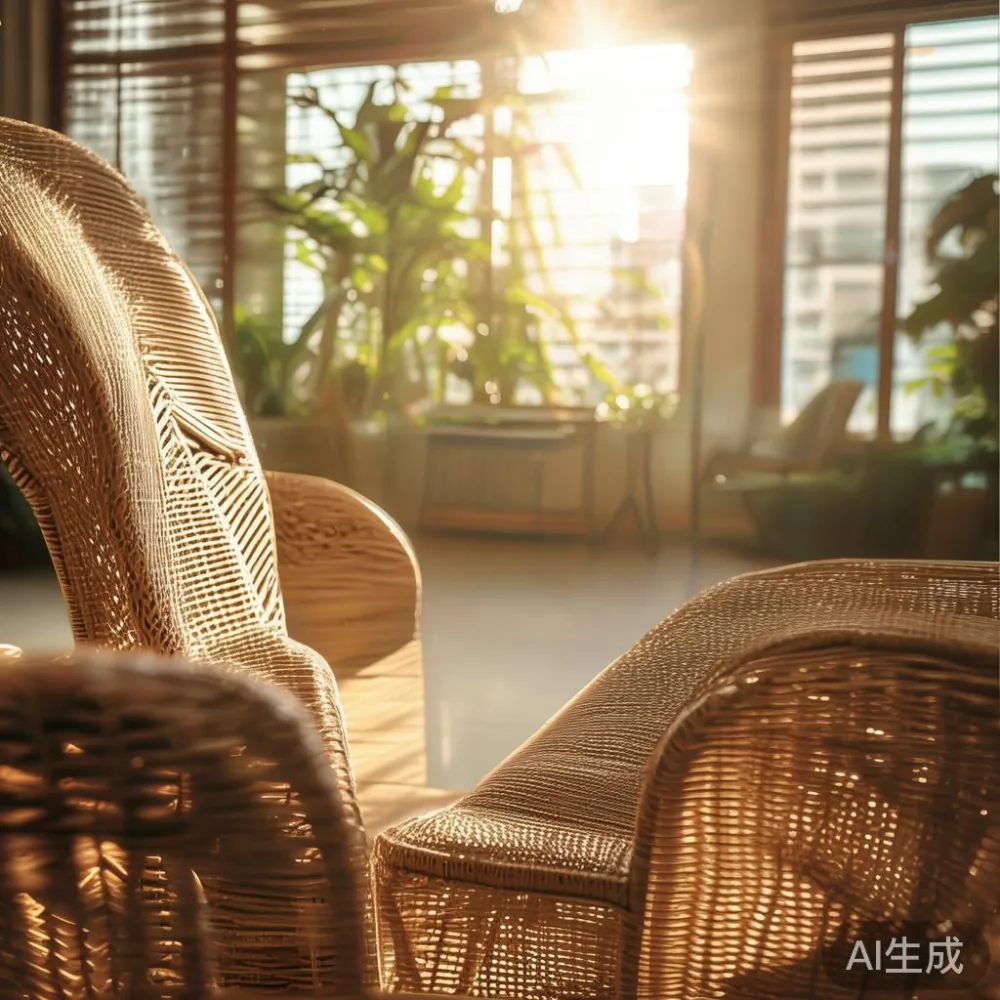
This guide explains how humidity affects wood, rattan wicker and stone surfaces, with practical measurements for Singapore households. It also considers the delivery realities of high-rise living: a lift lobby may measure 1.1 m wide, a corridor may narrow to 1.4 m, and a three-door sofa may not turn through a 90-degree landing. MIDHILL designs its solid wood collections around long-term use, including a 10-year structural warranty and lifetime refinishing, while proper humidity control remains the customer’s responsibility after delivery.
What relative humidity does to Southeast Asian wood furniture?
Wood is hygroscopic: it exchanges moisture with the surrounding air. At 55–65% relative humidity, many indoor hardwoods remain comparatively stable. Singapore’s outdoor readings frequently move between 65% and 85%, while an air-conditioned bedroom may fall below 50%. These shifts force microscopic expansion and contraction in the boards.
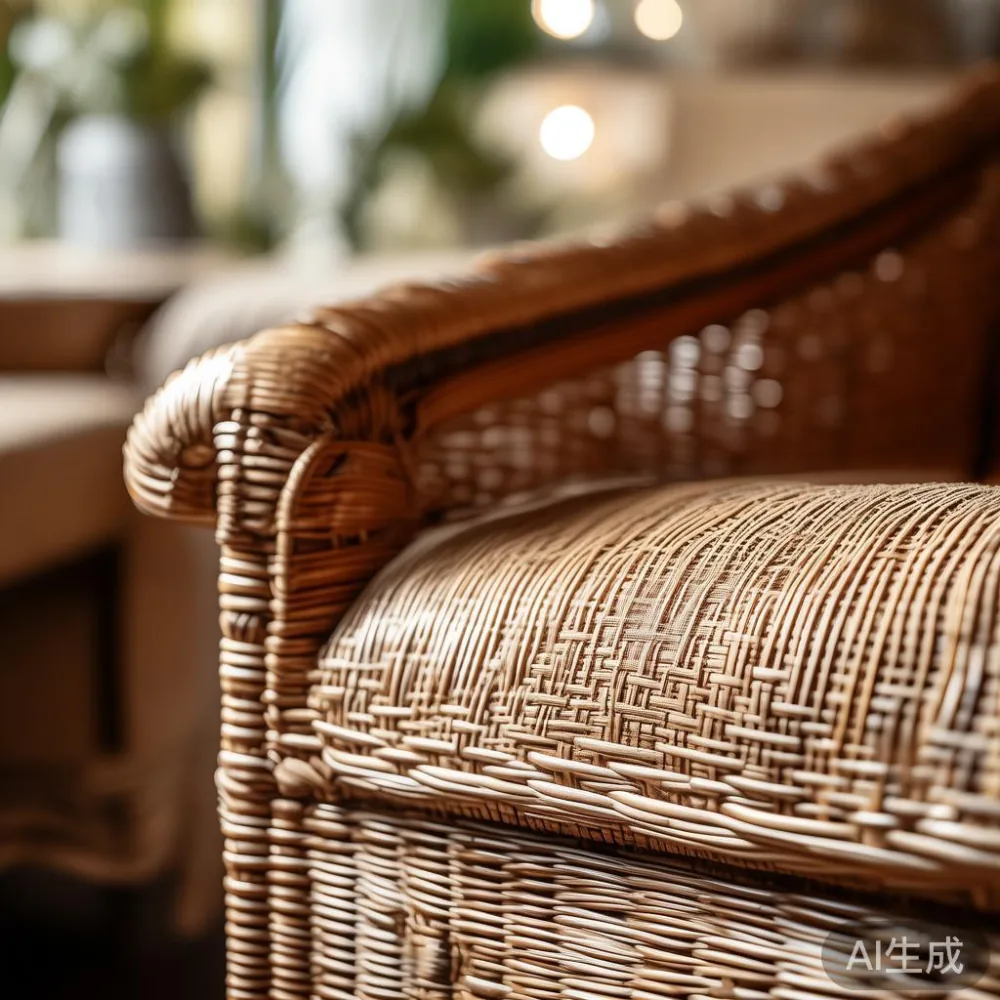
For an oak dining table with a 180 × 90 cm top, a severe seasonal swing might produce roughly 1–3 mm of width movement and up to 3–6 mm of length movement. A solid wood bed frame can develop a faint gap at its joints; a wardrobe may cup slightly if one side receives less airflow; and drawer bottoms can bind if their moisture content differs from the case. Such changes are not always manufacturing defects. They reflect the need for stable indoor conditions.
My colleague in Singapore placed three identical 120 × 60 cm samples of kiln-dried oak on a balcony in Punggol for 30 days last month: one wrapped in plastic, one exposed to rain, and one kept in a bedroom at about 55% relative humidity. The wrapped and indoor samples showed less dimensional change, while the exposed sample widened noticeably. The test confirmed that air movement and rapid wetting caused more movement than stable humidity alone.
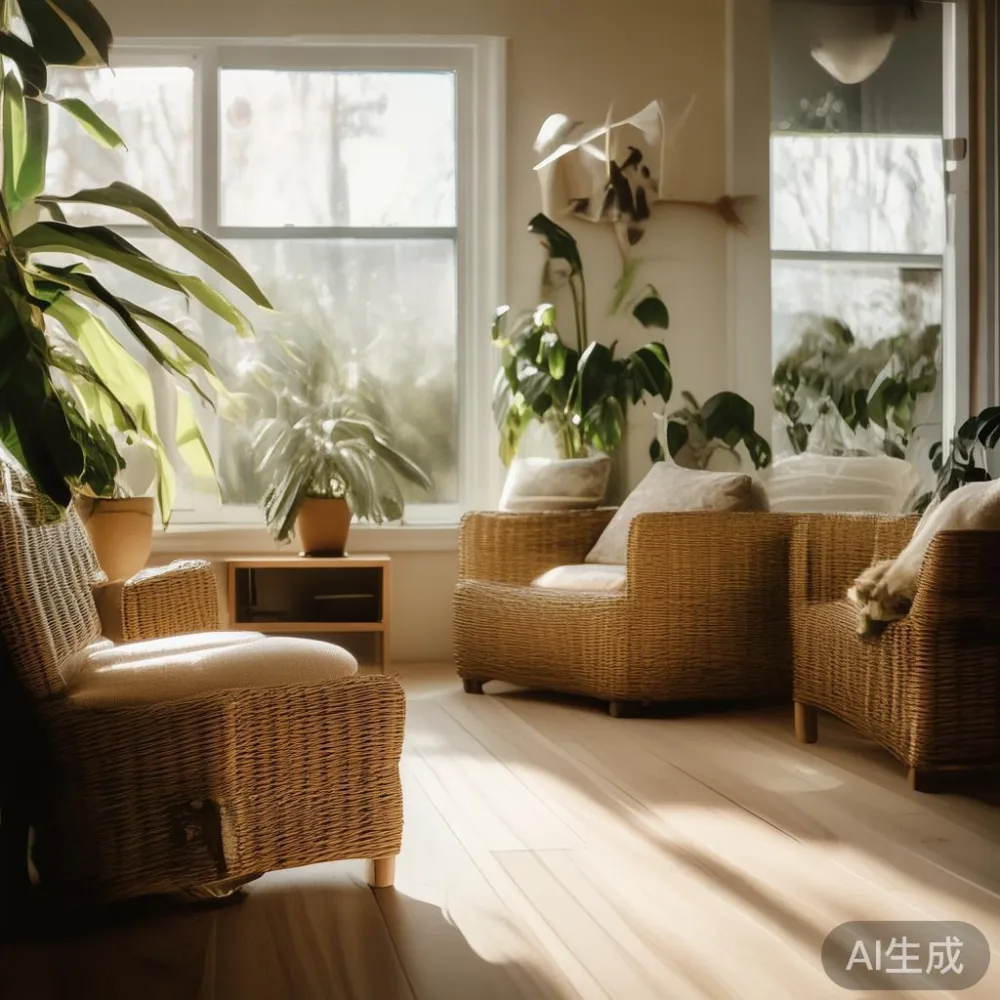
Laminated and finger-jointed components generally show less movement than a single wide slab. That does not make them unsuitable for Singapore. It gives the maker more control over consistency in a solid wood sofa, solid wood bed frame or dining table, especially where joints, screws and seasonal movement must be coordinated.
Solid wood furniture should not be treated as a decorative object isolated from the building. In an HDB flat above level 10, for example, direct afternoon sun may heat a balcony door to 38°C while the living room remains at 26°C. The resulting gradient can dry one side of a cabinet faster than the other.
How much humidity should Singapore homes maintain?
A practical target is 50–65% relative humidity, with indoor temperatures near 23–28°C. A calibrated hygrometer costing around SGD 18–35 makes the invisible condition measurable. Place it near the wardrobe, bed frame or dining table rather than beside a vent or window. Relative humidity above 70% increases the risk of mould around cushions, rugs, rattan wicker and unfinished timber recesses.
For a three-bedroom HDB unit, running dehumidification or air-conditioning in the living room and bedrooms can help. The objective is stability, not chasing an exact number each hour. Rapid changes from 80% to 35% can stress joints more than a steady reading of 55–60%. Where condensation appears on a window for 10–15 minutes after a sudden temperature drop, the room may need more gentle dehumidification and gradual temperature adjustment.
Singapore’s tropical exterior requires attention to ventilation as well. Wipe condensation from frames with a dry cloth within 30 minutes, keep at least 5–10 cm between furniture and tiled walls where possible, and avoid pushing a wardrobe tightly into an external corner. In a Tampines HDB flat where the dining area is beside a service yard, a dining table should be moved if floor moisture becomes visible after heavy rain.
Conditioning furniture before use also helps. New solid wood pieces should acclimatise in their final room for 7–14 days. Remove transport packaging, but retain protective felt under every leg. Avoid placing a wardrobe against a cold bathroom wall in Bedok, and leave circulation space behind a nightstand where cables create heat and trap humidity.
Will rattan wicker furniture warp in a humid Singapore apartment?
Rattan wicker can perform well in tropical conditions when the material, weave and finish are properly specified. Natural rattan may flex slightly as humidity changes, while a tightly woven panel can bow if one face is repeatedly damp. Synthetic resin wicker is less vulnerable to swelling, although ultraviolet exposure can still weaken the fibres and make the surface brittle after several years.
For a balcony or enclosed service area, choose rattan wicker only if the supplier confirms suitable weaving and coating for the location. Keep it 20–30 cm away from sprinklers or irrigation points. Wipe it with a damp cloth, wrung out, and avoid soaking the frame. Dry wet cushions within 2 hours. A replacement woven panel may cost SGD 45–180 depending on size, so protecting the original weave prevents avoidable expenditure.
Humidity does not have to make rattan wicker an indoor-only choice. It does require clearer zoning: furniture meant for a dry living room should not be left in a laundry area where relative humidity remains above 80%, while a rattan accent chair near a rain-exposed corridor needs ventilation and careful frame drying.
Marble table tops deserve the same environmental discipline. Natural marble is less dimensionally responsive than wood, but moisture can affect sealants, adhesives and cleaning residues. Use a pH-neutral stone cleaner, wipe spills within 15 minutes, and keep a marble table away from dripping plants. For a 120 cm round marble table, use coasters and felt pads; acidic liquids can dull the polish even when the slab remains structurally sound.
How do HDB corridors and condo lifts affect furniture delivery?
Humidity is only one part of ownership in Singapore’s high-rise housing. Delivery planning can determine whether a large piece enters the home without damage. Before purchase, measure the lift car, the widest door, the corridor turns and the route from the loading area. Include packaging dimensions, not only the furniture dimensions.
A common three-door lift has an internal door width of about 90 cm and a car depth of 110–140 cm, though older HDB blocks and newer private condos vary. A standard lift opening of 1.0–1.1 m can be larger than the usable width after mirrors or protective panels are accounted for. Corridors of 1.4–1.8 m may also include sharp 90-degree corners.
For example, a 210 cm solid wood sofa may have to enter diagonally. A sectional sofa may need its legs removed and may be split into 2 modules; a single piece can weigh 75–110 kg. A 180 cm dining table may weigh 55–85 kg, while a large wardrobe may reach 120–180 kg. Record the elevator maximum load, usually 630–1,000 kg, and check whether the building requires a booking at least 24–48 hours ahead.
Staircases impose another restriction. Measure the ceiling at the tightest point, the stair width and the landing depth. The distance required to tilt a tall item is often greater than its face width. For loft beds or wardrobes above 190 cm, calculate the diagonal through the doorway rather than relying on straight upright movement.
MIDHILL offers free shipping above US$350, equivalent to about SGD 465 at an indicative rate of SGD 1.33 per US$1. Delivery times vary by destination and product, with many Singapore orders arriving in 7–21 days after production. The 14-day return period remains subject to inspection and the condition of the received item.
Which furniture pieces need the most humidity protection?
A dining table needs protection because broad tops show cupping and edge movement. Place it away from sliding doors and use a stable indoor climate. A solid wood bed frame benefits from breathing space and regular inspection of joints. A wardrobe should have a 3–5 cm rear gap where possible, with no damp linens stored against its back.
A nightstand is especially useful as a humidity-monitoring station. Keep its top clear so the hygrometer can be checked without moving objects. A solid wood sofa should not be pressed directly against a cold external wall; allow 5–10 cm of space and remove cushions occasionally so trapped moisture can escape.
French light luxury can make these practical choices feel visually composed. A shaped solid wood sofa with linen upholstery, a marble table and pale timber create an elegant room without crowding the walls. For readers comparing top 10 French furniture, focus on joinery, wood movement allowance, finish quality and delivery measurements rather than copying a European domestic setting.
The same principle applies when searching for top 10 Modern light luxury furniture: check the stability of the base, the thickness of panels and the after-sales care available in Singapore. If a listing invites an industrial look but offers a flat-pack wardrobe with particleboard sides, the maintenance and humidity performance may be less suitable for a humid HDB bedroom.
Is a French-style bed frame worth the material and humidity considerations?
The question behind is French bed worth it concerns more than its decorative profile. A French-style bed frame with a shaped headboard and upholstered panel can soften a Singapore bedroom, but timber species, frame construction and clearances still determine its performance. Curved mouldings and close-packed details can trap moisture, while a simple platform may be easier to ventilate.
Allow at least 5 cm between the headboard and a cold wall, and 10–15 cm where curtains can touch the frame. Inspect screws after the first 60 and 90 days as the timber settles into the indoor climate. For anyone comparing the best Industrial wardrobe for 2026, verify the exact phrase in context: a metal-framed industrial wardrobe can suit a condo, but timber doors still require controlled humidity.
For design guidance, how to style European light luxury bed in room begins with scale and texture: a 160 × 200 cm bed fits many HDB bedrooms, while a 180 × 200 cm frame needs more clearance. Pair a pale upholstered headboard with one material, such as oak, rather than adding several competing patterns.
Similarly, how to style French provincial sofa in bedroom is a question of proportion. A 180–210 cm sofa may fill a master bedroom, leaving only 60–75 cm of circulation beside it. A 150–170 cm compact sofa can preserve the feeling of space. Use washable linen or cotton, keep it 10 cm from the wall and avoid long-term contact with wet umbrellas or damp bedding.
Wardrobe planning is equally local. For a 250 cm-wide wardrobe wall, leave space for door opening, skirting boards and curtain tracks. Confirm whether the supplier measures to the wall or to a finished recess. Singapore’s GST is normally displayed as an additional 9% at checkout for taxable sales, so the final amount should be clear before ordering.
How can owners prevent warping, mould and finish damage?
Use a simple 3-zone routine. In Zone 1, monitor the living, dining and sleeping areas with an hygrometer. In Zone 2, inspect furniture edges, joints and undersides every 3 months. In Zone 3, control moisture immediately: remove standing water, improve ventilation and call a refinisher when coatings are affected.
Clean wood with a lightly damp cloth and dry it within 10 minutes. Avoid silicone furniture polish, abrasive pads and steam mays, which can cloud finishes. Do not leave paper, cloth or rugs trapped under a wardrobe. Check sliding-door seals if a room repeatedly reaches 75% relative humidity.
For rattan wicker, vacuum with a soft brush at low suction and clean the frame twice a year. Do not use alcohol-based cleaners on unknown lacquer or resin finishes. For marble table surfaces, use neutral cleaner and reseal according to the stone’s porosity and the coating’s age.
Protect high-value pieces in occupied homes rather than empty showrooms. A piano, wood cabinet or dining table can react differently from a packaged item because it absorbs and releases moisture over time. If a solid wood dining table develops a 2–4 mm cupping pattern, resist sanding it immediately. Document the change over 7–14 days, check humidity and arrange an assessment.
MIDHILL’s 10-year structural warranty covers eligible structural failures, while lifetime refinishing supports long-term care. Environmental damage from dampness, direct water exposure or uncontrolled humidity should still be prevented through the measures above. Product care instructions and warranty exclusions should be reviewed before confirming an order.
What should Singapore buyers check before ordering?
Ask for 5 specific pieces of information: the packaged dimensions, the solid wood species and thickness, the expected weight, the delivery lead time and the humidity-care instructions. Photograph every side of the delivered furniture before removing the packaging. Record the date and room conditions so future comparisons have context.
Measure doorways with a tape rather than a furniture app. Add 5–10 cm of tolerance for angled movement through a corridor. Check whether the building has a loading bay reservation system and whether the lift dimensions include handrails. For a marble table, confirm whether the top arrives separately and who carries it from the lift to the dining room.
For a custom wardrobe, confirm the finished internal width, shelf clearances and skirting allowance. A 240 cm “wall-to-wall” opening may produce a 232 cm carcass after 4 cm of fillers. For a bed frame, check the mattress size, centre support arrangement and the space needed for side access.
Buyers comparing top 10 Modern light luxury furniture or top 10 French furniture should use Singapore-based service standards as a filter. A 10-year structural warranty, a 7–21 day delivery estimate, 14-day returns and defined refinishing support offer more practical certainty than a purely visual ranking. Pricing should also be compared in SGD, including GST, delivery and any carrying-in charges.
Singapore furniture does not need to fear its climate. It needs a stable indoor environment, sensible ventilation and a delivery plan suited to high-rise access. With those conditions in place, solid wood furniture can develop a graceful patina, rattan wicker can retain its weave, and a marble table can remain a calm centrepiece for many years.