Lacquered Rattan Wicker Furniture in Singapore: A Care Guide for HDB and Condo Living
Singapore is a punishing place for a lacquered surface. Walk along a Bedok Reservoir corridor at 3pm in March and the relative humidity is sitting somewhere between 78 and 92 percent. Slide open the window of a 14th-storey flat in Punggol and the afternoon cross-breeze carries a fine salt mist that settles on every horizontal plane in the living room. A lacquered rattan wicker dining chair that looked showroom-fresh on the MIDHILL display floor in Foshan can start showing micro-crazing within six to nine months here if it is treated the same way you would treat it in a Beijing apartment or a Melbourne suburb.
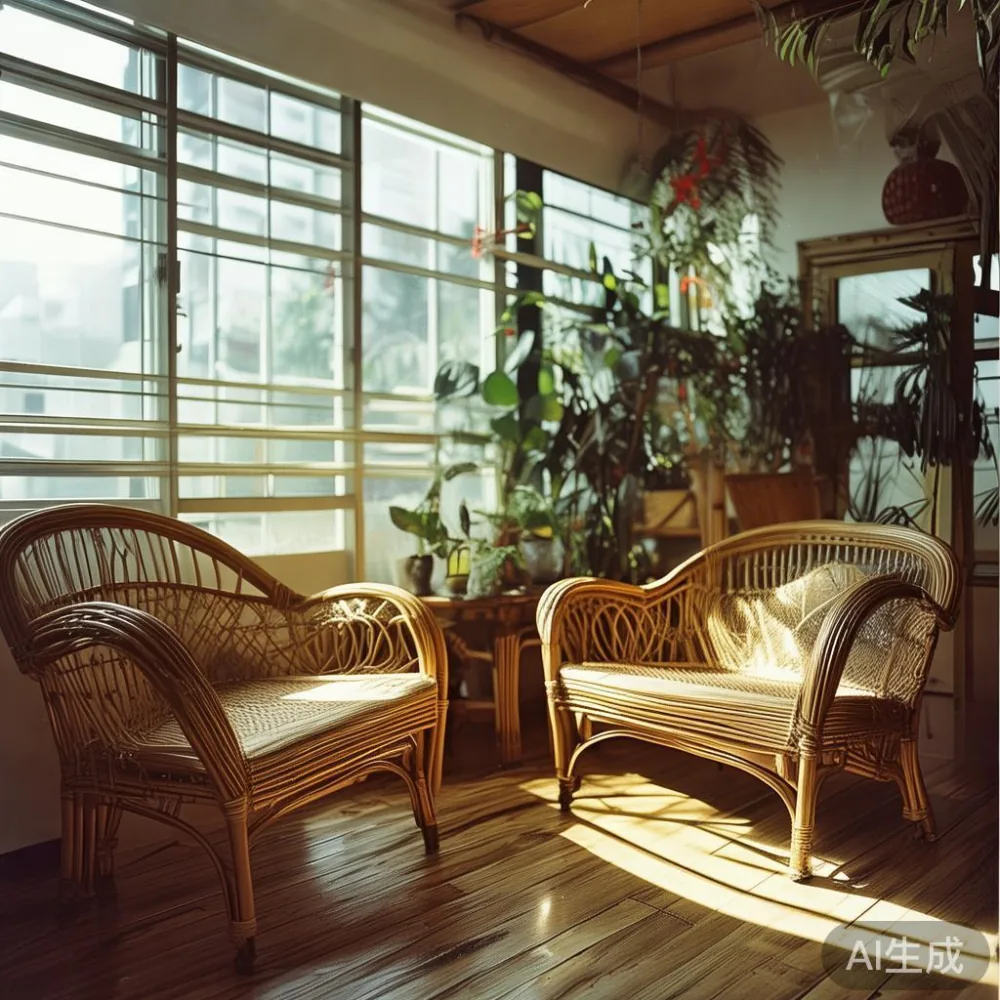
This guide comes out of a small but telling experience. Last month I visited a client in a 980 sqft condo off Tampines Street 86. She had bought a lacquered rattan wicker bench and a matching side table about fourteen months earlier. The lacquer still had its gloss, but a faint white bloom had crept into the woven joints, and the underside of the frame had begun to feel tacky during the afternoon. The piece had not been neglected; it had simply been living in a Singapore home, with our climate, our closed-door air-conditioning cycles, and our corridor dust. What follows is what we did to bring it back, and what I now recommend to anyone choosing a lacquered rattan wicker piece for a local home.
Why Singapore's Climate Is Harder on Lacquer Than You Think
Lacquer is a moisture-cured film. The two enemies in Singapore are not heat alone, and not humidity alone, but the cycling of the two. An HDB air-conditioned bedroom at night can drop to 22°C and roughly 55 percent RH, then warm to 30°C and 85 percent RH by late afternoon with the compressor off and the windows cracked. That 30-point swing, twice a day, every day, is what makes lacquered rattan wicker soften, bloom, and micro-crack at the joints.
There is also the corridor factor. Most HDB blocks, and many older condos in the east, use narrow goods lifts with door openings around 80 to 90 cm wide and cabin depths of 140 to 160 cm. Solid wood sofas and dining tables generally arrive flat-packed for that reason. Lacquered pieces ride in the same lift as every other household, and a delivery team that scrapes a chair frame against a metal door edge can introduce a chip that, six months later, looks like a climate failure. It usually is not.
Finally, the GST math matters. A S$2,400 lacquered rattan wicker dining set that lands at your door in Punggol is roughly S$2,676 after the 9 percent GST. You are protecting a four-figure investment, not a hand-me-down, and the care routine should match.
The First 30 Days: Settling a New Lacquered Rattan Wicker Piece
Whatever you ordered, whether a rattan wicker headboard for a 1.68 m by 2.03 m European bed, a rattan wicker bench for the entryway, or a smaller Italian light luxury nightstand with a rattan drawer front, give it a quiet month before you judge the finish.
Wipe the entire surface once a week with a dry microfibre cloth (around 30 cm square, washed without fabric softener). Do not use any spray in the first 30 days; the lacquer is still off-gassing and you do not want to seal anything against the surface. Position the piece at least 30 cm away from any window that gets direct afternoon sun, even through a Low-E pane. In a typical Tampines four-room flat, that usually means keeping your bed frame against an interior wall and letting the wardrobe take the sun-facing side instead.
If the piece came in a crate, retain the crating for at least 30 days. MIDHILL pieces ship in plywood crates with closed-cell foam at the corners, and that same crate is useful if you ever need to send the item for refinishing under their lifetime service policy.
Weekly Care Routine That Actually Works Here
Once a week, run a slightly damp (never wet) microfibre cloth over the lacquered surface, then immediately follow with a dry cloth. The wet pass lifts the salt film; the dry pass removes the water before it can dwell. That two-step cycle takes about four minutes for a dining table and roughly ninety seconds per rattan wicker dining chair.
Every two to three months, apply a thin coat of paste wax (Carnauba-based, not silicone-based). Use a soft cotton pad, work in circles of about 15 cm, then buff after ten minutes with a clean cotton cloth. A 200 g tin costs around S$18 to S$25 at any DIY shop in Singapore and will cover a four-seat dining table for roughly eighteen months. Avoid the aerosol polishes sold in car-care sections; they contain silicone that softens lacquer over time and makes a future refinish very difficult.
For the woven rattan wicker sections, use a soft-bristle brush the size of a toothbrush to lift dust from the joints. Then run the vacuum cleaner on low suction with a brush attachment. Never use a steamer on rattan wicker; the fibres will swell, and any micro-crack in the surrounding lacquer will telegraph into a visible line within a week.
Is Japanese Wardrobe Worth It in a Singapore Bedroom?
Clients in Bedok and Punggol ask me this almost every week, so the answer is worth stating plainly. A Japanese-style lacquered wardrobe, often built in solid kiri wood with a clean, flush face, performs very well in Singapore bedrooms because the panels are thicker (around 25 to 30 mm) and the joinery tolerates humidity swings that would punish a thinner European carcass. If you are weighing a Japanese bed vs an Italian light luxury bed for the same room, the lacquered Japanese wardrobe paired with either bed frame will generally outlast a matched Italian set in our climate, simply because the panel thickness and the finish chemistry are designed for East Asian humidity ranges that overlap with ours.
How to style a light luxury wardrobe in apartment settings is a different question. Post-modern light luxury interiors in Singapore condos tend to keep the wardrobe face plain and let one rattan wicker accent piece, often a bench or a TV console, carry the texture. The result reads as calm and grown-up, and it stops the room from feeling like a furniture showroom.
What to Do When the Finish Starts Blooming or Tacking
Blooming is that whitish haze that appears on dark lacquered rattan wicker pieces during the wetter months. It is not mould; it is moisture trapped in the surface film. Wipe with a cloth barely moistened with a 1:10 solution of isopropyl alcohol and distilled water, then dry immediately. If the haze is still visible after two passes, stop. A second refinish at that point will do more harm than good, and the piece is a candidate for professional buffing.
Tackiness is more serious. A lacquered rattan wicker surface that feels sticky to the touch in the afternoon is usually suffering from one of three things: silicone contamination (from a household polish), trapped solvent under the film, or thermal softening from a heat source placed too close. Move any table lamp, candle, or soundbar at least 25 cm off the surface. If the tackiness persists for more than three weeks, the film has probably broken down and needs a sand-and-recoat. MIDHILL offers a lifetime refinishing service that handles exactly this, with collection and return scheduled in 7 to 14 working days for addresses inside mainland Singapore. For a 1.4 m rattan wicker side table the service is typically S$120 to S$180; for a full dining set it is closer to S$480, including transport.
How to Style Light Luxury Wardrobe in Apartment Layouts Without Crowding the Room
Most HDB three- and four-room flats give the master bedroom between 12 and 15 sqm. A 1.8 m wardrobe plus a 1.5 m bed frame plus two nightstands already eats roughly 6 sqm of floor footprint, so styling has to be quiet. A European light luxury sideboard in the living area, around 1.6 m long, can take over the storage role that an overstuffed wardrobe would otherwise carry, which then lets you downsize the bedroom wardrobe to a clean 1.5 m American light luxury piece with three doors instead of four.
Keep the rattan wicker to one focal point per room. In the bedroom, that might be the wardrobe door panel. In the dining area, the chair backs. In the living area, a single rattan-fronted TV console against a plain lime-wash wall reads as French light luxury without buying into the full Parisian vocabulary.
Mid-Year Deep Clean: The September Reset
Singapore's wettest months are usually November through January, and the best time to deep-clean lacquered rattan wicker is September, before the rain settles in. Move the piece 20 to 30 cm out from the wall. Vacuum the back panel and the wall behind it; that gap is where moisture wicks into the unfinished underside. Wipe the entire piece with a barely damp cloth, dry it, apply a thin coat of paste wax, buff it. Set the piece back, leaving the 2 cm gap behind it so air can move. The whole job takes about 35 minutes for a dining table and around 50 minutes for a wardrobe.
If you have a marble table in the same room, do the marble first, then the rattan wicker. Marble polishing residue contains mild acids that will haze lacquer on contact.
Common Mistakes I See Every Month in Local Homes
Three mistakes come up again and again. The first is placing a lacquered rattan wicker bench directly under a window air-conditioning unit. The condensate drips onto the lacquer, and within four to six months you will see a dull grey ring that will not buff out. The second is using a feather duster. Feather dusters look gentle, but they drag dust across the lacquer instead of lifting it; use microfibre only. The third is moving a piece without lifting it. A 28 kg rattan wicker side table that is dragged 5 cm across a tile floor will leave a scratch in the lacquer that no amount of wax will hide.
A useful rule of thumb: any lacquered piece over 18 kg should be lifted by two people using felt furniture pads (around S$6 for a pack of sixteen at any neighbourhood DIY shop). For a 38 kg rattan wicker dining chair, two adults is plenty. For a 65 kg solid wood sofa frame, two adults plus a furniture dolly is the right answer, especially when you are working around a 90 cm goods-lift door.
Long-Term Storage, Renovation, and the Refinish Question
If you are renovating an HDB flat, which most Tampines and Bedok owners do every 10 to 15 years, lacquered rattan wicker pieces should be moved into a dry, air-conditioned room rather than a storage unit. Self-storage facilities in Singapore vary widely in climate control; a unit advertised as air-conditioned may still sit at 80 percent RH during a wet week, and that is enough to bloom a lacquered surface in under thirty days.
When the piece is back in place, give it the September reset described above before you put anything on it. If the lacquer is genuinely tired after 8 to 12 years, the lifetime refinishing offered by MIDHILL is usually a smarter spend than replacement. For a rattan wicker bed frame that originally retailed around S$2,800, a full sand, re-stain, and re-lacquer at the Foshan workshop runs roughly S$650 to S$900 including two-way shipping, which is meaningfully less than a new piece at today's prices. Most clients choose to upgrade the rattan wicker weave at the same time, since the new weave is what makes a refinished piece read as current rather than restored.
Quick Reference: Care Calendar for a Lacquered Rattan Wicker Piece in Singapore
Daily: nothing. Daily polishing is the single most common cause of long-term lacquer breakdown.
Weekly: damp-then-dry microfibre wipe, four minutes per dining table or ninety seconds per chair.
Quarterly: paste wax on horizontal surfaces, 10 minutes of work, around 5 g of wax per square metre.
September: full reset, pull the piece out, vacuum behind it, wax the back, leave a 2 cm airflow gap.
Every 8 to 12 years: professional refinish, scheduled before the deep wet season so the new film has time to cure in moderate humidity.
Stick to that calendar and a well-made lacquered rattan wicker piece will outlast two sofa replacements and three mattress turnings, which in a Singapore home is roughly 15 to 20 years of daily use. The piece that walked into that Tampines condo fourteen months ago is now on its second wax coat, sitting 25 cm away from the window, and the lady of the house has just ordered a matching rattan wicker headboard for the guest room. She is treating the guest room as a small Modern for guest room setup, which gave us a clean excuse to keep the same care routine running on a second piece. That, more than any single product, is the point of a good lacquered surface: it rewards a small, steady habit rather than a heroic deep clean twice a year.