What Actually Drives the Price of Solid Wood Furniture in Singapore
In Singapore's urban landscape, where space comes at a premium and homes in HDB flats across Tampines, Bedok, and Punggol often measure between 90-120 square meters, furniture choices carry significant weight—both literally and figuratively. A solid wood dining table might weigh between 45-65 kg, while a complete bedroom set including a French solid wood master bed could exceed 120 kg. These substantial investments require careful consideration of what truly determines their price points beyond the sticker shock at furniture showrooms.
The Material Foundation: Wood Quality and Sourcing
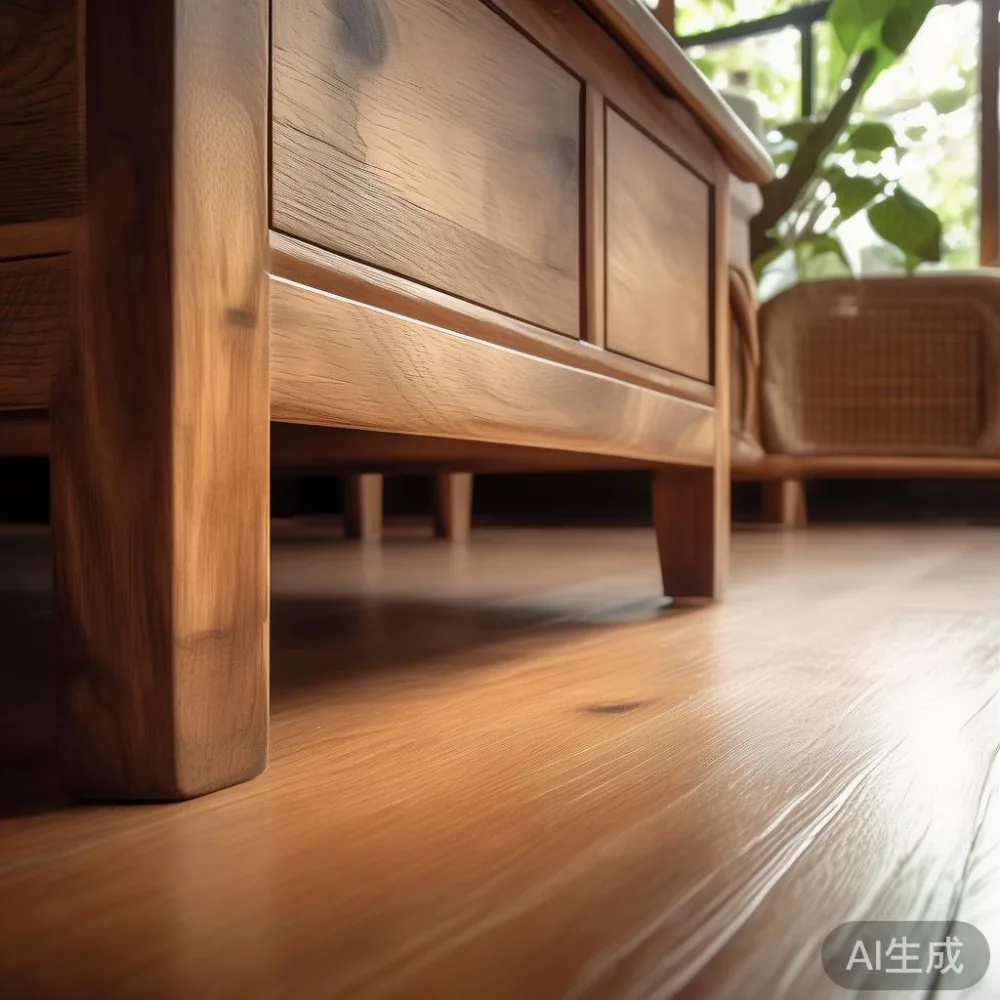
The starting point for any solid wood furniture's value lies in its raw materials. Premium woods like teak, oak, and mahogany command prices ranging from SGD 180 to SGD 450 per square foot, depending on grade and origin. For instance, Grade A teak from sustainable plantations in Indonesia costs approximately SGD 320 per square foot, while lower-grade alternatives might fall below SGD 200 per square foot. These materials undergo a 6-8 month drying process to achieve optimal 8-12% moisture content, preventing warping in Singapore's humid climate with 70-85% average humidity.
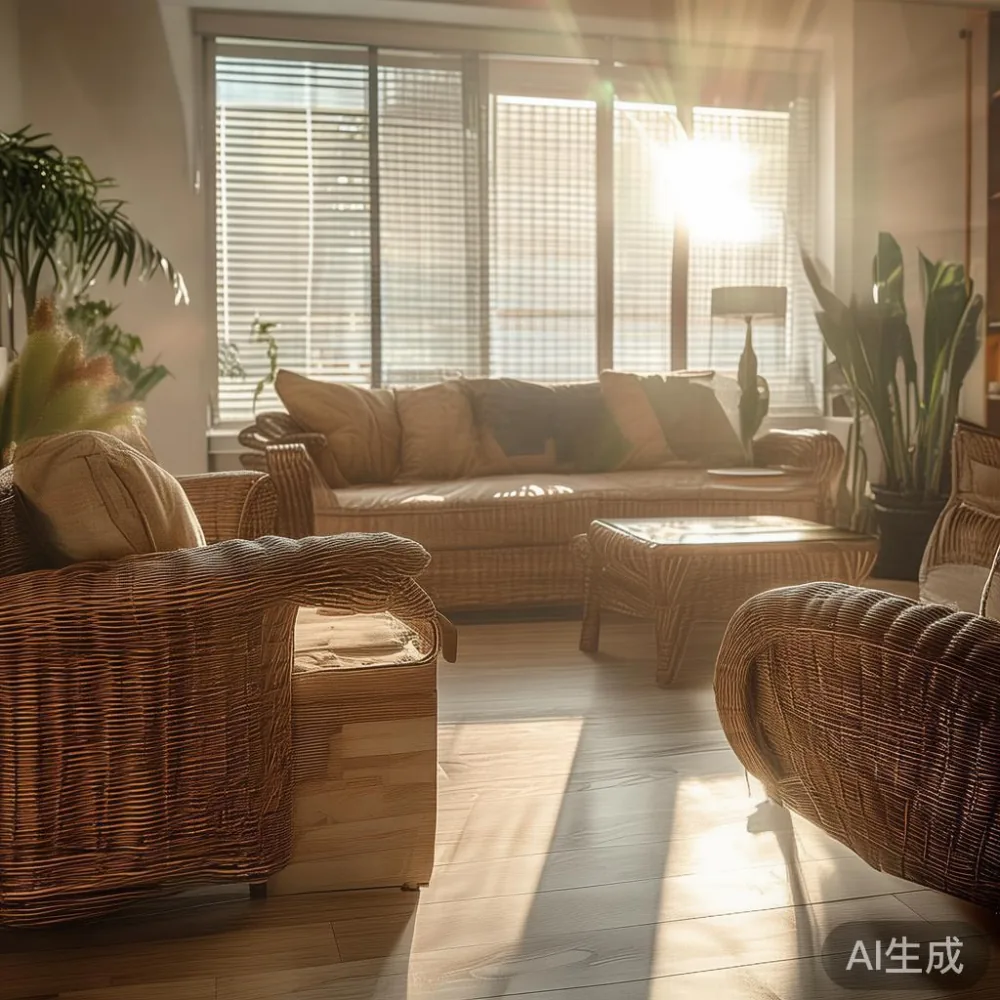
For rattan wicker furniture, the material sourcing follows different parameters. Premium rattan canes, typically harvested from Southeast Asian forests, cost between SGD 15-25 per linear meter. The best rattan wicker pieces use 1.2-1.5 cm diameter canes that are treated with borax to resist pests—a process that adds approximately SGD 45 to the cost per piece. My colleague at MIDHILL visited a rattan plantation in Vietnam last month and observed that the quality of raw materials directly impacts the final product's durability and price point.
Craftsmanship: The Human Element in Furniture Making
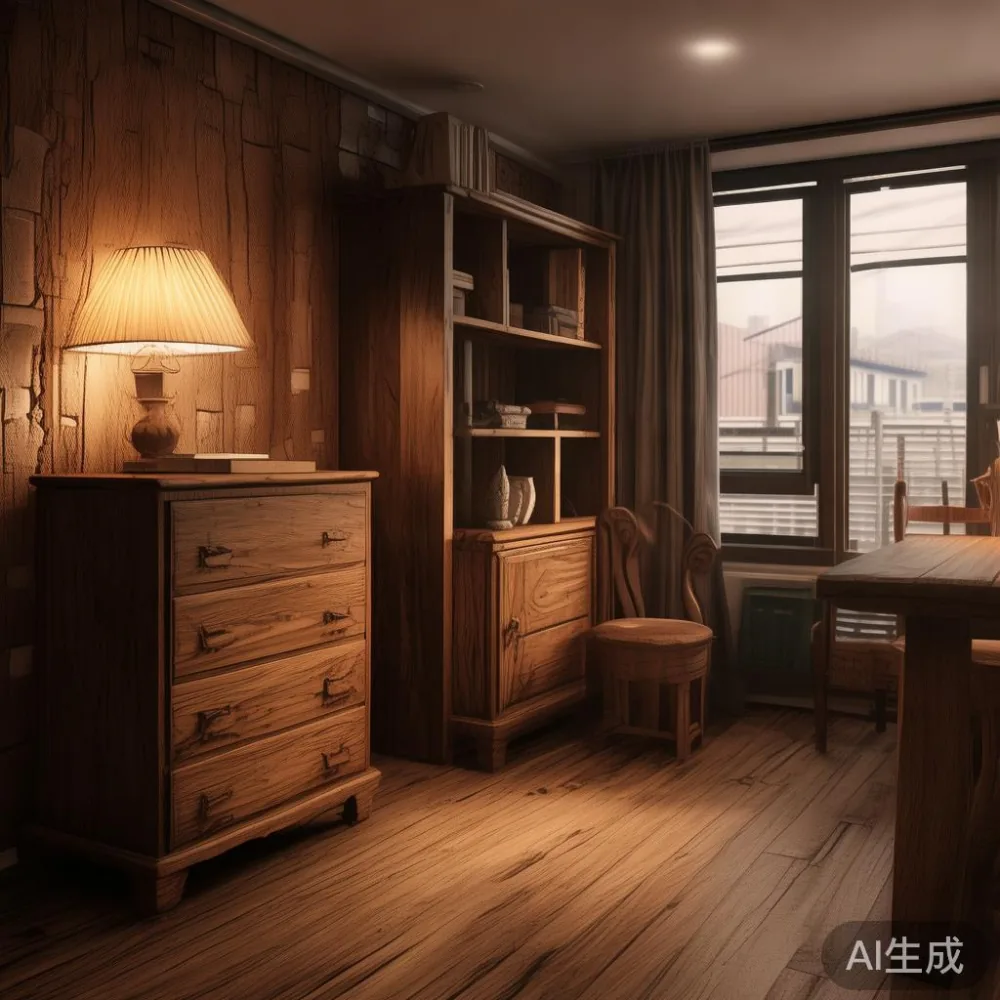
Behind every piece of furniture lies hours of skilled labor. A hand-carved solid wood dining table might require 40-60 hours of work by a master craftsman, contributing SGD 800-1,200 to the final price. In contrast, a machine-constructed table might reduce this to 8-12 hours, lowering labor costs to SGD 150-250. The complexity of joinery techniques—such as dovetail joints for drawers or mortise-and-tenon constructions for frames—further adds to both time investment and structural integrity.
For rattan wicker pieces, the weaving process demands specialized skills. A skilled artisan can complete a medium-sized chair in 12-15 hours, while larger pieces like sectionals might require 30-40 hours. The intricate patterns characteristic of premium rattan wicker furniture can add another 8-12 hours per piece. At MIDHILL, their team of 15 weavers produces approximately 25 rattan wicker pieces weekly, each inspected for consistency before leaving the workshop.
Design Aesthetics: From French Light Luxury to Post-Modern Styles
Design significantly influences furniture pricing, particularly in the light luxury segment. French light luxury furniture, characterized by ornate details, curved lines, and premium upholstery, can command prices 30-50% higher than contemporary designs. A French dressing table with hand-carved details might retail for SGD 2,800-3,500, while a simpler version could cost SGD 1,800-2,200. The premium pricing reflects the additional design complexity and often includes marble tabletops that add SGD 400-600 to the base price.
American light luxury furniture emphasizes comfort and functionality, often featuring larger dimensions and plush upholstery. A solid wood sofa in this style might measure 220-250 cm in length and require 18-22 kg of high-density foam, contributing to a price range of SGD 3,500-5,000. Post-modern light luxury, with its clean lines and minimalist approach, tends to be more price-accessible while maintaining quality, with dining tables typically priced between SGD 2,200-3,200.
Market Positioning and Brand Value
Brand reputation and market positioning create significant price variations among similar products. Established manufacturers like MIDHILL, with their 15+ years of experience and presence in 15+ countries, command premium pricing due to consistent quality assurance. Their 10-year structural warranty adds tangible value, as most competitors offer only 3-5 year coverage. This extended protection translates to approximately SGD 300-500 in additional perceived value for the consumer.
Distribution costs also impact final pricing. In Singapore, delivery charges for furniture under SGD 350 typically range from SGD 80-120, while larger pieces like wardrobes might incur SGD 150-200 delivery fees. The 7% GST applies to all furniture purchases, adding approximately SGD 140 to a SGD 2,000 dining table. Free shipping offers, like MIDHILL's policy for orders over SGD 350, effectively reduce the total cost by eliminating these delivery charges.
Space Considerations for Singapore Residences
Singapore's unique living conditions impose specific requirements on furniture dimensions. HDB corridor widths typically measure 120-150 cm, limiting the maximum width of delivered furniture to 80-90 cm to work through through doorways. Lift dimensions in older estates might be 110 cm wide by 110 cm deep, restricting the size of assembled pieces that can be transported.
For condominiums in areas like Tampines or Punggol with more generous layouts, furniture can be larger, but still must account for standard door sizes of 80-90 cm. A solid wood wardrobe measuring 180 cm wide requires careful planning for delivery, often needing disassembly in pieces of 60 cm or less. These spatial constraints increase production complexity and costs, particularly for custom pieces designed to maximize limited living spaces.
Is French dressing table furniture worth it?
French dressing table furniture represents a significant investment that delivers both aesthetic pleasure and functional value when properly selected. These pieces typically range from SGD 2,200 to SGD 4,500 in Singapore, depending on size, materials, and craftsmanship. The premium pricing reflects the intricate details, often including hand-carved elements, marble tabletops, and premium mirror treatments that add SGD 600-900 to the base cost.
My personal experience with a French dressing table purchased three years ago demonstrates its value proposition. The piece, constructed from solid mahogany with brass accents, has maintained its structural integrity despite daily use. Its mirror, treated with anti-tarnish coating, shows no signs of degradation—a common issue with lower-quality alternatives. The drawer mechanisms, using soft-close technology, continue to operate smoothly, unlike cheaper alternatives that typically fail within 18-24 months. This longevity justifies the initial investment when spread over the furniture's 15-20 year lifespan.
Comparing Furniture Types: Price Drivers at a Glance
The following table illustrates how different furniture types compare in terms of their primary price drivers:
| Furniture Type | Primary Material Cost | Labor Hours | Design Complexity | Typical Price Range (SGD) |
|---|---|---|---|---|
| Solid Wood Dining Table | SGD 800-1,500 | 25-40 hours | Medium | 2,200-3,800 |
| Bed Frame (Queen Size) | SGD 600-1,200 | 30-50 hours | Medium-High | 1,800-3,200 |
| Rattan Wicker Sofa | SGD 400-800 | 40-60 hours | High | 1,500-2,800 |
| Wardrobe | SGD 900-1,600 | 45-70 hours | Medium | 2,500-4,200 |
| Nightstand | SGD 150-300 | 8-15 hours | Low | 380-680 |
Common Mistakes When Purchasing Solid Wood Furniture
When investing in solid wood furniture, consumers often make several mistakes that affect both satisfaction and value:
- Ignoring wood type specifications: Confusing solid wood with veneer or particleboard alternatives. Solid wood pieces cost 40-60% more but last 3-5 times longer.
- Overlooking finish quality: Premium finishes with 7-9 layers of lacquer add SGD 200-400 to the cost but prevent moisture damage in Singapore's climate.
- Neglecting joint construction: Dovetail joints in drawers cost 25-30% more than glued alternatives but prevent separation over time.
- Underestimating size requirements: Purchasing furniture without measuring doorways and elevator dimensions, leading to delivery issues or inability to assemble.
- Disregarding warranty terms: Accepting warranties under 5 years for structural components, when premium brands offer 10+ year coverage.
- Prioritizing appearance over durability: Choosing ornate designs without considering practical maintenance requirements for Singapore's humidity.
- Failing to test comfort: Purchasing seating without proper testing, especially important for items that will receive daily use.
Understanding Rattan Wicker Premium Pricing
Rattan wicker furniture commands specific price premiums due to its unique production requirements. Unlike solid wood pieces that can be mass-produced with machinery, rattan wicker requires significant manual craftsmanship. A standard rattan wicker chair might take 12-15 hours to complete, with the weaving process alone accounting for 8-10 of those hours. The complexity of patterns—particularly in premium pieces with multiple weaving techniques—can add another 4-6 hours per item.
The material preparation also adds to costs. Rattan canes must be soaked for 6-8 hours to become pliable before weaving, then dried for 3-4 days to set the shape. This time-intensive process contributes to why quality rattan wicker furniture typically costs 20-30% more than similarly sized plastic or metal alternatives. Also, the best rattan wicker pieces use natural dyes that resist fading in Singapore's intense sunlight, adding approximately SGD 45-75 per item to the base cost.
Value Assessment: When to Invest Premium
Determining when to invest in higher-end furniture requires evaluating usage frequency and functional importance. For items receiving daily use like dining tables or bed frames, premium construction makes economic sense. A well-made solid wood dining table might cost SGD 3,000 but could last 20-25 years, averaging SGD 120-150 annually. In contrast, a lower-quality alternative at SGD 1,500 might need replacement every 5-7 years, costing SGD 214-300 annually over the same period.
For occasional-use items like side tables or decorative pieces, mid-range options may provide better value. However, for statement pieces that serve as focal points in living spaces, the premium pricing often justifies itself through longevity and aesthetic appeal. When considering rattan wicker furniture specifically, investing in higher-quality pieces makes sense for outdoor or semi-outdoor spaces where exposure to elements would degrade lower-quality alternatives more quickly.
The return policy offered by reputable retailers adds another layer of value consideration. A 14-day return window, like that provided by many premium manufacturers, allows for thorough evaluation of furniture in the actual home environment. This period enables assessment of how pieces fit with existing decor and function within the specific space—factors impossible to evaluate in a showroom setting.
Ultimately, understanding what drives furniture pricing empowers consumers to make informed decisions aligned with their priorities and budgets. By recognizing the value embedded in materials, craftsmanship, design, and longevity, Singapore homeowners can select pieces that not only enhance their living spaces but also provide lasting satisfaction over years of use.