Veneer vs Solid Wood: What Will Your Rattan-Wicker Furniture Cost in 5 Years?
Choosing furniture for a Singapore HDB flat or condo is rarely just a question of appearance. A dining table must clear a lift, a bed frame must fit through a corridor, and a wardrobe must remain practical after five years of humid weather, daily use and changing tastes. Veneer can offer convincing grain at a lower entry price, while solid wood carries a higher upfront cost but often repairs more readily. The useful comparison is not the showroom price alone; it is the likely five-year cost per piece.
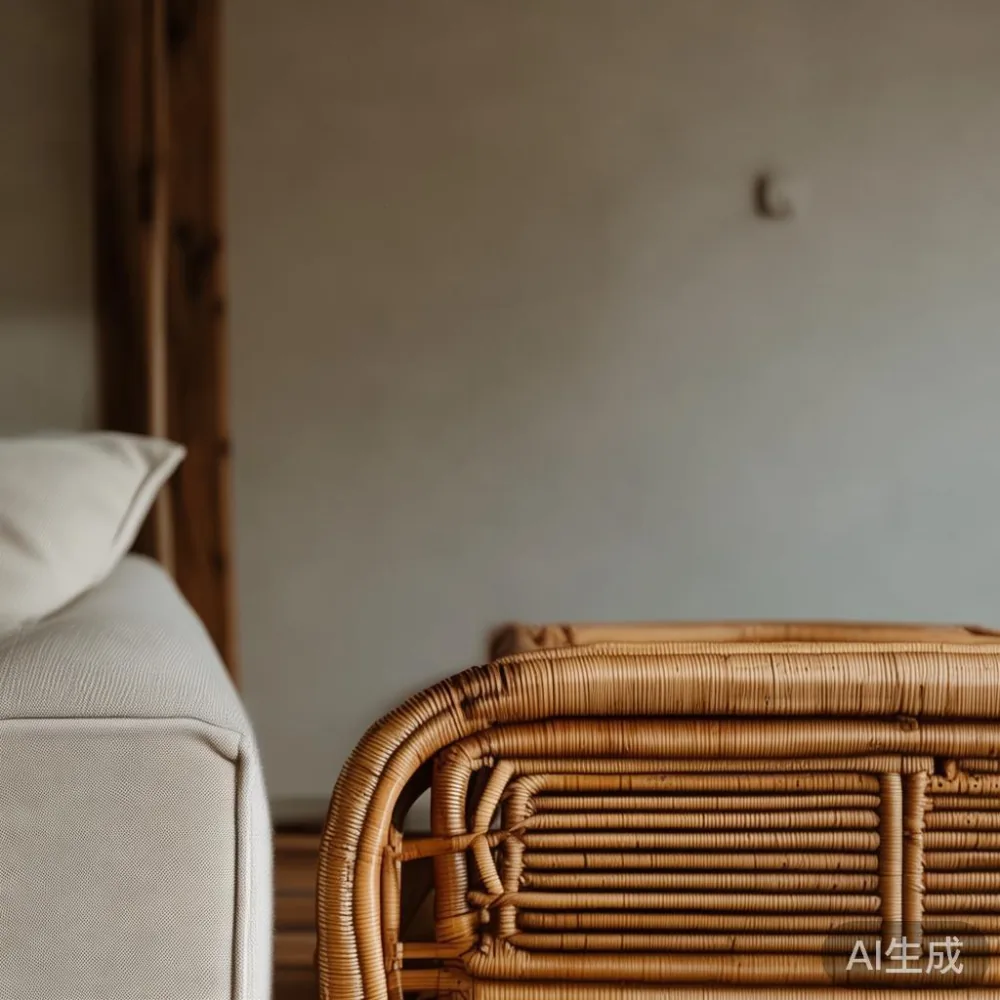
For this comparison, I considered typical Singapore dimensions, prices in SGD, 9% GST, delivery access and the maintenance that matters in local conditions. MIDHILL produces rattan wicker furniture alongside solid wood sofas, bed frames, dining tables, wardrobes, nightstands and marble tables, giving a practical view of how different constructions behave in real homes.
What does veneer really cost over five years?
<Veneer is a thin layer of timber, commonly about 0.6 mm to 1.2 mm, bonded to a substrate such as MDF, plywood or particleboard. It can reproduce the figure of oak, walnut or ash without using the same volume of solid timber. That efficiency usually produces a lower purchase price. It also makes broad panels more dimensionally stable than some solid wood boards.
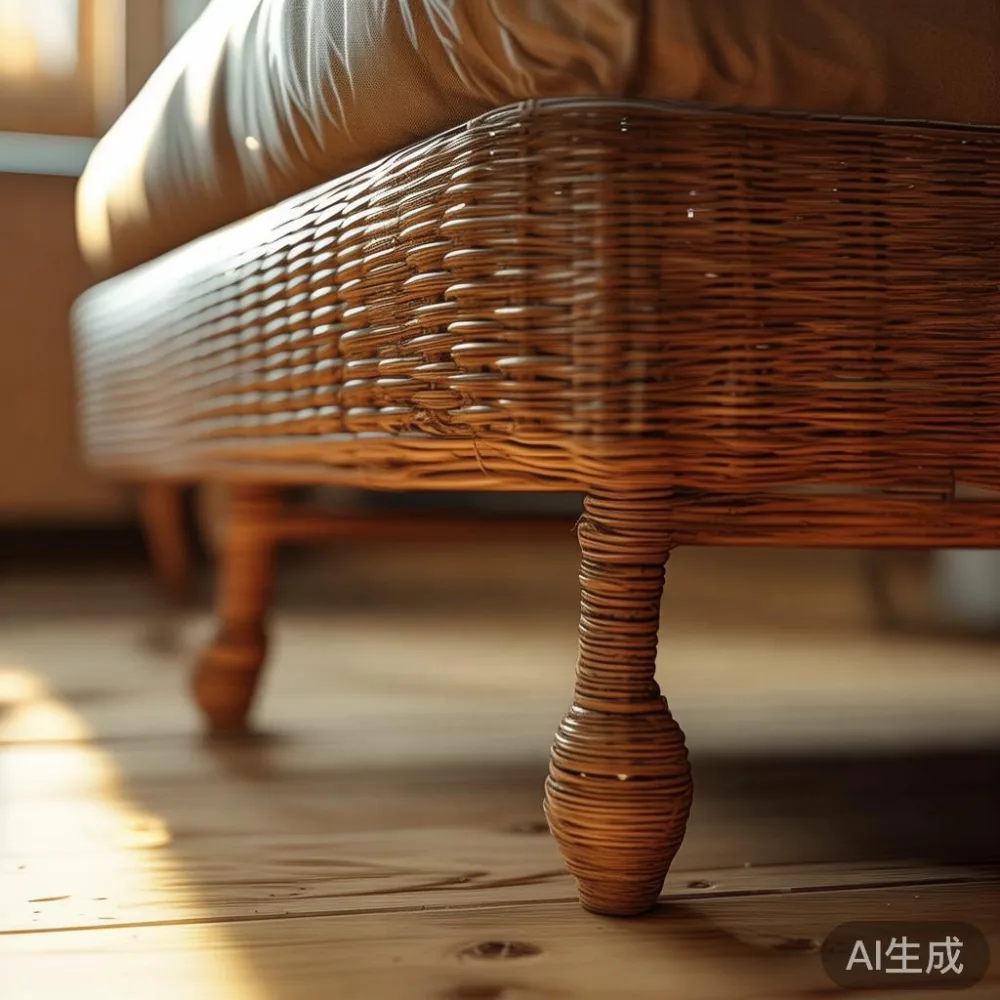
Imagine a 180 cm by 90 cm dining table priced at SGD 1,180 before GST for a veneered construction and SGD 1,680 for a comparable solid oak table. With 9% GST, these become SGD 1,286.20 and SGD 1,831.20. The saving on day one is SGD 545, or roughly SGD 109 per year over five years.
That saving can diminish through edge wear, water marks and repairs. Singapore’s relative humidity generally around 60% to 80% can cause veneered panels to swell at exposed edges if the protective finish is breached. A dining table may receive spills, heat and abrasion. Veneer can blister, peel or show its substrate after heavy use, and a large damaged panel may need replacement rather than simple sanding.

A wardrobe can face greater stress because panels move around in tight HDB corridors, touch walls and operate close to laundry moisture. A 180 cm-wide, 210 cm-high two-door veneer wardrobe might cost SGD 980 before GST, compared with SGD 1,420 for solid wood. Including GST gives SGD 1,068.20 and SGD 1,547.80, a difference of SGD 479.60.
Solid wood can still move, scratch or split. Timber responds to seasonal humidity, and Singapore is a humid equatorial location rather than a perfectly stable environment. The advantage is that small defects can often be filled, sanded and refinished without replacing the whole panel. Veneer, by contrast, offers less material to restore once the decorative layer is gone.
Is a solid wood dining table cheaper after five years?
For a heavily used dining table, solid wood often has the stronger long-term economics, but the result depends on construction and care. Let us compare a six-seat table sized 200 cm by 100 cm, a useful fit for many Tampines, Bedok and Punggol dining areas.
A veneered table at SGD 1,280 before GST becomes SGD 1,395.20 after tax. A solid wood table at SGD 1,880 becomes SGD 2,049.20. The initial difference is SGD 654. Over five years, that is SGD 130.80 per year. If edge repair, refinishing or one replacement panel becomes necessary, the veneer saving may disappear.
The five-year budget should also include installation. HDB lift doors on many older blocks are about 80 cm to 90 cm wide, with internal dimensions that can be narrower. A 200 cm table will usually need to be turned on its side or separated into sections; a 200 cm top cannot fit flat through an 85 cm opening. The same applies to corridors, often around 100 cm to 140 cm wide. Specify a table that can be carried in two parts and confirm the lift and turning radius before ordering.
I visited a client’s four-room Bedok HDB flat last month and watched a 200 cm solid wood dining table arrive in two sections. The carriers measured the lift opening, wrapped each half and completed the move in 18 minutes. A single-piece veneer table of the same length required more disassembly and careful turning. The lesson was practical: construction affects delivery days, labour charges and future repairability as much as material choice affects appearance.
Delivery commonly takes 7 to 14 days after production in Foshan, followed by local logistics. Islandwide delivery is often free above US$350, but the threshold is shown in US dollars on MIDHILL’s store, while payment in Singapore is normally settled in SGD. GST, local delivery and any lift-access charge should be entered into the comparison rather than treated as afterthoughts.
How do veneer and solid wood compare for a sofa and bed frame?
A solid wood sofa is not constructed from one solid block. Its visible frame may use kiln-dried hardwood or engineered timber, with joints, webbing and foam providing comfort. Veneer can also be used selectively on curved or decorative sections. The right question is which parts need to survive repeated pressure and which parts mainly provide appearance.
For a three-seat solid wood sofa measuring 210 cm by 92 cm, assume SGD 3,280 before GST, or SGD 3,575.20 with 9% GST. A similarly sized veneered frame at SGD 2,480 becomes SGD 2,703.20. The upfront difference is SGD 872. Over five years, it works out to SGD 174.40 annually.
A sofa’s visible arms, apron and base take more knocks than hidden structural members. Solid wood edges can be repaired after scuffs, while veneer on a curved arm may chip at the contour. Upholstery still requires replacement at some stage, so a fabric set costing SGD 450 for a three-seat sofa could affect either option equally. The five-year calculation should separate unavoidable textile wear from frame maintenance.
A queen bed frame is another useful case. A 160 cm by 200 cm veneer bed frame at SGD 680 before GST costs SGD 741.20 after tax. A solid wood version at SGD 980 costs SGD 1,068.20. The SGD 327 difference equals SGD 65.40 per year across five years. Yet a bed frame also has to negotiate HDB corridors and fit into the bedroom. Around 160 cm length is manageable in many flats; a 190 cm or 200 cm frame demands a wider route.
For European light luxury for apartment schemes, solid wood bases can provide visual weight beneath pale upholstery. This fits French light luxury or American light luxury interiors, especially when the sofa combines restrained profiles with rattan wicker details. The relevant comparison remains whether the customer values a repairable frame, not whether one label is automatically more refined than another.
What about a wardrobe, nightstand or marble table?
A wardrobe is usually one of the largest furniture purchases in an HDB flat, and its panel count can make small defects expensive. A 200 cm-wide, 220 cm-high veneer wardrobe at SGD 1,080 before GST becomes SGD 1,177.20. A solid wood equivalent at SGD 1,580 becomes SGD 1,722.20. The five-year difference is SGD 545, or SGD 109 per year.
In real use, the interior drawer runners, hanging rails and door edges receive more contact than the broad decorative faces. Veneer can be practical for internal carcasses, while solid wood suits exposed frames, handles and edging. Mixed construction can therefore balance initial price and repairability. The customer should ask whether the quoted product includes solid timber doors, veneered fronts or a fully solid carcass.
A nightstand creates a clearer example. A 45 cm by 40 cm veneered model at SGD 220 before GST costs SGD 239.80 after tax. A solid wood version at SGD 320 becomes SGD 348.80. The difference of SGD 109 over five years is only SGD 21.80 annually. A nightstand is moved often, receives bags and objects, and may be refinished locally. That combination can justify solid wood even where the price gap is modest.
For a marble table, the timber base and stone top should be treated separately. A 120 cm round marble table with a solid wood base might cost SGD 980 before GST, or SGD 1,068.20 after tax. Marble itself does not refinish like timber, and the base does. A veneer base can still work if edges are protected; a solid wood base is easier to restore if it is struck during a move.
For bedroom styling, searching how to style Japanese sofa in apartment layouts is useful because low profiles and natural textures suit compact rooms. A solid wood bed frame paired with a simple daybed can reduce visual clutter without making the room feel temporary. In a Punggol condo, the same pieces should follow the building’s material rules; in an HDB flat, narrower profiles often preserve circulation around the bed.
Which finish suits Singapore’s humidity?
Neither material can be installed without attention to humidity. Solid wood should acclimatise for roughly 48 to 72 hours in the room, while veneer also needs time to settle and should remain away from direct air-conditioning vents or persistent moisture. Keep furniture about 30 cm from walls where practical, use coasters on dining tables and wipe spills within 10 minutes.
Solid wood advantages include local repair and refinishing. MIDHILL offers lifetime refinishing for qualifying products, which can reduce the cost of colour changes and surface restoration over five years. Its structural warranty covers 10 years, compared with the 1 to 3 years often offered for the frame of a low-cost sofa. Warranty length is not a maintenance guarantee, but it changes how much risk is attached to joints and structural components.
Veneer advantages include lower weight and stable large panels. A 45 kg solid wood nightstand may need two people on a stair, while a 32 kg veneered unit can be easier to handle. A solid wood dining table might weigh 65 kg to 85 kg; a veneer version may weigh 38 kg to 55 kg. These differences matter in lifts, but weight alone should not decide the purchase: a well-designed joint and safe carrying method remain necessary.
Rattan wicker deserves a specific care plan because it is more vulnerable to moisture than many painted wood surfaces. Dust with a soft brush, keep it at least 20 cm from an open window during heavy rain, and avoid soaking. A rattan wicker chair should not be placed in a bathroom where humidity regularly exceeds 75%. In coastal condos or rooms facing west-facing windows, protective coatings and regular checks are sensible.
One accessory worth comparing is a French provincial accent chair. A cane or rattan wicker back can lighten a solid wood dining arrangement, and a upholstered chair fitted for a compact home can add colour without filling a room. Its woven seat should be vacuumed weekly and checked every 6 months for loose strands.
How much will I actually pay over five years?
Let us build a straightforward household comparison using five representative purchases: a three-seat solid wood sofa, a queen bed frame, a six-seat dining table, a two-door wardrobe and one nightstand. The figures are planning estimates in SGD rather than quotations, and they include 9% GST.
The veneered package totals SGD 6,293.20. The solid wood package totals SGD 8,762.20, a difference of SGD 2,469. Over five years, that is SGD 493.80 per year. If the household spends SGD 220 on one professional refresh for the veneer set and SGD 80 on localized solid wood touch-ups, the gap narrows to SGD 2,169, or SGD 433.80 per year.
This example shows why a flat percentage can mislead. One inexpensive veneered dining table may need a new top after a hot pan is left directly on it, replacing a large part of the initial saving. Meanwhile, a solid wood wardrobe may receive careful daily use and remain serviceable after five refinishing cycles. Heavy-use pieces carry the greatest risk, while low-impact pieces should be judged more on price and appearance.
For one apartment, a sensible mixed plan could use veneer for a protected wardrobe interior, solid wood for the dining table and bed frame, and rattan wicker for a chair that creates lightness. This approach draws on European for dining room layouts centred on a substantial table and pale seating, while keeping the visual language airy.
When comparing European light luxury sofa vs Modern sofa options, consider the frame, cushion density, cover removability and service support. A modern sofa may use more engineered material for weight control; a solid wood frame can still use foam, springs and webbing. Neither description reveals the entire five-year cost, so request the frame species, joint type, finish and replacement-cover prices in writing.
For a MIDHILL TV console, dimensions should be checked against the living-room wall and television weight. A 180 cm console that is 42 cm deep may need a corridor angle wider than its front width to enter. Ask for the assembled dimensions and the packaging dimensions, then compare access from the HDB car park or condo loading bay. A delivery fee of SGD 80 to SGD 180 may apply locally depending on distance and stairs.
Accessory styling can create a luxury light luxury furniture effect without replacing every item at once. A marble table can sit beside a solid wood nightstand, while a rattan wicker screen or chair introduces texture. French provincial details, tapered legs and neutral upholstery support French light luxury; cleaner geometry and darker timber lean toward American light luxury. Post-modern light luxury often combines contrasting materials, so a stone top, warm timber and woven rattan can feel intentional rather than crowded.
What should I ask before ordering furniture?
Ask the supplier whether “solid wood” refers to the visible frame, the complete product or only selected parts. Confirm the species, board thickness, finish, hardware and warranty exclusions. For solid timber, a 20 mm to 25 mm tabletop is substantial, while a 10 mm to 16 mm top may be more veneer-based or engineered. These figures help clarify what is actually being supplied.
Next, calculate the full five-year cost. Record the item price, 9% GST, local delivery, lift or carrying charges, assembly, expected refinishing and upholstery replacement. Divide the total by 60 months. A dining table costing SGD 2,049.20 with SGD 150 delivery and SGD 100 of anticipated care has a five-year cash budget of SGD 2,299.20, or SGD 38.32 per month.
Finally, check the route through the building. Measure the door, lift width and height, corridor turns, stair width and the intended furniture position. Allow at least 10 cm of clearance around lift doors for fingers and handles. For high-rise living, book the loading time and confirm whether the building requires a move-in notice or protective floor covering.
The practical choice is not veneer against solid wood in every category. It is which construction suits each piece’s use, the home’s access conditions and the household’s willingness to maintain it. Solid wood commonly earns its place where edges are visible and furniture moves often. Veneer can make sense for protected panels and controlled budgets. Rattan wicker adds a distinct material advantage in lightness and texture, provided it is kept away from persistent dampness.
Across five years, solid wood may cost more at purchase but offer valuable repair options, while veneer may reduce the opening cheque and create greater replacement risk in high-wear furniture. In Singapore, those trade-offs should be measured in SGD, centimetres, kilograms, delivery days and years—not in showroom impressions alone.