Rattan Wicker Furniture: Long-Term Cost Analysis
A sofa, bed frame, dining table, wardrobe, or nightstand is often chosen on appearance, but in a Singapore home the 5-year cost tells a clearer story. Between a veneer and solid wood dining table, the cheaper purchase price can be offset by earlier replacement, repairs, delivery charges, and the cost of removing bulky pieces from a Tampines HDB flat or a Punggol condo. The relevant comparison is not simply what two samples cost today; it is what each option is likely to cost over 60 months.
This guide compares realistic budgets in Singapore dollars for veneer and solid wood furniture, including the initial price, expected maintenance, repair exposure, and resale position. It also considers access constraints: a 90 cm corridor, an 82 cm lift door, a 210 cm ceiling height, and furniture weighing 65–120 kg. GST is included because every household purchase in Singapore is subject to it.
What is the real difference between veneer and solid wood over 5 years?
Veneer is a thin layer of wood, usually about 0.6–1.2 mm thick, bonded to a panel made from timber, engineered board, or a combination of both. Solid wood uses solid timber components, often 18–40 mm thick in visible areas. Neither description automatically determines quality. A well-made veneer cabinet with durable edges and a sound carcass may outlast a poorly constructed solid wood piece, particularly in Singapore’s humid environment.
For a fair 5-year calculation, I have treated each item as a usable household asset rather than a disposable object. The example starts with a 180 × 90 cm dining table seating 6 people. A mid-range veneer table may cost SGD 1,250 including GST, while a comparable solid wood dining table may cost SGD 2,150. Across a bed frame, wardrobe, nightstand, and 220 cm solid wood sofa, the total opening outlay can differ by several thousand dollars.
The key variables are structural repairs, finish renewal, edge damage, moving costs, and the years each item remains in service. A replacement in year 3 changes the calculation dramatically; a solid wood table maintained for 60 months may still have a useful life in year 10. Buyers should compare expected service, not assume that the material label guarantees a fixed lifespan.

How much does a veneer dining table cost over 5 years in Singapore?
For a 180 × 90 cm veneer dining table, a practical veneer budget is SGD 900–1,400 before any delivery surcharge, or SGD 985–1,540 after 9% GST. A solid wood dining table in comparable timber and finish ranges from SGD 1,600–2,800 before GST and SGD 1,744–3,052 after tax. Realistic midpoints are therefore approximately SGD 1,250 for veneer and SGD 2,150 for solid wood.
Assume the veneer table needs one SGD 180 repair and a SGD 140 refinishing visit during 5 years, with no delivery charge beyond the first purchase. Its 60-month outlay becomes SGD 1,570. The solid wood table might require a SGD 260 repair and SGD 180 refinishing service, producing a total of SGD 2,590. On this model, the additional SGD 1,040 buys a more repairable surface, a stronger identity at the edges, and potentially better retention of value.
Delivery matters in local housing. A van delivery within Singapore commonly falls between SGD 60 and SGD 180, but a carry-in service to a high floor can add SGD 80–250. A 75 kg table may need 2 movers and 25–40 minutes of corridor work. A 105 kg solid wood table may need 3 movers, lifting equipment, and 40–70 minutes. If the lift doorway is only 80 cm wide and the table top is 92 cm, the table may not fit upright; removing the top can add SGD 120–300 in labour.
For HDB homes in Tampines and Bedok, narrow corridors and shared lift schedules deserve attention before a large table is ordered. For Punggol condos, the issue may be a 95 cm opening, a turning stair, or parking distance rather than floor level. Measure the route, not only the dining room.
Which option costs less for a bed frame, wardrobe, and nightstand?
A queen bed frame measuring 160 × 200 cm provides a useful local comparison. A veneer bed frame typically costs SGD 680–1,100 including GST. A solid wood bed frame costs SGD 1,100–1,900. A matching veneer nightstand may cost SGD 180–320, while a solid wood nightstand may cost SGD 300–520. For a 120 × 60 cm wardrobe, veneer models often fall around SGD 650–1,050 and solid wood models around SGD 1,150–1,950.
At midpoints, a mixed veneer room set might total SGD 1,910, while a comparable solid wood set totals SGD 3,270. Over 5 years, allow SGD 250–450 for veneer repairs and finish work across the bed, wardrobe, and nightstand. A solid wood set might require SGD 300–550 over the same period because individual components can be repaired and refinished more readily.
One area where solid wood can have an economic advantage is after moving. A 65 kg veneer wardrobe may be disassembled and re-secured for SGD 180–350. A 95 kg solid wood wardrobe may cost SGD 300–600 to move because of weight and the risk to joints and finish. That difference is especially relevant when a family relocates between HDB towns or changes condo in 2026.
Design also affects expenditure. In a French light luxury bedroom, curved solid wood bed frames, shaped headboards, and framed wardrobe doors can make a smaller wardrobe appear more intentional. In American light luxury or post-modern light luxury rooms, clean planes may allow veneer to carry the visual language at a lower initial cost. The material should support proportion, grain, and construction rather than substitute for them.
How do repairs and refinishing change the 5-year total?
Humidity, sunlight, spills, and daily contact are normal in Singapore, where outdoor temperatures often sit around 31–34°C and indoor relative humidity commonly ranges from 55–75%. Solid wood can move slightly as moisture changes, while veneer can edge-chip, peel, or show wear through its thin decorative layer. Neither outcome is automatic; quality finishes and responsible care reduce both risks.
My colleague in the furniture workshop last month tested a 15 cm section of veneered particleboard and a 25 cm solid hardwood rail. After 30 controlled wipe cycles with a damp cloth, the veneer’s melamine edge showed no visible mark, but a deliberately exposed corner lifted after 8 cycles of concentrated moisture. The solid wood rail darkened slightly and sanded back smoothly. That test did not predict a full furniture lifespan, but it reinforced the value of edge sealing and periodic care.
A reasonable allowance for a low-use dining table is SGD 100–250 over 5 years. A high-use dining table in a family with 2 children might need SGD 250–500. A solid wood bed frame in a master bedroom may require SGD 150–350 for joint checks and finish care, while a wardrobe may need SGD 180–400 for surface and hardware work. Veneer repairs can be effective, but deep edge and corner damage may require panel replacement rather than simple restoration.
MIDHILL offers lifetime refinishing for qualifying solid wood pieces, which can reduce uncertainty later in the ownership cycle. That service should be confirmed in writing, with the covered components, exclusions, transport terms, and response period stated. A 10-year structural warranty is also different from a finish warranty: one covers structural integrity, while the other concerns colour change, cracking, or surface wear.
What about rattan wicker, marble tables, and mixed-material furniture?
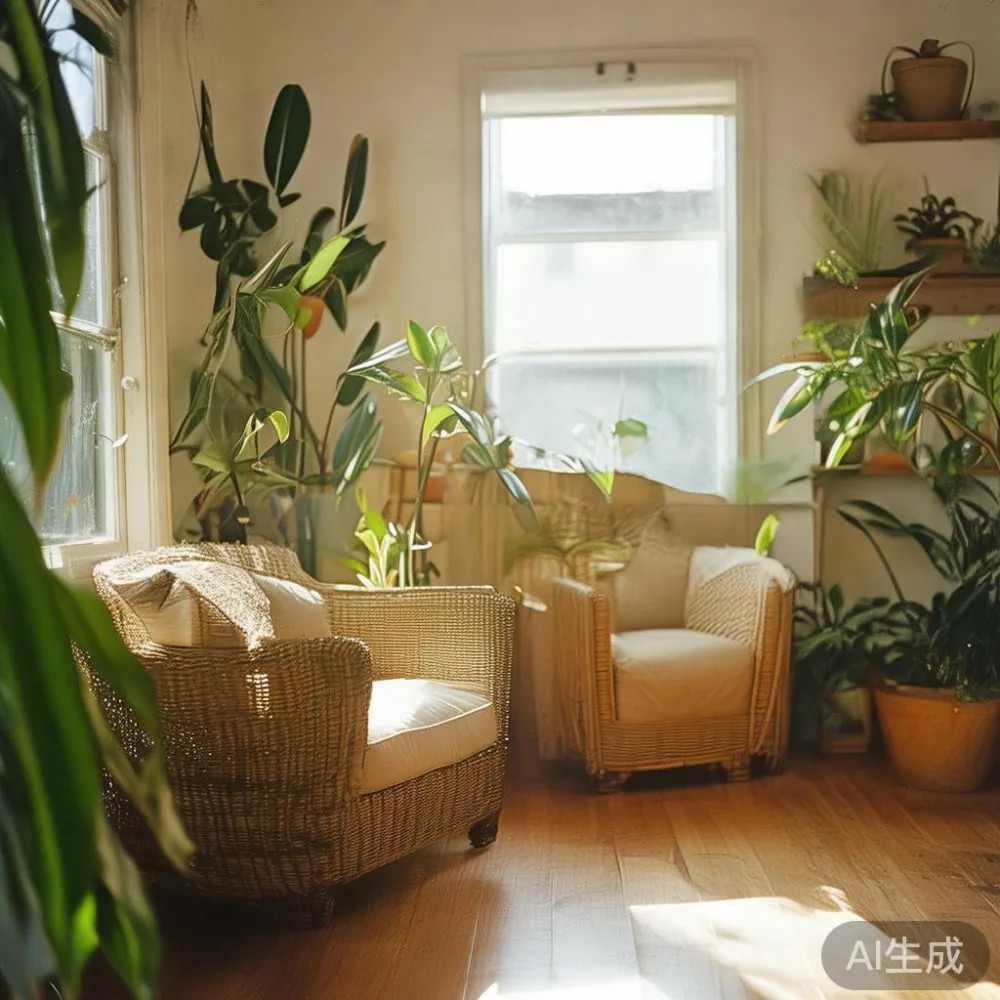
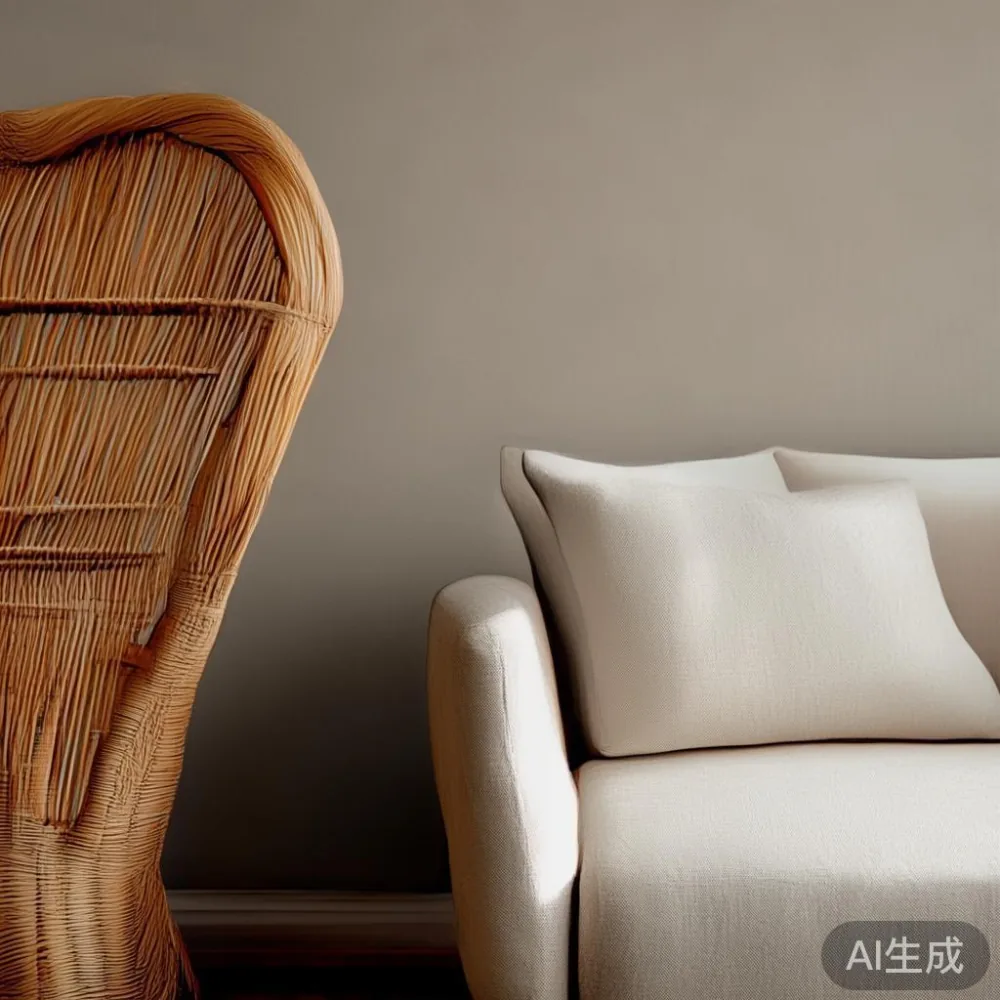
Real rattan wicker can bring lightness to a dining or lounge setting without using a large volume of timber. A 150 × 80 cm rattan wicker dining table may weigh 24–38 kg, compared with 55–85 kg for a similarly sized solid wood table. It may fit more easily through an 82 cm lift doorway and usually needs 2 movers rather than 3.
Rattan wicker also has its own maintenance profile. Natural rattan may dry unevenly in strong sun and should not be soaked. Finished rattan wicker can be wiped with a lightly damp cloth, but standing water can weaken fibres or distort frames. For a 60-month budget, allow SGD 120–300 for cleaning, tightening, and localized repair. A marble table introduces a third consideration: stone tops may weigh 70–140 kg and need specialist handling, but a properly installed marble dining table can remain in service for decades with careful use.
Mixed-material design can control both cost and weight. A rattan wicker dining table with solid wood legs, for example, may cost SGD 1,280–1,850 including GST and weigh 42 kg. A solid wood dining table with marble or marble-look elements may cost SGD 2,300–4,200 and weigh 90–125 kg. The lower handling burden of rattan wicker can produce savings at installation and removal, but it does not make the piece immune to damage.
For wardrobes, a rattan wicker-front design can reduce visual heaviness in an HDB bedroom while solid wood frames provide the structural core. Such a wardrobe might cost SGD 1,250–2,050 and weigh 68–92 kg. The relevant question is whether the rattan wicker panels are framed, replaceable, and made to the same movement tolerances as the surrounding timber.
Is solid wood worth the extra cost for a Singapore home?
Solid wood is more compelling when the furniture has visible edges, receives heavy daily contact, may be refinished, or is likely to move with a household. It is less financially decisive when a veneer piece has protected edges, sits in a dry room, uses a replaceable top, and serves a temporary role. In 5-year cash terms, the difference often ranges from SGD 600–1,500 for a bed frame and nightstand, SGD 700–1,500 for a dining table, and SGD 900–1,800 for a wardrobe.
Consider the buyer’s likely path. For a renter expecting to leave within 18 months, spending SGD 900 more on a wardrobe may not be recovered. For a family keeping the same Tampines flat for 8 years, a repairable solid wood wardrobe could remain useful beyond the comparison period. The calculation should include how often pieces are moved, how many people use them, and whether children or pets create higher wear.
Before purchasing, ask for the wood species, core material, veneer thickness, finish type, moisture expectations, joint construction, weight, dimensions, warranty coverage, and delivery price. Confirm the building’s lift dimensions and turning clearances. A delivery promise of 7–14 days should not override a physical access problem.
How do I choose between a veneer and solid wood sofa?
For a 220 cm three-seat sofa, a well-made veneer model may cost SGD 1,450–2,300 including GST, while a solid wood sofa may cost SGD 2,600–4,600. Add an allowance of SGD 150–350 for veneer repairs and SGD 200–450 for solid wood frame and finish maintenance over 60 months. The sofa’s cushions and upholstery will usually need replacement sooner than the frame, so budget SGD 450–900 for seat and back cushion renewal within that period.
The style question matters too. When comparing a French sofa vs Mid-century modern sofa, a French-style solid wood frame may suit carved details and a lighter room, while a Mid-century modern sofa may use cleaner lines that make veneer practical and visually quiet. A buyer looking for designer French provincial furniture should examine how joints, curves, and grain are handled rather than relying on a style label.
The same logic applies to beds. In a European bed vs French provincial bed comparison, European styling often emphasizes restrained structure, whereas French provincial details introduce curves, moulding, and decorative emphasis. A search for how to choose European bed should begin with clearance, mattress support, centre support, and access to the building—not only the headboard.
For a wardrobe, searches for the best Mid-century modern wardrobe for 2026 tend to focus on flush doors, integrated pulls, and modular storage. Ask whether the material continues across the carcass or appears only on the visible face. A MIDHILL wardrobe should be specified by internal layout, hanging rail load, shelf spacing, and hardware before finish colour is selected.
Which 5-year budget gives Singapore households more certainty?
A representative 5-piece project—220 cm solid wood sofa, queen bed frame, 180 cm dining table, 120 cm wardrobe, and 2 nightstands—can begin around SGD 6,750 including GST when veneer is used well. A comparable solid wood project may begin around SGD 10,600. Adding normal maintenance, one partial repair cycle, and occasional delivery differences produces roughly SGD 7,500–8,100 for veneer and SGD 11,100–12,000 for solid wood over 60 months.
The higher solid wood figure is not simply waste. It purchases more substantial material, repairability, and longevity beyond year 5. The veneer figure can also be sensible when budgets are fixed and the role of each piece is clear. The strongest decision is the one that matches the furniture’s use, the home’s access, and the household’s likely ownership period.
For a local example, consider a MIDHILL European light luxury bed with a solid wood frame measuring 160 × 200 cm. If it costs SGD 1,680 including GST, carries a 10-year structural warranty, and can be refinished during its life, its 5-year financial commitment may be approximately SGD 1,820–1,950 after care and one delivery. A comparable veneer bed at SGD 790 may reach roughly SGD 980–1,120 over the same period. The price difference is measurable, but the service life and after-care terms determine which figure becomes more useful over time.
Singapore buyers should compare like-for-like specifications, include 9% GST, measure access, and separate frame longevity from surface wear. Veneer can deliver disciplined value; solid wood can deliver stronger long-term retention and restoration. For furniture intended to remain in an HDB flat or condo through several moves, the more repairable construction often earns its place in a 5-year cost plan.