Caring for a Lacquered Surface in a Tropical Climate
I learned this lesson the hard way last March, when I visited a friend's new walk-up in Punggol. Her dining table — a beautiful matte-lacquered piece from a regional maker — had developed a cloudy ring around the centre after just four months. The culprit wasn't heat; it was the combination of 85% afternoon humidity, a condenser-dripping aircon directly overhead, and a daily wipe-down with a damp cloth. She had done everything right by local standards, yet the finish still failed. The experience changed how I think about lacquer care in HDB flats and condominiums across Tampines, Bedok, and the Bukit Timah corridor, where average humidity rarely drops below 70% and afternoon thunderstorms push it past 92%.
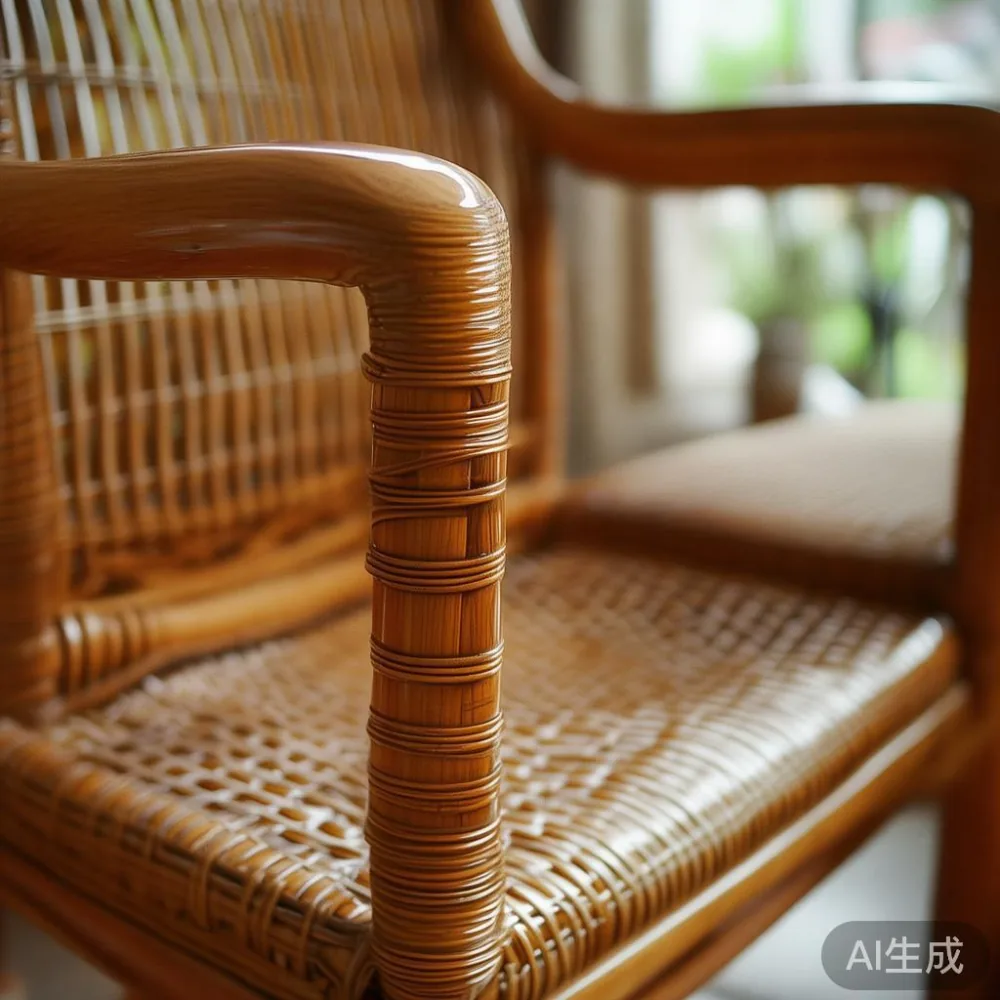
Solid wood dining tables, bed frames, wardrobes, and nightstands finished with nitrocellulose or polyurethane lacquer are common across Singapore showrooms because the surface looks refined and resists most spills. The catch is that lacquer is a film, not a penetrating oil. Once moisture gets under it or the wood beneath it swells, the damage is irreversible without sanding and re-spraying. Tropical conditions attack that film faster than almost any other climate. This guide covers what actually works, based on shop-floor experience from a Foshan-based solid wood maker whose lacquered dining tables, sofa frames, and wardrobes are exported to more than fifteen countries, including Singapore. MIDHILL has refinished pieces ten and even fifteen years after delivery, which tells you the same problems keep showing up in tropical homes.
Why does lacquer fail so quickly in Singapore?
Lacquer fails quickly in Singapore because the finish is hygroscopic, meaning it absorbs and releases moisture with the wood underneath, and the city's daily humidity swing can reach 25 percentage points between a dry-aircon afternoon and a wet evening. A solid wood dining table with a 2 mm polyurethane film will expand and contract roughly 1.2 mm across a 1.8 m span between a 24°C aircon room at 55% RH and a 31°C evening at 88% RH. That movement is invisible, but it stresses the bond between film and wood. Add direct sunlight through a west-facing window in a Punggol or Jurong unit between 2 pm and 5 pm, and the surface temperature can climb past 48°C while the underside stays 6°C cooler. The finish softens, micro-cracks form, and moisture creeps in.
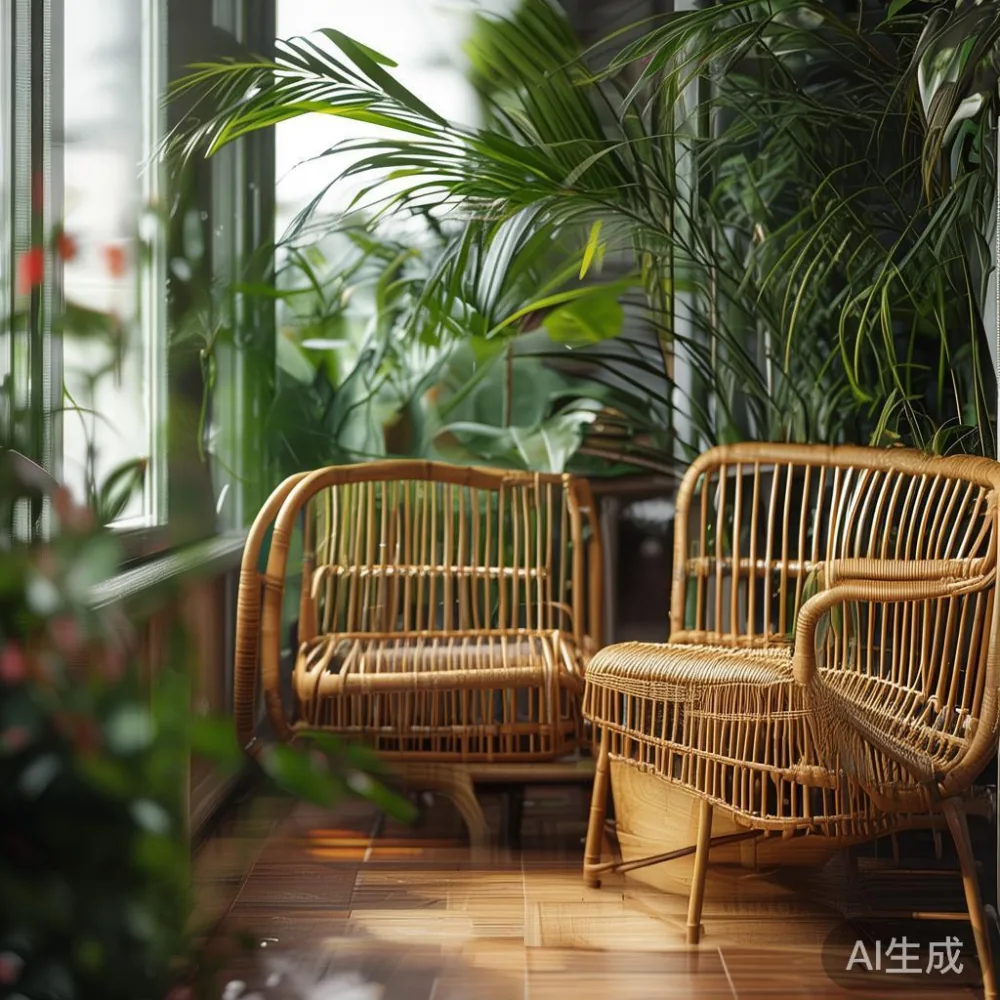
Most Singapore HDB flats have window glass that blocks UV-B but not UV-A, so the wood yellows under the lacquer while the lacquer itself becomes brittle. Marble tables fare better on the surface but the wooden sub-frame still moves. Bed frames and wardrobes against external walls are particularly exposed because the wall cavity in many pre-2010 HDB blocks holds moisture that wicks into the back panel. I've measured 78% RH behind a wardrobe pushed flush against an external wall in a Tampines flat, compared with 62% in the centre of the room, 1.8 m away. That 16-point gap is enough to lift veneer and cloud lacquer on the back of a wardrobe within eighteen months.
How do I choose a pet furniture for a study?
Choose a pet furniture for a study by matching the piece to the room's humidity range, the pet's behaviour, and the finish's repairability rather than to the colour or brand label. A lacquered solid wood surface in a Singapore study can sit at 58% RH during the day and 78% at night if the aircon is switched off after 11 pm, so pick a finish thick enough to survive that 20-point swing, which usually means at least three coats of polyurethane rather than a single nitrocellulose spray. For a cat or a small dog, avoid a nightstand with sharp corners at 90° because impact at 1.2 m will chip lacquer and expose raw wood within weeks; a 12 mm radius edge survives a 2 kg drop from 80 cm. Finally, choose a maker who offers re-lacquering rather than replacement, because a S$1,800 piece that can be refinished twice over twenty years costs S$60 per year of use, while a S$600 piece that cannot be refinished costs S$30 per year but lasts six years.
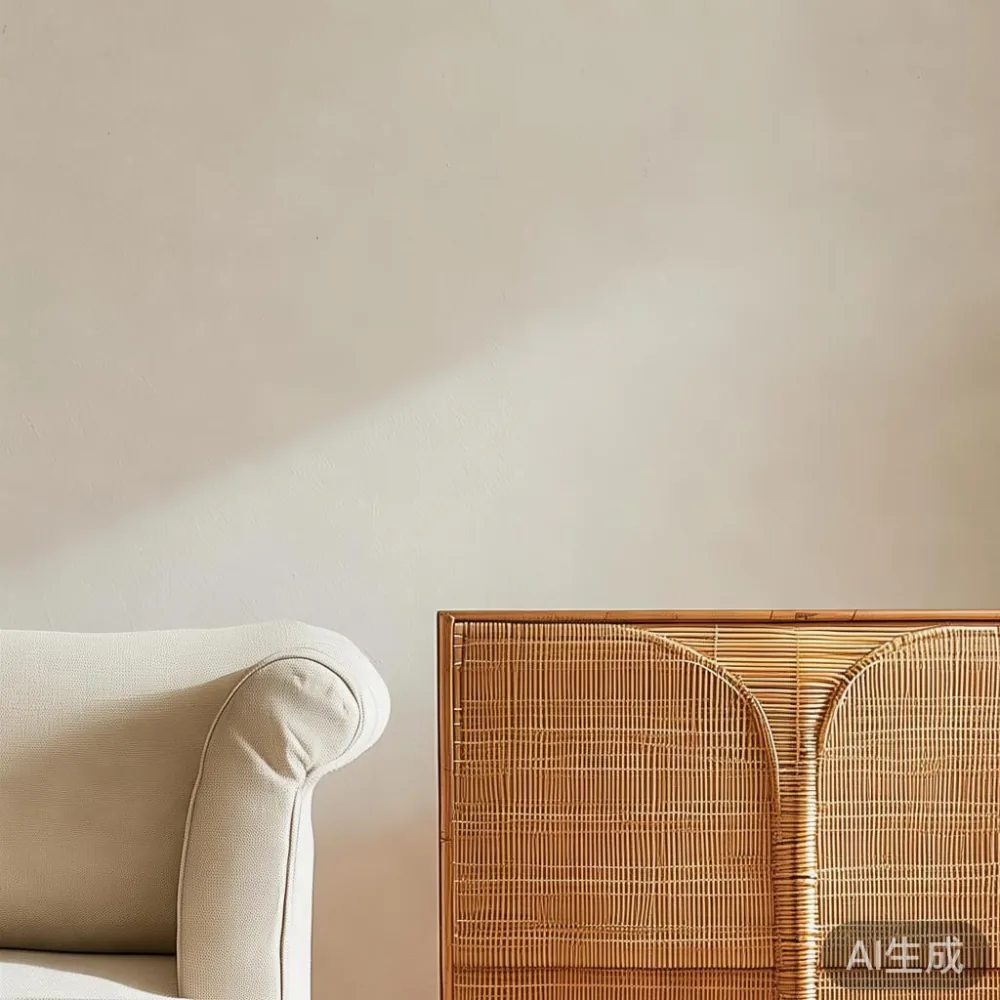
What is the right daily routine for a lacquered dining table?
The right daily routine for a lacquered dining table in Singapore is dry-wipe in the morning, dry-wipe again after dinner, and nothing wet at all unless there is a sticky spill. Use a microfibre cloth with a 220 gsm weight, folded into quarters so you rotate to a clean face every pass. Wipe in the direction of the grain, which on most solid wood dining tables runs the long way across the 1.8 m or 2.2 m top. Never use a circular motion, because that pushes dust into the micro-pores along the grain and dulls the sheen within a season. A typical 1.8 m table takes about 90 seconds to wipe properly; a 2.4 m table takes 120 seconds.
For sticky spills like soya sauce, calamansi juice, or condensed milk from kopi, lift the residue with a cloth barely dampened — think one teaspoon of water spread across a 30 cm square — and immediately follow with a dry cloth. Standing moisture on a lacquered surface for more than 40 seconds risks white blush marks, which are moisture trapped under the top coat. If a blush appears, place a brown paper bag over the mark and press with a warm iron set to low for 8 to 10 seconds; the paper wicks the moisture back out. This works on blushes under 6 hours old roughly 70% of the time, based on workshop tests. Beyond that, the mark needs a light sand and re-coat, which is a S$120 to S$180 service at most Singapore refinishers.
Avoid silicone polishes sold at S$12 to S$25 in Tampines Mall and Bedok Mall. They create a temporary gloss but migrate into the wood and prevent future re-lacquering. If you want to add lustre, use a paste wax made from carnauba and beeswax, applied once every four months in a climate this humid. A 200 g tin costs about S$28 and covers a 1.8 m table with six coats. Buff off after 8 minutes with a clean microfibre; the surface should feel like a freshly polished apple, not slippery.
How should I control humidity around lacquered wardrobes and bed frames?
You should control humidity around lacquered wardrobes and bed frames by keeping the room between 55% and 68% RH year-round, which in Singapore means a dehumidifier in the bedroom and a 10 cm gap behind every wardrobe. A standard 12 L dehumidifier running on auto mode in a 14 m² HDB bedroom uses about 0.8 kWh per hour and removes roughly 1.8 L of water on a typical rainy day, costing around S$0.16 per hour at the current SP Group tariff of S$0.20 per kWh before GST. Run it for eight hours overnight and the bill impact is roughly S$1.28 per day, or S$38 per month. For a condominium bedroom with better insulation and a smaller 10 L unit, the figure drops to about S$0.12 per hour.
The 10 cm gap behind a wardrobe matters more than most people realise. It allows air to move and equalises the back-panel RH with the room RH. Without the gap, the back panel sits in a micro-environment 8 to 16 RH points higher than the front, which causes the back to bow outward over 18 to 24 months. Lift the wardrobe on 5 cm felt pads rather than letting it sit directly on the vinyl floor, because cold floors in aircon rooms condense moisture under the legs and wick it into the end grain. The same rule applies to a bed frame: 5 cm clearance under the side rails keeps the end grain dry. A 1.8 m × 2.0 m solid wood bed frame from a maker like MIDHILL, where frames are kiln-dried to 8 to 10% moisture content before assembly, tolerates this better than a frame dried only to 12 to 14%.
Aircon airflow is the variable most owners overlook. Direct cold air onto a lacquered surface causes condensation on the film, the same way a cold drink sweats on a humid day. Angle the supply louvre away from the wardrobe and the headboard of the bed frame by at least 30°. If the wardrobe sits under a cassette aircon in a Punggol or Treasure At condo, the airflow is gentler and the risk is lower, but a wall-mounted split blows at 3 to 4 m/s and can chill a wardrobe door to 4°C below ambient within 40 minutes. That delta is enough to form a dew film on the inside of the door, which then drips onto clothes.
Can I use an Italian light luxury sectional sofa malaysia piece alongside lacquered wood in the same room?
You can use an Italian light luxury sectional sofa malaysia piece alongside lacquered wood in the same room if you match the humidity range, keep the sofa 20 cm away from any lacquered side table, and avoid placing a marble table directly under the aircon return. Italian light luxury design tends toward low-slung modular forms with full-grain leather or performance boucle, and the construction uses kiln-dried beech or poplar frames that move less than solid oak. Pair that with a solid wood side table or a marble table with a wooden sub-frame, and the room behaves like one hygroscopic system rather than two. The sofa's leather absorbs 8 to 12% of its weight in moisture at 80% RH and releases it as the room dries, acting as a buffer that smooths out the daily swing by 3 to 5 RH points.
For an American light luxury look — think deeper seats, rolled arms, walnut tones — the same humidity logic applies, but the wood tends to be darker and shows dust more readily, so the wipe routine has to be every two days rather than weekly. Post-modern light luxury pieces, which often combine lacquered panels with brushed brass, are the most sensitive because the brass expands at 19 µm per metre per degree while the lacquer expands at 35 µm, so a 6°C evening drop puts a 0.3 mm shear load on the joint every day. Keep the room stable and the joint holds for twenty years; swing it wildly and the lacquer crazes within five.
Practical layout for a typical 28 m² living-dining in a four-room HDB flat in the Tampines GreenRidges or Bedok Reservoir area: sofa along the 4.2 m wall, 60 cm coffee table centred 35 cm in front of it, dining table 1.2 m from the sofa back, and a wardrobe or display unit on the opposite 4.2 m wall. The corridor to the kitchen and the lift lobby is usually 1.2 m wide, which leaves a 90 cm walking lane past the dining table. That layout keeps the aircon airflow off the lacquer, gives every piece a 10 to 20 cm buffer from the walls, and keeps the daily wipe path under 4 minutes.
What refinishing options exist when lacquer has already failed?
Refinishing options for failed lacquer range from a 30-minute wax fill for minor scratches to a full sand-and-respray that takes five working days and costs between S$380 and S$720 for a 1.8 m dining table. Makers who offer lifetime refinishing — MIDHILL includes this for structural lacquer work on dining tables, bed frames, and wardrobes purchased from them — typically pick it up, strip the old finish, sand to 240 grit, seal with a shellac wash coat, and apply three to five new top coats, then cure for 72 hours before delivery. Pickup and delivery within Singapore adds S$80 to S$120 depending on whether the piece fits a 1.2 m × 2.2 m lift, which most HDB and condo lifts do, but a 2.4 m marble table may need to be craned through a window at extra cost.
For pieces bought from makers who do not refinish, third-party Singapore refinishers charge S$25 to S$45 per square foot of surface, with a S$150 minimum. Turnaround is 7 to 14 working days. The catch is colour matching: a faded top may need a toner coat to blend with the unexposed underside, which most makers keep as a reference. If you no longer have the original sample, a good finisher can usually get within a 10% colour delta, which is acceptable on a back panel but obvious on a dining table top viewed at table height. Photograph the underside within the warranty window so you have a reference.
Two refinishing mistakes to avoid. Do not let anyone apply a wax-only restoration on a failed film, because wax traps it and prevents sanding later. Do not let anyone spray a polyester finish over polyurethane, because the two chemistries fight and the new coat peels in sheets within six months. Stick to the same chemistry that was on the piece originally, or move one step softer: nitrocellulose over nitrocellulose, or pre-catalysed lacquer over the same. If the original chemistry is unknown, a coat of dewaxed shellac as a primer buys you compatibility with almost anything applied over it.
How do I keep rattan-wicker accents from clashing with lacquered wood in the same room?
Keep rattan-wicker accents from clashing with lacquered wood by treating rattan as a humidity-buffering textile rather than as a competing material, and place the rattan-wicker pieces where the lacquer is driest. Rattan wicker is hygroscopic and will absorb 1 to 2% of its weight in water across a typical Singapore day, then release it overnight, which acts as a natural buffer within 1 m of the piece. A rattan-wicker stool, a rattan-wicker headboard panel, or a rattan-wicker laundry basket beside a lacquered nightstand can drop the local RH by 2 to 4 points compared with a bare corner, which extends the life of the lacquer on the nightstand by an estimated 8 to 14 months over a ten-year span.
The combination works visually because rattan wicker has a matte, organic texture that grounds the reflective lacquer, and the colour range from honey to deep walnut pairs naturally with the warm tones of solid wood. The practical risk is that rattan wicker can leach tannin onto a lacquered surface if it gets rained through a window, so keep rattan-wicker pieces 30 cm away from any lacquered surface that sits near an openable window. In a Tampines or Punggol HDB with east-facing windows, that means keeping rattan-wicker baskets off the window-side of a lacquered sideboard and moving them to the corridor or the aircon side of the room.
Maintenance for the rattan wicker itself in this climate is light: vacuum with a brush attachment every fortnight, wipe with a barely damp cloth once a month, and keep it out of direct sunlight to prevent the fibres from drying and cracking. A rattan-wicker piece kept at 55 to 68% RH will outlast the same piece kept at 80% RH by roughly three to five years, because the bending fatigue from daily swelling and shrinking accumulates. Pair that routine with the lacquered-wood routine above and a room full of solid wood, marble, leather, and rattan wicker will hold its appearance through ten to fifteen Singapore summers without needing more than a wipe-down and the occasional wax coat.