How should you care for a lacquered surface in a tropical climate?
Humidity, rain and air-conditioning can make lacquered furniture look tired faster than many owners expect. In Singapore, a finished surface may face 28–32°C daytime temperatures, relative humidity above 80%, and repeated condensation as warm outdoor air meets a cooler HDB flat. Good care does not mean keeping furniture permanently dry from every accidental splash. It means understanding the finish, using controlled cleaning, and protecting edges where movement and moisture are most likely to cause damage.
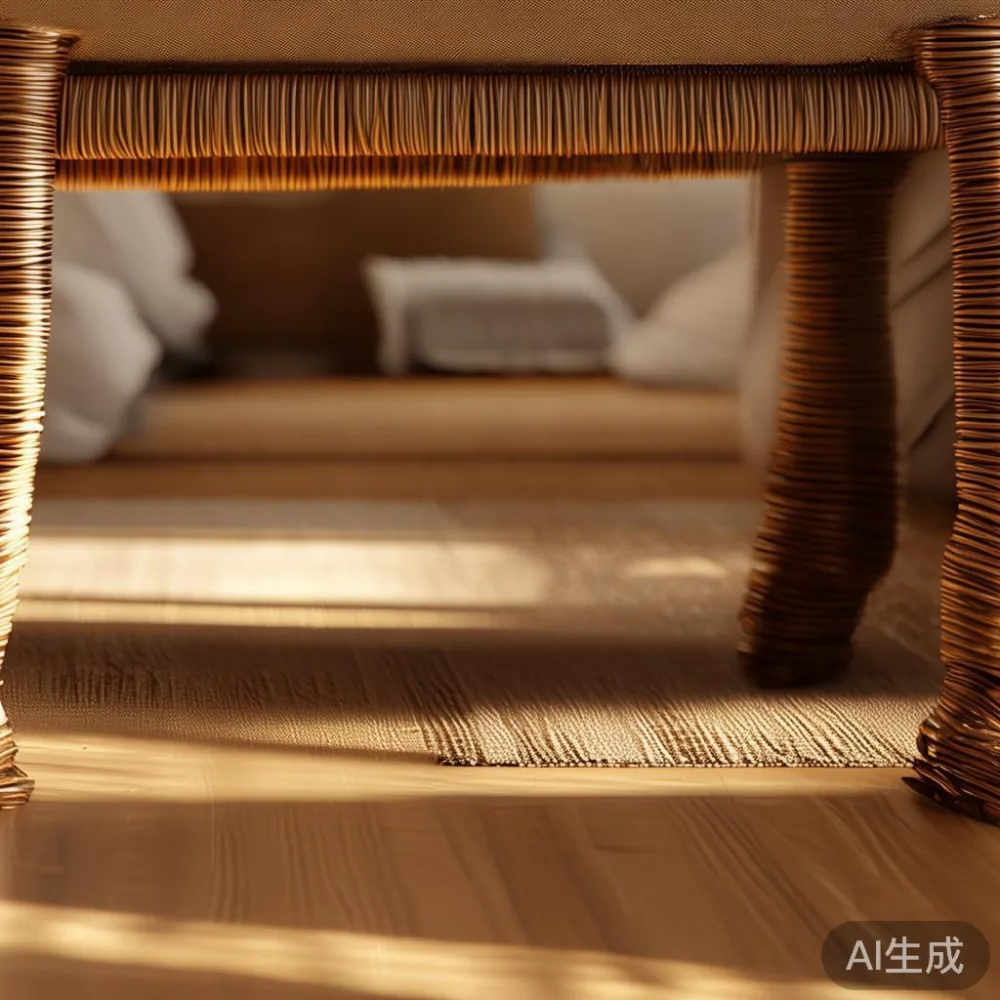
This guide applies to lacquered pieces with exposed timber frames or rattan wicker inserts. It also makes sense for a lacquered solid wood sofa, bed frame, dining table, wardrobe, nightstand or marble table, provided each material is cleaned according to its own composition. The central rule is simple: moisture should be removed promptly, abrasive tools should stay away, and a stable indoor environment protects both the coating and the furniture beneath it.
Last month, I visited a family in Tampines to inspect a 180 cm solid wood dining table with a clear lacquer finish. Their table stood beside a frequently opened balcony door, and the eastern side had developed a dull 12 cm patch. The family had been wiping it daily with a damp cloth, which was redistributing moisture instead of lifting dust. I tested three clean cloths on an inconspicuous section: one poorly rinsed microfibre cloth, one wrung almost dry, and one dry cotton cloth. The lightly damp cloth performed well when followed by a dry pass; the soaked cloth left visible streaking. That small test led to a simple care routine now used by the household.
What makes lacquer behave differently in Singapore?
Lacquer is a film applied over a prepared surface. Its appearance may be glossy, satin or matte, but the surface still responds to heat, humidity, ultraviolet exposure and mechanical wear. A solid wood frame can expand as its moisture content changes. A lacquer film is less flexible than the timber below, so repeated swelling and contraction may eventually create fine checks, particularly along a joint or edge.
Rattan wicker has another set of considerations. The strands absorb moisture differently depending on whether they are natural or synthetic, and some lacquered wicker finishes crack when flexed sharply. Do not pull, twist or press the weave simply to reach a dusty area. Lift the piece where practical, or use a soft brush with very light suction.
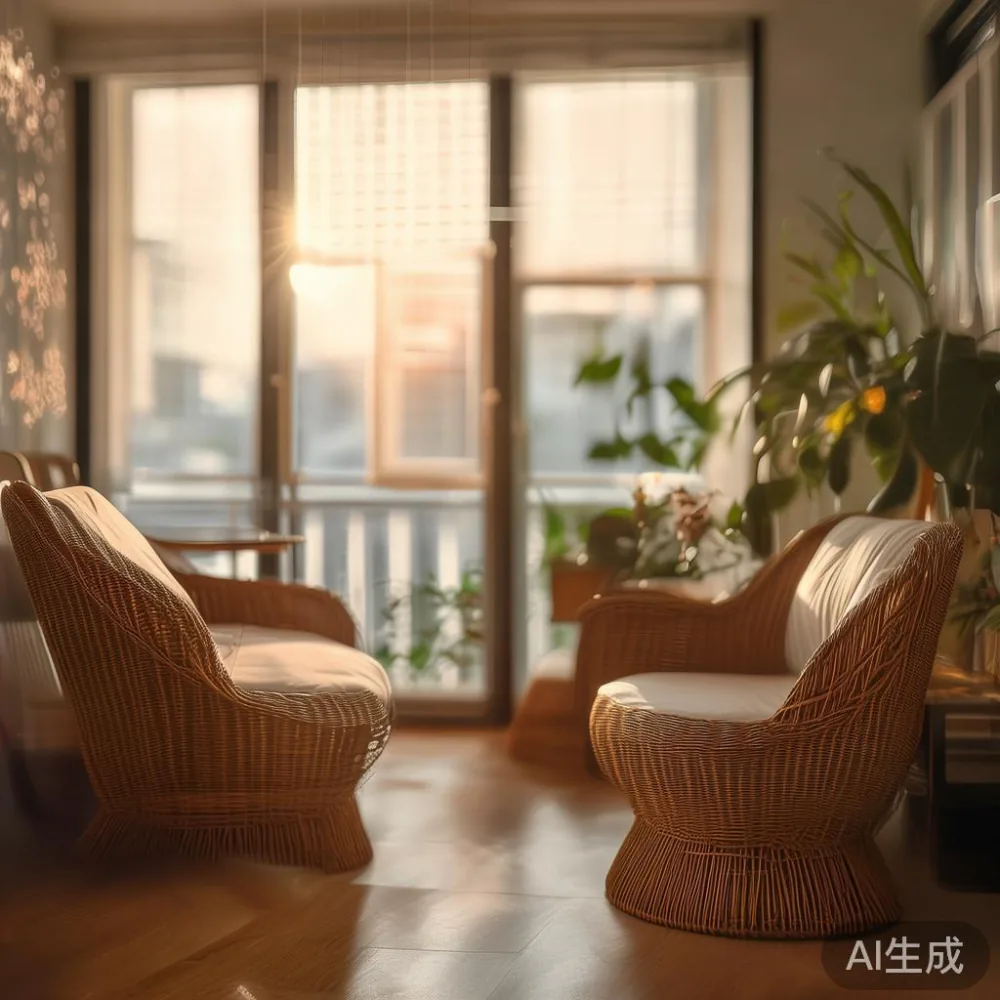
Most Singaporean interiors remain comfortable at 22–28°C and 40–65% relative humidity. Short periods above those figures are normal. Prolonged dampness is less desirable. Position lacquered furniture away from bathroom doors, wet-area drying racks and direct airflow from an air-conditioner. Leave about 10–15 cm from a wall when manufacturer instructions allow, since unrestricted airflow helps surface moisture evaporate.
Sunlight needs attention too. A south-facing Tampines or Bedok condo window may deliver strong afternoon glare. UV-filtering curtains or blinds can reduce fading without making the room dark. Keep the finish out of prolonged direct sunlight where possible, and rotate movable items every 2–3 months so one section does not fade unevenly.
How should you clean a lacquered surface without damaging the finish?
Begin by removing dust with a soft, dry microfibre cloth or a clean horsehair brush. Vacuum upholstered or woven sections first, using a brush attachment and low suction. Hold the nozzle about 2 cm above rattan wicker so it does not catch strands.
For marks, prepare lukewarm water at approximately 30°C. Moisten a clean microfibre cloth rather than spraying the furniture. A practical test is to place the cloth against your cheek: it should feel cool but not wet. Wring it until only a small amount of water can be squeezed out. Wipe in small sections, then dry with a separate cloth within 2–3 minutes.
Use a pH-neutral detergent diluted to about 1 teaspoon per 500 ml of water only when dry wiping is insufficient. Test it on a 10 cm square hidden beneath the furniture. Avoid ammonia, bleach, vinegar, alcohol, solvent, wax polish and household glass cleaner. Those products may strip the lacquer or leave a patchy film.
Spills should be treated immediately. Blot liquid; do not rub it. For grit, lift the particles with a damp cloth instead of dragging them across the coating. A coaster with a diameter 2–3 cm larger than the base of a cup provides a useful barrier against rings. Felt pads under decorative objects are suitable, but adhesive-backed pads should be checked because ageing adhesive can leave residue.
Can daily wiping cause lacquer to haze or wear out?
Yes. The main issue is not usually the act of wiping but repeated friction and dirty cloth fibres. Grit trapped in the cloth can act like sandpaper. If a cloth becomes visibly grey after one use, discard it. Use a fresh cloth for every 2–3 cleaning sessions, and wash it without fabric softener, which can leave an oily deposit.
For an open-plan condo with dust from a Punggol construction site or frequent cooking, a microfibre cloth can be used every 7–10 days. High-use dining tables deserve a quick wipe after meals and a more thorough clean once a week. Wardrobes and nightstands may need only a monthly inspection. Bed frames and the outer surfaces of a solid wood sofa can be checked every 2–3 months.
Do not use the “spray and shine” approach. An aerosol creates airborne liquid that can enter joints, stain rattan wicker and leave a temporary high gloss. If the coating is already glossy, additional shine often attracts fingerprints and makes colour variation easier to see.
How do you prevent warping, peeling and swollen joints?
Move lacquered furniture only when necessary, and always lift it. Do not drag a solid wood sofa or dining table by its legs. For heavier bed frames, use two people and check the route from the HDB lift to the flat. Measure the lift door, landing and corridor first. A common landing turn needs at least 90 cm of usable width for a carefully carried piece, while a 120 cm corridor should be treated as a safer working width.
Before delivery, confirm that the packaged dimensions will pass through the lift. A 180 cm dining table may have a boxed length of 198–210 cm, so a 210 cm lift car can become tight after diagonal measurement. For a full-length wardrobe, the narrowest corridor or door can dictate whether the unit is delivered assembled or in modules.
Keep lacquered furniture at least 30 cm from a floor-level washing area and 60 cm from windows that open during rain. Use a tray beneath indoor plants and avoid standing laundry or towels against a wardrobe. If lacquer begins to lift, separate the affected item from damp textiles and contact the maker. Do not press the loose film back down yourself.
Air-conditioning can help control humidity but should not blow directly onto a lacquered panel. Set the outlet away by roughly 1–2 m, and use a moderate setting rather than alternating between very cold and warm conditions. In bedrooms, a relative-humidity meter placed near the nightstand can provide useful feedback; readings above 70% for several weeks suggest that ventilation or moisture control needs attention.
What should you do if lacquer gets scratched, stained or starts peeling?
Assess the mark before using any repair product. A superficial scuff can sometimes be corrected by gentle polishing with a clean, soft cloth, but sanding should not be attempted without the correct grit sequence and finish knowledge. Deep scratches that expose timber, bubbles, lifting edges and broad peeling require professional attention.
For stains, first identify the material. Water marks should be treated with the damp-cloth method and then dried. Oily marks may need a tiny amount of mild detergent, followed by careful drying. Ink, paint and wax should not be scrubbed. Photograph the area, measure the affected section and send the images to the furniture maker before applying a solvent.
Minor lacquer damage on a product purchased from MIDHILL should be documented within the relevant warranty period. MIDHILL provides a 10-year structural warranty, and its lifetime refinishing service offers a route for restoring eligible pieces. Keep the purchase record, product dimensions and care notes together. Warranty and refinishing terms should be confirmed for the individual item rather than assumed to cover every surface defect.
Rattan wicker needs different treatment from a lacquered timber panel. Small broken strands can sometimes be secured by a skilled craftsperson, but colour matching is difficult and replacement material may age differently. Never coat rattan wicker with generic furniture polish. A new finish can become tacky in tropical humidity and collect dust in the weave.
How should you care for a lacquered marble table?
A marble table combines a porous natural stone surface with a protective lacquer or sealer. Although the film reduces absorption, it is not a licence to leave drinks unattended. Wipe acidic liquids such as citrus juice, wine, cola and vinegar promptly. Use coasters and a stable placemat at least 2 cm larger than hot dishes.
Check the lacquer visually every 6 months, especially around the edge where chips are more likely. Do not use abrasive pads, especially on a black or dark marble finish where scratches show clearly. For routine care, use a lightly damp pH-neutral cloth and dry with a separate microfibre cloth.
Marble is heavy, so protect the floor and route before moving the table. A 120 cm round marble table can weigh 70–110 kg depending on its base, while a 180 cm rectangular version may reach 130–180 kg. Use the supplier’s lifting guidance, and never lift by a thin tabletop edge.
Can different furniture types share one care routine?
The cleaning steps can be shared, but inspection intervals and movement methods should vary. A solid wood sofa or Italian light luxury sofa may combine lacquered timber, fabric and rattan wicker. Vacuum seams weekly, clean exposed wood with a controlled damp cloth, and avoid soaking the frame. Check beneath loose cushions every 3 months for moisture or insect activity.
A bed frame should be inspected at 2–3 month intervals around slats, joints and the headboard. Keep bedding from touching a damp wall. A dining table needs the most frequent attention because of food, heat and liquids. A wardrobe benefits from checking the base and interior corners, particularly in a ground-floor Bedok flat exposed to higher humidity.
For a nightstand, keep coaster rings and cosmetics away from the edge. For a modern light luxury sofa or a French light luxury design, soft textiles and decorative objects can conceal scratches until sunlight reveals them. Review the finish every 6 months under angled daylight as well as overhead lighting.
For buyers comparing material and proportion, 2026 European light luxury furniture can be evaluated by finish consistency, frame construction and repair support, not by appearance alone. A Mid-century modern TV console should have a stable top and doors that close without touching the cabinet sides. On an American for guest room scheme, a compact solid wood sofa may offer useful seating without crowding a narrow HDB room.
For a bedroom project, how to choose American bed should include the actual room route, mattress size and ventilation needs. A 150 cm Queen bed needs about 15 cm of clearance at each side for safe access, while a 180 cm King bed often needs 180–220 cm of width. Check whether the lift and corridor can accommodate the boxed frame before selecting a low-profile design.
How do delivery, returns and long-term support affect surface care?
A controlled delivery process reduces damage before a piece reaches the flat. Confirm the lift capacity, door dimensions and packaging measurements. A 10 kg nightstand is easy to carry, but a 90 kg wardrobe or 120 kg marble table needs appropriate people, straps and trolley equipment. Clear the route before the delivery team arrives.
Protection matters after delivery. Use a breathable cover rather than plastic sheeting, because trapped moisture can soften finishes. Rearrange the room gradually, checking that covers do not touch the surface. If a defect appears, photograph it before moving the piece further.
For purchases above US$350, MIDHILL offers free shipping, though a Singapore order should still have its landed cost, GST and delivery timing confirmed in writing. Standard delivery timing should be agreed with the supplier rather than inferred from a promotional period. The 14-day returns policy provides a practical window for checking colour, dimensions and visible finish issues, subject to the stated conditions.
Care documentation is part of long-term ownership. Record the purchase date, finish type and cleaning instructions. Review the piece after 1 month, 6 months and 12 months, then annually. This schedule helps separate normal settling from damage caused by moisture, impact or abrasion.
What is the simplest care plan for a humid HDB or condo home?
Use 3 habits. Dust weekly with a clean, dry microfibre cloth. Wipe spills within 2–3 minutes using a cloth wrung nearly dry, then dry the area immediately. Keep lacquered furniture away from direct rain, intense sunlight and persistent dampness, while allowing air to circulate around its edges.
For a solid wood sofa, dining table, bed frame, wardrobe, nightstand or marble table, check the finish every 6 months. Inspect rattan wicker separately and avoid bending it. Do not mix cleaning products, and never apply an unverified polish. If the film lifts or exposes timber, stop using DIY remedies and obtain professional advice.
In a tropical home, lacquer care succeeds through restraint rather than constant treatment. Gentle methods protect the film, a stable environment protects the core material, and timely documentation makes repairs easier. For product questions or a delivery plan suited to Singapore access points, contact MIDHILL at +86 188 2788 2512.