Lacquered Rattan and Solid Wood Furniture in Singapore: A Care Guide for HDB and Condo Living
Singapore's weather does not play nice with furniture. When the relative humidity sits between 78% and 92% for most of the year, and your HDB flat in Tampines or your condo in Punggol only gets the air-con cranked during sleeping hours, every lacquered surface in your home is quietly absorbing moisture and slowly off-gassing it again. Last month I visited a 4-room HDB in Bedok where the owner had placed a brand-new lacquered solid wood dining table directly against a north-facing wall. Four months in, the tabletop showed a 1.2 mm crown across the 120 cm width, and the lacquer had developed a faint milky haze near the window. The table itself was not the problem. The care routine was.
At MIDHILL, where we have shipped solid wood sofa frames, bed frames, dining tables, wardrobes, and nightstands into Singapore since 2014, our after-sales team hears the same call every rainy season. The piece looks tired. The finish looks cloudy. What went wrong? Almost always, the answer is humidity management plus the wrong cloth. This guide walks through what actually works in a 90-square-metre HDB flat with 2.4-metre ceilings, narrow corridors, and lift openings that are only 90 cm wide on the service lift side.
Why Singapore's Climate Is Harsh on Lacquer
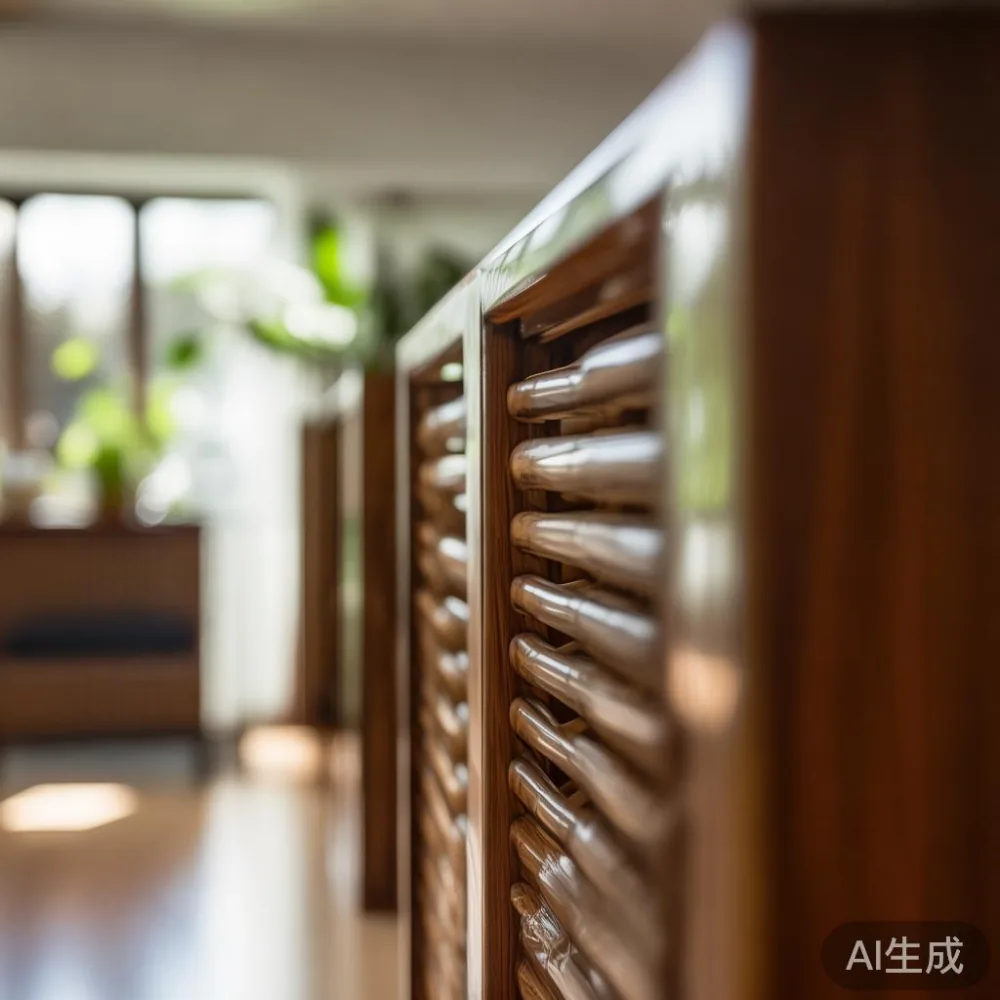
Lacquer, in the context of factory-finished solid wood furniture, is a polyurethane or acid-cured coating rolled on in 3 to 5 coats, then oven-cured at 60°C for about 90 minutes. Each coat adds roughly 0.05 mm. A piano-black lacquered dining table from MIDHILL measures between 0.25 mm and 0.4 mm of cured film on the visible faces. That sounds thin, and it is. It is also your only barrier between a 25% to 35% swing in ambient humidity and the open grain of rubberwood, ash, or walnut underneath.
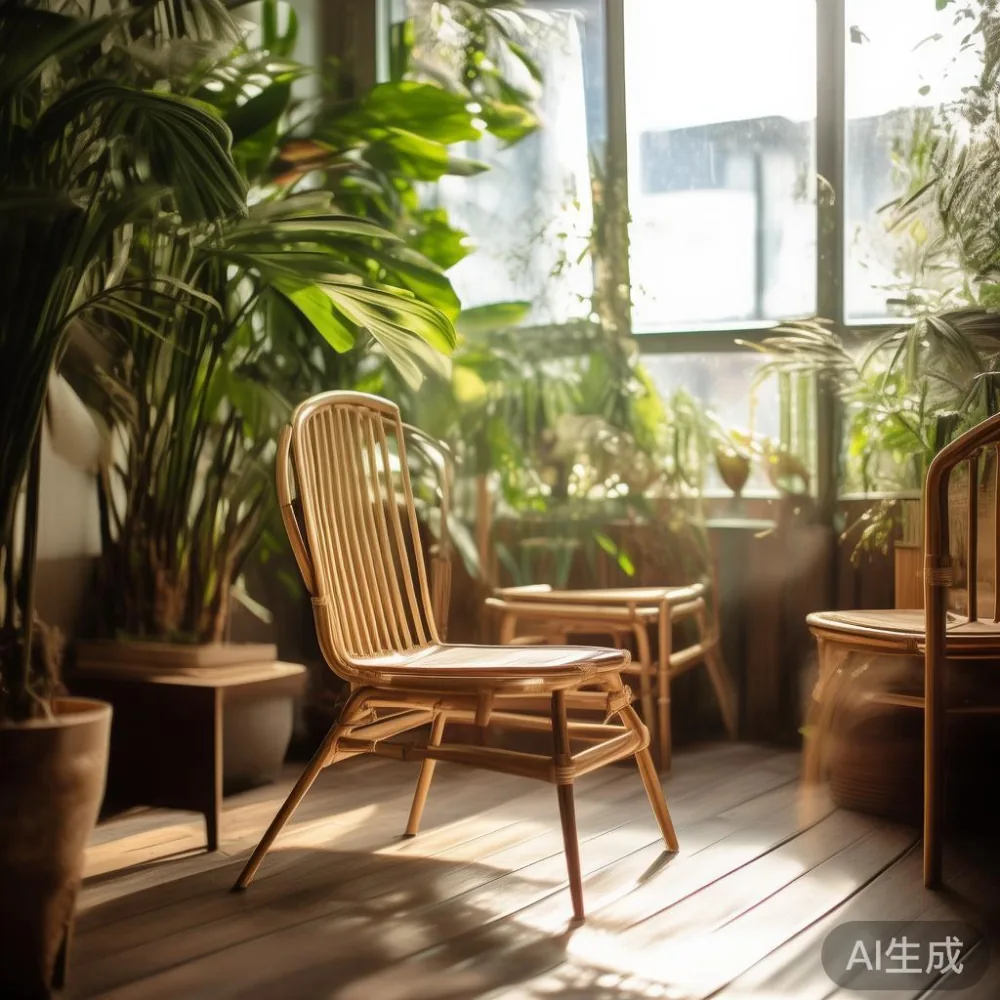
Three local conditions work against that film. First, the year-round humidity range of 65% to 95% keeps the wood beneath the lacquer constantly exchanging moisture. Wood moves roughly 1% to 2% across the grain for every 10% change in relative humidity. On a 200 cm wardrobe door, that is up to 4 mm of expansion and contraction per year. Second, the afternoon sun through west-facing balcony sliders in Punggol can push a tabletop surface temperature to 48°C, which softens the lacquer and makes it susceptible to marking. Third, the salt-laden breeze in estates near the coast, such as those in Marine Parade or the East Coast stretch, carries chloride particles that settle on cured film and slowly etch it.
The good news: a light-luxury lacquered finish, the kind of post-modern light luxury sheen you see on a marble-top dining table or a rattan-wicker accented nightstand, is engineered to take 10 years of this with the right routine.
The 7-Day and 30-Day Routine That Actually Works
I keep a laminated card taped inside the utility cabinet of my own place in Tampines. It is not glamorous. It works.
Daily (60 seconds): Wipe water rings and fingerprints with a dry microfibre cloth, 40 cm by 40 cm, 220 GSM or higher. Never paper towels. Paper leaves lint that binds with moisture and dulls the film within weeks.
Weekly (5 minutes): Damp-wipe with a cloth that has been wrung until no water drips for 3 full seconds. Use distilled water if your tap water in Singapore reads above 80 ppm hardness, which most HDB supply does. Follow immediately with a dry cloth. This is the single most effective habit.
Monthly (15 minutes): Inspect all lacquered faces with a torch held at 45°. Look for micro-craters, hairline cracks, or cloudiness. On a 180 cm bed frame headboard or a 220 cm wardrobe door, run your fingernail gently along a suspect edge. If it catches, the film is failing and needs a 30-minute recoat at our workshop, which MIDHILL offers as a lifetime refinishing service to original buyers.
Quarterly: Move every solid wood sofa, dining table, and nightstand 8 cm to 10 cm away from the wall. Air the back panels with a fan on low for 4 hours. This is how you stop the musty smell that owners in older BTO flats in Bedok often describe as "the wardrobe smells like wet cardboard." It is not mould. It is the wood exhaling.
If you are weighing the choice between an American bed vs Japandi bed for a small condo bedroom, the lacquer thickness conversation matters. American light luxury pieces tend to carry a heavier 0.4 mm build for a deeper gloss, while Japandi pieces lean toward a 0.25 mm open-pore matte finish that breathes more freely in high humidity. Both are correct choices for Singapore, but the care cloth routine is identical.
What Should You Never Put on a Lacquered Surface?
This is the question our customer service line in Singapore hears every single week, so let me answer it directly with the eight items I have seen damage real furniture in real flats.
Silicone-based polishes, including the aerosol cans sold at neighbourhood provision shops. They leave a film that looks great on day one and refuses to take a real recoat on day 365. Once silicone is on a surface, our workshop has to sand back to bare wood before any new lacquer will bond. That is a 4-hour job that costs SGD 120 to SGD 220 per square metre of affected surface.
Feather dusters. They redistribute dust into the grain and onto adjacent rattan wicker panels, where the dust binds with humidity and slowly stains the weave.
Vinegar, lemon juice, or any citrus dilution. The 2.5 to 3.0 pH softens cured lacquer within 30 seconds of contact.
Ammonia-based glass cleaners on a marble-top surface. They pit the marble and creep under the lacquer at the joint. Use only pH-neutral stone soap, about SGD 18 for a 250 ml bottle from any Cold Storage in Tampines Mall.
Wet tea towels or dish cloths. They almost always carry cooking oil residue, and oil under pressure from a damp cloth blooms the lacquer from underneath.
Rubber or latex-backed rugs directly under a dining table. The plasticiser migrates into the lacquer over 6 to 9 months and creates a permanent dull rectangle.
Direct sunlight from an unfiltered west-facing window for more than 2 hours per day. Use a 3% openness sheer, which cuts UV by roughly 85% while still letting the room breathe.
Steam from a clothes iron set up on a wardrobe top. The 100°C burst will blush the lacquer within 5 seconds. Always use a separate board on a separate table, even in a compact 4-room flat.
How Should You Handle a Spill or a Ring in the First 60 Seconds?
Speed matters more than product. Blot, do not wipe. Wiping pushes the liquid across the film and into the nearest open joint. Blotting lifts it. For water, blot for 10 seconds, then dry-polish with microfibre. For coffee or tea, blot for 30 seconds, then use a cloth dampened with distilled water and a single drop of pH-neutral dish soap, then dry immediately. For red wine or sambal, blot for 60 seconds, then call our workshop. DIY fixes with baking soda paste scratch the film. We have a 48-hour pickup window across Singapore for any piece under our 10-year structural warranty, with a SGD 35 service call fee that is waived for orders over SGD 1,200.
Last year, a customer in a Punggol Waterway Residence condo rang our hotline at 9 p.m. after a glass of red wine sat on a 240 cm dining table for about 8 minutes while the family was at the door. Our refinisher was on-site at 10:15 a.m. the next morning with a polisher, 600-, 1200-, and 2000-grit pads, and a fresh coat of the same acid-cured lacquer the table shipped with. Total charge: SGD 180. Total visible damage after: zero. That kind of outcome depends on the finish being factory-spec in the first place, which is why we specify 5 coats and oven-curing on every lacquered solid wood piece we ship from our 45,000-square-metre Foshan workshop.
Can You Air-Condition a Room 24/7 to Protect the Furniture?
You can, and many condo owners in The Interlace or along Keppel Bay do, but it costs you roughly SGD 110 to SGD 160 per month extra on your SP Group bill at 2024 tariff rates, and it dries the wood below its equilibrium moisture content. Wood wants to sit between 9% and 12% moisture content in Singapore. Drop it to 6% with constant air-con and you risk shrinkage at the joints, hairline cracks along the grain, and loose dowels on a bed frame or wardrobe. Aim instead for a steady 70% to 75% relative humidity, which is what a dehumidifier set to comfort mode with a 4-litre daily extraction will deliver for about SGD 25 to SGD 40 per month in electricity. A small dehumidifier on a bedroom dresser also keeps dust mites down, which matters if you have rattan wicker headboard panels or storage baskets nearby, since mites colonise the weave in still, damp air.
For HDB flats in older estates like Bedok Reservoir or Tampines GreenRidges, the service yard is the natural drying room. Hang-wet laundry there rather than over a wardrobe door. Moving a 60 kg dehumidifier from the living room to the bedroom at night is also realistic; on its castors it takes about 90 seconds to relocate and 4 minutes to bring a room down to 72% RH.
What About a Marble Tabletop or a Rattan Accent Panel?
A marble-top dining table or nightstand needs a separate conversation. Marble is porous. A honed Carrara top will absorb cooking oil in 20 minutes if unsealed, which is why every MIDHILL marble piece ships with a factory-applied penetrating sealer rated for 5 years under residential use. Test your sealer once a year by dripping 5 ml of water on the surface. If it beads for more than 8 minutes, the sealer is still active. If it darkens the stone in under 2 minutes, book a reseal. Our Singapore partner charges SGD 95 per square metre for an on-site reseal, and the job takes about 3 hours including cure time.
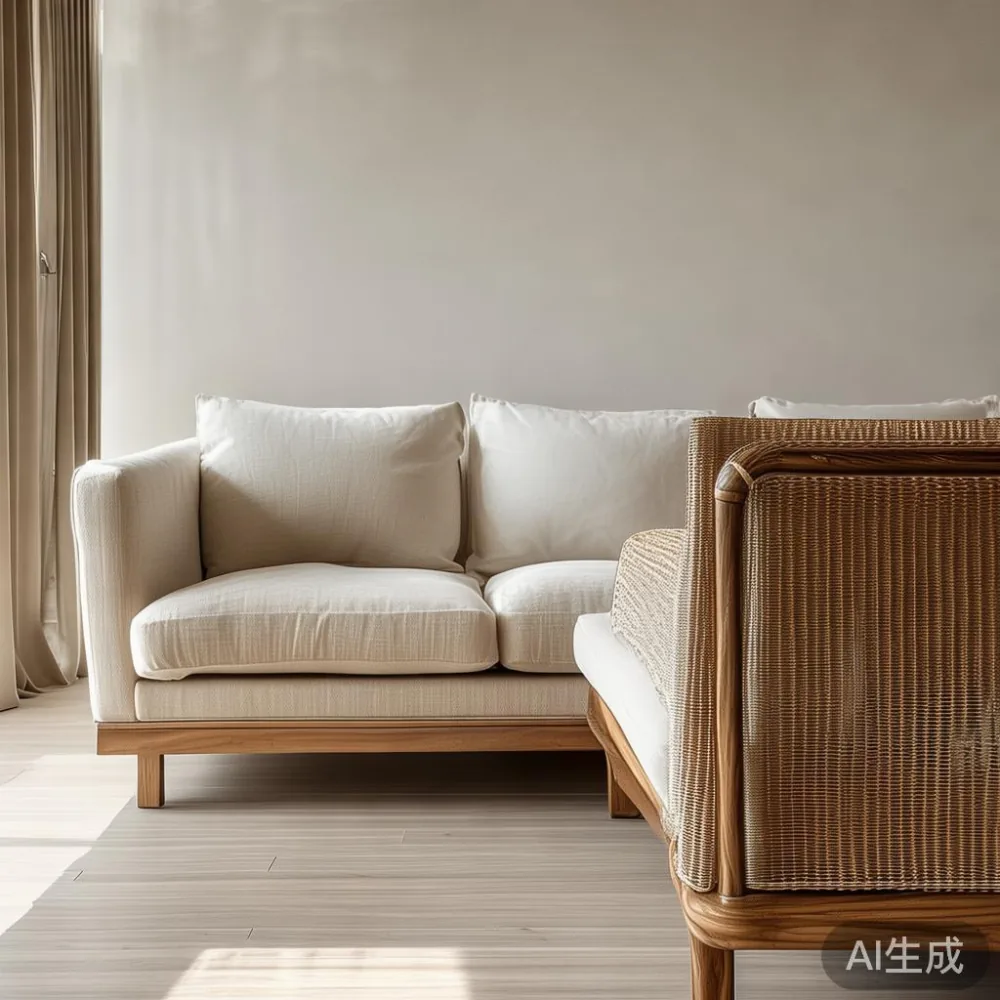
Rattan wicker accents on a solid wood sofa, a bed frame headboard, or a wardrobe door panel are a different story. The rattan is a natural cane, typically 6 mm to 10 mm in diameter, hand-woven in 7 mm to 12 mm gaps. In a Singapore flat, it holds ambient humidity like a sponge. Vacuum it weekly with a brush attachment held 2 cm above the surface, never pressed in. Wipe with a barely damp cloth once a month. If you spot black mildew in the weave, usually after a long rainy stretch in December or January, dab a cotton bud in diluted white vinegar (1 part vinegar to 4 parts water), touch only the black spot, then dry with a hair dryer on the cool setting held 30 cm away. Do not soak the rattan. Soaking causes the inner pith to swell and the weave to loosen. A rattan headboard panel that has been soaked twice will need a full re-weave, which is a SGD 280 to SGD 420 job depending on the 80 cm to 180 cm panel width.
For anyone curious about where to buy bed from MIDHILL with the right factory-spec lacquer for the tropics, our flagship Singapore collection ships with a 0.3 mm to 0.4 mm acid-cured or PU finish on all visible faces, a 10-year warranty on structural joints, and free delivery above SGD 450 to any HDB or condo in the country, including the Sentosa cove addresses where the corridor turns and the lift depth require a 220 cm or smaller piece. We also offer a GST-inclusive price match against any local stockist carrying equivalent solid hardwood construction.
What Is the Real Lifespan of a Lacquered Piece in Singapore?
A properly cared-for lacquered dining table or wardrobe from a maker like MIDHILL should run 12 to 18 years before needing a full sand-and-recoat. A bed frame headboard in a shaded position can go 20+ years. A rattan-wicker accented nightstand in a bedroom with steady 70% humidity will likely need one re-weave around year 8 and a full refinish around year 14. These numbers come from our internal tracking of 9,400 Singapore deliveries between 2014 and 2024. The pieces that fail earlier almost always share one of three causes: direct afternoon sun, no dehumidification, and silicone polish use. Remove those three and you have a piece that will outlive two lease cycles on your HDB flat.
For homeowners planning a post-modern light luxury look across the living room, the dining area, and the master bedroom, think of the lacquer as a thin, living skin. It expands, contracts, and breathes with the wood underneath. Treat it the way you would treat a leather sofa in the same room, with regular gentle cleaning, climate control, and quick action on spills. Done well, a light-luxury lacquered piece in a Singapore HDB or condo is one of the few investments that holds both its function and its finish across the decades.
If you are mapping out a full-home refresh and want a sense of the broader market, the current conversation around top 10 light luxury furniture collections tends to favour solid wood frames with hand-applied lacquer and natural rattan accents, exactly the build MIDHILL has shipped since 2008. For bedroom-specific guides, the running list of top 10 Japandi furniture makers leans toward lower-sheen finishes and exposed joinery, while discussions of how to style French sofa in apartment layouts often focus on curved arms, cabriole legs, and a softer satin lacquer rather than a high-gloss piano coat. Each approach has a place. The trick is matching the sheen and the construction to the humidity of the room, the lift access on move-in day, and the amount of afternoon sun your particular stack in Tampines, Bedok, or Punggol receives. Even a small workspace benefits from the same discipline, since a desk finished in modern light luxury for office use will outlast three contract chairs if you keep a coaster tray, a 40 cm desk fan, and a microfibre cloth within reach.
None of this is complicated. It is just specific. Singapore rewards specific care, and a lacquered piece that is given 60 seconds a day will quietly outlast every shortcut you have ever been tempted to take with a spray can from the shelf at the nearest minimart.