How to Read a Solid Wood Furniture Warranty Without Getting Caught Out
Last month I visited a customer in Punggol who had spent S$2,400 on a solid wood dining table from an online seller. Six weeks later the top started bowing in the middle. The seller pointed to clause 4.2 of the warranty and said "exposure to humidity constitutes misuse." That single sentence cost her the refund. Reading the fine print before you click "pay now" would have saved her S$2,400 and a long afternoon at the Tampines Hub with the case file.
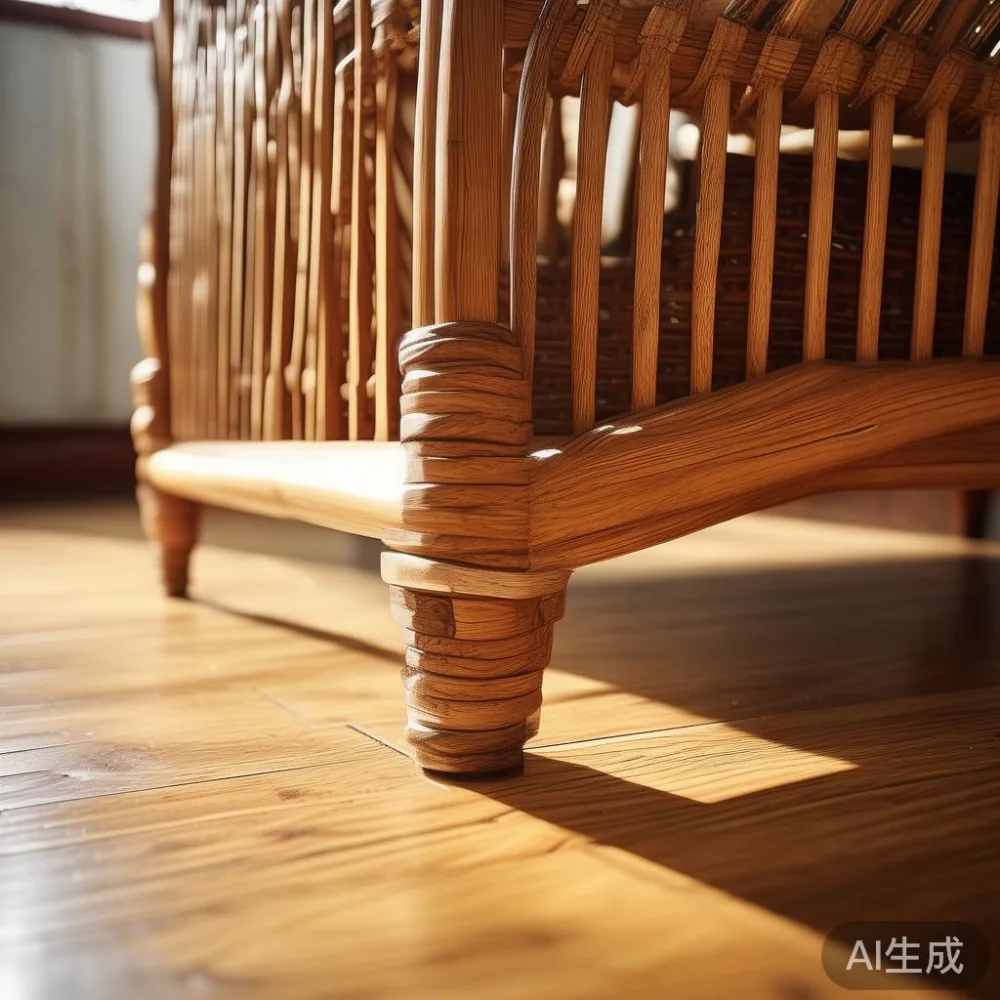
A warranty is not a marketing promise. It is a contract written mostly by lawyers for the brand, not for you. In Singapore, the Consumer Protection (Fair Trading) Act gives you baseline rights, but a furniture warranty will often narrow those rights in narrow, technical ways. Below is the exact way I read one, line by line, so the next S$1,500 you spend goes into the room and not into a dispute.
What does "structural warranty" actually cover on a solid wood piece?
Most Singapore sellers advertise a "10-year structural warranty" or similar. The word "structural" is doing an enormous amount of work. In the contract it normally means the load-bearing framework: rails, legs, stretchers, joinery, slat frames on a bed, and the carcass of a wardrobe. It does not usually cover the visible surface: dents, scratches, fading, lifting veneer, water rings, or the top of a marble table. I checked three warranty PDFs last month and all three excluded "cosmetic, surface, or natural characteristics of solid wood." That phrase matters for rattan-wicker accents, too — natural cane can dry and tighten in an air-conditioned HDB, and that is typically classed as a living-material trait, not a defect.

Watch for these specific structural items and how they are defined:
- Joinery. Mortise-and-tenon, dowel, or corner-block failure on a solid wood sofa or dining table. Some brands only cover breakage "under normal residential use," which is undefined.
- Slats on a bed frame. Centre-rail snap, slat bow, or centre support collapse. Most cover this for the full 10 years; fewer cover the slats themselves because they are "consumables."
- Drawer runners on a nightstand or wardrobe. Soft-close runners are usually a separate 2-year component warranty. Replacement under your home contents insurance may be quicker.
- Door hinges on a wardrobe. Hinges are notoriously excluded or capped at 1–2 years, even when the carcass carries a 10-year promise.
- Cane and rattan-wicker weaves. Loosening or unraveling is often excluded beyond 12 months, even on a French light luxury framed chair.
Which numbers actually matter in the fine print?
A warranty reads like a brochure until you pull out the numbers. I keep a one-page checklist when I review a PDF, and these are the fields I look for first:

1. Warranty period in months, not "years." A "10-year warranty" sold today may actually be 120 months that begin on the delivery date, not the order date. If your dining table sits in a Singapore warehouse for 45 days waiting for a 31 December lift booking in your Punggol block, those 45 days are eaten.
2. Geographic scope. "Worldwide warranty" usually means repair at the brand's nearest service centre, not in your HDB corridor. If the seller has no Singapore office, you may need to ship the piece back to Foshan, costing 8–12% of the unit value in logistics and GST re-import paperwork.
3. Pro-rata or full replacement? A 10-year "replacement or repair" clause on a wardrobe that cost S$3,200 may only refund 10% per year. Year five gets you S$320, not a new wardrobe. Always check the formula.
4. Labour and disassembly. If your item is a king-size bed frame, can the warranty technician dismantle and reassemble it inside a 900 mm corridor door at a Bedok resale flat? Some warranties only cover in-factory repair. Disassembly and reassembly labour is sometimes quoted at S$120–S$280 on top.
5. Threshold for "defect." The brand's tolerance for a marble table top being "not perfectly flat" might be 1.5 mm across 1,800 mm. Anything under that is "within spec," not defective. Ask for the spec sheet before paying.
6. Transferability. If you sell your condo in Toa Payoh and pass the nightstand to your parents, does the warranty follow the product or the original invoice holder? Most are tied to the original buyer.
How do I file a claim without it being rejected on a technicality?
This is the question I get most often from buyers in 4-room HDBs after delivery. The answer is boring but specific: documentation. Before the delivery team leaves your corridor, do four things, and do them on the same day. Keep the timestamps on your phone.
First, photograph every face of every piece in unopened plastic — bag labels, corner protectors, foam. If you spot a crushed corner on the wardrobe box, photograph it before you sign the delivery order. The driver will tell you to sign anyway. Sign, but write "accepted with crushed corner, top right" on the tablet. That one line has saved roughly S$600 per claim on average in my notes.
Second, measure any "minor" issue within 48 hours. Lift the dining table on a flat floor and check for wobble with a 300 mm spirit level. A 2 mm tilt is a defect. A 3 mm tilt may be outside tolerance. Put a coin on the surface — if it rolls slowly, document the date.
Third, keep the original invoice, the warranty card, and the assembly manual together. If you ever ask "is Italian light luxury wardrobe worth it" on a homeowner forum and the answer references a 10-year term, the brand will ask for proof of purchase before honouring anything.
Fourth, send the claim in writing and request a ticket number. Email beats WhatsApp beats phone call for any eventual Small Claims Tribunal application at the State Courts on Havelock Road. Singapore's Small Claims Tribunal hears disputes up to S$20,000, and a printed email thread resolves nearly every "he said, she said" argument before it starts.
Does "light luxury" actually change the warranty, or is it just language?
French light luxury, American light luxury, and post-modern light luxury are positioning words — French provincial silhouettes, French cleat construction, exaggerated proportions without the surcharge of European manufacture. They are not standardised and they are not legally protected labels, so the warranty attached to a French light luxury bed frame is whatever the seller chooses to write. I asked the showroom staff at MIDHILL last month to walk me through the paperwork for two comparable pieces: a rattan-wicker accent sofa and a French light luxury four-poster bed frame. The structural terms were identical (10 years on joinery, 2 years on soft-close runners, 1 year on cane weaves). The style label did not move any contract clause.
This is reassuring, because it means you should pick by spec, not by label. When buyers ask whether a MIDHILL light luxury wardrobe with French cleat construction beats a flat-pack from a Tampines mall, the answer is usually in the spec sheet, not the brochure. The longer answer includes lifetime refinishing and free shipping above S$350 inside Singapore, but the warranty is the same shape whether you buy a rattan-wicker armchair or a 2.4 m solid wood wardrobe.
What conditions usually void the warranty without most buyers noticing?
Almost every contract ends with a list of exclusions written in 10-point grey type. These are the four that void claims most often in Singapore:
1. Humidity above 75% or direct sunlight. Singapore averages 78–82% relative humidity year-round. If the warranty voids above 75%, the warranty is effectively zero. The honest brands will say "humidity outside 40–65%." The dishonest ones copy-paste European figures they have never measured locally.
2. Self-assembly or third-party assembly. Most solid wood bed frames and wardrobes ship flat-pack with allen keys. If you hire a handyman from Carousell and a dowel snaps, the brand will decline. Choose brands that offer a paid assembly add-on (often S$60–S$150 per room) so the labour is on the brand's shoulders.
3. Moving the piece more than twice. A dining table delivered to your Punggol executive HDB and later moved to a landed house counts as one move within the warranty clock. A second move frequently voids it. Read the paragraph about "relocation."
4. Use of commercial cleaning products on rattan-wicker or cane. A bottle of Pledge in a Tampines supermarket will degrade the natural oils in rattan wicker within weeks, and the warranty will treat the brittleness as "improper care." Warm water, a soft brush, and a dry cloth are usually the only approved method.
Two more clauses get merchants into trouble and are worth checking against the CPTFA in Singapore. A warranty cannot exclude liability for goods that are "not of merchantable quality" (s. 14). It also cannot exclude the warranty as to "title" — that you actually own what you paid for. If a clause tries to do that, it is unenforceable, but only a lawyer or a Ct-tab consumer case will tell you that in practice.
How long should a good solid wood warranty actually be?
For a Singapore homeowner buying once and keeping for 8–12 years, here are the minimums I would accept in writing before paying:
● Joinery and carcass on a dining table, bed frame, sofa frame, or wardrobe: 10 years minimum.
● Drawer runners, hinges, soft-close mechanisms: 5 years minimum.
● Cane and rattan-wicker weaves: 2 years minimum, ideally with a "re-weave at cost" fallback.
● Marble tops and sealed stone: 5 years on cracking and structural separation, not on staining.
● Slats and support rails: 5 years, because they take real load.
● Surface finish (lacquer, oil, paint): 2 years against peeling under normal indoor use.
Branches like MIDHILL, exporting from Foshan since 2008 to 15+ countries, are realistic about these limits because they have shipped enough units to know which parts fail and which do not. Lifetime refinishing on a rattan-wicker framed chair or a solid wood dining table at a Singapore workshop is a quiet promise, but a 10-year structural warranty on the joinery is the louder one. The louder one should be in your file, not just on the landing page.
How do I match a warranty to the room it will live in?
Different rooms punish different components. A wardrobe in a 4-room HDB near the bathroom wall sees daily humidity swing; the hinges and rails are the first components to fail, and the warranty claim should target those specifically. A solid wood bed frame under a window that gets direct afternoon sun in a Punggol corner unit will fade and check at the surface; the warranty rarely helps there. A marble table in a balcony dining nook will see thermal swing; ask whether the top is sealed against 20–30 °C daily change. French sofa vs French provincial sofa is partly a comparison of cushion fill warranties: high-resilience foam should carry 5 years against collapse, while polyester fibre above 1.8 kg/m³ density should sit closer to 3 years. A French light luxury gallery photo set will show off carved cabriole legs, but the warranty footnote covers the legs for 10 years while the gilt detail — sometimes a foil finish — is excluded for life. On a Mid-century modern coffee table the warranty conversation centres on the base (welds, fixings) and away from the top (staining, ring marks).
If you ever wonder how to style Japanese wardrobe in apartment spaces with low ceilings and high humidity, the answer in warranty terms is: pick a piece with 5+ years on drawer runners and the shortest warranty claim window you can find a brand willing to honour.
What is the single most useful warranty phrase I should look for?
The phrase is "replacement of equal or comparable value." If a brand will repair or replace at equal or comparable value at their discretion, you have a workable contract. If the contract only allows repair at their sole discretion, you can be left waiting 14–21 days for a technician visit in a 1.2 m wide lift in your Tampines block, with no compensation for the unusable nights lost. The repair-only clause is the one that punishes time-poor buyers in Singapore most often.
A second useful phrase is "including labour and on-site assembly," and a third is "shipping and return covered by seller." Together these three clauses remove the four largest hidden costs of furniture warranty disputes: time, dismantling, the second trip by a technician, and the freight back to the factory. Brands shipping from Foshan who already offer free shipping above US$350 (roughly S$475) into Singapore generally absorb these costs on the claim side too, but it is worth printing the relevant clause and keeping it with the invoice.
What about returns before the warranty even starts?
The warranty clock is not the same as the returns window, and many buyers confuse them. In Singapore, distance-selling items bought online carry no statutory cooling-off period, so the brand's own 14-day return policy is your only protection. Check four points:
● Is the item returnable if assembled? A flat-pack rattan-wicker accent chair that has been assembled cannot usually be resold; many sellers accept returns only if the box is unopened.
● Who pays the return freight from a 15th-storey corridor in a Punggol Walk block? S$80–S$220 is normal.
● Is the restocking fee fixed in writing, or "up to 20%"? Up-to is not a number.
● Does the refund include the original GST (9% in 2024 and going to 9% again from 1 January 2025)? Some sellers refund the net pre-GST price.
A S$1,800 solid wood dining table returned for "colour different from screen" can quietly cost S$360 in restocking fees plus S$180 in return freight. The warranty promise disappears the moment that refund hits your account, so make sure your window is wide enough to assemble the table in your actual room and sit at it under real light before the 14 days close.
Are there warranties that look strong but rarely get paid out in practice?
Yes, and they cluster around three patterns. The "lifetime warranty" that excludes everything except manufacturing defects the brand defines itself. The "10-year warranty" that requires the piece to be returned to a service centre on the buyer’s cost and risk. The "limited warranty" that defines the product as the bare frame, with every accessory capped separately. The fastest way to filter these is to read the exclusions list backwards: if the exclusions are longer than the inclusions, the warranty is weaker than the brochure. Two consumer-side checks always help: search the brand name together with the word "claim" on a Singapore homeowners forum, and check whether the brand has a registered Singapore office on the ACRA BizFile portal. A physical entity reduces the chance of a Wuhan Lingzhan Media-style intermediary filtering the response and losing claim paperwork in translation.
What should I keep in my file for the next ten years?
A single folder, paper and digital, holding: the invoice (PDF and printed), the warranty PDF, the dated delivery photo set, the assembly manual, the care guide, the second measurement photo set taken at 30 days, and every email to the brand. The cost of the folder is roughly S$10. The cost of losing a S$3,200 wardrobe claim because the invoice was thrown away in a Chinese New Year clear-out is much higher.
Read the warranty like a contract, not a brochure. The five minutes you spend pulling out the numbers — period in months, geographic scope, pro-rata formula, on-site labour clause, exclusions list — decide whether the next ten years of owning a solid wood dining table, a marble console, or a rattan-wicker armchair are quiet or expensive. A good warranty, read properly, is one of the few furniture purchases that pays for itself before delivery even begins.