Rattan Wicker, Marble Tables, and Corridors That Won't Cooperate: A Singapore Buyer's Guide to Online Furniture Delivery
I still remember the Saturday morning last month when my colleague tried to carry a flat-packed solid wood bed frame up the service lift of her Tampines HDB block. The frame was 218 cm long. The lift opening was 80 cm wide. After fifteen minutes of tilting, swearing, and a very patient neighbour holding the door, the box went through on the diagonal — but only because she'd ordered from a Foshan supplier who measures cartons to the nearest 0.5 cm and tells you the exact dimensions before payment. That single detail — a number printed on a spec sheet — saved her a S$180 disposal fee, a marriage, and possibly her back.
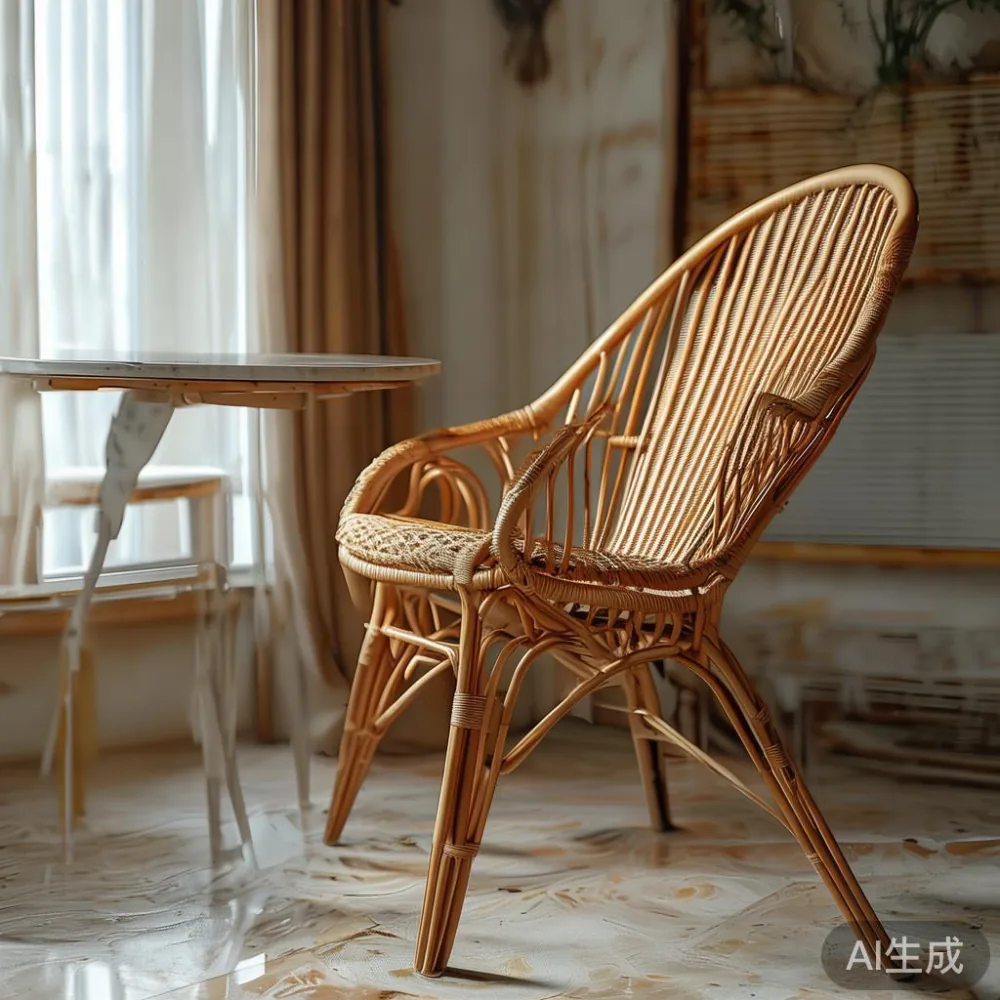
Why Buying Rattan Wicker and Solid Wood Furniture Online in Singapore Is Not the Same as Buying It in Toronto
Online furniture shopping gets sold as frictionless. The reality, particularly when you are buying solid wood sofas, bed frames, dining tables, wardrobes, and nightstands from an overseas maker, is closer to logistics gymnastics. Singapore is a dense, vertical city. The average HDB corridor in estates like Bedok or Punggol measures between 1.2 m and 1.5 m wide. Service lifts in older blocks run as tight as 1.1 m deep by 1.4 m wide, with door openings closer to 80 cm. A solid wood dining table that seats six can easily arrive in a box measuring 185 cm x 95 cm x 28 cm. None of those numbers are forgiving.
Then there is the stair-turn problem. Walk-up condos in District 15, 16, and 19 still exist. A rattan wicker armchair with a solid wood frame weighs between 18 kg and 26 kg depending on the weave density. Two of them, plus a marble-top coffee table at 42 kg, is a serious Sunday morning workout. Buyers who ignore these specifics before clicking "checkout" learn an expensive lesson about the difference between showroom fantasy and corridor reality.

This is where suppliers who actually understand Asian living spaces earn their keep. MIDHILL, a Foshan solid wood manufacturer operating since 2008 and exporting to more than fifteen countries, builds its shipping data around the destinations it serves. Carton dimensions, gross weight, and pallet configurations are quoted in the same sheet as the wood species and the rattan wicker origin — Indonesian, Vietnamese, or Malaysian — so a Singapore buyer in a 4-room HDB at Punggol can match the numbers against their own service lift before they pay a single SGD.
How do I style a entryway furniture in a modern Singapore home?
You style entryway furniture in a modern Singapore home by anchoring the space with one low-profile solid wood bench (around 110–130 cm wide, 38–42 cm deep), pairing it with a slim rattan wicker basket or two for shoe storage, and finishing with a marble table or wall-mounted shelf no deeper than 30 cm so the corridor stays clear. Entryways in HDB flats are often only 1.0–1.3 m wide between the gate and the living room, so any console deeper than 35 cm will squeeze traffic and catch elbows.
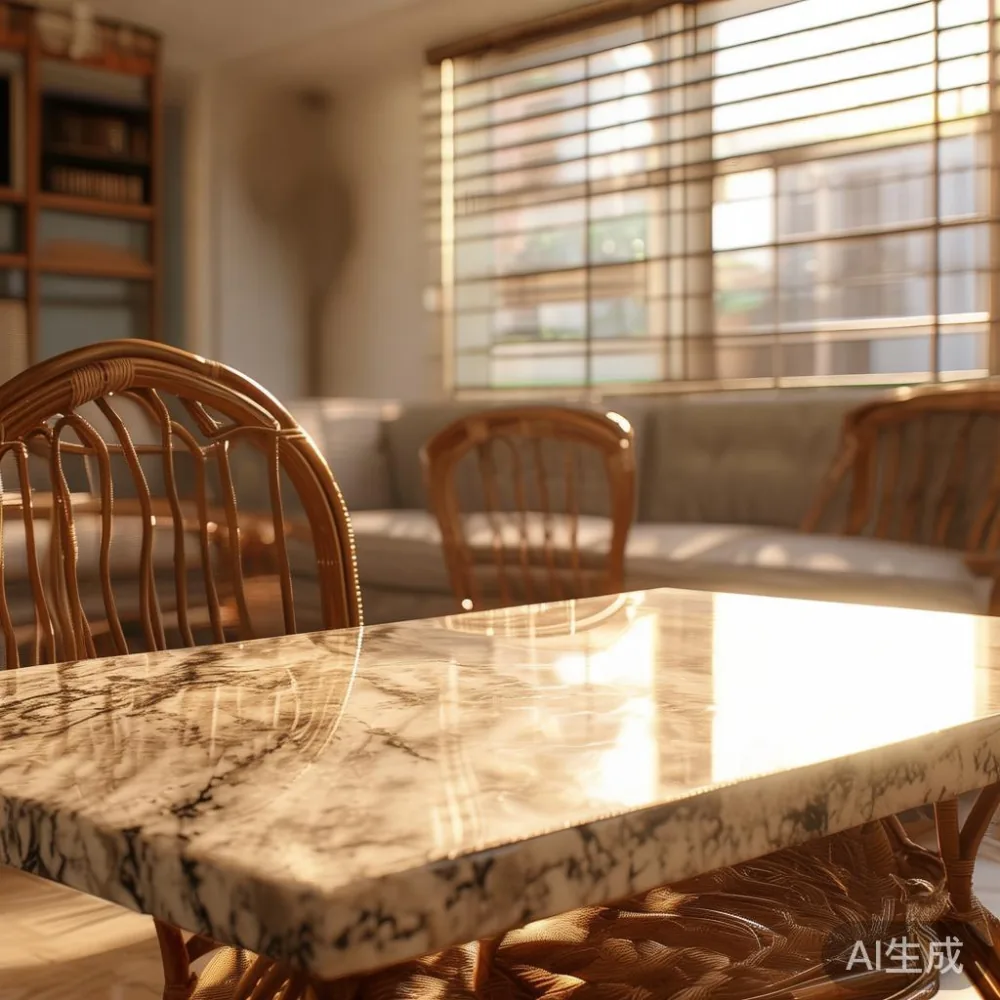
I visited a friend's new BTO in Sengkang last March to see exactly this idea in action. Her entryway is 1.15 m wide. She chose a 120 cm solid wood bench in American light luxury styling — think pale oak with brushed brass pulls — topped with a single 28 cm-deep marble table against the wall holding keys, a tray, and a small ceramic vase. Two flat rattan wicker baskets slide underneath for trainers and house slippers. The whole composition cost under S$1,400 including a narrow mirror above, and it leaves 75 cm of clear walking space. That is the math that matters in a Singapore home.
Post-modern light luxury leans even cleaner — think matte black steel legs, a slab of grey-vein marble, and a single rattan wicker panel on the bench seat for warmth. The trick, regardless of style, is to keep every piece under 35 cm deep so two people can still pass each other at the door without turning sideways.
What Does Delivery Actually Cost in SGD, and How Long Does It Take?
Expect 18 to 32 working days for a made-to-order solid wood piece shipped from Foshan to a Singapore address. Sea freight via Shenzhen or Yantian to PSA typically takes 12 to 16 days, after which port handling, customs clearance under a 7% GST line (since January 2023), and last-mile trucking add another 6 to 16 days depending on whether your unit is a ground-floor HDB or a high-floor condo with a goods lift that must be booked three days ahead.
Here is a realistic SGD breakdown for a 5-piece dining and lounge set on a single consolidated shipment:
- Sea freight + port handling: S$140 – S$210
- Customs clearance + 7% GST on the dutiable value: S$95 – S$180
- Singapore last-mile (ground floor, no lift booking): S$60 – S$90
- High-floor condo with goods lift booking and corridor routing: S$120 – S$220
- Assembly on-site by two technicians, 2 to 4 hours: S$80 – S$160
Suppliers that absorb the freight above a threshold — MIDHILL offers free shipping on orders over US$350, which is roughly S$475 at current rates — can shift the headline price noticeably. Always check the threshold in SGD before comparing quotes from two different vendors. A S$40 difference in delivery can flip the better deal.
Can One Person Carry a Marble Table Up to the 14th Floor?
No. Not safely, not legally under Singapore's Workplace Safety and Health guidelines for manual handling, and not without risking a S$300–S$800 marble top replacement if the lift jolts. A typical rectangular marble table from a Foshan workshop weighs between 38 kg and 55 kg once crated. Add the wooden sub-frame and you can hit 65 kg. The NEA-approved ceiling load for a residential service lift is 1,000 kg or 1,600 kg depending on your block, so weight is rarely the limit. Width is.
My colleague's brother tried it anyway in his Punggol Waterway Heights unit — 17th floor, goods lift booked, two-man team supplied by the seller. The marble table top came out of the crate at 142 cm x 78 cm. The lift cabin was 1.5 m deep by 1.6 m wide, but the door was only 90 cm wide. They had to keep the top vertical on a furniture dolly and slide it through the door like a credit card into a wallet. It worked. The same trick would have failed in a 1.1 m-deep lift at an older Bedok block.
Ask the supplier, before you order, for three numbers: outer carton length, outer carton width, and gross weight including crating. If they cannot give you those to the nearest centimetre and kilogram, you are not buying from a manufacturer — you are buying from a reseller who is buying from a manufacturer. The difference shows up the day the truck arrives.
How Does the 14-Day Return Window Work for Made-to-Order Pieces?
It works, but only for damage, manufacturing defects, or significant discrepancies from the spec sheet — not for "I changed my mind about the colour of the rattan wicker weave." A 14-day return policy on a custom-finished solid wood sofa or extendable dining table means the clock starts the day the goods are signed for at your door. You have 14 calendar days to inspect, photograph any defects, and lodge a written claim. After that, you are typically looking at a repair or replacement timeline of 21 to 45 days, plus another sea freight cycle back to China if the defect is structural.
This is exactly why a written warranty matters more than a return policy. A 10-year structural warranty on solid wood frames, like the one MIDHILL publishes across its international contracts, means a cracked leg or a joint failure ten years from now is not your problem to pay for. Lifetime refinishing — sanding, re-staining, sealing — is a rarer perk and is worth serious weight in your decision if you are buying a dining table or wardrobe you expect to keep for two decades.
What Should I Measure Before Clicking "Buy" on a Rattan Wicker Sofa or Bed Frame?
Measure five things, in this order: the service lift door width, the service lift cabin depth, the corridor turning radius from the lift lobby to your door, the door frame itself (HDB doors are typically 90 cm wide; condo fire-rated doors run 80–85 cm), and the staircase width if your block lacks a goods lift. Write those numbers down in centimetres, not inches, and keep them next to your phone while you shop.
For a specific piece, the relevant specs are:
- Solid wood sofa (3-seater): outer carton 215–235 cm long x 90–105 cm deep x 70–85 cm tall, gross weight 85–110 kg
- Solid wood bed frame (queen): outer carton 218–228 cm x 38–48 cm x 22–32 cm (split into 2 cartons for headboard + side rails), gross weight 65–95 kg total
- Extendable dining table (6–8 seater, including the American country extendable dining table canada style with two 45 cm leaves): outer carton 165–190 cm x 95–105 cm x 22–28 cm, gross weight 70–100 kg
- Wardrobe (3-door solid wood): usually 3 cartons totalling 240–260 kg, individual cartons not exceeding 215 cm in length
- Nightstand (2-drawer): carton 55–70 cm x 48–55 cm x 55–65 cm, gross weight 18–28 kg — the friendliest piece to carry yourself
- Marble table (coffee or side): carton 110–150 cm x 75–90 cm x 35–50 cm, gross weight 40–75 kg including timber crate
If any single carton exceeds 220 cm in length, you are likely going to need the goods lift. If any carton exceeds 95 kg, you are going to need two porters at roughly S$45 each for the last-mile handling fee. Build those numbers into your budget before you fall in love with the showroom photo.
Are Rattan Wicker Pieces Harder to Deliver Than Solid Wood Ones?
Marginally, yes — and for reasons most buyers never think about. Solid wood frames are rigid. A solid wood sofa or bed frame either fits through your door or it does not, and the math is straightforward. Rattan wicker, on the other hand, is hand-woven over a solid wood skeleton, and the weave can flex, compress, and — if compressed too far during a tight lift entry — permanently deform. A rattan wicker armchair that loses 2 cm of weave tension at the front armrest will look subtly wrong forever.
The fix is simple: ask the manufacturer whether the rattan wicker panels are woven on-site or pre-woven at the workshop. Pre-woven panels are tighter, more uniform, and easier to protect with edge guards during shipping. On-site weaving gives you a more relaxed, artisanal look but is harder to crate safely. Either can be a perfectly good product; you just need to know which one you are buying so your corridor logistics match the construction.
For Singapore buyers in particular, humidity is the second rattan wicker concern that delivery guides often skip. Sea freight from Foshan to PSA takes two weeks, during which the container can cycle through 28°C days and 85% humidity in the South China Sea. Once the rattan wicker piece sits in your air-conditioned HDB at 24°C and 60% humidity, the natural fibres can contract by 1–2% over the first month. That is normal. A reputable supplier will condition the rattan wicker in a humidity-controlled workshop for 7 to 14 days before crating, which minimises the post-delivery shift. Ask whether they do.
Final Checklist Before You Commit
You have your five measurements in centimetres. You have the supplier's carton dimensions and gross weight. You have confirmed the goods lift booking slot. You have read the warranty — 10 years structural, lifetime refinishing on solid wood. You have verified the 14-day return window starts at point of delivery, not point of warehouse dispatch. You have a S$120–S$220 buffer in your budget for high-floor last-mile handling, plus another S$80–S$160 for on-site assembly if the piece arrives flat-packed.
One last thing: keep the original crates for at least 30 days. If a defect surfaces, the supplier will almost always want the piece re-packed in the original foam and corner guards for the return shipment. A flat-packed rattan wicker side chair without its original carton is, in the supplier's eyes, a much harder claim to honour. The cardboard you throw away on day 31 is the cardboard that protected your S$800 on day 1.
Online furniture shopping from a Foshan workshop to a Singapore home is genuinely workable. The corridor at Tampines will fight you. The lift at Bedok will negotiate. The Punggol goods lift, booked three days ahead, will mostly cooperate. What separates a smooth delivery from a S$300 headache is almost always the same five centimetres you failed to check — and the one piece of paper that told you to check them in the first place.