Caring for Rattan Wicker in Singapore’s Climate
Singapore’s heat and humidity can be demanding on furniture finishes. For residents of HDB flats and condos in Tampines, Bedok and Punggol, a lacquered rattan wicker surface needs regular care to remain attractive, especially where furniture must pass through narrow lift lobbies, common corridors and air-conditioned living rooms. Humidity, ultraviolet light, kitchen vapour and salty outdoor air can all affect lacquer. The good news is that careful cleaning, sensible placement and a few simple habits can protect the finish for years.
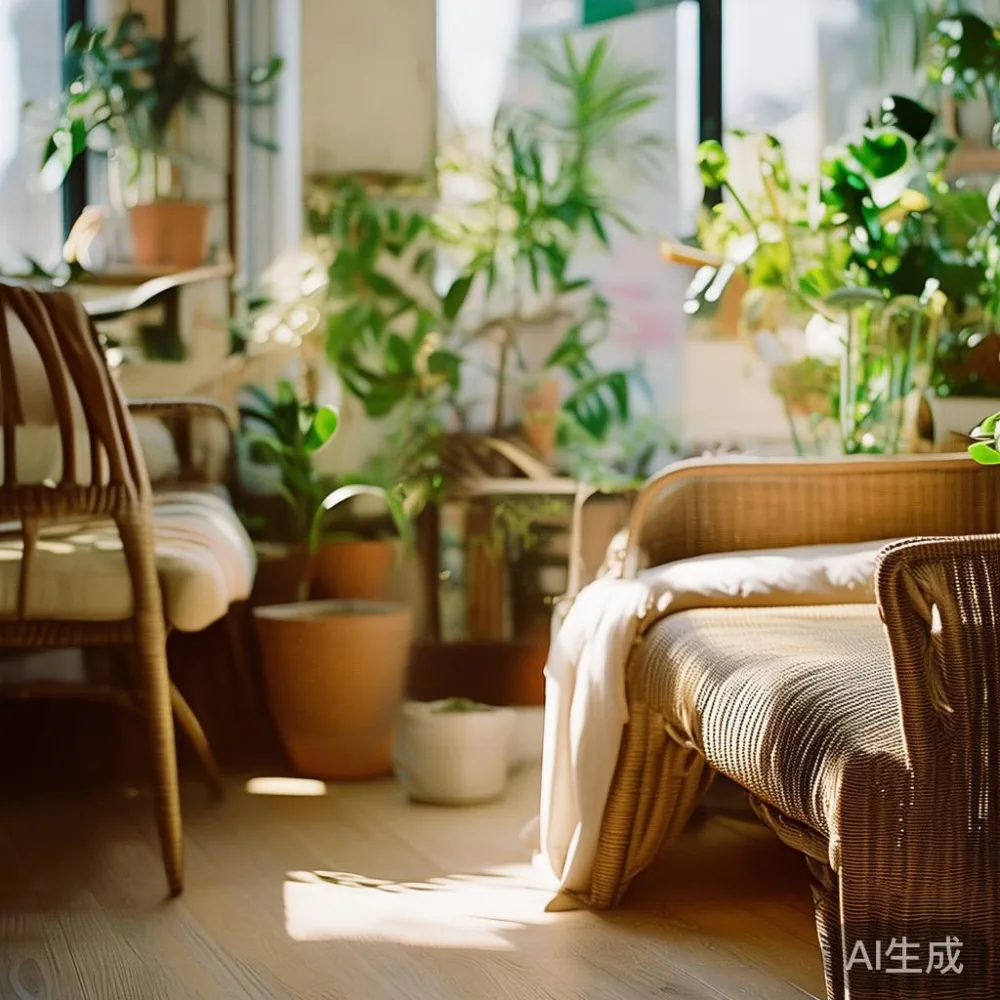
This guide explains how to care for lacquered rattan wicker in a tropical home. It also considers the practical realities of Singapore living: measured lift and corridor clearances, refined floors, frequent cleaning and the value of furniture designed for long-term use.
Why does lacquer need special care in Singapore?
Lacquer creates a useful barrier over rattan wicker, but it is not an indefinite shield. Singapore’s midday sun can generate surface temperatures of around 45°C on a dark piece placed near a west-facing window. Relative humidity often rises above 80% during monsoon periods. Under those conditions, lacquer can age faster, lose gloss or develop fine marks around vulnerable joints and woven edges.
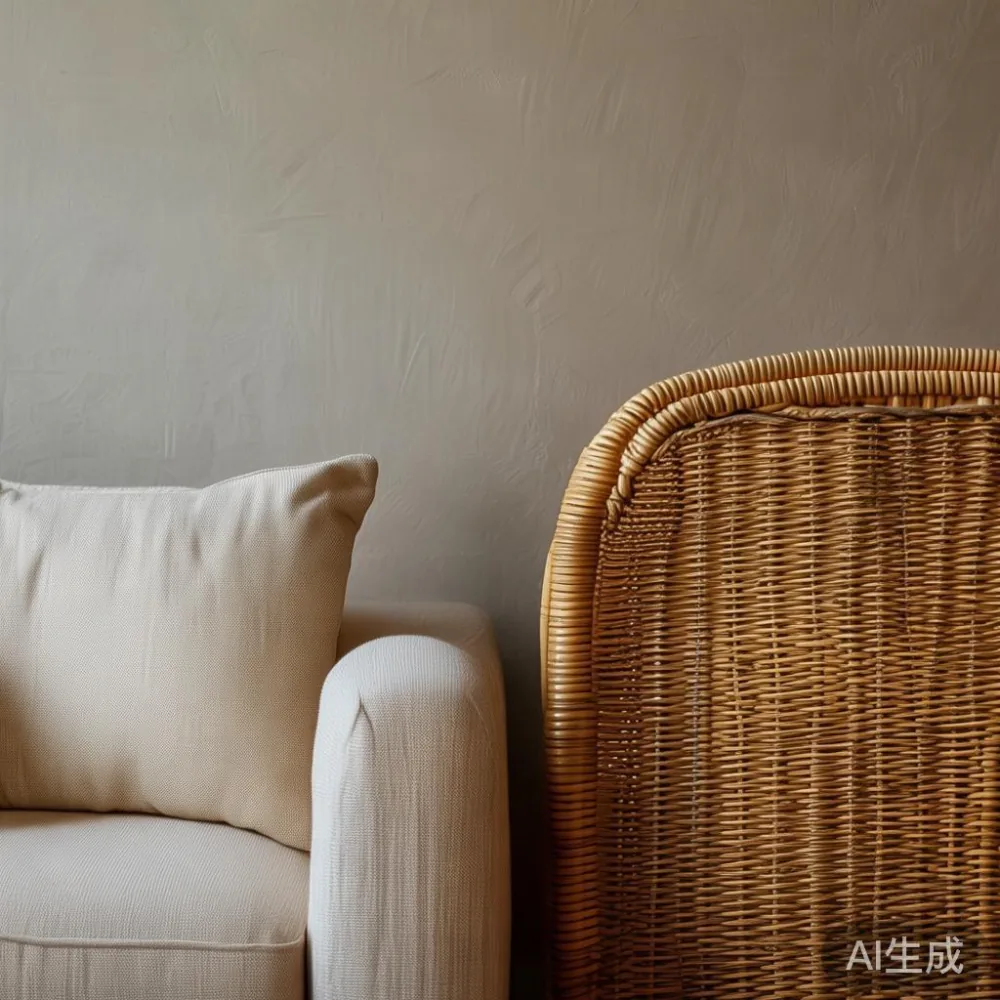
Temperature changes matter as much as moisture. A cabinet moved from a corridor at 30°C into a bedroom at 23°C may experience condensation on its underside, although the more common risk is trapped humidity around furniture against external walls. Keep the piece at least 30 cm from an air-conditioner outlet and 60 cm from direct sunlight unless the product instructions specify otherwise.
Rattan wicker also responds to its environment. The natural strands may take in moisture and then shrink as they dry. Stable indoor conditions reduce this movement. Aim for approximately 40–65% relative humidity and 20–27°C, using a hygrometer that costs about SGD 25–60. These are practical targets rather than laboratory guarantees, but they are easier to maintain than trying to correct daily fluctuations.
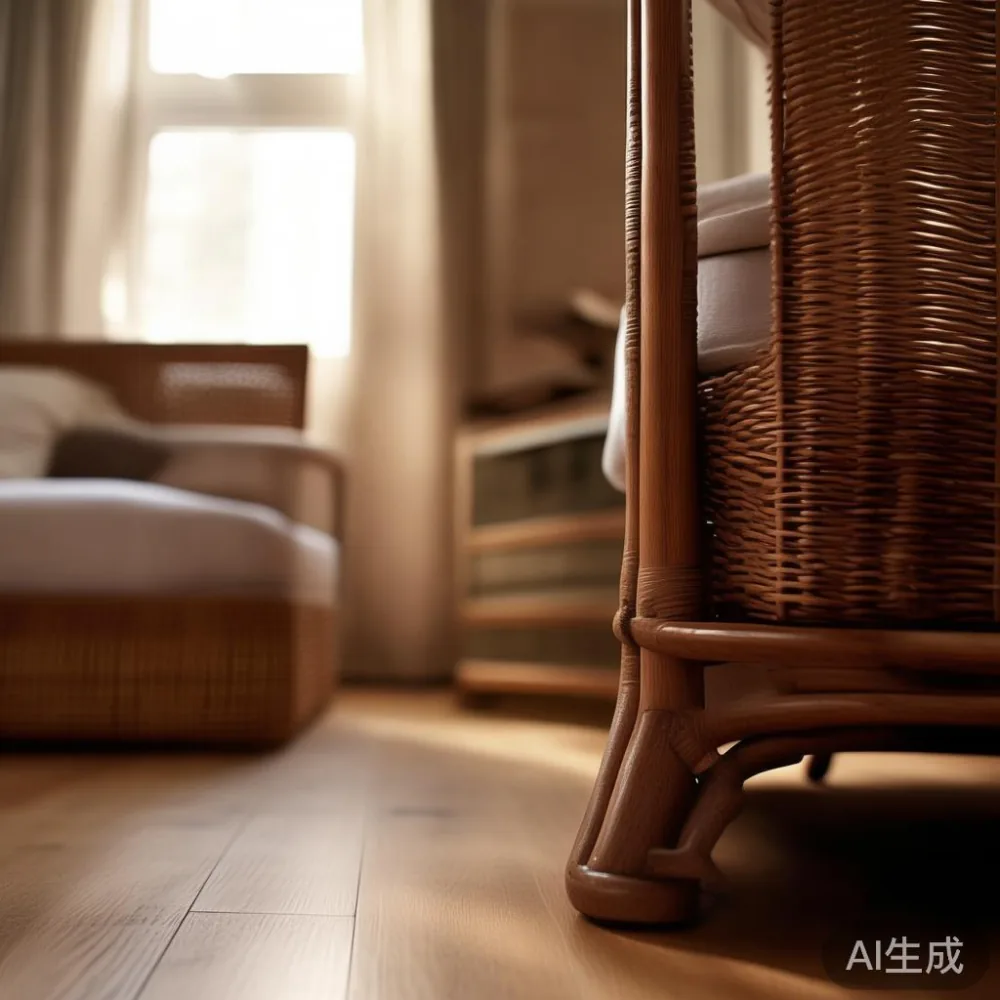
For a polished but restrained interior, the same discipline supports French light luxury, American light luxury and post-modern light luxury. Pale solid wood sofa frames, clean-lined bed frames and lacquered dining tables can live comfortably together when their finishes are cared for consistently.
What cleaning kit should a Singapore household keep ready?
Prepare a compact care kit with a soft, lint-free microfibre cloth, a clean cotton cloth, a small bowl, lukewarm water and a mild pH-neutral soap. Add a soft-bristled toothbrush with bristles no harder than medium. Avoid household glass cleaner, bleach, ammonia, alcohol, oil, furniture polish, silicone spray and abrasive pads; several can cloud lacquer, leave sticky residue or penetrate the finish.
For routine care, mix about 1 teaspoon of mild dish soap with 500 ml of lukewarm water. Dip a wrung-out cloth into the mixture and wipe the lacquered rattan wicker in the direction of the weave. Wipe again with a separate damp cloth, then dry with a clean cloth. Test the mixture on a concealed area for 24 hours before treating the full surface.
Use very little moisture around rattan wicker edges. Do not flood joints, grooves or woven sections. A lightly dampened soft brush can lift dust from narrow recesses, but it should not be saturated. For the floor beneath, use a protective felt pad under each leg, measuring about 5 cm across. This reduces scratches and improves stability on smooth HDB or condo flooring.
Clean the surface every 1–2 weeks during humid months and every 2–4 weeks in drier periods. Dust more often in bedrooms because fine particles settle quickly on lacquered surfaces. If the piece handles a spill, address it within 5 minutes rather than letting it dry overnight.
How should I remove stains without damaging lacquer?
Begin with the least aggressive method. Plain water and a soft cloth should remove fresh water, milk or most food residue. For a greasy mark, add one small drop of mild soap to 250 ml of water. Work from the outside of the mark toward its centre, using short strokes of less than 5 cm.
Never scrub a lacquered rattan wicker surface aggressively. The woven texture can catch the cloth and create pale areas that look like scratches. If a mark remains after 2 gentle attempts, stop and contact the manufacturer for finish-specific advice.
Scuff marks caused by shoes, bags or transit can sometimes be reduced with clean muslin, moving slowly in straight lines. Do not use a pencil eraser; the rubber residue may be difficult to remove. Crayons and ballpoint ink need professional assessment rather than household solvents.
Water rings deserve particular attention in humid conditions. A ring often forms when a hot drink evaporates while the lacquer is still cool and damp. Blot the liquid, but do not rub the ring. Place a clean, dry cotton cloth over the area and warm it gently with a hairdryer held at least 30 cm away for 10–15 seconds. This may loosen a light film, but it will not repair a deep blister or split.
Can lacquered rattan wicker stand near windows, balconies and air-conditioners?
Direct sunlight is the main enemy of a glossy finish. UV exposure can fade the lacquer within 12–24 months if a piece sits beside a west-facing window without curtains. Use sheer curtains plus blackout blinds for the strongest afternoon light. A UV film can reduce transmission, but the blinds remain useful for controlling glare and heat.
Balconies and semi-outdoor corridors present a different issue. Salt-laden air, wind-driven rain and temperature swings can dry the rattan wicker core. Even with lacquer, avoid placing the furniture permanently outside. If a small balcony is unavoidable, bring the piece indoors during monsoon periods and keep it at least 20 cm above the floor. Do not cover damp furniture with a plastic sheet because trapped moisture encourages mildew.
Air-conditioning can help maintain stability, but cold airflow should not strike the piece continuously. Set the room around 24–26°C rather than 18–20°C, and position the nightstand or dining table outside the direct outlet path. If a window remains open, keep the furniture 60 cm or more from the opening during heavy rain.
A solid wood sofa should also remain clear of intense airflow. The frame may be stable, but its joints, feet and upholstered sections can respond differently to temperature. In a condo living room, a consistent 24–26°C setting supports both the finish and daily comfort.
How do delivery routes and building dimensions affect furniture selection?
Finish protection starts before the furniture reaches your home. Measure the HDB lift car, lift door, turning corners and corridor before ordering. Many Singapore lift interiors are approximately 1.1–1.4 m wide, with doors around 0.9–1.0 m. Hallway corners can be tighter than the lift itself. Record the narrowest point rather than relying on the building’s nominal size.
For a tall wardrobe, add the packaging allowance to the actual dimensions. A 50 cm-wide body may arrive in a protective carton around 56 cm wide, while corner protectors can add another 2 cm per side. Confirm that the cartoned width is no greater than the lift opening and that diagonal manoeuvring space is available.
My colleague delivered a lacquered dining table to a Bedok condo last month. The lift was 1.3 m wide, but a corridor turned through 110 degrees beside the lobby. A disassembly plan protected the table and allowed it to pass without forcing the lacquered edges. That practical check took 15 minutes and prevented damage that could not have been repaired easily.
Protect the piece in transit with corner guards, foam blankets and a moisture-resistant outer layer. Require the delivery team to photograph the packaging and the furniture before unwrapping. Delivery in Greater Singapore usually takes 7–14 working days after confirmation, with stock and access dates varying by product.
Once inside, check the finish under daylight and from a distance of 1 metre. Note any existing marks before assembly. This is especially helpful for a marble table, where the natural stone surface and lacquered furniture frame should both be inspected separately.
How often should lacquer be refreshed or refinished?
Inspect lacquered rattan wicker every 3 months during the first year and twice a year thereafter. Look for dull patches, fine cracks, lifting at edges, colour changes and areas that feel sticky. A healthy lacquer should feel smooth, with no tackiness or raised seams. Treat small changes early, before dust and moisture enter the affected area.
Do not apply generic “wood polish” to determine whether the piece needs refinishing. Some products contain waxes, solvents or colourants that can make a lacquer look better for 2 weeks and then yellow or haze unevenly. For a light luxury appearance, use the original finish specification or a product approved for that lacquer type.
Solid wood components can often be sanded and refinished, while the woven rattan wicker may need section replacement if its fibres are broken or badly distorted. A nightstand, wardrobe or bed frame with widespread lacquer failure is not a simple wipe-down project.
MIDHILL offers a 10-year structural warranty and lifetime refinishing for qualifying products. Review the order documents to confirm whether lacquer renewal, wear or environmental damage is covered. Warranty terms should never replace sensible care: keeping humidity at 40–65%, avoiding direct sun and cleaning with mild soap will preserve more finish than any corrective product.
How do I style a lacquered piece without overloading a small home?
Light luxury works best when space, material and proportion are edited carefully. A French light luxury scheme could pair a sculptural solid wood sofa in oatmeal with a pale lacquered rattan wicker cabinet, a round marble table and one dark bronze accent. Keep the palette to 3 main colours and use texture rather than quantity to create depth.
Those learning how to style American sofa in room should allow at least 75 cm of clear walking space around a large sofa and keep the coffee table 40–45 cm from the seat. American light luxury often introduces deeper leather, timber and metal, so a lacquered piece can become the controlled focal point rather than a competing focal point.
For a bedroom, anyone comparing a Japanese bed vs French provincial bed should consider both the silhouette and the surrounding clearances. A low platform design may suit Punggol compact rooms, while a French provincial bed often needs more visual and physical space. A 150 cm or 180 cm bed should have at least 60 cm on the longer sides where possible.
Search guides for the best Scandinavian bed for 2026 or advice on how to choose light luxury bed can help with clean lines, pale oak and restrained storage, but the finish must suit the climate. Avoid placing a lacquered nightstand under a leaky balcony door, and keep wardrobe doors clear of air vents.
For statement pieces, research under 2000 Italian light luxury furniture means considering Singapore dollars rather than assuming a European price tag. A carefully made dining table, bed frame or wardrobe can offer more useful storage and stronger timber than a decorative item with a less practical finish.
If you are weighing how to choose French sofa, check the frame, seat depth and delivery dimensions before the fabric. A compact 210–230 cm sofa may fit an HDB living room better than a 250 cm model. Leave 5 cm between the sofa and wall for ventilation, and avoid placing the base against a hot external wall.
What are the safest habits for a lacquered finish?
Use coasters and placemats, even when the lacquer appears resistant. Set hot cookware on a trivet and keep drinks at least 5 cm from the edge. Lift objects rather than sliding them across a lacquered dining table. Use felt pads beneath vases and table lamps, and replace them every 12 months as they compress and collect grit.
Ventilate after cooking and wipe condensation from nearby surfaces. Open a bedroom window for 15–30 minutes when outdoor humidity is lower than indoor humidity, and use the air-conditioner’s dry mode where available. Do not aim a dehumidifier at the furniture; place it in an open area and keep the outlet at least 1 metre away.
Schedule a 10-minute care routine each month. Check the underside, wipe the top, inspect the joints and confirm that the protective pads remain flat. For 6–9 months of use, a lacquered solid wood sofa, dining table or wardrobe should still show no dulling or sticky patches. If it does, pause and obtain technical advice.
Owners planning a larger purchase can compare dimensions, finishes and care requirements at m.midhill.co. MIDHILL has exported to more than 15 countries since 2008, and its products are built for repeat use, long service and practical ownership in varied climates.
Can lacquered rattan wicker be repaired instead of replaced?
Small surface scratches may be manageable, but repairs depend on the lacquer chemistry and the extent of the damage. A fingernail that catches a scratch usually indicates that the mark has broken the film. A superficial mark that can be wiped away needs only gentle cleaning. A split, blister or lifting edge requires specialist work because moisture or contamination may already be beneath the coating.
Rattan wicker fibres should be checked for splits after humid weather. A broken fibre longer than 2 cm may weaken the local structure, especially on a wardrobe door or load-bearing bed frame rail. Keep using the piece normally, but photograph the affected area and contact the supplier before further movement or repair.
For major refinishing, do not sand a large area without a controlled process. Dust, silicone and hand cream can contaminate the surface, while power tools may gouge the weave. Refinishing through an authorised service keeps the original colour and sheen more consistent across the piece.
Singapore’s return and warranty processes are useful when damage is discovered promptly. MIDHILL provides free shipping on qualifying orders above US$350 and a 14-day return window, although returned furniture should be protected from rain and humidity during transport. Check the stated delivery and return terms before collection.
The most effective care plan is simple: keep the lacquer dry, cool and clean; control humidity; protect it during moves; and inspect every 3–6 months. With those habits, lacquered rattan wicker can retain its depth and character through Singapore’s heat, humidity and everyday family life.