How to Care for Lacquered Rattan Wicker Furniture in a Tropical Climate
Singapore’s heat and humidity can be demanding on furniture finishes. Lacquered rattan wicker may look refined in an airy Tampines HDB flat, yet it still needs controlled cleaning, sensible placement, and regular checks around the weave. The same applies to lacquered solid wood in Bedok, Punggol, and condominium interiors where afternoon sun reaches through west-facing windows.
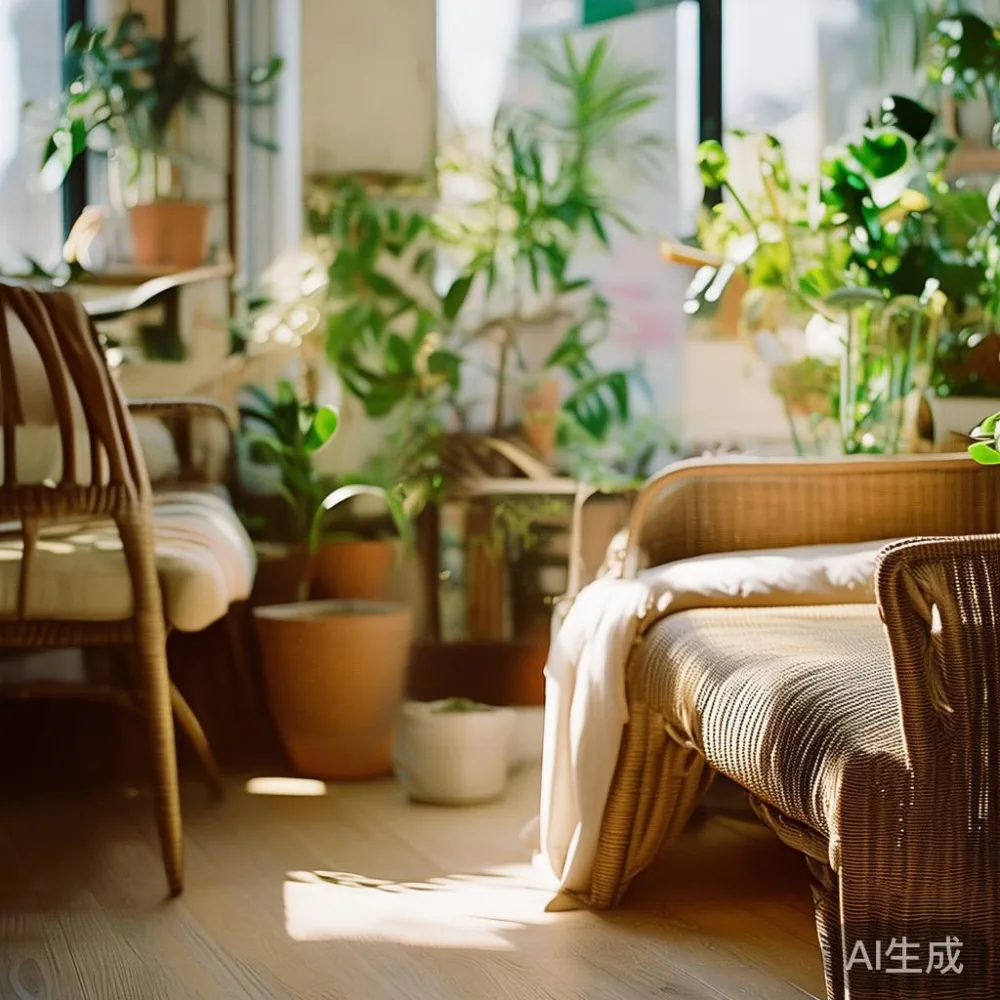
This guide explains how to protect lacquered rattan wicker without stripping its depth of colour. It also covers nearby surfaces, such as solid wood sofa frames, bed frames, dining tables, wardrobes, nightstands, and marble tables, while keeping the focus on one connected care routine.
Why does lacquered rattan wicker need special care in Singapore?
Lacquer creates a protective film over the rattan wicker strands, but that film is not an eternal shield. Tropical conditions can bring air temperatures of 30–34°C, relative humidity above 80%, condensation from air-conditioning, and frequent contact with damp hands. These factors may leave a surface tacky, cloudy, or uneven over 6–12 months.
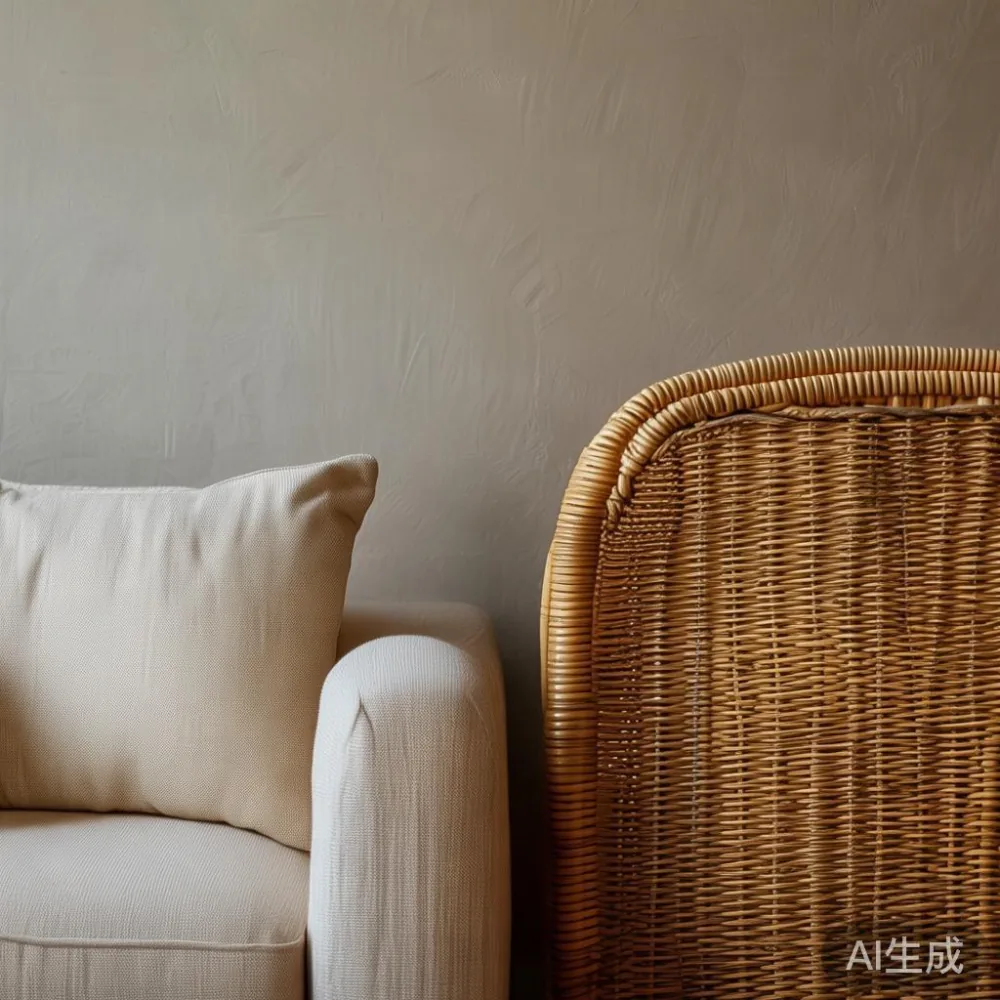
Direct sunlight adds another load. A west-facing condominium window can expose furniture to 500–700 lux for several hours each afternoon, especially when glass reflects light across a living room. Prolonged exposure can fade pigment and make lacquer lines more visible. Near the sea, airborne salt also settles on surfaces and should be removed promptly rather than left for several weeks.
For furniture buyers comparing finishes, ask the supplier for the lacquer type, care instructions, and expected maintenance interval. MIDHILL has produced solid wood furniture since 2008, and its exports to more than 15 countries have exposed its furniture to varied climate conditions. A 10-year structural warranty addresses structural integrity; finish care remains a separate daily and seasonal responsibility.
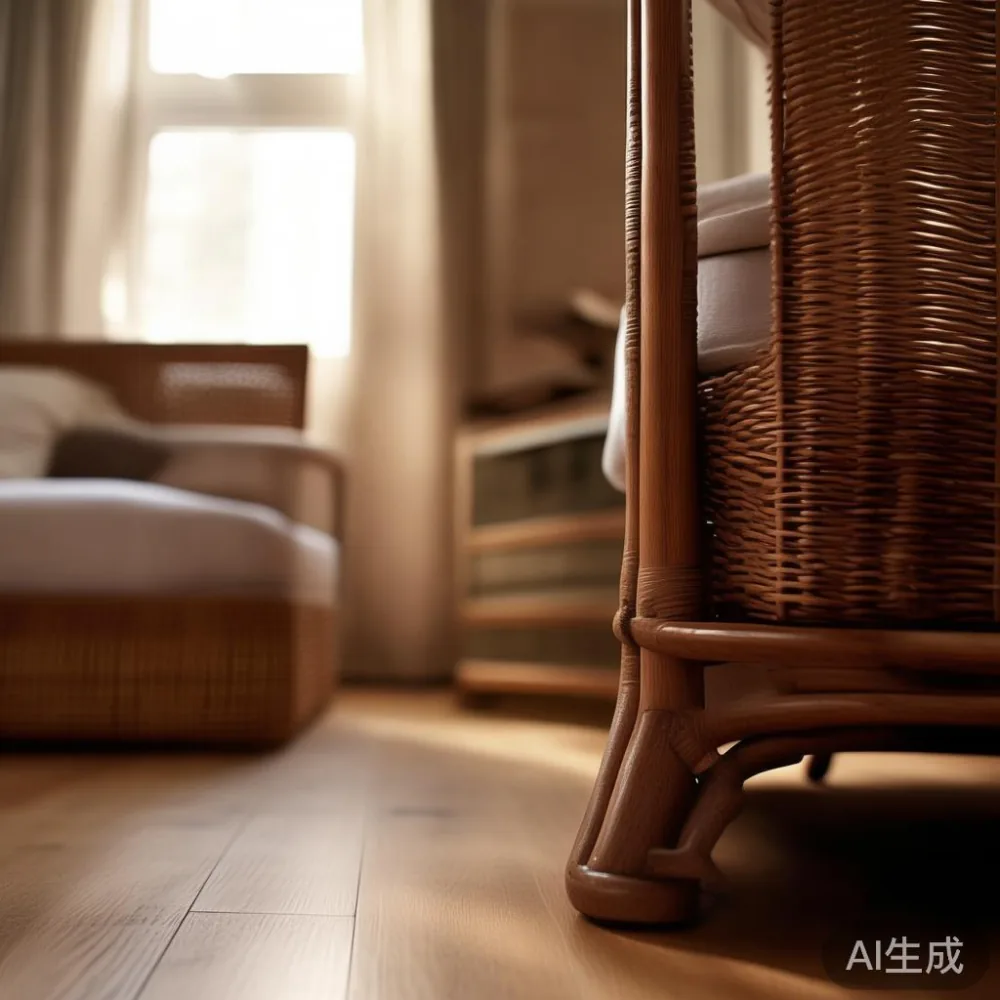
Keep the room ventilated where practical. Use air-conditioning at 24–27°C during humid afternoons, and avoid a sudden change of more than 8°C between the outdoor air and a conditioned interior. These numbers are guides rather than strict targets, but they reduce rapid moisture changes around lacquered surfaces.
How should I clean a lacquered rattan wicker surface?
Begin with a soft, dry microfibre cloth. Dust weekly and vacuum monthly using a brush attachment held about 2 cm above the weave. A vacuum at close range can catch loose strands or snag a low-profile fitting, so keep it moving rather than pressing it against the furniture.
For marks, dilute a pH-neutral detergent with warm water. Use 5 ml of detergent in 500 ml of water, stir gently, and apply it to a clean cloth rather than pouring it into the rattan wicker. Wipe with light pressure, then remove residue with a second damp cloth. Dry the furniture with another cloth and allow 2–4 hours of airflow before sitting on it or placing objects on it.
Do not use an abrasive pad, wire brush, alcohol, acetone, ammonia, or household oil. These products can soften lacquer or leave pale patches. Avoid soaking the strands and keep liquids away from joints, feet, and any unfinished underside.
Spills should be addressed within 15 minutes. Blot rather than rub. If a sugary drink has dried, place a slightly damp cloth over the area for 5 minutes, then use the diluted detergent method. Grease can be lifted with a small dot of mild dish soap, using no more than 1 ml in 250 ml of water.
Test an inconspicuous section first. Mark a 5 × 5 cm area beneath a loose cushion, clean it, and wait 24 hours. This is particularly sensible when matching lacquered rattan wicker panels to an existing wardrobe or dining table.
How do I stop lacquer from peeling, blooming, or turning cloudy?
“Blooming” appears as a hazy film. It can develop when warm, humid air meets a cool lacquered surface. Similar cloudiness may come from oily fingerprints or residue from a cleaning product. Keep silicone sprays, furniture polish, and insect-repellent aerosols away from the rattan wicker, and allow the finish to cool before cleaning.
Place furniture at least 30 cm from an exterior wall where condensation is common. For a solid wood bed frame, allow 45–60 cm from a window if curtains touch the headboard. Check drawer runners and cabinet hinges every 3 months because repeated movement can rub lacquer at contact points.
Do not place very hot objects directly on lacquer. A cup of coffee at 60°C can leave a ring if the base remains on the surface for 30 minutes. Use a coaster with a diameter of at least 8 cm. For a marble table, the same coaster practice protects both stone and adjacent furniture; acidic liquids should be wiped away within 10 minutes.
Small scratches can sometimes be treated by a furniture specialist rather than aggressive DIY repair. Do not sand a lacquered rattan wicker panel with 80-grit paper. One scratch can turn into a 10 cm pale patch because the strands and coating have different depths. Photograph damage under daylight, record its size in centimetres, and request professional advice before using a colour stick or retouching pen.
Can I use the same care method for solid wood and marble surfaces?
The broad sequence is similar—dust gently, clean spills quickly, and dry thoroughly—but the material-specific details differ. A solid wood sofa or dining table may have a clear finish, oil treatment, or painted lacquer. Wipe it with a lightly damp cloth and dry at once. Avoid letting water collect around joints or in a carved edge.
For a bed frame, inspect the headboard, footboard, and slat supports twice a year. Tighten a loose fixing only if the manufacturer’s instructions permit it. A dressing table can collect rings from cosmetics and damp wipes; keep perfume and nail-polish remover on a separate tray. When researching a Mid-century modern dressing table, ask about the finish used on drawers and the climate rating of the lacquer.
A wardrobe needs airflow inside. Open the doors for 15–20 minutes every 2–4 weeks, and inspect the back panel for dampness. This is relevant when checking the best Modern light luxury wardrobe for 2026, since shoppers often compare veneer, solid wood, and coated rattan wicker storage options for HDB bedrooms.
Marble reacts differently from wood and rattan wicker. Use a neutral stone cleaner at pH 7–8, never vinegar, lemon juice, or an acidic bathroom cleaner. A marble table should have coasters and a placemat; water rings can be reduced with a soft cloth and a suitable stone treatment. Natural stone may still need sealing every 1–2 years, depending on porosity and use.
For a complete bedroom scheme, a nightstand may be solid wood, lacquered rattan wicker, or stone-topped. Keep 10–15 cm between the nightstand and a moisture source such as an en-suite sink. For design guidance on how to choose Italian light luxury bed, consider the finish, room dimensions, and local humidity together rather than focusing on appearance alone.
What should I do before moving furniture into a lift or corridor?
Measure before delivery day. Singapore’s HDB lift openings are often around 90 cm wide and 100–110 cm deep, although building-specific dimensions must be checked. A corridor turn of 120–150 cm may determine whether a large headboard can pass through. Record the packaged width, height, and diagonal measurement, then compare them with the narrowest point.
Protect lacquered edges during transport. Wrap each side with a 5 mm padded blanket and secure it with straps at 20–30 cm intervals. Do not use adhesive tape directly on lacquer or rattan wicker; tape can lift the finish or leave residue. Carry the piece upright when the maker recommends it, and use 2–4 people for sections heavier than 20–25 kg.
For a solid wood dining table, remove the legs if the design allows, protect each fixing, and recheck them after assembly. A bed frame may arrive in 2–4 modules, while a wardrobe can require upright panels that should not be dragged along a corridor floor.
Freight quotations should state the delivery timeline clearly. Allow 7–14 working days for many Singapore orders, although peak periods and made-to-order pieces can extend this period. GST is normally 9% and may be shown separately or included, depending on the quotation. Confirm the final amount in SGD before payment.
After arrival, let furniture acclimatise for 24–48 hours before tightening all fixings or loading it heavily. This allows wood to adjust slightly to the room’s temperature and humidity.
How often should I inspect a lacquered finish?
A 10-minute weekly check is useful for dining areas, while a 20-minute monthly review is enough for a lightly used bedroom. Look at the front edge of a dining table, the arm of a solid wood sofa, the drawer face of a nightstand, and the top rail of a bed frame. Use a torch with a 60° beam to reveal lifting around lacquer joints.
Seasonal checks should happen every 3 months. In the hotter months from April to October, wipe clean surfaces with a slightly damp cloth and inspect for condensation. From November to March, watch for dry-air cracking near vents. Keep the room between 40–65% relative humidity where the building’s systems allow it.
Maintain a care log with 4 columns: date, room, action, and outcome. Note the product name, finish type, cleaning dilution, and any repair. This small record helps distinguish a household stain from a finish defect and gives a repairer useful information.
For design planning, Modern light luxury for small living room usually depends on proportion, material balance, and restrained storage. A light luxury coffee table with a 90–110 cm diameter can suit a compact sitting area, provided it leaves at least 40 cm for movement. A rattan wicker accent chair or cabinet can add texture without making the room feel crowded, especially when paired with pale solid wood.
The 2026 Mid-century modern furniture market continues to favour clean profiles, useful storage, and tactile natural finishes. Those ideas do not replace climate care. Even a visually simple piece benefits from coasters, controlled humidity, and prompt spill removal.
Who can restore lacquer if a repair is needed?
Minor marks may be managed with a product approved for the exact finish. Fine scratches can sometimes be reduced with a lacquer repair kit containing a fine polishing compound and a touch-up lacquer. Work on a 2 × 2 cm test area, apply less than a pea-sized amount, and wait 72 hours before judging the colour.
Lifting, blistering, or a large 5 cm scrape needs a professional. A repairer should examine the weave, base material, and lacquer layer rather than simply repainting the visible patch. Specialist rattan wicker restoration can take 2–6 weeks if matching material must be ordered.
MIDHILL offers lifetime refinishing on applicable furniture, with details confirmed at purchase. Customers can also ask about freight over US$350, although Singapore prices and GST should be checked in SGD for a local quotation. Returns are available within 14 days under the applicable policy. For questions about a specific piece, a clear photograph, room measurements, and the delivery address can support a more accurate response.
Keep the maker’s contact details close to the care log. For direct assistance, +86 188 2788 2512 can be used to enquire about finish care or after-sales support. Ask for the finish specification in writing, including whether touch-up materials, coasters, and cleaning products are suitable for lacquered rattan wicker.
What if the furniture is exposed to monsoon rain or an open balcony?
Do not move a lacquered rattan wicker piece into a wet balcony as a temporary drying solution. Water can enter the strand cores and cause swelling beneath the coating. An open balcony may also experience 80–90% humidity and temperatures above 35°C. Keep eligible furniture indoors and provide 15–20 minutes of conditioned air before handling it after exposure to rain.
If a dining table has become damp, remove objects, wipe it dry, and leave it in a ventilated room for 12–24 hours. Do not place a hot lamp or hairdryer near the finish. If the lacquer feels soft, cloudy, or sticky after 24 hours, stop applying household treatments and contact a specialist.
For a new purchase, measure the balcony door, lift, and corridor route before ordering. Confirm whether the lacquer is intended for indoor use and whether the maker offers a specific outdoor or semi-outdoor coating. Standard indoor lacquer should not be treated as a waterproof marine finish.
Consistent care protects the visual character that draws people to French light luxury, American light luxury, and post-modern light luxury interiors. The practical rhythm is simple: dust with a dry cloth, clean spills within 15 minutes, inspect every 3 months, and use a coaster at 8 cm or more. Applied consistently, that routine helps lacquered rattan wicker and its companion solid wood pieces remain composed through Singapore’s heat, humidity, and tightly planned spaces.