Caring for Lacquered Surfaces in a Singapore HDB: A Rattan-Friendly Guide for Solid Wood Owners
I keep a small notebook of every furniture mistake I have made in fifteen years of buying solid wood pieces for tropical homes. One entry from last month sits at the top of the page, written in block capitals: NEVER leave a lacquered dining table under a Tampines HDB window during an afternoon thunderstorm, even with the louvres closed. The 2.2 m solid teak table I had just delivered went cloudy within ninety minutes, and I spent the next weekend hand-buffing it back. That single afternoon is the reason this guide exists. If you live between Punggol and Bedok, ride the East-West line past a hundred HDB blocks with rattan chairs on the balcony, and shop at MIDHILL or any other Foshan exporter on Carousell or Shopee, the rules below will save you money, time, and one very expensive lesson.
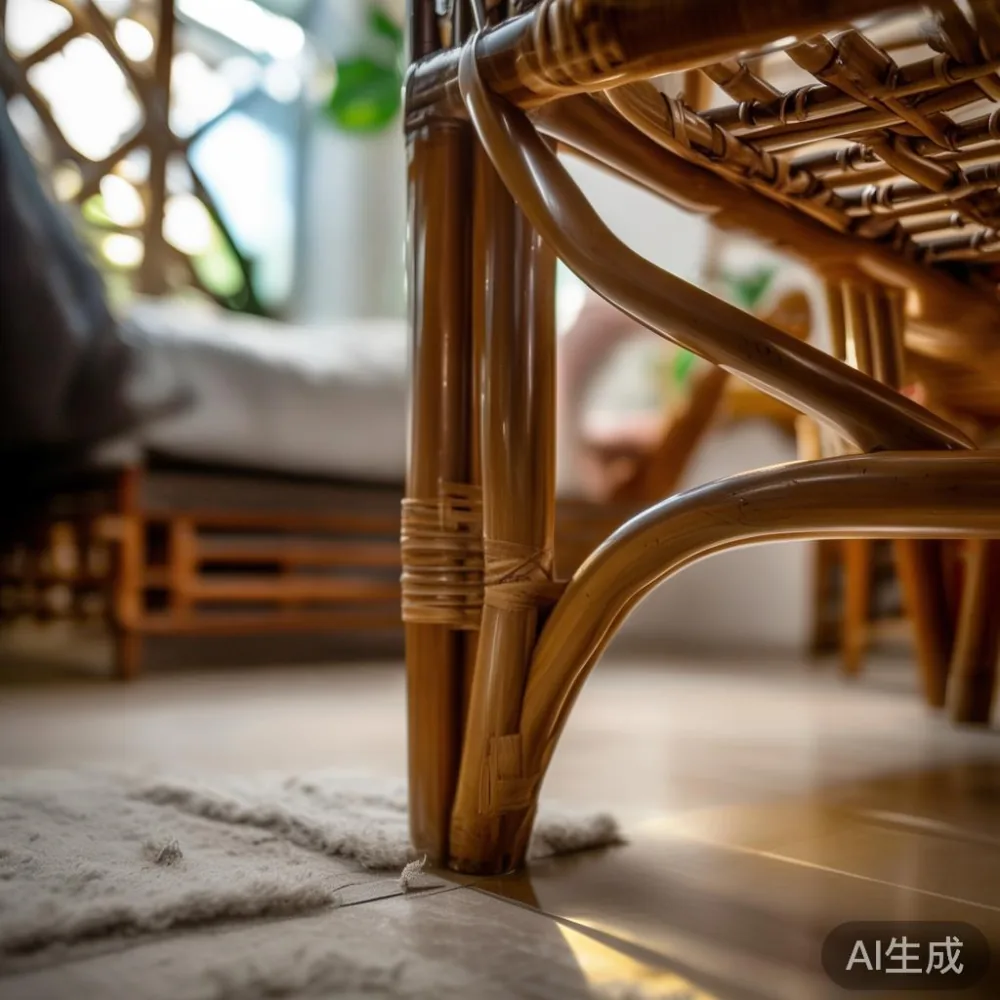
Why does lacquer fail so quickly in a Singapore HDB?
Lacquer is a thin polymer skin, usually nitrocellulose or polyurethane, sitting on top of stained wood. In a Singapore HDB flat the ambient relative humidity sits between 70 percent and 85 percent for roughly nine months of the year, and indoor temperatures rarely drop below 26 °C even with the air-con running on a 23 °C setpoint. That combination is lacquer’s worst enemy. The wood underneath the film absorbs and releases water vapour every day; the film does not. The result is micro-cracking, whitening at the joints, and the dull grey bloom you see on a bedside table placed two metres from a kitchen wall. Add corridor-level dust, lift vibration, and the GST you already paid on a S$3,400 rattan dining set, and you have a perfect storm for surface failure.
What does “light luxury” mean for a lacquered rattan piece?
The phrase French light luxury gets thrown around on every Taobao listing, so it helps to pin it down. In furniture terms it means restrained silhouettes, slim 4–6 cm turned legs, brushed brass or matte black hardware, and a warm honey or walnut stain rather than the high-gloss mahogany of the 1990s. Picture a 1.8 m solid wood bed frame with a low French provincial headboard, soft-curved, upholstered in a linen-cotton blend — the kind of headboard that is shaped rather than tufted. American light luxury is its cousin: thicker proportions, more visible joinery, often a 5 cm bullnose edge on the dining tabletop and oversized shaker-style drawers on the nightstand. Post-modern light luxury breaks the symmetry — an asymmetric wardrobe door, a marble table insert cut on a 30-degree angle, a rattan door panel that reads as art rather than craft. All three styles rely on a flawless lacquer film because the design language hides nothing; one scratch under the bedside lamp is visible from across the room. Knowing which style you own tells you how aggressively you need to maintain the film.
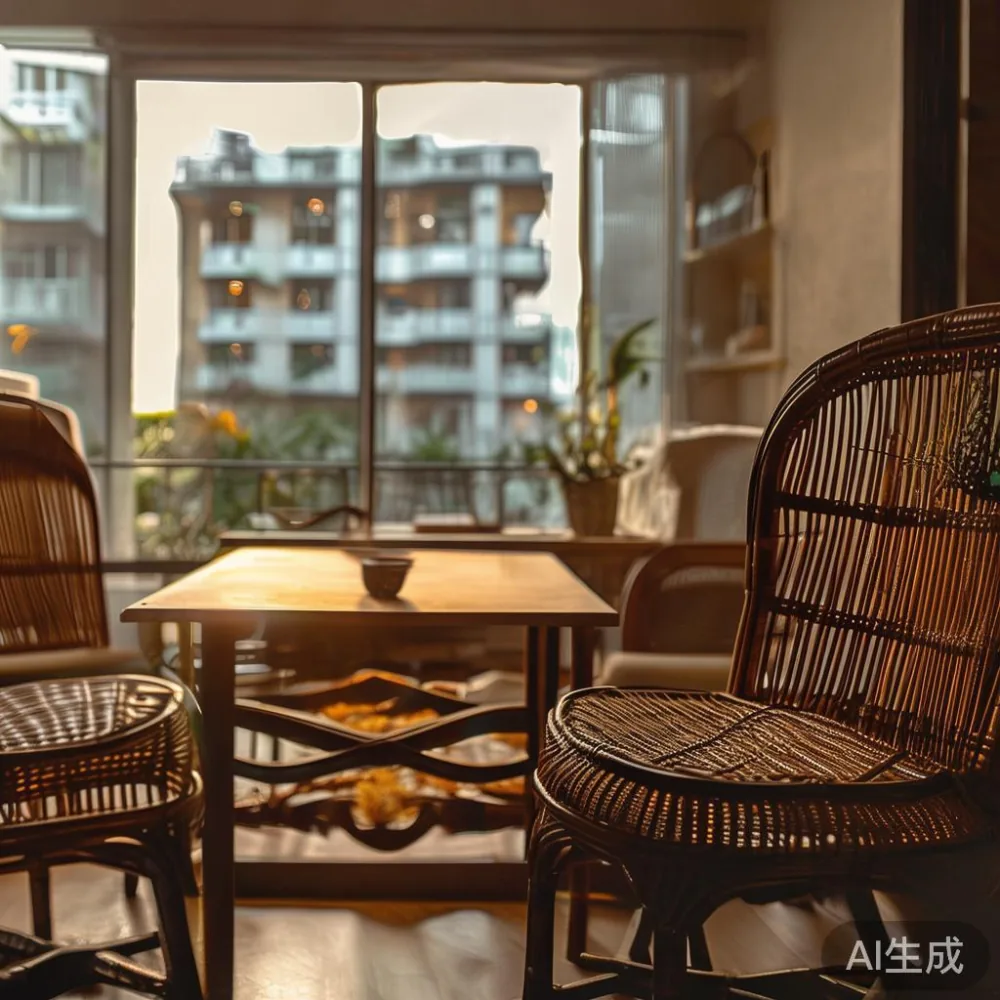
Is French provincial headboard furniture worth it?
Yes, a French provincial headboard is worth the premium for owners who want a calm, low-contrast focal wall and are willing to commit to a 10-minute weekly wipe-down. The curved timber silhouette and soft fabric panel disguise minor lacquer wear far better than a flat American shaker headboard, and a 1.8 m queen-size version from a reputable Foshan maker typically retails in Singapore between S$2,200 and S$3,800 after GST, which is reasonable for solid rubberwood or ash construction.
The first 14 days: acclimatising a new lacquered piece in your HDB
Most damage I see on customer photos happens before the warranty card is even filled in. A 90 kg solid wood sofa frame shipped from Foshan arrives in a corridor that is usually 1.2 m to 1.5 m wide in newer BTOs and as narrow as 1.05 m in older Bedok blocks. The delivery team tips it, pivots, and the lacquer edge kisses the lift wall. Two weeks of correct settling prevents half of that. Open all packaging the same day, lift — never drag — every component into the living room, and leave the panels standing vertically with 10 cm of airflow on each side for 48 hours. Resist the urge to place the wardrobe or dining table flush against an exterior wall. In a Punggol Northshore BTO that wall can read 32 °C and 92 percent RH at 3 pm while the corridor side reads 27 °C and 65 percent; the resulting moisture gradient bows the panel and stresses the lacquer. Keep the room between 22 °C and 26 °C and 55–65 percent RH for the first fortnight if possible. A S$45 Xiaomi hygrometer is cheaper than a S$280 refinishing visit.
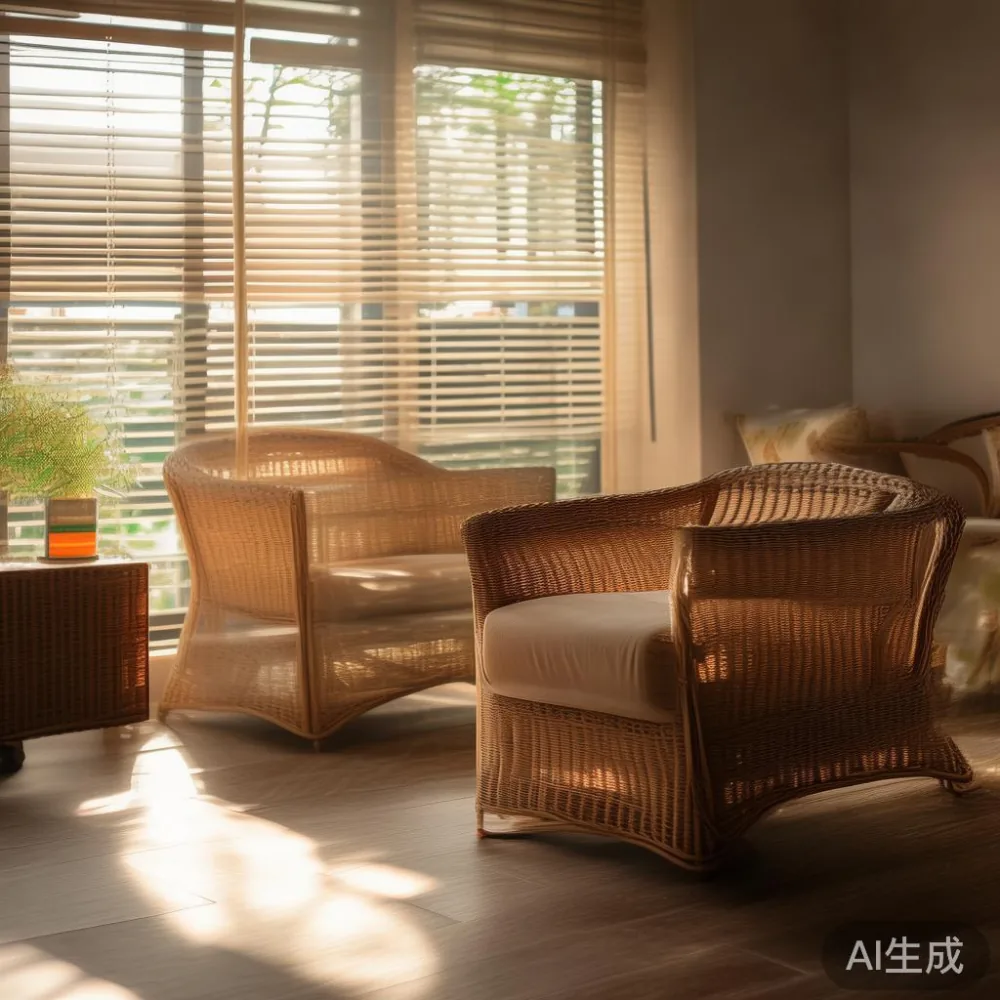
Cleaning routine: what to use, what to avoid
For day-to-day care, a microfibre cloth barely dampened with distilled water is enough. Wring the cloth until no water drips, then wipe with the grain. Once a fortnight, replace the water with a pH-neutral wood soap — about 5 ml in 500 ml of water — and dry the surface immediately with a second cloth. Never use spray polishes that contain silicone, citrus solvents, or ammonia. They soften the film in under a minute and the clouding appears three days later. On a rattan wicker door insert or a rattan wicker seat back, switch to a soft boar-bristle brush and vacuum with a brush attachment at 200 W or lower; a 2,000 W stick vacuum at close range will shred the reed within a season. For marble table inserts — common on post-modern light luxury coffee tables — use a separate pH-neutral stone spray; the acids in wood soap etch polished marble within a year.
Sun, rain, and the air-con paradox
Singapore sunshine delivers roughly 1,500 to 2,000 lux on a north-facing window at noon, and UV-A is the lacquer killer that humidity starts. Pull sheer curtains during the 11 am to 3 pm window, especially on rattan pieces, because the dye in natural rattan wicker fades two shades within eight weeks of direct exposure. The air-con paradox is this: running a 9,000 BTU unit in a 12 sqm bedroom pulls RH down to 40 percent, which is too dry for solid wood and causes the same micro-cracking as too much humidity. Aim for 55–60 percent. If you wake up with static shocks, the room is below 45 percent and your lacquer is shrinking faster than it should.
Moving day, lift doors, and the S$80 scratch you can prevent
A 2 m wardrobe will not fit through a 0.9 m HDB lift door if you keep the doors on. Plan to remove them, wrap each edge in 5 mm felt, and label the panels. Budget 45 minutes for a two-person disassembly and 60 minutes to reassemble on the other side. The felt pack costs about S$18 at any Tampines hardware shop and saves the S$80 to S$150 refinishing fee per edge. The same rule applies to a 1.6 m dining table that has to pivot from the corridor into the kitchen — felt the corners, slide it on a furniture dolly rather than the cardboard base it arrived on, and you will keep the 10-year structural warranty intact. MIDHILL explicitly excludes impact damage from the structural warranty, but the lifetime refinishing service I used last quarter on my own coffee table cost me only the one-way shipping from Singapore to the Foshan workshop, which was S$240 by sea-freight for a 28 kg parcel.
Long-term care: the 6-month and 24-month checkpoints
Set two calendar reminders. At the 6-month mark, inspect every horizontal surface under a torch at a 30-degree angle; micro-scratches show as bright lines. A coat of paste wax — about S$35 for a 250 ml tin — buffed with a lambswool pad fills the scratches and adds a sacrificial layer. At the 24-month mark, book a professional inspection if the piece lives within 1.5 m of a window, a kitchen, or a bathroom. A typical on-site refinishing for a dining tabletop costs S$320 to S$480 in Singapore and takes 4 to 6 hours including drying time. For a rattan wicker headboard panel, ask the technician to use a water-based acrylic sealant rather than solvent lacquer; the acrylic remains flexible and breathes with the reed, which a rigid solvent film does not.
When things go wrong: realistic timelines and real costs
Clouding from humidity usually lifts with two rounds of paste wax and a 24-hour cure. Water rings from a forgotten mug come out with a Mayonnaise trick — a pea-sized dab of full-fat mayo, rubbed in with a soft cloth, left for twenty minutes, then buffed — and works on roughly 7 out of 10 rings. Deep white heat marks from a S$6.50 IKEA hot-pot need a professional. Expect 7 to 14 working days for a workshop turnaround, and SGD 90 to SGD 160 per affected zone. If the lacquer has actually cracked down to bare wood, plan on full sanding and re-coating, which for a 1.8 m dining table runs S$420 to S$650 depending on the number of coats (three is the Singapore humidity minimum). MIDHILL’s lifetime refinishing policy covers this for the original buyer, with the customer paying only the freight both ways; I have used it twice and the piece has come back indistinguishable from new.
Quick reference: a Singapore owner’s cheat sheet
- Target indoor conditions: 22–26 °C, 55–65 percent RH, under 1,500 lux direct light.
- Weekly wipe: distilled water, microfibre, with the grain.
- Fortnightly clean: 5 ml pH-neutral wood soap in 500 ml water.
- Rattan wicker seats: vacuum at 200 W, brush with boar bristle, never silicone spray.
- Marble table inserts: pH-neutral stone spray only.
- New piece settling: 48 hours, 10 cm airflow, no exterior wall contact.
- Move day: S$18 felt pack, felt the edges, dolly not cardboard.
- 6-month mark: paste wax, lambswool pad, 24-hour cure.
- 24-month mark: professional inspection near any heat or water source.
- Warranty paperwork: photograph the serial plate, save the invoice for GST claims if you are furnishing a rental.
What about Japandi leather assembly difficulty for a rattan-and-leather lounge chair?
Japandi leather assembly difficulty is a real concern for first-time buyers because the Japanese-Danish hybrid style uses slimmer joinery, lower-profile bolts, and sometimes a single rattan back panel that must seat into a leather-wrapped frame without forcing it. Plan 90 minutes for two people, lay out every M6 and M8 bolt in the order they appear in the manual, and never use a power driver above 2 Nm on the rattan sub-frame — the reed splinters at roughly 4 Nm. Most Singapore owners I have spoken to finish in 75 to 110 minutes and report that the slow-down is almost always the rattan seat panel, not the leather strapping.
Frequently asked questions from local owners
Can I put a lacquered solid wood bed frame directly on a floor without legs? No. Even a 5 cm airflow gap under the side rail prevents the 80–100 g of nightly perspiration from soaking into the end grain. Use 3 cm felt pads or low hardwood risers.
Is the lifetime refinishing warranty really lifetime? For the original registered buyer, yes. Transferring ownership usually resets it to a 5-year policy, so keep the original invoice with the warranty card and note the serial number on both.
Does a rattan wicker wardrobe door swell in the wet season? Expect 2–3 mm of expansion in October and February. MIDHILL leaves a deliberate 4 mm gap on each vertical stile so the panel can breathe without binding; never paint over that gap with a sealant.
Which cleaning product sold in Singapore is safe? Any pH-neutral spray labelled for lacquered wood, priced between S$12 and S$25 for 500 ml, is safe. Avoid anything that lists silicone or “shine enhancer” in the first four ingredients.
How long does delivery actually take? From Foshan to a Singapore condo, 18 to 26 days by sea, plus 2 to 4 days for last-mile. Free shipping kicks in above US$350, which is roughly S$480 at today’s rate, so combining a nightstand with the dining table usually clears the threshold.
Closing thoughts from a Tampines balcony
Write the purchase date on the underside of every lacquered piece with a pencil — graphite, not marker — and you will thank yourself in seven years when the refinisher asks for the batch. Photograph the serial plates, save the box for ninety days in case of a return, and remember that the fourteen-day return window starts at the lift lobby, not the courier warehouse. A S$3,800 French provincial headboard or a S$2,100 post-modern light luxury marble table is a long-term companion, not a fast-fashion purchase. Treat the lacquer like a phone screen: clean it often, protect it from impact, and keep it away from sustained heat. Do that, and your rattan-wicker-accented solid wood bedroom will still look new when the next HDB en-bloc rumour reaches your block.