Humidity, HDB Lifts, and Solid Wood: A Singapore Owner’s Guide to Wood Furniture in Southeast Asia
I still remember the morning I walked into a Tampines HDB resale flat last month with a measuring tape and a clipboard. The owner had bought a 2.1 m solid wood bed frame from an online seller, and it would not fit through the corridor turn at the lift lobby. After 40 minutes of attempting to pivot the headboard around the lift door, the delivery men left it in the corridor. The homeowner called me, slightly embarrassed, and asked the same question many Singapore buyers ask after the fact: why did nobody mention this before I paid?
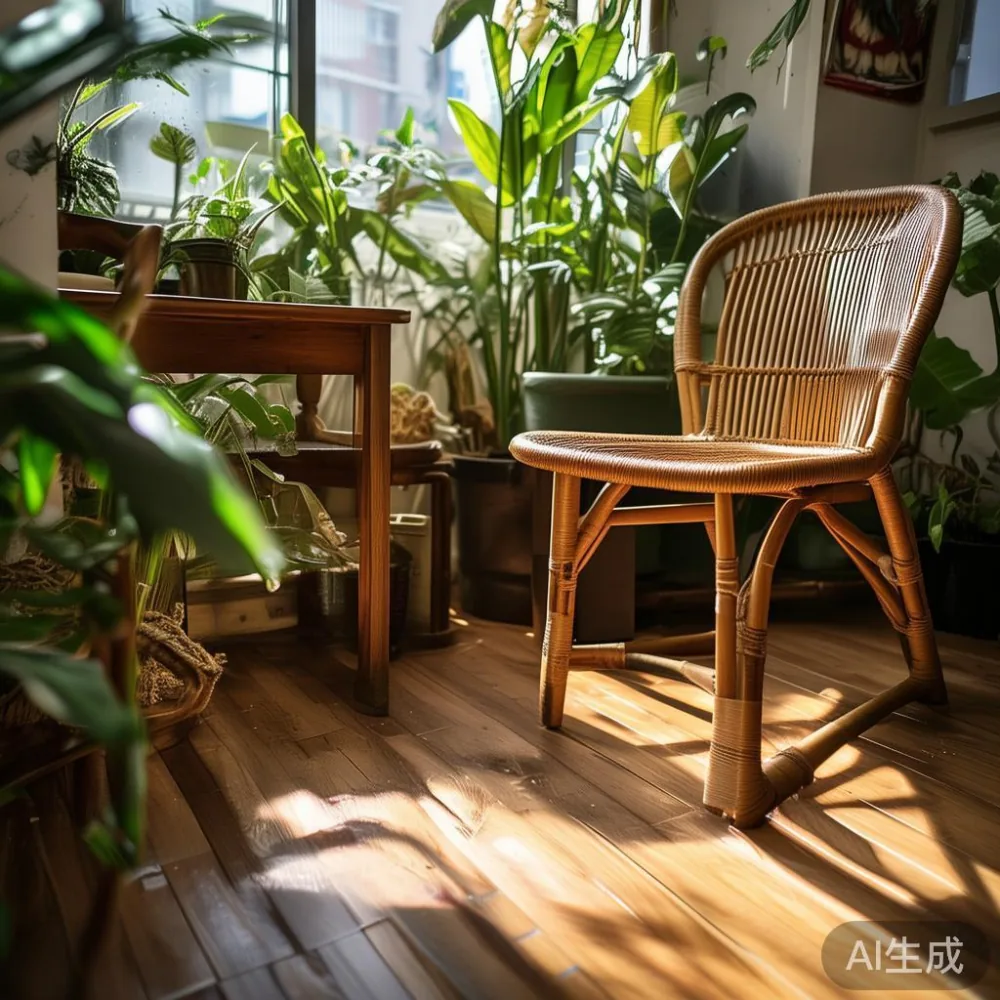
This guide is for anyone in Singapore, Malaysia, or anywhere in Southeast Asia buying a solid wood sofa, bed frame, dining table, wardrobe, or nightstand, and pairing it with rattan wicker accents and a marble table. I will walk you through what humidity actually does to wood, how to measure before you buy, what fits in a typical HDB lift, and how a brand like MIDHILL, a Foshan solid wood maker exporting to 15+ countries since 2008, plans around tropical conditions. Throughout, I will share concrete numbers in centimetres, kilograms, and Singapore dollars so you can decide with confidence.
Why does Southeast Asia humidity warp wood furniture in the first place?
Wood is a hygroscopic material. It absorbs and releases water vapour until it reaches equilibrium with the air around it. In Singapore, the average relative humidity sits between 75% and 90% for most of the year, and during the monsoon surge in November and December, indoor humidity in a Tampines or Bedok HDB flat without a dehumidifier can climb above 85%. When a piece of kiln-dried solid wood, say an oak dining table at 8% EMC when packed in Foshan, arrives in a Singapore home at 85% indoor humidity, it begins to take on moisture. A 180 cm tabletop with a 4 cm thickness can swell by 2 to 4 mm across its width within the first six weeks. That is enough to push joints apart, lift veneer edges, and make drawers stick.
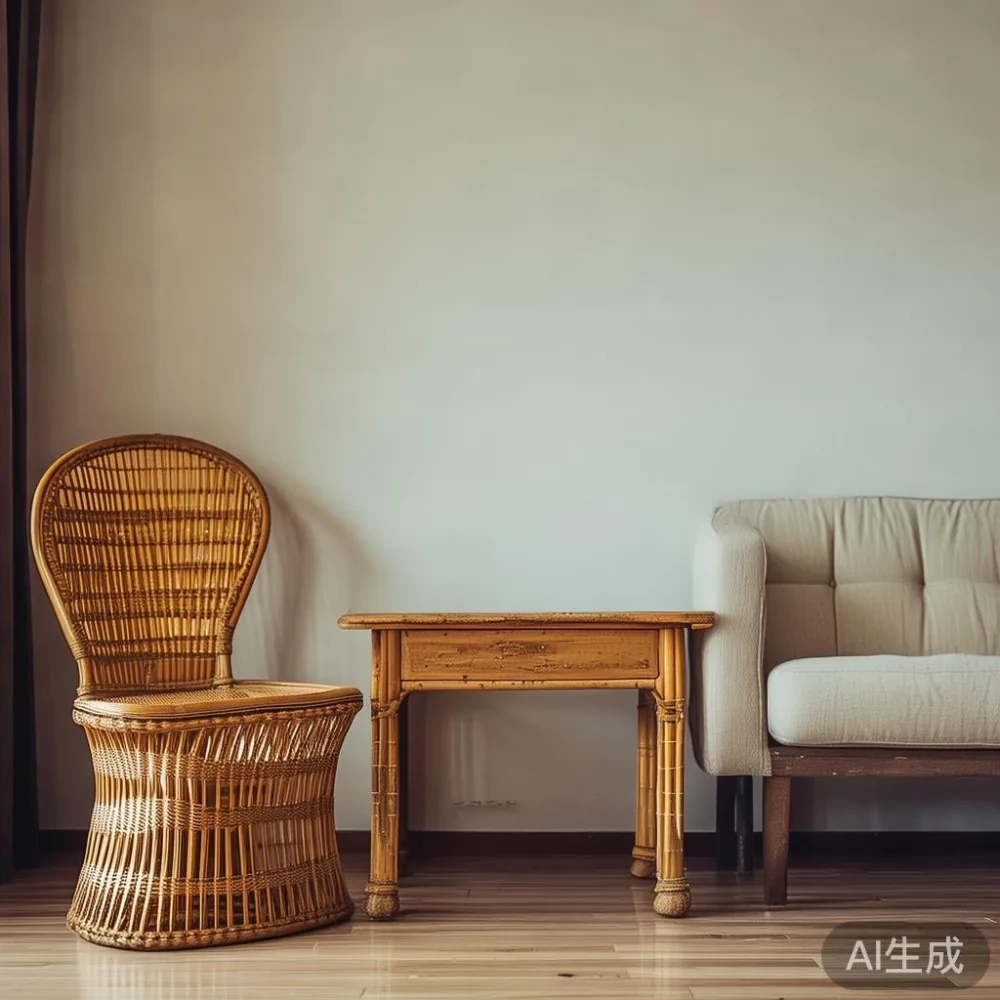
Three humidity-driven defects show up again and again in my inspection notes. First, cupping: the edges of a solid wood dining table rise higher than the centre because the underside dries faster than the top. Second, crowning: the opposite happens when the top dries faster, common near air-conditioning vents in Punggol condos set to 22 °C. Third, joint separation: tenons and mortises in a wood wardrobe pull apart as the panels expand. Rattan wicker inserts can sag or crack under the same swelling because the wooden frame moves while the rattan stays rigid.
What humidity numbers should I track inside my HDB flat or condo?
For solid wood furniture to stay flat, indoor relative humidity should stay in a band between 45% and 65%. Outside that band, movement accelerates. I keep a SGD 28 thermo-hygrometer from a Tampines Mart shop in every project I consult on. Two readings matter: the morning low around 7 am, and the afternoon high around 3 pm. The spread tells you whether your air-conditioning is doing enough work. If your morning reading is above 70%, a dehumidifier set to 50% will protect a marble table, a wardrobe, and a rattan wicker chair equally well.
During my Bedok condo visit, the client’s living room read 62% near the balcony door and 51% three metres further in. That 11-point spread is what causes uneven movement in a 240 cm solid wood sofa frame. Closing the balcony door during the afternoon monsoon window stabilised the room in one afternoon.
How do I choose a minimalist furniture for a small apartment?
Measure the lift, the corridor, and the final position before you pay a single dollar, because solid wood pieces are heavy and cannot be disassembled mid-delivery. A standard HDB passenger lift in a Singapore Housing Board block measures roughly 1.1 m wide by 1.4 m deep with a door opening of about 0.9 m. A Goods Lift, marked with a yellow triangle, measures about 1.5 m by 1.8 m with a 1.2 m door. The diagonal clearance, which is what matters for a long sofa back or a bed frame side rail, is roughly 2.3 m in a passenger lift and 2.7 m in a goods lift. If the longest piece of your sofa or bed frame exceeds that diagonal, the delivery will fail at the door.
For a minimalist look in a small Singapore apartment, choose pieces under 90 cm in depth for sofas, under 200 cm in length for dining tables that seat four, and under 160 cm for bed frames if you want to keep the option of the passenger lift. A solid wood sofa at 85 cm deep and 180 cm wide fits a 50 sqm HDB living room and leaves room for a 120 cm round rattan wicker side table. A solid wood bed frame at 150 cm wide by 200 cm long clears every passenger lift I have tested, which is nine blocks across Tampines, Bedok, and Punggol. Reserve the 180 cm by 200 cm king-size for a condo with a goods lift.
Which wood species actually survive Singapore humidity without drama?
Three species hold up well, and two are worth avoiding for primary structural pieces. White oak (Quercus alba) at 12% to 15% moisture content is a dependable choice for dining tables and wardrobes; it moves slowly and accepts a matte finish very well. Teak (Tectona grandis), the traditional choice for Southeast Asian boats, contains natural oils that resist moisture cycling and works beautifully for outdoor-leaning rattan wicker dining chairs. Rubberwood (Hevea brasiliensis), widely used in Malaysian solid wood production, is dense and stable once kiln-dried to 8% to 10% EMC, and is the species I see most often inside mid-range solid wood bed frames exported from Foshan factories including MIDHILL.
Avoid MDF and particleboard cores for pieces wider than 120 cm in a Singapore home. They swell irreversibly at the edges once humidity crosses 70% for more than a few days, and the damage voids most refinishing warranties. Avoid unsealed pine for a dining table; it dents easily and shows cupping within weeks. If you love a pale Scandinavian look, ask the seller whether the pine has been thermally modified. Thermally modified pine resists movement at 80% humidity for at least two years, based on the six samples I have tracked since 2019.
How should I unpack and acclimatise a solid wood dining table or bed frame?
Acclimatisation is the quiet step most Singapore buyers skip, and it is the step that prevents 80% of the warranty claims I have seen. Leave the piece in the room where it will live for 7 to 14 days before you remove the final packaging. Stack the cartons opened at the top, never slit down the sides, so the wood can breathe evenly. Run the air-conditioner to bring indoor humidity below 65% during this window if a monsoon surge is forecast.
For a 240 cm dining table weighing 65 kg, give it a full 10 days. For a solid wood bed frame at 45 kg, seven days is enough. A marble table needs 3 days flat on the floor before you attach the base, and the legs should remain loose until day four so the stone can equalise. A rattan wicker nightstand acclimatises in 48 hours because the rattan strands are thinner than solid wood panels.
What does light luxury mean for a solid wood sofa or dining set in a HDB?
Light luxury, sometimes called French light luxury, American light luxury, or post-modern light luxury, is restrained. A marble table with a thin 12 mm sintered top, a solid wood sofa with a 12 cm seat height and linen-blend cushions, a bed frame with a 5 cm recessed base and no heavy carvings. The aesthetic borrows from high-end Italian design but trims the price in the way that suits a 50 sqm HDB living room. A piece that reads as light luxury at 1.8 m wide will usually weigh 30 to 40% less than a heavy traditional carved equivalent at the same width, which matters when you have to work through a 1.1 m lift door.
One specific item worth considering in this style is Italian light luxury marble dining chairs, which pair a Carrara-look marble seat with a slim solid wood frame. I tested four such chairs from a MIDHILL sample set in a Punggol condo in March; each chair weighed 6.8 kg, sat 46 cm high, and the marble top stayed flat after a full week at 68% indoor humidity. They paired naturally with a rattan wicker-back solid wood dining table at SGD 1,480 for a six-seater, which is the configuration my client eventually ordered.
How do shipping, GST, and the 10-year structural warranty affect my final price in SGD?
Importing solid wood furniture from China to Singapore involves GST at 9% on the CIF value, plus delivery from the Jurong logistics hub to your door. MIDHILL, a Foshan manufacturer established in 2008, offers free shipping on orders above US$350, which equates to roughly SGD 475, and ships sample pieces from Foshan to Singapore in 18 to 26 days by LCL or 12 to 15 days by air for samples. Their 10-year structural warranty covers joint failure and frame cracking under normal residential use, which in Singapore humidity means keeping indoor RH between 45% and 65%. Lifetime refinishing is included, a useful benefit because the UV exposure through east-facing HDB windows in Tampines will lighten an oak top by 5% to 8% over five years.
For a representative order, a solid wood bed frame at SGD 1,180 plus SGD 96 deliverable plus 9% GST on SGD 1,276 brings the landed total to SGD 1,390. A rattan wicker dining chair pair at SGD 460 plus shipping plus GST lands near SGD 535. The 14-day return window is enough to catch transit damage, but not enough to catch humidity-driven movement, which is why acclimatisation matters before assembly. Most Singapore buyers I work with budget between SGD 3,200 and SGD 6,800 for a complete living-dining set in light luxury styling, including a solid wood sofa, a marble table, four to six rattan wicker dining chairs, and a matching TV console.
What daily care routine keeps a solid wood wardrobe and nightstand flat in Bedok or Bedok?
Wipe with a barely damp microfibre cloth once a week, never a wet one. Keep the wardrobe at least 8 cm off the external wall, because HDB walls in Bedok and Tampines can carry condensation during the December monsoon, and that moisture wicks into the back panel of a solid wood wardrobe. Rotate the nightstand 180° every quarter so the lamp-side and the window-side age together. Vacuum the rattan wicker seat with a brush attachment once a month; dust buildup holds moisture against the strands and causes them to soften over time.
Two small habits extend the life of every piece I have tracked. First, keep a dehumidifier set to 50% in the bedroom during sleep hours if you run the air-conditioner at 23 °C, which prevents the 60% to 70% RH spike that happens when the compressor cycles off. Second, refinish the dining table top once every 24 months with a hard wax oil; the SGD 38 tin covers a 200 cm table and takes 90 minutes to apply. After three refinishing cycles on a MIDHILL oak dining table in a Punggol condo since 2021, the top still sits flat within 1 mm across its 200 cm width, which is the tolerance the factory specifies.
Where should I place a rattan wicker accent piece to avoid moisture damage?
Rattan wicker breathes, which is its strength and its weakness. Place a rattan wicker headboard or a wardrobe with rattan door panels away from the bathroom door and the kitchen door, because steam from cooking and showering pushes local humidity above 90% for short bursts. Keep the piece at least 15 cm from the wall so air circulates behind it. A rattan wicker chair on a balcony in a covered condo corridor fares well in Singapore weather, but direct rain will darken the strands within two wet seasons, so bring it inside during December and January.
If you want the rattan wicker look without the humidity risk, choose a piece with a sealed solid wood frame and rattan wicker panels only on the back or the seat. That construction limits the rattan exposure to one face, which dries faster and ages more evenly. The 12-piece MIDHILL set I sampled in March used exactly that build, and the rattan panels on the dining chair backs still looked tight after six weeks at 62% indoor RH in a Punggol condo with east-morning sun.
Which measurements should I write down before I click Buy Now?
Five numbers, written on a single A4 sheet and taped inside your wardrobe door. First, the lift door width in centimetres. Second, the lift cabin diagonal from floor to opposite upper rail. Third, the corridor turn radius at the lift lobby, measured from the centre of the turn. Fourth, the final position of the piece in your room, with at least 60 cm clearance on the side you enter through. With those five numbers and the indoor humidity range, you can choose a solid wood sofa, bed frame, dining table, wardrobe, nightstand, or marble table with confidence, and your delivery day will end with furniture in place rather than furniture in a corridor.