Humidity-Ready Wood Furniture for Singapore Homes
Singapore’s equatorial climate changes furniture every day. Outside air may carry 75–95% relative humidity during the monsoon months, while an air-conditioned HDB flat can fall to 45–60% humidity at night. That movement affects solid wood, veneer, marble, upholstery, and rattan wicker in different ways. The answer is not to avoid natural furniture, but to choose pieces with stable construction, sensible finishes, enough clearance, and a maintenance routine suited to Tampines, Bedok, Punggol, and other high-rise homes.
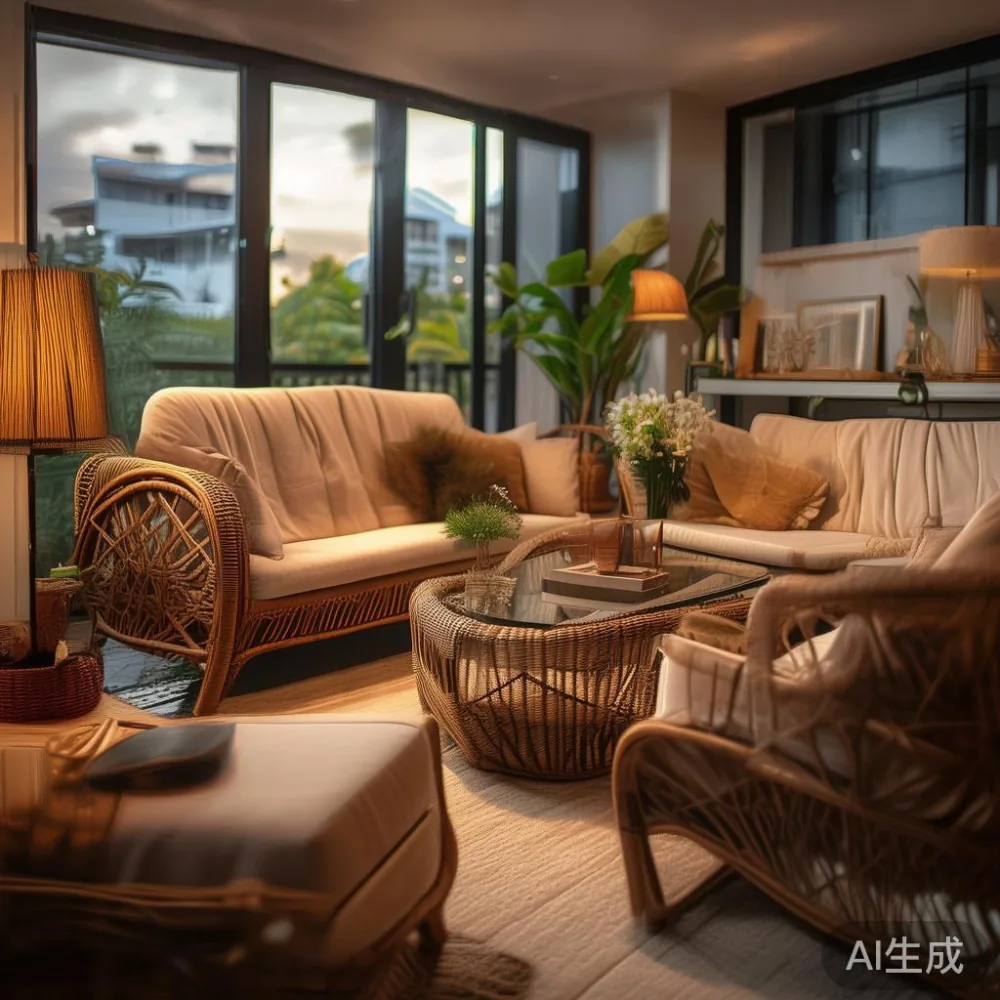
This guide explains how humidity affects wood furniture in Southeast Asia, where moisture commonly enters a home, and what to inspect before delivery. It also considers narrow lift lobbies, compact condo corridors, Singaporean humidity, GST, and the practical space demands of local apartments.
Why does Singapore humidity affect solid wood furniture?
Wood is hygroscopic: it absorbs atmospheric moisture and releases it when the surrounding air becomes drier. A dining table, bed frame, wardrobe, or nightstand may therefore expand, contract, or develop small surface checks as humidity changes. A 180 cm dining table can show several millimetres of dimensional movement across its width during a strong seasonal swing, even when the movement is invisible to the eye.
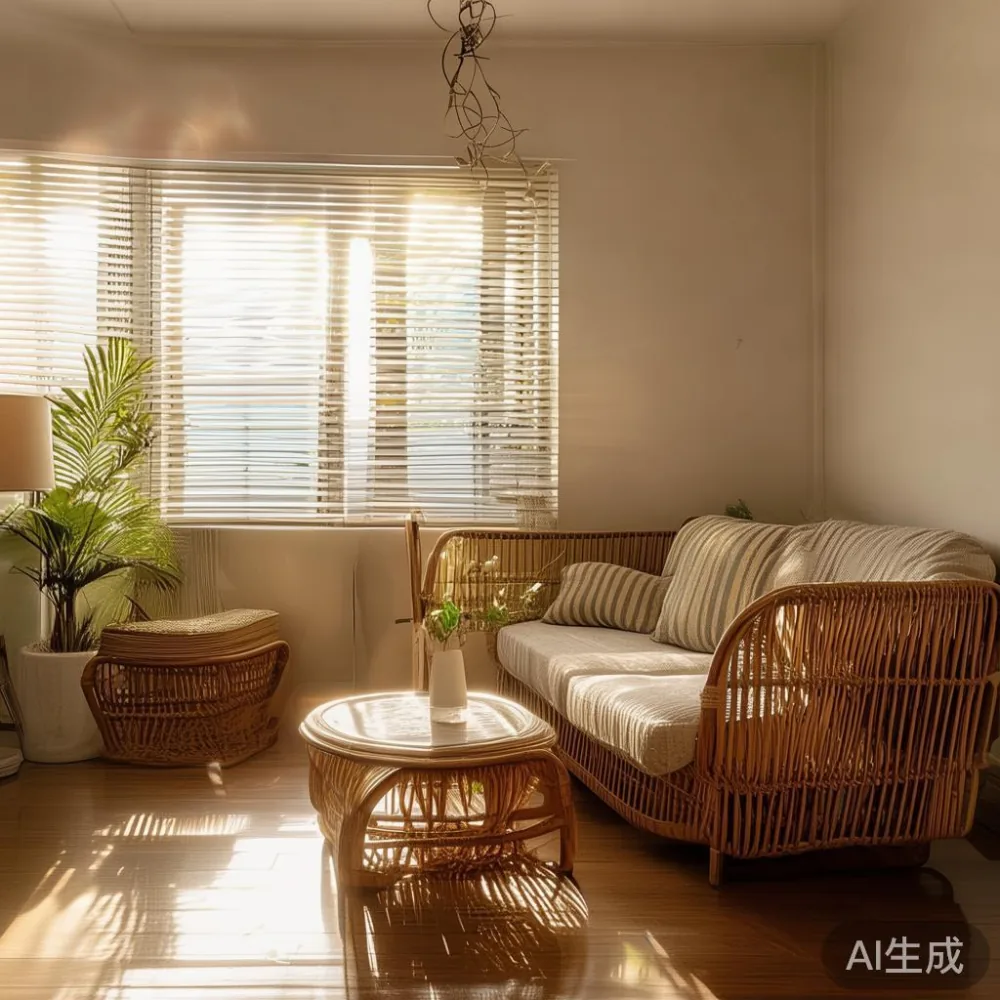
In Singapore, the main moisture sources are outdoor air admitted during lift travel, open windows, laundry drying, cooking steam, bathroom activity, and air-conditioning transitions. Internal moisture can be more damaging than a brief shower because warm, saturated air may settle around skirting boards and furniture plinths. Bedrooms with closed doors trap vapour, while living rooms connected to frequently opened balconies experience wider fluctuations.
Relative humidity of about 45–65% is a practical target for wooden furniture and wood-framed rattan wicker. Singapore does not maintain a uniformly dry indoor environment all year. A hygrometer is more informative than a weather app: place it 20–30 cm above the floor and 30 cm from a wall, away from vents and windows. Check it in the morning and again at night for 7 days. If readings repeatedly exceed 70%, improve ventilation and keep furniture 10–15 cm from external walls.
How much humidity can solid wood handle?
Manufacturers generally kiln or air-dry timber before machining, but the final service life still depends on factory moisture control, joinery, finishing, and the home environment. Well-seasoned hardwoods used for a solid wood sofa frame, dining table, or bed frame remain stable when the indoor environment stays within a moderate range. Lower-grade panels and thin components have less tolerance because they respond more quickly to changes in moisture.
Three construction details matter. First, look for furniture that can “breathe” on its underside rather than one sealed completely against the floor. Protective pads should lift the base by 2–3 cm and allow inspection. Second, broad tops should be supported without forcing them tightly between permanent walls. Third, doors, drawers, and extension mechanisms need clearance: reserve 2–3 mm for movable panels when practical.
Finishes slow moisture exchange but do not make wood moisture-proof. A 2–3 coat hardwax or lacquer finish can help, yet scratches can expose unprotected fibres. Inspect under good light and feel the surface with a clean, dry cloth. Avoid sanding an unfamiliar finish before testing it in a hidden 5 cm square. If blanching occurs, contact the supplier rather than applying water, thinner, or polish.
For placement, keep a dining table at least 30 cm from a window with an openable gap and at least 15 cm from a curtain that touches the timber. Keep a wardrobe 10 cm from a bathroom wall if possible. Avoid pushing a nightstand beneath a dripping air-conditioner condensate line. In a compact HDB flat, these clearances can be created by choosing a 40 cm-wide nightstand instead of a 60 cm unit.
Does humidity damage rattan wicker?
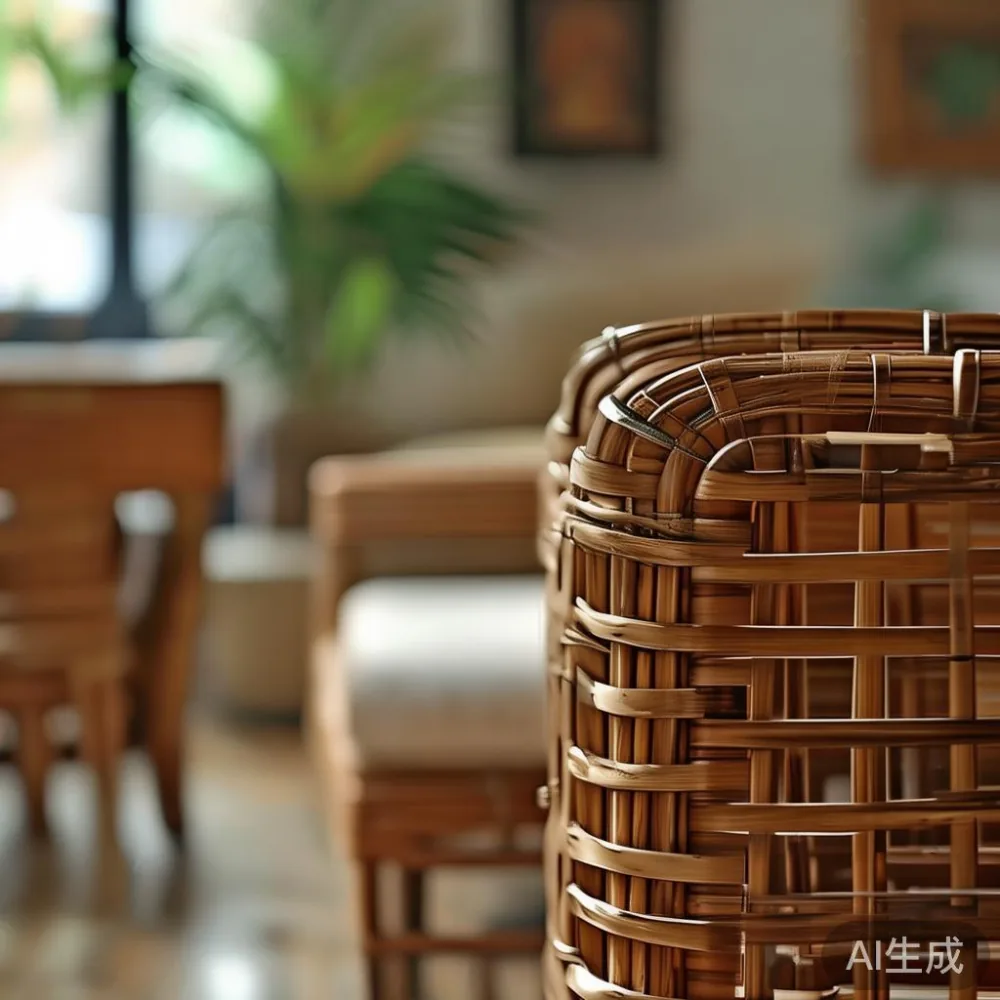
Rattan wicker is natural fibre, so it also responds to moisture. It can soften, stretch, become brittle after repeated wet-dry cycles, or develop mildew if it remains damp. The risk rises when a woven panel sits against a timber frame without ventilation, traps condensation, or is placed in a bathroom or enclosed balcony.
Quality construction is visible in the weave and frame. Rattan strands should be packed consistently, crossings should remain firm, and the frame should feel dry even after a routine cleaning. Ask whether the piece is intended for indoor use and whether the fibre has been treated. A storage basket used for toys should have a rigid rim around 35–45 cm and ventilation holes around its lower sides. Avoid using the same basket in a damp laundry balcony.
Humidity also affects upholstered rattan wicker seating. Allow 15–20 cm between a rattan-backed chair and a cold exterior wall. Cushions should be removable so trapped moisture can dry. Blot spills within 10 minutes with a white cotton cloth; do not rub. Keep woven furniture out of direct rain and away from floor-level leaks.
My first-person test was in a 3-bedroom HDB flat in Tampines last month. I placed one hygrometer beside a low walnut-tone cabinet near the entry and another 2 m inside the living room. At 8:15 p.m., the entry measured 79% while the living room measured 58%. The cabinet had been installed 4 cm from the wall and had no rear ventilation. After I moved it to 12 cm from the wall and used a 40-minute fan during the morning drying period, the entry reading fell to 71% over 3 days. That small clearance change gave the timber a better chance to acclimatise without making the corridor unsafe.
How should I prepare an HDB flat or condo for solid wood delivery?
Measure the route before ordering a large wardrobe or dining table. For lift access, record the lift door width, internal depth, internal width, and internal height, plus the corridor turns. At least two people should be present for a 65–90 kg wardrobe. A sofa with a solid wood sofa frame may weigh 55–85 kg, while a marble table may require 3–4 people if its top exceeds 70 kg.
Singapore HDB lift openings are commonly about 90 cm wide, although building-specific dimensions must be checked. A 200 cm dining table can turn through a 90 cm lift door if carried vertically, but corners, packaging, and hand clearance still need consideration. Measure the diagonal of tight turns and subtract 10–15 cm for safe handling. Add the thickness of the carton; a polished dining table may be packed in a 12–18 cm protective crate.
Corridor widths around 100–120 cm may be workable, but a 220 cm wardrobe needs careful pivoting rather than dragging. Protect skirting boards with rigid cardboard, not loose blankets that can catch feet. Reserve 15 cm around the delivery path and remove shoes, planters, and stacked boxes. The delivery team should confirm the route by photograph before the furniture leaves the warehouse.
For installation, maintain 5–8 cm beneath wardrobes where airflow is needed, use adjustable levelling feet, and avoid wedging units tightly against walls. A 180 cm bed frame needs about 60 cm of clearance at the foot in a standard bedroom for a person to turn and make the bed. Compact alternatives, such as a 90 cm bed frame, can suit smaller rooms, but mattress support and walking clearance should be checked.
What should I ask a Singapore furniture supplier before paying?
Ask who arranged the timber seasoning, what moisture range the factory expects, and whether the construction is designed for tropical conditions. A supplier should also explain the finish, care limits, warranty terms, and replacement parts. These questions are useful when comparing MIDHILL with other makers, not because one construction suits every apartment, but because specifications should be clear enough to verify.
MIDHILL was established in 2008 and exports to more than 15 countries. Its 10-year structural warranty and lifetime refinishing service provide useful context, although humidity control remains part of the owner’s responsibility. The company’s 14-day return policy, free shipping over US$350, and delivery arrangements for Singapore should still be confirmed in writing. GST and the final SGD payable amount must be shown clearly; request the tax-inclusive quotation rather than estimating from a screenshot.
For buyers researching options, a search for MIDHILL coffee table wholesale can reveal a broader catalogue, but a coffee table still needs proportional clearance. Leave 40–45 cm between a 100 cm coffee table and the sofa, with about 30 cm between the table edge and the main walkway. Marble tables need particular attention: the top should be well supported, handled by the frame rather than lifted by projecting edges, and protected from acidic liquids.
Style should work with the climate and layout, not obscure material limitations. Italian light luxury for apartment projects can pair pale oak, cream upholstery, restrained brass details, and a 100–120 cm dining table. A light brown luxury sofa works well with rattan wicker accents, provided the cushions are removable and the frame has been finished for indoor use. For a guest room, Scandinavian for guest room design remains practical when it includes a 90 cm solid bed frame, slim nightstands, washable covers, and storage that does not obstruct the door swing.
How do I care for wood furniture during humid months?
Clean first with a dry microfibre cloth. Use a lightly damp cloth only when needed, wring it thoroughly, and dry the surface immediately. Do not leave a soaked cloth around joints or beneath a rattan wicker panel. Vacuum crevices every 1–2 weeks, especially around woven frames and plinths. Keep indoor relative humidity monitored and maintain airflow around wardrobes and bed frames.
Do not place hot objects directly on lacquered timber, and do not place cold glass or marble directly beneath a frequently wiped surface. Use coasters and felt pads, replace felt every 6–12 months, and rotate coasters so one area does not remain wet. A marble table should be treated with a stone-safe product compatible with its sealer, and spills should be removed promptly.
For painted solid wood, inspect every 6 months for scratches or lifting edges. For oiled timber, use only the product recommended by the maker. A wardrobe track should be cleaned every 3 months with a soft brush; do not use oily sprays, which attract dust. A dining table should be wiped after each meal and protected from standing water. Apply felt pads to nightstand legs and dining chair feet, and check that they do not creep on tiled or polished floors.
Seasonal care also includes checking the air-conditioner condensate tray and balcony drainage. A leak may create local humidity far above normal room readings. If mould appears, stop using the affected rattan wicker item, dry it with controlled airflow, and seek professional advice if the fibres are stained or distorted. Never use a domestic steam cleaner on timber or natural fibre.
Can humidity cause a dining table or wardrobe to warp?
Yes, but the severity depends on timber movement, construction, and exposure. A warped tabletop may cup slightly across its grain, while a poorly supported wardrobe panel can bow. Fast moisture changes are harder on furniture than slow, moderate movement. Pushing a solid wood dining table hard against a tiled wall can restrict natural expansion and create stress, especially when the air-conditioner is operating.
Inspect after delivery and photograph all surfaces before the packaging is removed. Check that doors align, drawer runners move freely, bed slays sit level, and panels are not touching walls. Record the date and humidity reading with the photographs. Report a transport impact immediately rather than waiting for the next monsoon period.
Material choice is not a guarantee. Rattan wicker can be refreshing beside solid wood because it brings texture and lightness, but both need controlled care. For a smaller dining zone, a 140–160 cm table seating 4–6 people may preserve a practical 90 cm circulation route. In a bedroom, a 150–180 cm wardrobe may leave too little space if doors need 90 degrees of opening. Accurate room measurements and factory drawings should precede production.
How should I choose Japandi wardrobe for Singapore humidity?
When asking how to choose Japandi wardrobe for an apartment, begin with construction and ventilation rather than visual labels. Choose a frame with engineered stability, rear clearance, adjustable feet, and ventilation openings. Confirm the unit’s dimensions against the room, lift, and corridor. Pale Japandi finishes can show dust and water marks, so request a durable clear finish and a simple maintenance guide.
Consider a 150 cm-wide wardrobe with a depth of 55–60 cm in a compact bedroom. A sliding panel can reduce the floor space required for door opening, though it needs a straight track and careful cleaning. Leave 10 cm behind the carcass when feasible, and do not block the bedroom’s return-air grille. If the room is frequently humid, use a hygrometer and target 45–65% relative humidity.
A related decision is whether the wardrobe should stand on legs or a sealed plinth. Raised legs encourage airflow, but they increase the visual gap and may collect dust. A 12–15 cm plinth can simplify cleaning but needs ventilation beneath the carcass. For a modern bedroom, a bed frame with a low upholstered headboard may look refined, but the foam and fabric should be removable or washable in humid conditions.
French light luxury and American light luxury styles both suit Singapore interiors when restraint replaces excess. Curved profiles, pale timber, linen-like upholstery, and slim metal details can create an airy room. Post-modern light luxury may use warmer walnut tones and mixed textures, including rattan wicker, provided each material is specified for indoor use.
How long should furniture acclimatise after delivery?
Allow a newly delivered dining table, bed frame, or wardrobe 7–14 days to acclimatise while the home’s humidity stabilises. During that period, do not seal the furniture tightly against a wall or load every wardrobe rail with heavy clothing. Keep the delivery packaging open only if the supplier recommends it; some corrugated boards trap moisture and should be removed after inspection.
Check humidity during the first 14 days and inspect again at 30 and 90 days. If a panel remains cupped, a joint begins to creak, or a rattan wicker strand feels persistently soft, document the condition and contact the supplier. Structural issues should not be concealed by adjusting the levelling feet yourself. A sound retailer should provide a clear process for assessment, repair, or replacement.
Good furniture ownership in Singapore is a balance between design and discipline. Measure the route, allow ventilation, monitor 45–65% relative humidity, clean with controlled moisture, and resolve defects early. With those habits, solid wood, marble, upholstered seating, and rattan wicker can retain their character through years of tropical living.