How Humidity in Southeast Asia Affects Wood Furniture
I keep a small digital hygrometer clipped to the inside of my wardrobe door. Last April, after three weeks of afternoon storms in Tampines, it read 86% RH. The same week, a neighbour in Bedok messaged me a photo of her 4-year-old oak dining table showing a hairline gap where two leaves met — about 1.2 mm wide, she measured with a kitchen ruler. She had bought the table online from a regional seller, and the warranty card said nothing about humidity. That kind of everyday scene is why I'm writing this guide: anyone buying a solid wood sofa frame, bed frame, dining table, wardrobe, or nightstand in Singapore, Johor, or Bangkok needs to understand what tropical humidity does to timber, and what a maker like MIDHILL (Foshan, exporting since 2008) builds into their pieces to handle it.
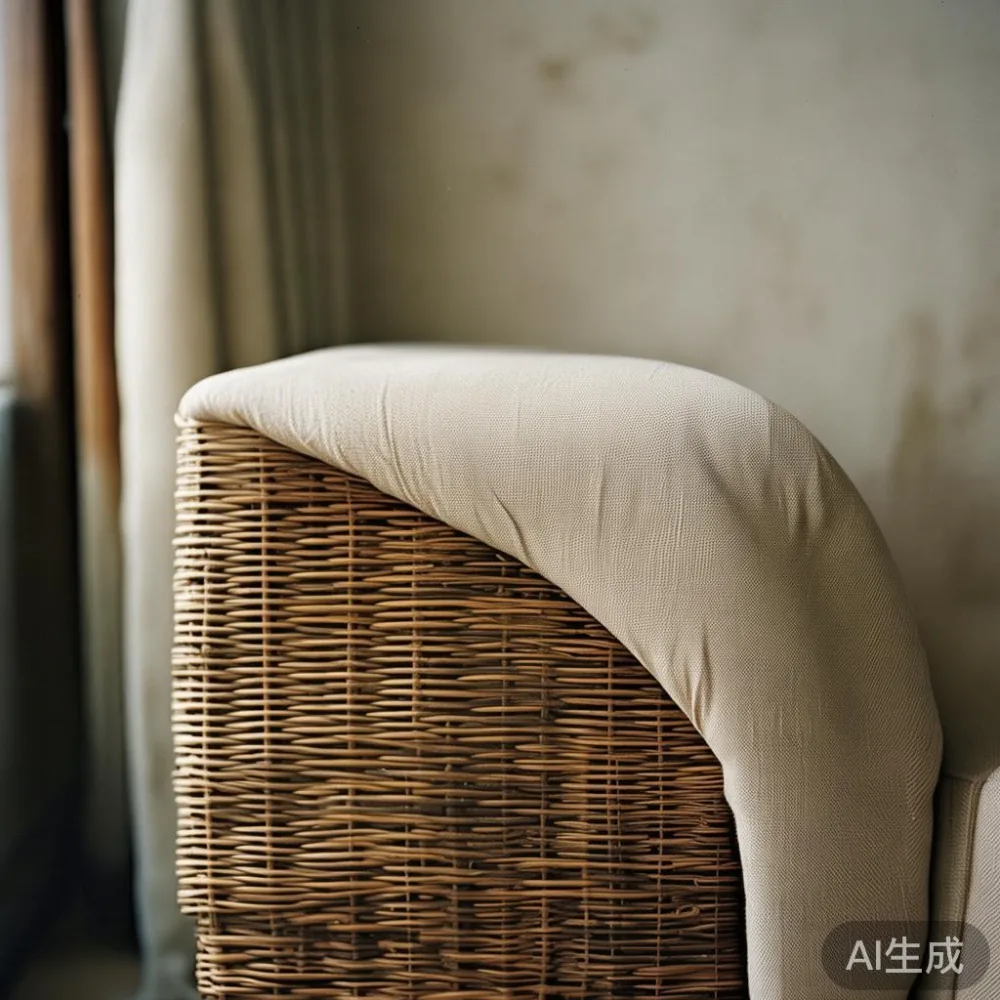
Why does wood furniture move at all in a Singapore HDB flat?
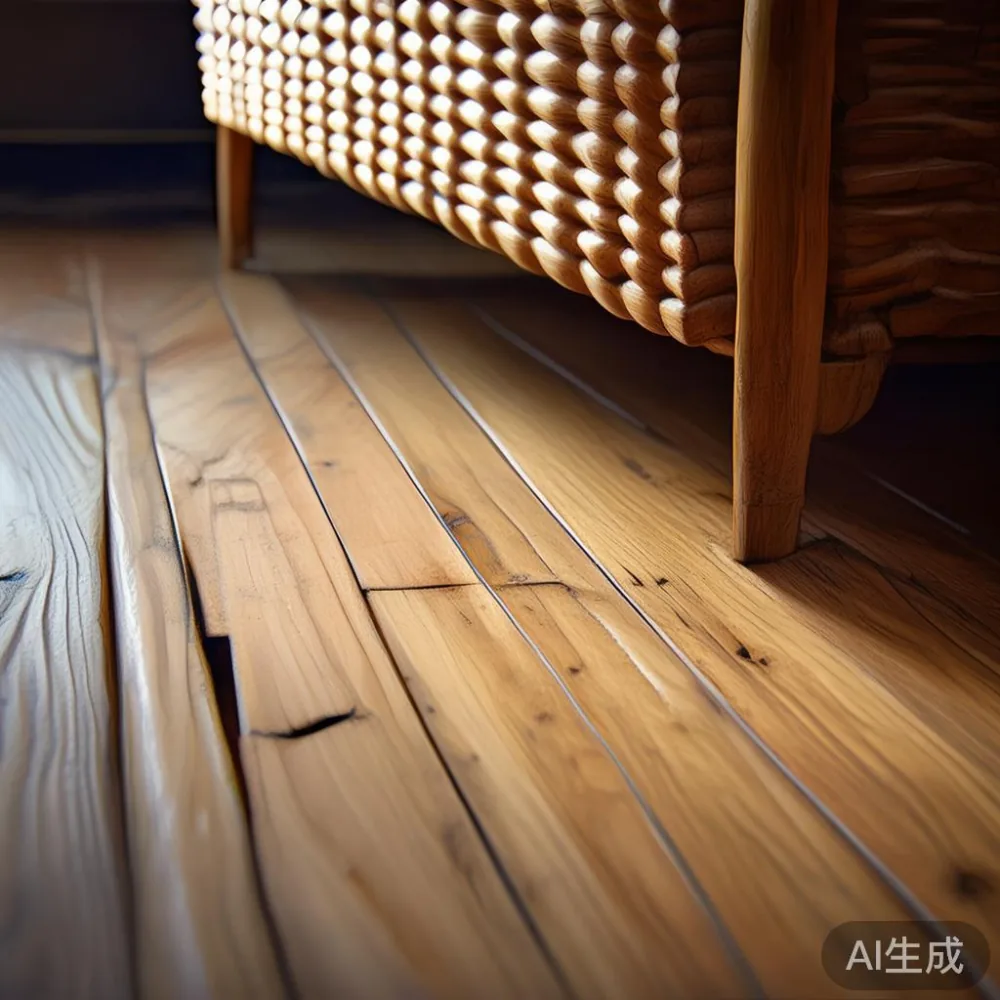
Wood is hygroscopic. Across a typical day in a non-air-conditioned HDB living room, relative humidity (RH) can swing from roughly 62% in the dry afternoon to 88% when the monsoon hits at 11 pm. Multiply that swing across a 1.8-metre solid wood bed frame, and you are asking the timber to absorb and release a surprising amount of moisture. For every 4% change in moisture content, hardwoods such as oak, ash, and teak expand or contract by roughly 0.4% across the grain. On a 200 cm dining tabletop, that works out to almost 1 mm of seasonal movement — which is exactly the gap my Bedok neighbour found.
The good news: that movement is predictable. The bad news: cheap engineered cores, thin veneers, or pieces dried only for temperate climates will telegraph every one of those 0.4% shifts as cracks, raised grain, or sticky drawers. A piece of furniture built by a workshop that exports to 15+ countries, with a 10-year structural warranty, has typically been kiln-dried to a target moisture content of 8–10%, which is the band that holds up in Singapore's climate.
What humidity numbers actually matter for my living room?
Two figures matter more than anything else when you are choosing where to place a new wardrobe or marble table in a Punggol condo:
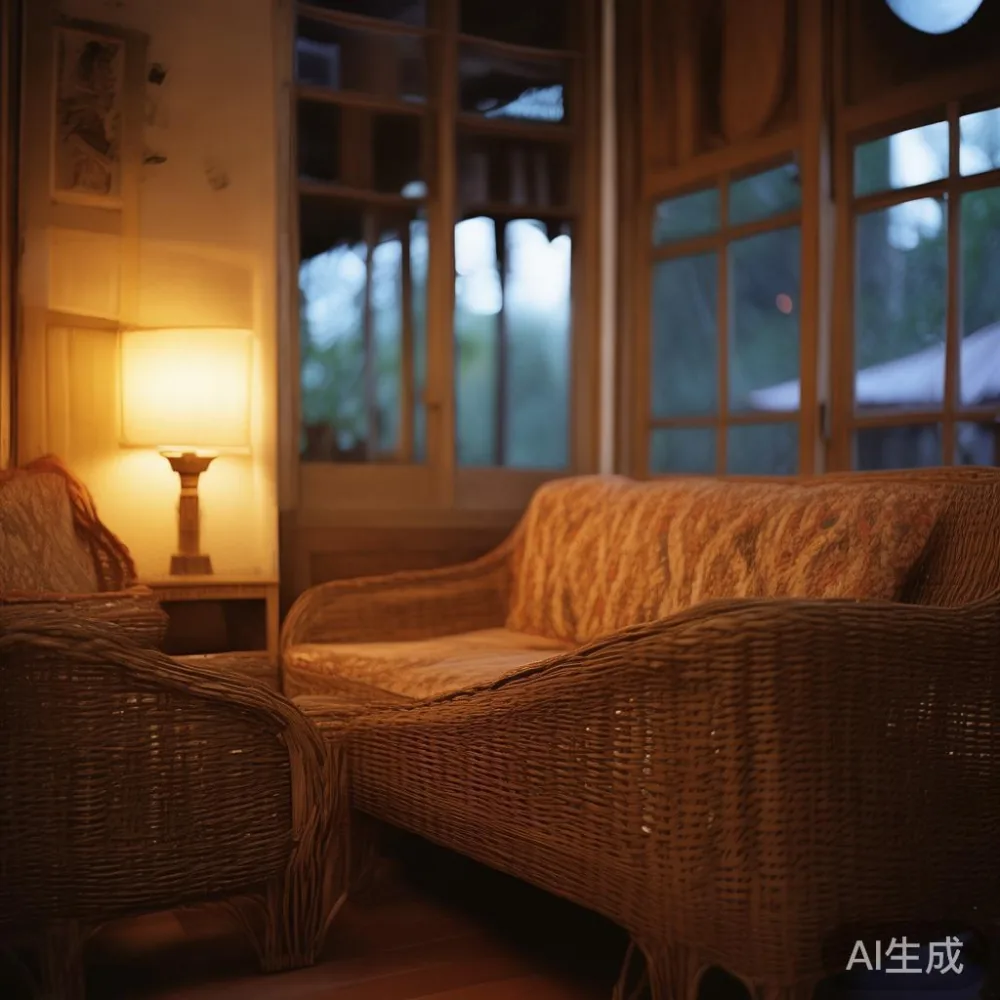
Relative humidity range to keep inside the home: 45–60% RH. This is the comfort band recommended by Singapore's National Environment Agency for indoor air quality, and it is also the band where wood stays calm. Below 40% you risk surface cracks; above 70% you risk mould on unfinished undersides and on rattan wicker inserts.
Target moisture content inside the wood: 8–12%. You can't measure this without a pin-type moisture meter (about SGD 60–90 at HomeFix), but you can ask the maker what they kiln-dry to. Workshops shipping to the tropics should be drying to 10% or below; anything above 12% and you are buying tomorrow's headaches.
If your reading climbs above 65% for more than a few days, run the air-con for 2–3 hours, or place a small desiccant tub (about SGD 12 for 1 kg refillable beads) inside wardrobes with doors closed for 8 hours overnight.
Does a French light luxury look hold up against HDB humidity?
French light luxury — cream upholstery, slim brushed-brass legs, soft curves — depends on the timber underneath staying calm. The visual language relies on tight joinery, and tight joinery only stays tight if the moisture content is matched to the room. A French-provincial-style sofa, for example, uses kiln-dried beech or ash for the internal frame because those species stay stable within ±0.3% movement per RH cycle.
If you are weighing a European sofa vs French provincial sofa for a 95 sqm condo in Punggol, the question is rarely about which is more elegant. It is about which one has a frame built to 8–10% MC, which is something a maker like MIDHILL specifies in their production sheets because they ship so much to tropical climates. European sofas can be excellent, but some are dried for dryer climates and brought straight to a logistics hub without re-acclimatising. A French-provincial sofa with a documented kiln-dry target and a 10-year structural warranty is generally a calmer choice for a HDB corridor that itself swelters at 32 °C and 80% RH on a typical afternoon.
The same thinking applies to a light luxury accent chair for the same living room. Choose one where the frame wood is named (beech, ash, white oak), where the moisture content at delivery is documented, and where the joints are dowelled and glued, not stapled.
Will a Boho bed actually survive a Singapore bedroom?
Boho furniture leans heavily on rattan wicker, raw timber, and woven cane panels — all of which are sensitive to standing moisture. If you are sizing up the best Boho bed for 2026 for a master bedroom in Tampines, here are the practical checks I use:
1. Frame timber. Solid acacia, teak, or kiln-dried oak all handle 55–70% RH with minimal complaint. Pine is more affordable but moves more — fine if the slats are floating and the joinery allows movement.
2. Woven panels. Look for rattan wicker that has been sealed on the back side, not just on the front face. An unsealed back face is where mould begins after two wet weeks.
3. Clearance under the side rails. In a HDB flat, leave at least 6 cm of airspace under the bed frame so a dehumidifier can circulate air. A bed frame sitting flat on a vinyl floor with no gap will trap moisture and smell of damp within 6 months.
4. Finishing oil, not poly. Pure tung oil or hard wax oil lets the timber breathe. Thick polyurethane traps moisture inside and leads to white haze under rattan wicker panels.
If you are looking for the best Boho bed for 2026 specifically — meaning a piece that will still look right in 2031 — the right move is to buy from a maker that both dries the timber for tropical climates and offers lifetime refinishing. That combination is unusual; take it when you see it.
How do I style a French sofa in apartment air that feels like a sauna?
The styling question gets less attention than the construction question, but it matters. If you have ever asked "how to style French sofa in apartment space without making the room feel heavier in humidity?", the answers are mostly about airflow and surface spread:
• Pull the sofa 8–10 cm off the wall, not flush against it. A sofa pushed tight to a HDB wall cuts off convective cooling, and the wall behind it sits at the dew point longer than anywhere else in the room.
• Pair the sofa with a marble table rather than another upholstered piece. Marble is dimensionally stable, draws heat out of the room, and does not absorb moisture the way foam or fabric does.
• Use a rattan wicker planter or pendant as a secondary texture. Rattan wicker is breathable, and a 30–40 cm pendant over a side table actually moves air gently, which keeps the local microclimate drier than a sealed lampshade.
• Slipcovers in linen or cotton for the seat cushions. These fabrics absorb and release moisture with the room, instead of trapping it the way synthetic microfibre can.
This is also where post-modern light luxury helps — the look tends to favour slim profiles, exposed wood edges, and lighter-weight marble tables, all of which behave well in our climate because they don't trap air pockets of high humidity against walls or floors.
What does the bed frame moisture picture look like for 2026?
If you are scanning catalogues for the best light luxury bed for 2026, the spec sheet is what you should read, not the marketing photo. Look for:
• Headboard frame: solid beech or ash, dowelled into the side rails, not screwed.
• Slats: 12–14 slats of solid wood, each roughly 7 cm wide and 1.8 cm thick, with 4–5 cm gaps between them. This gives the mattress and the slats both somewhere to breathe.
• Centre rail: mandatory on any bed wider than 150 cm. Without it, the side rails bow inward within the first wet season on a heavier mattress.
• Finishes: open-grain, oil-based. Close-grain lacquer looks great on day 1 and then checks (fine cracks) by month 9 in a HDB that runs the air-con only at night.
This is also why the warranty term matters as much as the price tag. A MIDHILL wardrobe in solid oak with a 10-year structural warranty and lifetime refinishing will outlast the apartment's first renovation cycle. A SGD 600 wardrobe from a marketplace seller will need replacing in 5–7 years because the panels cup and the drawers bind.
How should I budget realistically for solid wood in SGD?
For a 4-room HDB or a 3-bedroom condo in Punggol, a reasonable solid-wood budget for the core pieces looks roughly like this in 2026 prices:
• Solid wood bed frame (queen, with slats): SGD 1,200–2,200.
• Solid wood dining table (1.8 m, 6-seater): SGD 1,800–3,400.
• Solid wood sofa frame (American light luxury silhouette with linen upholstery): SGD 2,400–4,200.
• Wardrobe, 3-door sliding, solid oak: SGD 2,600–4,800.
• Nightstand, pair: SGD 600–1,100.
• Marble table, accent size 60 cm: SGD 850–1,600.
Even adding the same maker's solid wood sofa frame in a different room, you can keep a full primary set (bed, two nightstands, dining table, wardrobe, one sofa, one accent chair) below SGD 18,000 — comfortably under 2000 Modern furniture pricing per category if you pick the right configurations. Premium shipping from Foshan to Singapore for a full container has come down significantly over the last three years; many makers ship free above US$350, which works out to roughly SGD 470, and tap into 14-day return windows.
One friend I helped last month in Bedok paid SGD 14,800 for a complete 5-piece set — bed, two nightstands, 1.8 m dining table, four chairs — shipped door-to-door in 18 days, inclusive of GST. She considered it acceptable once she realised the nightstand alone would have been SGD 480 from a local furniture mall and SGD 320 from the same workshop directly. The total landed cost including 9% GST was still 22% lower than the mall alternative, and the warranty was longer.
What about rattan wicker — does it age well in our humidity?
Rattan wicker is the piece of the conversation that worries Singapore buyers the most, because they remember a relative's rattan chair going brittle and grey after three years. Three quick rules help:
1. Keep it out of direct afternoon sun. UV degrades the outer skin; humidity does the rest. A piece 1.5 m away from a west-facing window will outlast one sitting 30 cm away.
2. Wipe down monthly with a barely damp microfibre cloth, then a dry cloth. Dust holds moisture against the fibres and is the actual cause of most mould complaints.
3. Re-oil every 18–24 months. A thin coat of lemon oil or a rattan-specific spray (SGD 18–28 per can) keeps the strands supple. Skipping this is what makes rattan wicker crack.
When done right, rattan wicker ages beautifully, gaining a warm honey tone that synthetic fibres cannot replicate. This is also why a French light luxury accent chair using real rattan wicker panels is genuinely a better long-term piece than the woven plastic alternatives — they may look identical in a showroom photo but behave very differently across 60 humid months.
Quick checklist before you click "buy"
Use this in the showroom, or when the delivery team is at your corridor with the boxes:
☐ Timber species named, not just "solid wood".
☐ Moisture content at delivery documented (8–12%).
☐ Joints dowelled or mortise-and-tenon, not stapled or glued-only.
☐ Rattan wicker sealed on back face.
☐ Slats on bed frames at least 12, with centre rail on queen/king.
☐ Finishes oil-based or hard-wax, not thick polyurethane.
☐ Warranty at least 5 years structural; longer is better.
☐ Lifetime refinishing offered.
☐ Lift access to your HDB block confirmed — most HDB lifts are 2.1 m deep, 1.1 m wide, 2.4 m tall, which fits a flat-pack bed frame but not a fully assembled wardrobe taller than 2.1 m.
☐ Corridor turning radius checked — older Tampines blocks have tight U-turns at 2.4 m; measure first.
Will a piece from a tropical-focused maker truly behave differently?
Yes, and the difference shows up in three places. The timber comes out of the kiln already at 10% MC, so it does less moving once it is in your flat. The joinery is built to allow ±2% additional movement without cracking. And the finishing system is breathable, so trapped moisture can escape rather than causing white haze. A workshop shipping to 15+ countries, with the bulk of those destinations in the tropics, has nothing to gain by building dry-climate-only furniture — their own warranty claims would punish them for it.
This is, incidentally, why pieces from a maker like MIDHILL tend to hold up year after year in Tampines flats, Bedok resale condos, and Punggol new builds: they are designed from the kiln schedule up for the air you're actually breathing.
Any final practical tip before I order?
Order a SGD 25 digital hygrometer on the same day you place the furniture order. Place it in the room the furniture will live in. Run it for two weeks before delivery so you know your room's actual range. If your average is above 68% RH, plan on running the air-con 2 hours longer each evening, or budget for a SGD 220–280 12 L dehumidifier for the bedroom. That single habit will do more for a solid wood dining table, bed frame, wardrobe, or nightstand than any finish or warranty can claim to.
Wood that is bought dry, kept dry, and allowed to move by a few millimetres a year is wood that will still look correct in 2036. Wood that is bought wet, kept wet, and held still by tight poly finishes will be in a landfill by 2030. The choice is largely yours, and Singapore's humidity is happy to remind you of it, quietly, every single day.