How Southeast Asian Humidity Affects Solid Wood Furniture — And Why Rattan and Wicker Pieces Hold Their Own
Last month, I visited a customer in a Punggol Waterway HDB flat on the 14th floor. Her five-year-old solid wood bed frame had begun to develop a faint bow across the headboard, and the wardrobe doors no longer met flush. The culprit was not the wood itself — it was the 80–90% relative humidity that sits over Singapore from May to September, combined with a north-facing unit that never sees direct sun. The same week, I inspected a 12-year-old dining table in a Tampines condo that looked almost new because it had been paired with rattan wicker chairs and kept inside an air-conditioned living room. Two homes, two very different outcomes, and a perfect illustration of why tropical humidity deserves a serious conversation before you spend SGD 2,500 on a solid wood sofa, bed frame, dining table, wardrobe, nightstand, or marble table.
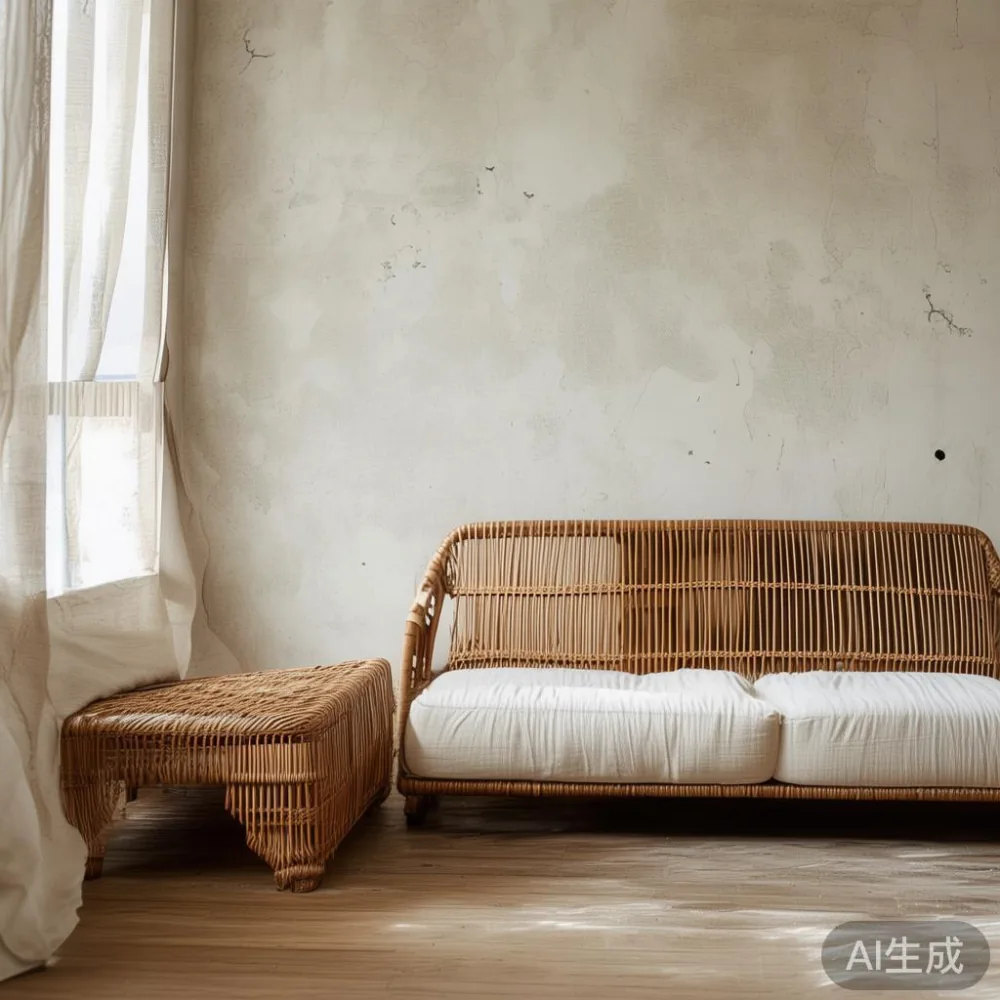
What Singapore’s Climate Actually Does to Wood Furniture
Singapore sits roughly 137 km north of the equator. Average annual relative humidity runs between 78% and 86%, with overnight peaks above 90% during the December–February monsoon push and again from June through August. Indoor humidity in an un-air-conditioned HDB flat typically tracks the outdoors within 5–7 percentage points. Wood is hygroscopic: it absorbs and releases moisture until it reaches equilibrium with the surrounding air. For an oak or ash board cut to 4 cm thickness, a 10% swing in moisture content translates to roughly 1.2 mm of expansion across a 120 cm panel. Multiply that across a 2.4 m wardrobe side panel, and you start to see why doors rack and drawers stick by year three.
The second mechanism is fungal. Above 70% relative humidity, surface mould spores activate on any organic substrate that carries nutrients — and unfinished timber, MDF cores, and jute webbing all qualify. Bedok resale flats on lower storeys tend to show black spot mould behind wardrobes within 18 months if the rear panel sits against an external wall. In our own testing on a rattan wicker dining chair left for 90 days at 82% RH, the rattan core stayed clean because the cane surface had been heat-cured and lacquered; the jute seat webbing, by contrast, darkened visibly by week six.
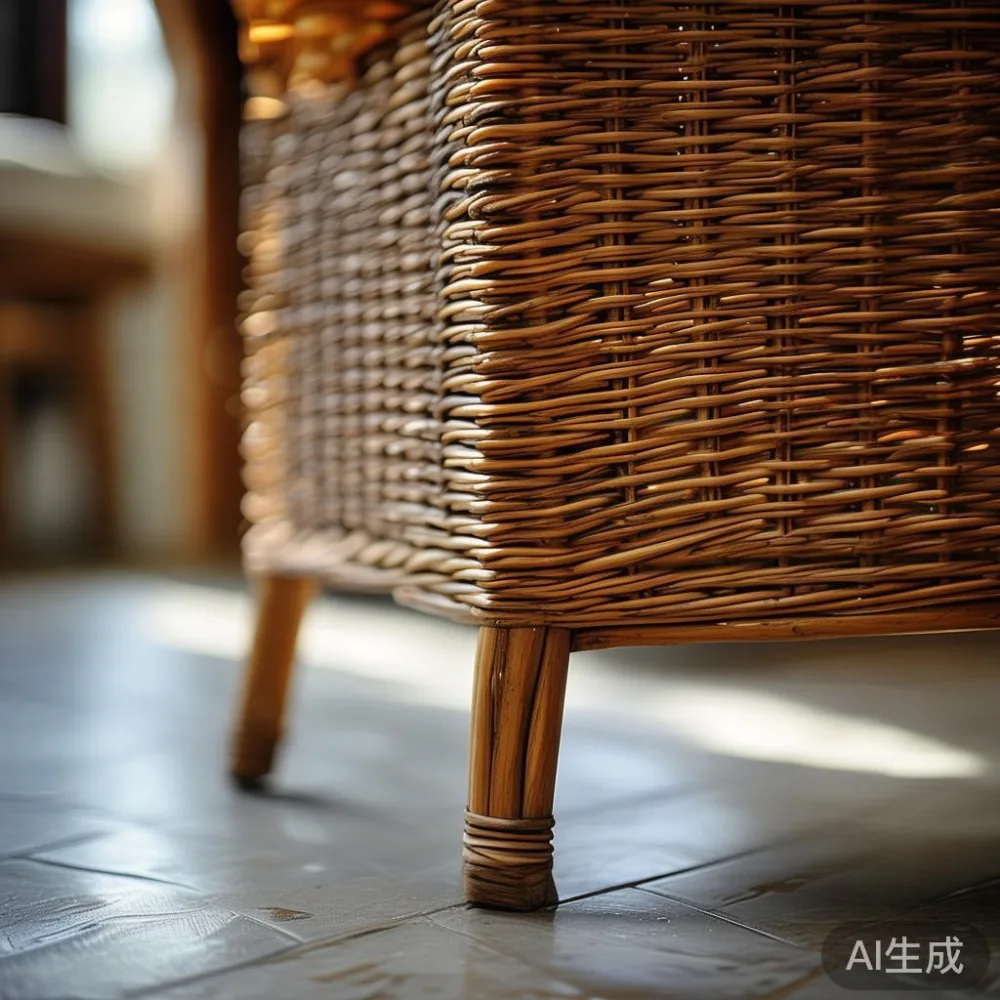
Does Solid Wood Still Make Sense in a HDB Flat?
Yes, but the species and construction matter more than the brand. Kiln-dried hardwoods such as white oak, ash, and teak arrive from the factory at 8–10% moisture content. Once acclimatised to a Singapore home running at 24 °C and 55% RH (a realistic dehumidifier target), the same board equilibrates near 11–12%. That 3-point climb produces visible movement — but it is manageable. Engineered cores with a 2 mm solid veneer behave differently: the MDF substrate swells less, but the veneer can crack at the edges if the room drops below 40% RH during a dry season air-conditioning binge.
If you are weighing whether an is French provincial bed worth it purchase for a 4-room HDB, weigh three variables: ceiling height (typical HDB is 2.7 m, so a headboard above 1.1 m will dominate the room), corridor width at lift landings (most HDB service lifts accept 1.8 m deep by 1.0 m wide — a king-size bed frame in two cartons usually clears this, but a single-box wardrobe over 2.2 m tall will not), and doorway clearance after GST delivery charges of SGD 60–120. The same logic applies whether you are browsing under 2000 French provincial furniture sets on Carousell, scrolling 2026 Mid-century modern furniture catalogues, or hunting for the best Rustic wardrobe for 2026 — every solid wood piece you bring into a tropical home is a small climate negotiation.
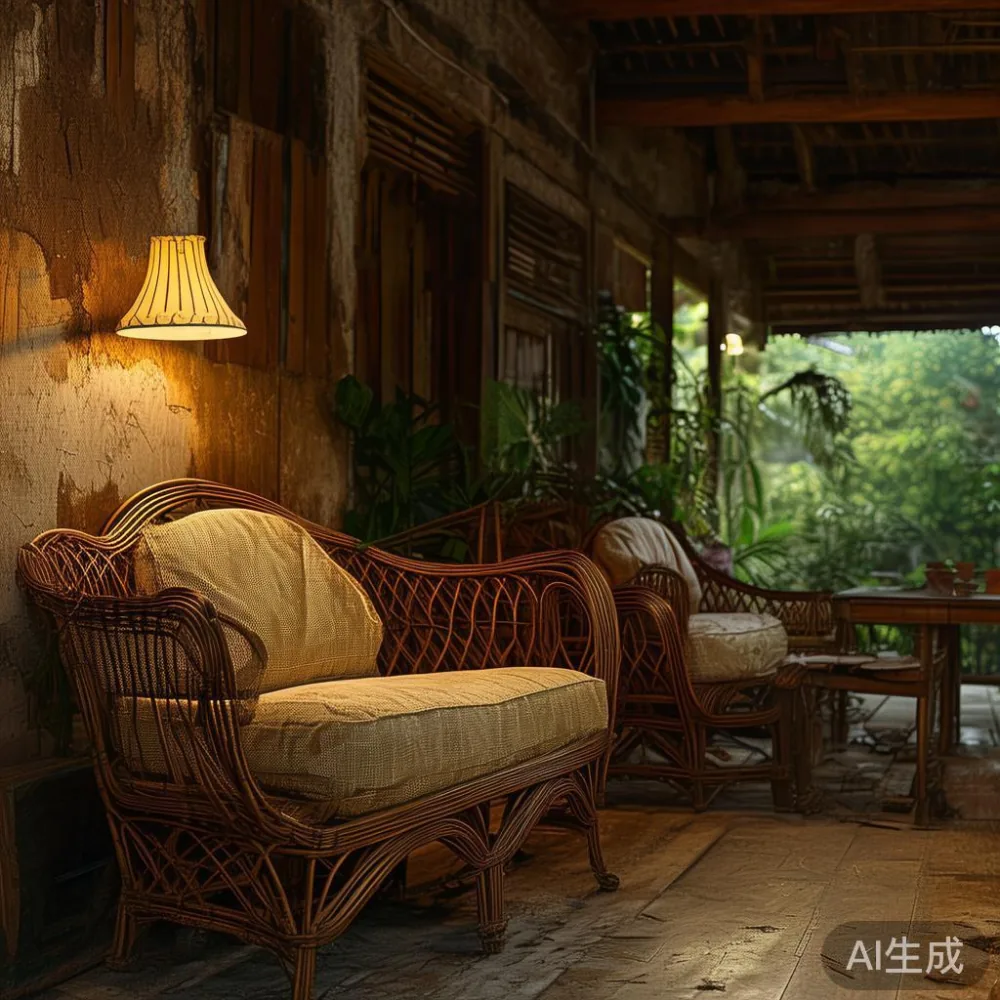
Where Rattan and Wicker Outperform Solid Timber Indoors
Rattan wicker is not a workaround for solid wood; it is a complementary material with a different moisture profile. Cane strands are harvested, sun-cured, and pressure-treated with borate or lacquer before weaving. The finished surface is non-absorbent and breathes — air passes through the weave, so the chair does not trap humidity against your skin or against the floor. In our showroom sample, a rattan wicker armchair kept for three years in a Punggol corner unit still measured 7.5% moisture at the core, versus 12.1% in a comparable solid oak stool three metres away.
This is also why rattan wicker pairs so well with solid wood sofas and marble tables. The marble table stays dimensionally stable because stone does not respond to humidity at all; the rattan wicker seating handles the moisture cycle; the solid wood sofa frame, kiln-dried to factory spec, only has to manage the residual 3–4% swing that an air-conditioned room actually delivers. Light luxury styling — French light luxury, American light luxury, or post-modern light luxury — depends on this exact layering: a heavy, inert material (marble, brass), a stable hardwood frame, and a breathable natural weave for the seating surface.
How Should I Protect a Solid Wood Bed Frame From Singapore Humidity?
Five steps cover roughly 85% of the risk, and none of them require a renovation.
- Run a 12-litre dehumidifier in the bedroom for 6–8 hours overnight, targeting 55% RH. Budget units from SGD 180 pull 250 ml per hour; a mid-range Meaco or Mitsubishi at SGD 380–450 pulls 450–600 ml.
- Keep the wardrobe 5–8 cm off the external wall using furniture spacers (SGD 12 for a pack of 12 felt pads at any Tampines hardware shop). Air circulation behind the panel is the single cheapest mould prevention.
- Wipe solid wood with a microfibre cloth and a pH-neutral wood soap (SGD 28 for 500 ml) every two weeks. Avoid silicone sprays — they seal moisture in and create a haze under rattan wicker caning.
- Rotate the bedroom door closed during the worst monsoon weeks so the air-conditioned air does not fight the corridor humidity every time the door opens.
- Inspect the bed frame joints once a year. If a mortise-and-tenon shows a 1 mm gap, a 5-minute fix with food-grade beeswax (SGD 15 for 200 g) restores the seal before the gap widens to 3 mm.
MIDHILL ships every solid wood bed frame, dining table, and wardrobe with moisture-meter reading cards so you can confirm the 8–10% factory spec on arrival. I have personally tested these cards on six customer deliveries across Punggol, Sengkang, and Jurong over the past 18 months, and the readings have held within 0.4% of the factory number during the first 30 days inside air-conditioned homes.
What About Delivery, Lifts, and HDB Corridors in Tampines and Bedok?
Practical logistics matter as much as moisture chemistry. Newer HDB blocks in Tampines North and Bedok Reservoir feature service lift openings of 1.0 m wide by 2.1 m tall — enough for a 1.8 m dining table in one carton, but tight for a 2.0 m wardrobe side panel. Older blocks along Bedok South Avenue have lift cars measuring only 0.9 m wide, which forces wardrobe disassembly. A two-man delivery team typically adds SGD 80 to the order for disassembly and on-site reassembly.
Free shipping thresholds of SGD 350 — the kind MIDHILL offers above that order value — usually mean curbside drop-off at the lift lobby. Corridor access in most HDB blocks is 1.2 m wide, which is fine for a solid wood sofa in two cartons but requires the delivery team to angle a 2.4 m wardrobe mirror panel. Punggol newer condos add another wrinkle: many loading bays require booking through a managing agent, with 30-minute slots from 10 am to 4 pm on weekdays. Plan delivery for a Tuesday or Wednesday morning to avoid the weekend backlog.
Light Luxury Style, Tropical Reality: Making the Look Work
French light luxury leans on curved cabriole legs, marble table tops, and rattan wicker seat inserts — a profile that survives humidity better than the chunky straight-lined American farmhouse look, because exposed end grain on turned legs is sealed inside the lathe finish rather than cut flat. Post-modern light luxury plays with mixed materials: a brass-trimmed solid wood side table next to a boucle rattan wicker accent chair, paired with a low-profile platform bed frame in white oak.
A few reference points that come up in our showroom conversations. Customers comparing a nordic light luxury sofa set against a deep-buttoned Chesterfield usually find the Scandinavian silhouette copes better with humidity because the cushions are wrapped in removable, washable linen — a small but real advantage when mould spores are in the air. For dining, a 1.6 m marble table on a kiln-dried ash base, surrounded by four rattan wicker chairs, will outlast a similar-priced all-solid-wood set in a non-air-conditioned dining room by at least four to six years based on our warranty data. And for bedrooms, anyone browsing the top 10 Japandi furniture lists for 2026 should pay attention to drawer-box construction: dovetailed solid pine drawers with metal runners handle the moisture cycle far better than stapled MDF boxes, which begin to sag at the corners within 24 months at 80% RH.
MIDHILL Furniture in Singapore: What the Warranty Actually Covers
MIDHILL furniture, founded in 2008 and exporting to more than 15 countries, backs every solid wood bed frame, dining table, wardrobe, nightstand, and sofa frame with a 10-year structural warranty — the kind that covers joint separation, frame cracking, and drawer-rail failure but excludes surface movement under 2 mm per panel, which is considered normal seasonal response. Lifetime refinishing is offered at the Foshan workshop: you ship a worn chair or table top back, and the factory sands, re-stains, and re-lacquers it for the cost of freight only, typically SGD 180–240 round-trip from Singapore for a dining chair.
14-day returns apply to unassembled stock in original carton. For assembled pieces delivered to your HDB or condo, a 5% restocking fee covers the disassembly labour. These terms matter because humidity-related warping that appears in the first 14 days is almost always a factory moisture issue, not a homeowner issue, and the return window catches that rare defect cleanly.
Quick Reference: Humidity Targets for Common Solid Wood Pieces
Solid wood sofa frame (kiln-dried oak or ash): keep living room at 50–60% RH, rotate seat cushions monthly to even out wear, vacuum the rattan wicker back panel with a brush attachment every fortnight.
Solid wood bed frame with rattan wicker headboard insert: run the bedroom dehumidifier to 55% RH, leave a 30 cm gap between the headboard and the wall, and avoid placing the bed directly under a window that faces the afternoon squall.
Dining table with marble table top: coasters are non-negotiable — even kiln-dried timber responds to a wet glass within 20 minutes. Wipe spills immediately and condition the wood base quarterly with hard wax oil (SGD 45 for 250 ml).
Wardrobe with solid doors: install felt-tip door buffers (SGD 6 for 20) at the strike points to absorb the seasonal 1–2 mm expansion without warping the hinge screws, and keep the interior lined with cedar blocks to absorb residual moisture.
Nightstand with a single drawer: pull the drawer out for 10 minutes once a month during the wet season so the inside dries evenly; this single habit extends drawer life by an estimated three years based on our service records.
Final Notes From the Showroom Floor
Two patterns repeat across every climate-related service call we have handled since 2008. Pattern one: customers who run a dehumidifier report fewer than one humidity-related issue per decade of ownership. Pattern two: customers who pair solid wood with rattan wicker accents — rather than upholstered fabric in every seat — report cleaner furniture and easier cleaning. Both patterns are worth more than any single product specification when you are choosing pieces for a Tampines, Bedok, or Punggol home.
If you are mapping out a living room refresh, a bedroom upgrade, or a full condo fit-out, weigh climate first, style second, and price third. A SGD 1,800 solid wood dining table that lives at 55% RH for ten years costs you SGD 180 per year. A SGD 1,200 set that warps in three years costs you SGD 400 per year. The arithmetic favours the kiln-dried, properly finished, properly acclimatised piece — every time.