Preserving the Sheen: A Comprehensive Guide to Caring for Lacquered Rattan Wicker in Singapore's Tropical Climate
Living in Singapore, with its year-round high humidity and temperatures that can soar to 32°C, presents a unique challenge for homeowners who appreciate fine furniture. A beautiful rattan wicker piece, with its intricate weave and protective lacquer finish, can bring a touch of coastal elegance to a small living room in a Tampines HDB flat or a sophisticated touch to a condo in Punggol. However, the very air that makes our city vibrant can be a silent adversary to that gleaming surface. The constant moisture, the temperature fluctuations from air-conditioning to the outdoors, and the simple dust that settles in our HDB flats and apartments can all compromise the integrity of a lacquer finish. This guide offers practical, step-by-step advice on how to protect your investment, ensuring your rattan wicker furniture retains its beauty for years to come, whether it's a statement dining table or a delicate nightstand.
Understanding Your Rattan Wicker and Its Lacquer Finish
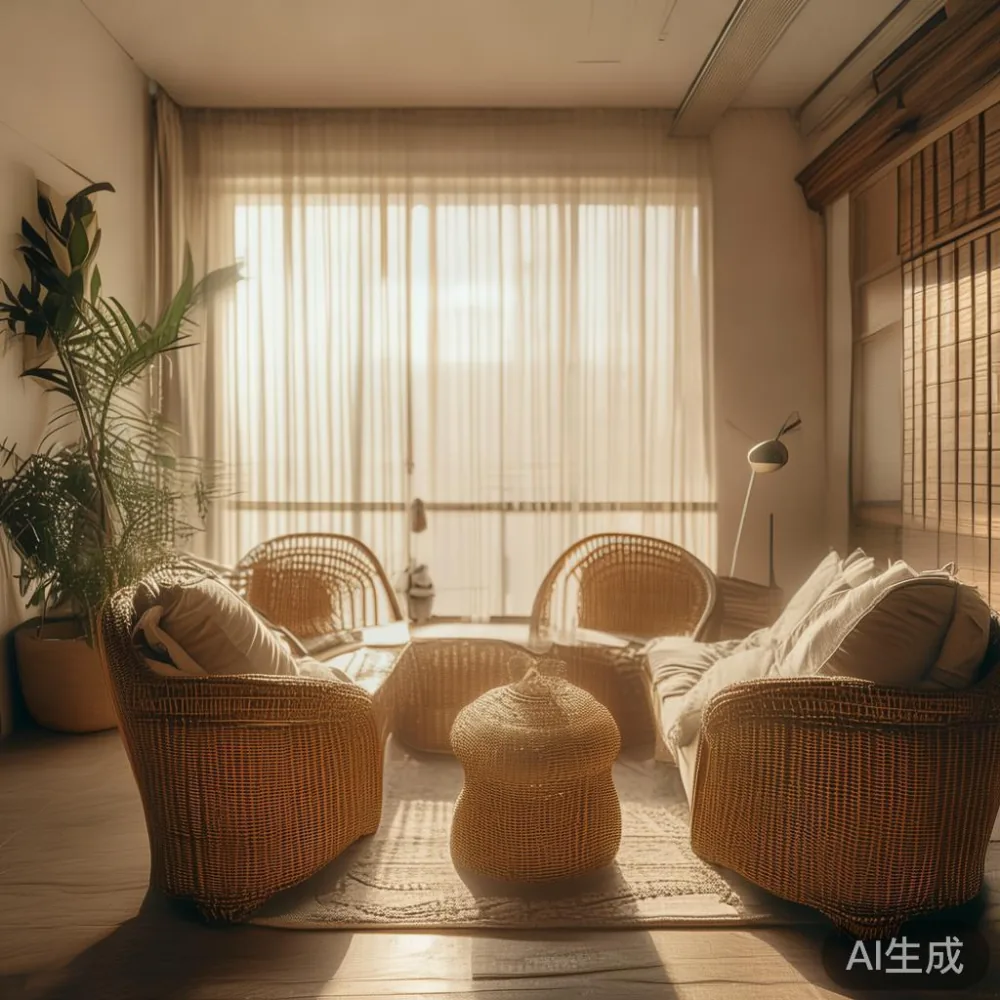
Before diving into care, it's important to understand what you're working with. Rattan is a naturally flexible vine, and wicker refers to the weaving style applied to it. When a piece of rattan wicker furniture is finished with a high-quality lacquer, it's typically coated with multiple layers of a durable, synthetic resin. This lacquer serves two primary purposes: it provides a hard, protective shell against scratches and stains, and it seals the porous rattan fibres, preventing moisture from being absorbed. This is especially important in a tropical climate like Singapore's, where an unsealed piece of rattan could swell, warp, or develop mould. The finish on a modern light luxury furniture piece, such as a solid wood sofa with rattan accents or an Italian light luxury nightstand, is often more sophisticated, offering a deeper, more reflective sheen that requires gentle care. The process involves sanding between coats to achieve a glass-like finish, which, while stunning, is more prone to showing the effects of our local climate.
How Humidity and Temperature Affect Lacquer in Singapore
The Singapore climate is characterised by an average relative humidity of 84%, which can climb even higher during the monsoon season. This persistent moisture is the primary enemy of a lacquer finish. When humidity levels are high, the wood and rattan fibres within the furniture absorb moisture. This expansion and contraction put stress on the lacquer layer, which is less flexible. Over time, this can lead to a phenomenon known as 'crazing'—tiny, hairline cracks that form in the lacquer surface. These cracks not only dull the furniture's appearance but also expose the underlying material to further damage. For those comparing a light luxury sofa vs Nordic sofa, the former often features more intricate lacquering that can be more susceptible to this issue in our climate. Also, the constant cycling between the cool, dry air of an air-conditioned room in a Tampines HDB flat (where temperatures might be set to 24°C) and the humid outdoors (32°C and 85% humidity) can accelerate this process. A colleague of mine visited a client last month in a Bedok condo, and we saw a beautiful marble table top that had suffered from this exact problem, the finish spider-webbing due to the environmental stress. The stark contrast between the air-conditioned living room and the balcony door left the finish stressed and compromised.
Daily and Weekly Cleaning Rituals for Your Lacquered Rattan
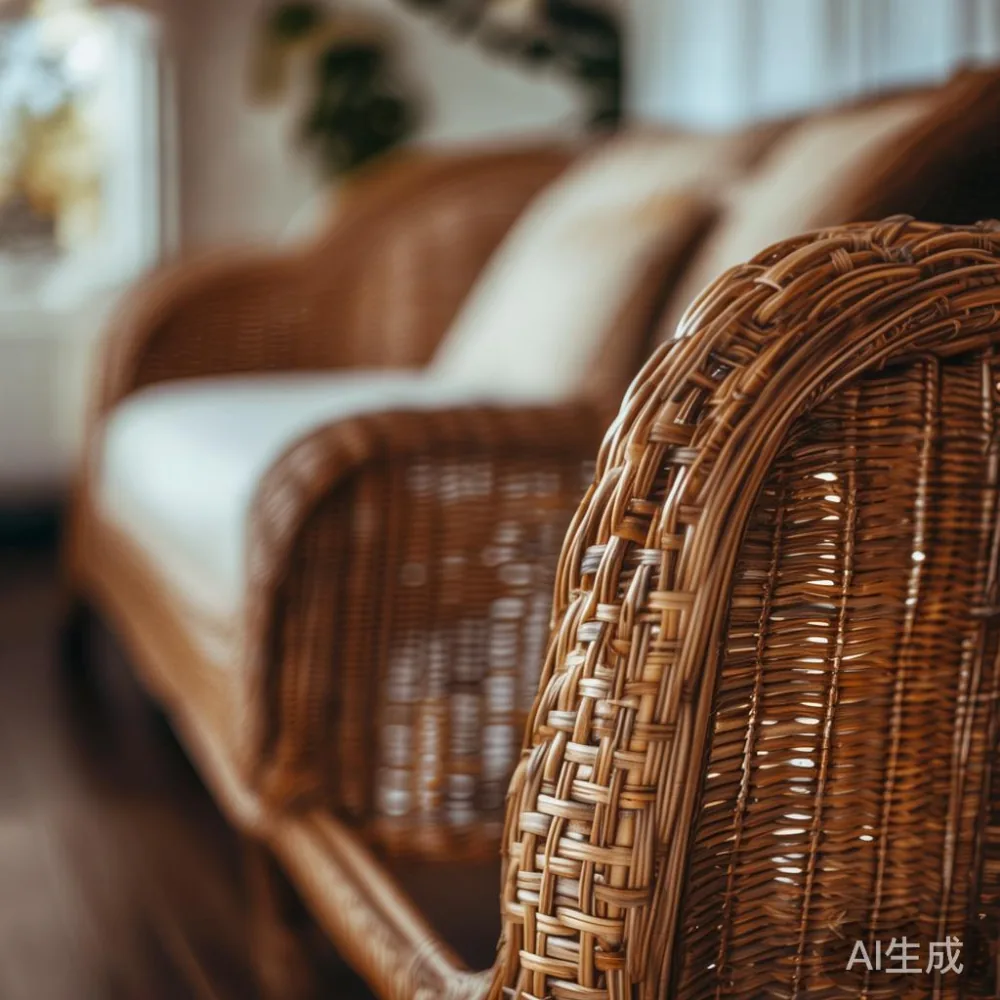
Prevention is the cornerstone of furniture care. Establishing a simple, regular cleaning routine is the most effective way to protect your rattan wicker. The goal is to remove dust and grime before they can abrade the surface or attract moisture. For daily or weekly dusting, use a soft, lint-free microfiber cloth. A dry cloth is sufficient for light dusting. Gently wipe down the surfaces, following the weave of the rattan to ensure you clean all crevices. For a slightly deeper clean, especially in corners where dust accumulates, you can use the soft brush attachment on your vacuum cleaner. Set it to a low suction power (around 200-300 Pa) to avoid pulling on the fibres. Always vacuum in the direction of the weave. Avoid using any household cleaning sprays, as many contain ammonia or other chemicals that can strip the lacquer or leave a dull film. Remember, when you're searching for the best Rustic sofa for 2026, its care requirements should be a key consideration for our local climate. The tight spaces in HDB corridors, typically 1.2 metres wide, mean furniture is often moved and more susceptible to dust accumulation from daily life.
What to Avoid: Common Mistakes That Damage Lacquer
Caring for lacquered rattan is as much about what *not* to do as it is about the correct procedures. Avoid common mistakes that can irreparably damage the finish. First, never place a hot object directly on the lacquered surface. A steaming cup of kopi or a hot plate from the kitchen can create a white heat mark, known as a 'blush,' which is in effect moisture trapped under the finish. Always use a coaster. Second, be mindful of placement. Avoid positioning your rattan wicker dining table or bed frame directly in front of an air-conditioning vent or a fan. The constant, direct blast of cold, dry air can cause the lacquer to dry out and crack over time. Similarly, keep it away from direct sunlight, which can fade the colour and make the finish brittle. Thirdly, never use abrasive cleaners like scouring powders, steel wool, or harsh scrubbing brushes. These will scratch and dull the lacquer permanently. When considering Foshan furniture, reputable manufacturers like MIDHILL use high-quality lacquers, but they still require gentle handling. A common oversight is placing potted plants directly on a surface; the water seeping through the saucer can stain and damage the lacquer over a period of just 2-3 weeks.
Can I Use Polishes or Wax on My Lacquered Rattan Wicker?
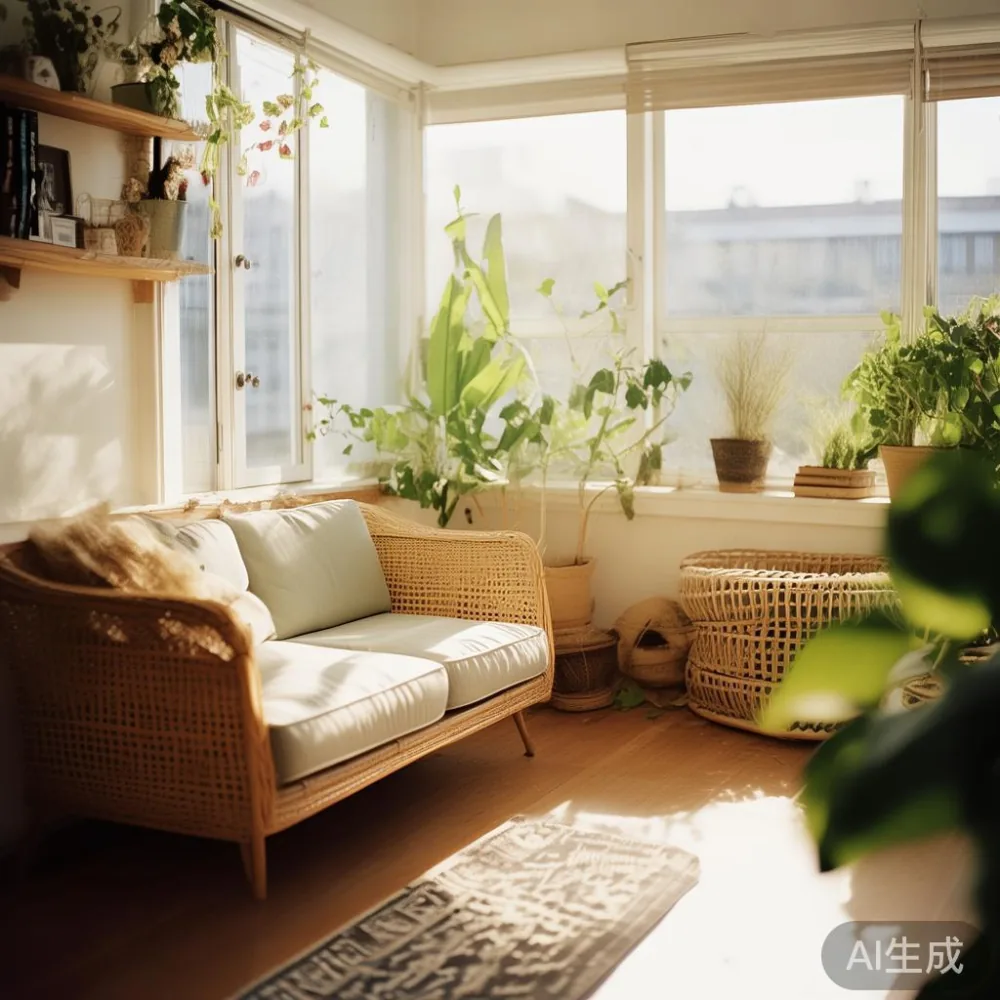
This is a common question among homeowners who want to restore a shine to their furniture. The general advice for modern lacquered surfaces is to avoid traditional furniture polishes and waxes. Most of these products are oil-based and can create a cloudy, filmy build-up on the lacquer over time. This film not only looks dull but can actually trap dust and moisture against the surface, defeating the purpose of the protective finish. The best way to maintain the sheen of your rattan wicker is through regular, gentle dusting with a soft, dry cloth. If the surface has lost some of its lustre due to minor dust accumulation, a slightly damp cloth (wrung out almost completely dry) can be used, followed immediately by a dry microfiber cloth to buff the surface. For a more thorough clean, a specialised furniture cleaner designed for lacquered finishes is a worthwhile investment. These products are typically water-based and formulated to clean without leaving a residue. A small bottle, enough for several years of use, can cost between SGD 25 and SGD 40 in Singapore. Always test any new cleaning product on an inconspicuous area, such as the underside of a chair leg, before applying it to the entire piece.
Seasonal Deep Cleaning and Maintenance
Beyond your weekly routine, a seasonal deep clean is recommended, especially before and after the more humid monsoon periods. This is a more involved process that requires a bit more time and care. Start by moving the furniture to a well-ventilated area if possible. Using the soft brush attachment on your vacuum, thoroughly clean all surfaces, paying close attention to the weave pattern. For a deeper clean, prepare a solution of one part mild, pH-neutral soap to ten parts cool water. Using a soft cloth, wring it out until it is damp, not wet, and gently wipe down the rattan wicker surface. Work in small sections, and immediately follow with a dry, lint-free cloth to remove any excess moisture and prevent water spots. For stubborn stains, avoid scrubbing. Instead, apply a small amount of the soapy solution directly to the stain with a soft-bristled toothbrush, using gentle, circular motions. Rinse the toothbrush frequently and wipe the area with a damp cloth, then dry thoroughly. This process should be done on a day with low humidity to allow the piece to dry completely, which can take up to 24 hours. Once dry, give it a final buff with a microfiber cloth to restore its shine.
How to Style American Bed in Bedroom with Lacquered Rattan Accents
Incorporating rattan wicker elements, including those with a fine lacquer finish, into a bedroom with an American light luxury bed can create a stunning, layered look. The key is to balance the different textures and styles. Imagine a king-size American bed frame with a rich, dark wood finish. Pairing this with a rattan wicker headboard, perhaps with a glossy black or white lacquer, can introduce a wonderful textural contrast. The weave of the rattan adds a natural, organic element that softens the lines of the solid wood bed. For the nightstands, consider choosing pieces that blend both materials. A nightstand with a solid wood base and a rattan wicker drawer front, finished with the same lacquer as the headboard, would create a cohesive look. This approach allows you to enjoy the durability and beauty of solid wood while incorporating the unique character of rattan wicker. The aesthetic would feel both substantial and airy, a hallmark of successful American light luxury styling. When selecting your pieces, ensure the lacquer finish on the rattan wicker complements the wood tone of the bed frame, creating a harmonious and intentional design statement in your bedroom.
Protecting Your Investment: Long-Term Care and Warranty Considerations
Purchasing high-quality rattan wicker furniture is an investment in both style and longevity. To ensure this investment is protected, it's wise to understand the manufacturer's warranty. A reputable brand like MIDHILL, established in 2008 and exporting to over 15 countries, often offers comprehensive protection. For instance, a 10-year structural warranty provides peace of mind against defects in the frame or construction, while a lifetime refinishing warranty indicates a high level of confidence in the durability of the lacquer finish. This means that if the lacquer ever fails due to a manufacturing defect, the company will refinish it for the life of the product. This is particularly reassuring in a demanding climate like Singapore's. When making a purchase, always check the specific terms and conditions. Keep the original receipt and warranty information in a safe place. For deliveries over SGD 350, many reputable sellers offer free shipping, which is a significant saving given the size and weight of items like a dining table or wardrobe. In Singapore, a standard delivery for a piece of furniture like a solid wood sofa can take between 5 to 14 business days, depending on your location in the island. Understanding these details helps you make a more informed decision and protects your beautiful rattan wicker pieces for years to come.
A Comparison of Lacquer Care: Light Luxury Sofa vs Nordic Sofa
The approach to caring for a lacquered surface can differ depending on the style and philosophy of the furniture. When considering a light luxury sofa vs Nordic sofa, the care routines, while similar in principle, have subtle differences due to their design aesthetics. A light luxury sofa, often inspired by French or American design, typically features a deeper, more pronounced sheen on its lacquered elements. This high-gloss finish is designed to be a statement piece, reflecting light and creating a sense of opulence. Caring for this finish requires an extra level of gentleness to preserve its mirror-like quality. Fingerprints and dust are more visible, so more frequent, light dusting may be necessary. The focus is on maintaining that flawless, reflective surface. In contrast, a Nordic sofa, while potentially also featuring a lacquered finish, often opts for a matte or satin sheen. This finish is valued for its understated elegance and its ability to hide minor imperfections and dust more effectively. The care for a Nordic piece is therefore slightly less demanding, as it doesn't require the same level of buffing to maintain its appearance. However, the fundamental rules of avoiding moisture, direct sunlight, and harsh chemicals apply equally to both styles. The choice between them often comes down to personal preference for aesthetics, with the understanding that the light luxury option may require a bit more attention to preserve its dramatic finish.
Is Professional Refinishing Worth the Cost for My Lacquered Rattan?
Over many years, even with the best care, a lacquered finish can begin to show its age. It might become dull, scratched, or develop the fine cracks known as crazing. At this point, you might consider professional refinishing. The cost of this service in Singapore can vary significantly depending on the size and complexity of the piece. For a small nightstand, you might expect to pay between SGD 250 and SGD 400. For a larger dining table or a substantial wardrobe, the cost can rise to SGD 800 or even SGD 1,500. The process involves completely stripping the old lacquer, sanding the surface to a smooth base, and applying multiple new coats of lacquer, followed by careful polishing. A professional refinisher can restore the piece to a 'like-new' condition, often better than the original factory finish. However, for many modern pieces with lifetime refinishing warranties, the best course of action is to contact the manufacturer first. Companies like MIDHILL often have their own refinishing services covered under the warranty, which could save you a considerable amount of money. It's always worth checking your warranty terms before hiring a third party, as you may be entitled to a professional restoration at no cost.
Final Checklist for Rattan Wicker Lacquer Care
To ensure your rattan wicker furniture remains in pristine condition, follow this simple checklist:
| Task | Frequency | Tools Needed | Notes |
|---|---|---|---|
| Dust all surfaces | Daily / Weekly | Soft, dry microfiber cloth | Follow the weave pattern. Avoid feather dusters. |
| Vacuum crevices | Weekly | Vacuum with soft brush attachment | Use low suction. Vacuum in the direction of the weave. |
| Spot clean minor stains | As needed | Damp cloth (wrung out dry) | Wipe immediately, then dry with a separate cloth. |
| Deep clean entire piece | Seasonally (every 3-4 months) | Mild soap, cool water, soft cloths | Ensure the piece is in a low-humidity environment to dry completely. |
| Inspect for damage | Monthly | Good lighting | Look for crazing, scratches, or water rings. Address promptly. |
By adhering to this simple routine, you can significantly extend the life and beauty of your rattan wicker furniture. Remember, the key is consistency and gentleness. In a place like Singapore, where the climate is a constant factor, proactive care is the most effective strategy for preserving the elegant finish of your prized pieces.