Long-Term Cost Breakdown: Veneer vs. Solid Wood Furniture
Choosing between veneer and solid wood is rarely a simple price comparison. A veneered table may look expensive on day one, while a solid wood wardrobe may appear to be the safer long-term purchase. The real difference appears after 5 years of daily use, when cleaning, repair, lifting, humidity, and replacement costs enter the picture.
This comparison focuses on furniture suited to Singapore homes: a solid wood sofa, bed frame, dining table, wardrobe, nightstand, and occasional marble table. It also considers the practical dimensions of HDB flats and condos in Tampines, Bedok, and Punggol, where corridor and lift widths can determine whether a large cabinet is practical at all. All prices below are in SGD and include GST where stated.
MIDHILL is a Foshan solid wood furniture maker established in 2008, with a 10-year structural warranty, lifetime refinishing, 14-day returns, and shipping to more than 15 countries. Its solid wood collection is designed around durable joinery and practical proportions rather than disposable fashion. That long-term approach makes it useful to compare purchase prices with realistic ownership costs rather than treating the lowest ticket as the only consideration.
Is veneer cheaper than solid wood in Singapore?
For a comparable dining table, the short answer is usually yes. A quality 18–22 mm veneered dining table may cost SGD 1,200–2,800, while a comparable solid oak or solid rubberwood table may cost SGD 2,000–5,200. A veneered wardrobe may begin around SGD 1,500–3,500, compared with SGD 3,000–8,000 for a solid wood wardrobe with similar external dimensions. These ranges reflect different grades, finishes, joinery, and sizes, not identical products.
Solid wood is the material used throughout the visible component, whereas veneer uses a thin layer of real wood—often 0.6–1.2 mm—bonded to a stable engineered core. A well-made veneer can provide convincing grain continuity across a wide panel. Solid wood naturally shows variation from board to board. Neither construction method is automatically superior, but their cost profiles differ.
For a 180 cm dining table, allow approximately 75–85 cm per seated person. A 220–240 cm table seats 8–10 people, but its packed width can be awkward in an HDB corridor. Before buying, measure the lift door, lift car, turning corners, and front door. A cabinet with a 60 cm depth may fit a lift more easily than a 65 cm sideboard, while the difference in usable storage can be significant.
The practical price comparison over 5 years looks like this:
- A SGD 1,800 veneered dining table may have a 5-year total ownership cost of SGD 2,250 after SGD 450 in refinishing and repair.
- A SGD 3,600 solid wood dining table may have a 5-year total ownership cost of SGD 3,840 after SGD 240 in care and repairs.
- A SGD 2,400 veneered wardrobe may reach SGD 3,000 after SGD 600 in adjustments, hardware, and refinishing.
- A SGD 5,400 solid wood wardrobe may reach SGD 5,670 after SGD 270 in care.
These examples assume normal household use, not commercial wear. The figures are estimates for comparison, not quotations. Singapore’s 9% GST is included in the displayed ownership examples.
What happens during 5 years of everyday use?
Over 60 months, furniture collects scratches, hinge loads, moving days, and changes in humidity. Bedrooms in Bedok and Tampines can experience noticeable daily temperature shifts, while Punggol homes close to open spaces may receive stronger sunlight. A material that tolerates those conditions with modest care usually has the lower 5-year cost.
Veneer’s weak point is edge and surface damage. If the veneer layer chips, moisture can reach the core. The repair may not be invisible, especially on a dark or high-grain finish. Solid wood can scratch too, but a local sand-and-refinish treatment often blends more naturally into a broad surface. On a carved edge or exposed end grain, however, solid wood can chip and split more readily than a stable engineered panel.
Hardware often costs more than people expect. A wardrobe with 6 doors may need 12 hinges, 4–6 drawer runners, handles, and 2–3 anti-tip fittings. Replacing a set of premium hinges can cost SGD 180–500. Adjusting a sagging runner may add SGD 120–300 in labour. A bed frame with 12 slats and 6–8 support legs may require an SGD 80–220 replacement part after several years.
Cleaning also has a measurable price. A mild wood cleaner and soft microfibre cloth may cost SGD 25–60 over 5 years. Harsh cleaner, wet mopping, and direct steam can damage both veneer and solid wood. The better question is not which material can survive neglect, but which one fits your habits and maintenance budget.
How much do repairs and refinishing cost over 5 years?
Refinishing is a scheduled possibility, not a failure. Veneer dining tables may need edge repair or a full respray in years 4–5 at roughly SGD 250–650. Solid wood dining tables may need sanding and recoating at roughly SGD 180–500, depending on whether only the top is treated or the sides and legs are included.
For wardrobes, veneer may require veneer repair, seam work, or a complete refinishing pass at SGD 300–900. Solid wood wardrobes may need drawer-front alignment, handle replacement, and local refinishing at SGD 150–500. A nightstand is less expensive to maintain: approximately SGD 60–180 over 5 years for either construction.
Delivery is another line that many comparisons omit. Singapore furniture sellers commonly charge SGD 80–250 for standard delivery, with larger items or two-person carrying adding SGD 40–120. Lift surcharge can add SGD 30–80 if the item exceeds the building’s free size allowance. MIDHILL offers free shipping on orders above US$350, but the shipment still needs to fit Singapore access routes. A 220 cm wardrobe that cannot turn through a 90 cm corridor may require partial assembly or delivery to a storage point.
Assume delivery takes 7–18 business days after production, depending on stock, finish, and destination. Economy delivery can take 18–30 days. For a condo, check loading-dock hours, parking-distance limits, and whether the building requires a move-in booking. For an HDB flat, reserve the lift and protect common-area walls before delivery.
Which option costs more after resale, moving, and replacement?
The 5-year calculation should include what happens if you sell, move, or replace the item. Solid wood often has a clearer repair path: a top can be refinished, a leg replaced, or a drawer front trimmed. Veneer can also be repaired, but major corner or edge damage can make refinishing less predictable.
Moving costs can reverse the initial saving. A lightweight veneered wardrobe may weigh 75–110 kg, while a comparable solid wood wardrobe may weigh 110–180 kg. The difference can require a second mover, estimated at SGD 100–250. A veneered dining table may weigh 35–55 kg; a solid wood table may weigh 55–90 kg. Moving the solid table can therefore add SGD 80–220.
Resale value is not guaranteed for either option. A well-documented solid wood piece with original hardware, finish records, and structural warranty may attract more interest than a flat-pack veneer unit. Yet location, design, and condition still matter. A scarce mid-century profile can outperform a premium modern piece, which is why searches for the top 10 Vintage furniture often focus on construction details, proportion, and restoration rather than material labels alone.
Here is a realistic 5-year model for one dining table:
- Veneer: SGD 1,800 purchase + SGD 120 delivery + SGD 150 care and parts + SGD 180 refinishing = SGD 2,250 total.
- Solid wood: SGD 3,600 purchase + SGD 120 delivery + SGD 120 care and parts = SGD 3,840 total.
The solid table costs SGD 1,590 more across 5 years in this example, but it may offer easier long-term repair. The veneer table wins only when its finish remains stable or when the budget is the overriding constraint.
What about a solid wood sofa, bed frame, nightstand, and marble table?
A solid wood sofa combines a timber frame with cushions, springs, and upholstery. For a 3-seat model measuring 210–230 cm, expect SGD 2,800–6,500, depending on fabric and cushion specification. The timber frame may weigh 45–70 kg before upholstery. Over 5 years, set aside roughly SGD 250–700 for spring or cushion maintenance and SGD 150–400 for wood refinishing.
A solid wood bed frame is usually more stable across the 5-year period. Queen-size frames commonly measure 150–170 cm wide and 190–220 cm long, with weights from 35–65 kg. Allow SGD 150–350 for slat or hardware replacement. When choosing a sculpted profile, the search for the best Mid-century modern bed for 2026 is more useful if it includes slat spacing, centre support, total load capacity, and actual room clearance—not style alone.
A nightstand measuring 45–60 cm wide may cost SGD 280–900 in solid wood and should need around SGD 60–180 of maintenance over 5 years. A marble table is a different category: the tabletop may weigh 45–120 kg, while the base may be solid wood or another material. For a 120–140 cm marble table, budget SGD 2,000–5,500 and reserve SGD 150–500 for stone inspection, sealer, or mounting work. Moving it safely may cost SGD 180–450 because of its weight.
Materials should be judged as part of the product. A marble top does not make a weak base strong, and solid timber does not prevent a poor hinge from failing. Check load ratings, fixing points, anti-tip hardware, and whether replacement components remain available.
How do rattan-wicker pieces fit into a 5-year cost comparison?
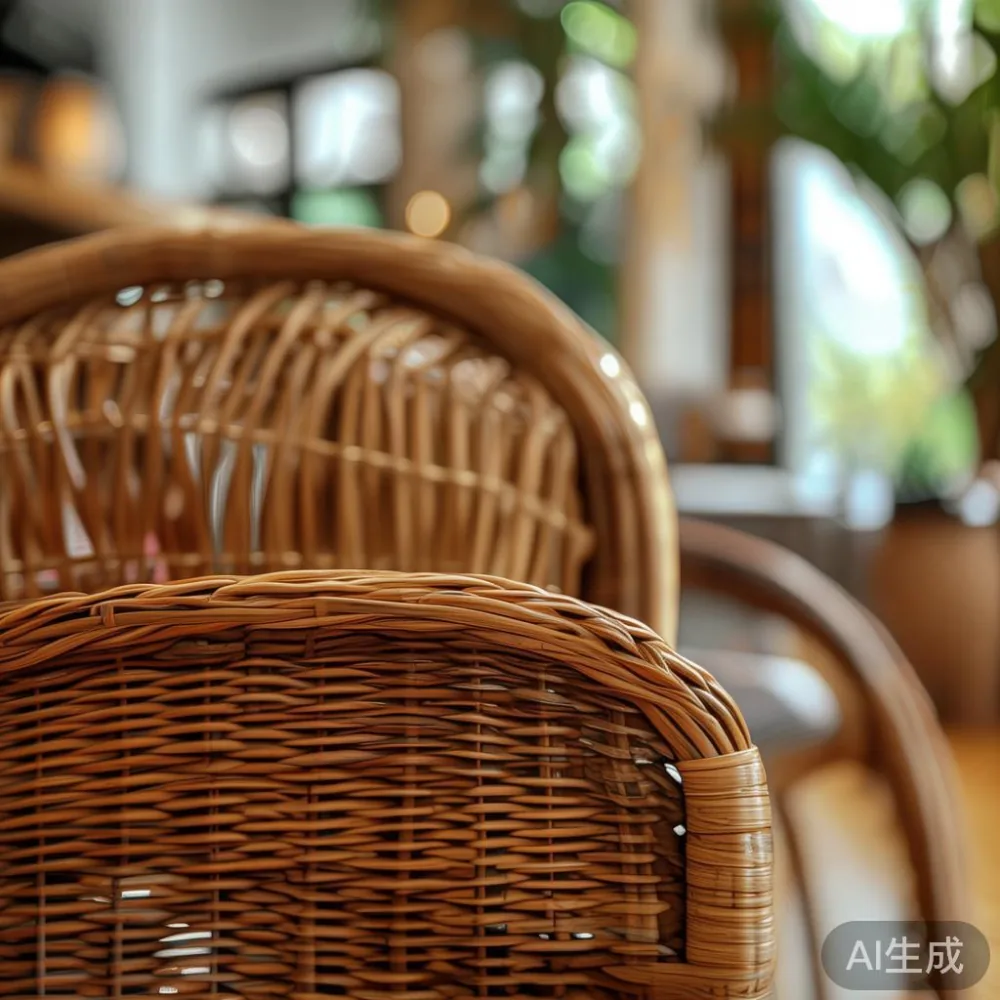
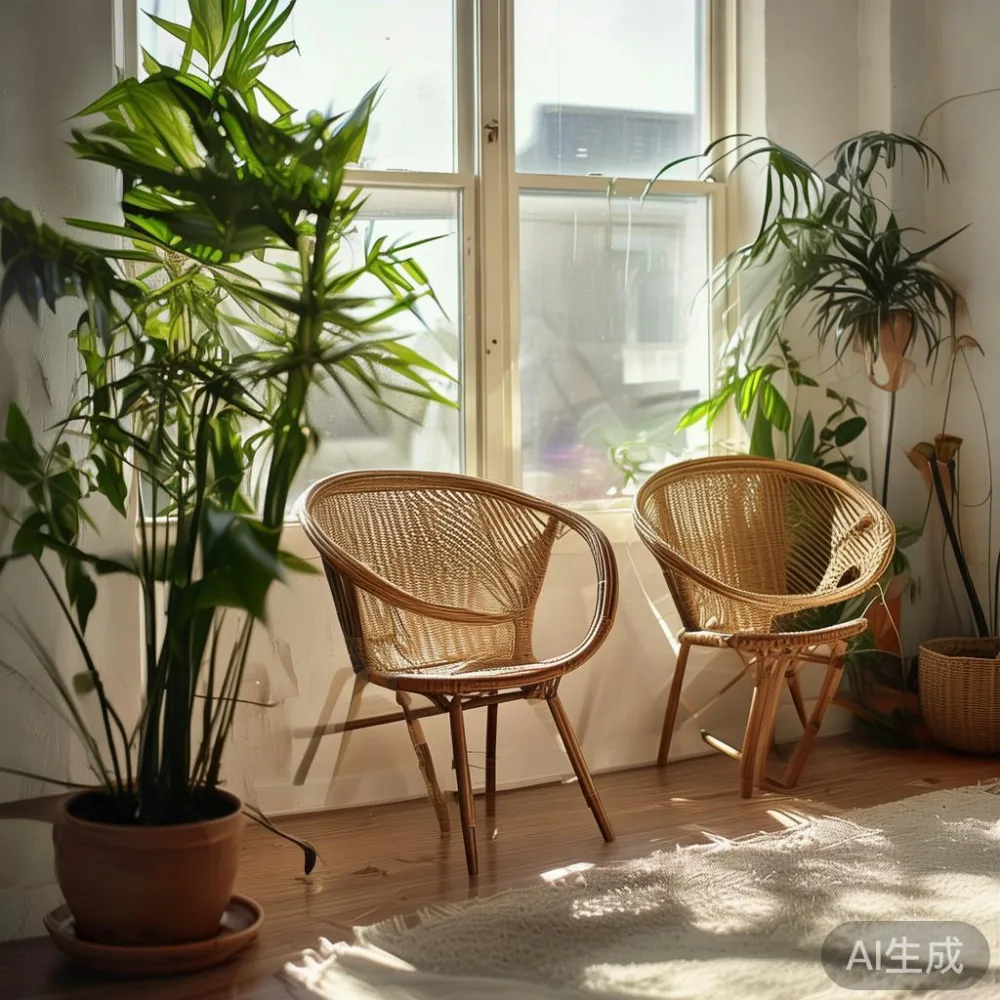
Rattan-wicker furniture should not be treated as a third material in the same category as veneer or solid wood. It is a construction and surface expression that may combine a rattan-wicker frame, woven panels, fabric, or timber details. Its 5-year cost depends on bending components, frame stability, weaving tension, and exposure to sunlight and moisture.
For a rattan-wicker sofa or chair, inspect the frame connection, seat suspension, and woven surface under load. A chair rated for 110 kg is more useful than one rated for 90 kg, particularly in a dining setting. Expect light surface cleaning to cost SGD 20–80 over 5 years, while repair or partial reweaving can range from SGD 150–600 depending on the extent of damage.
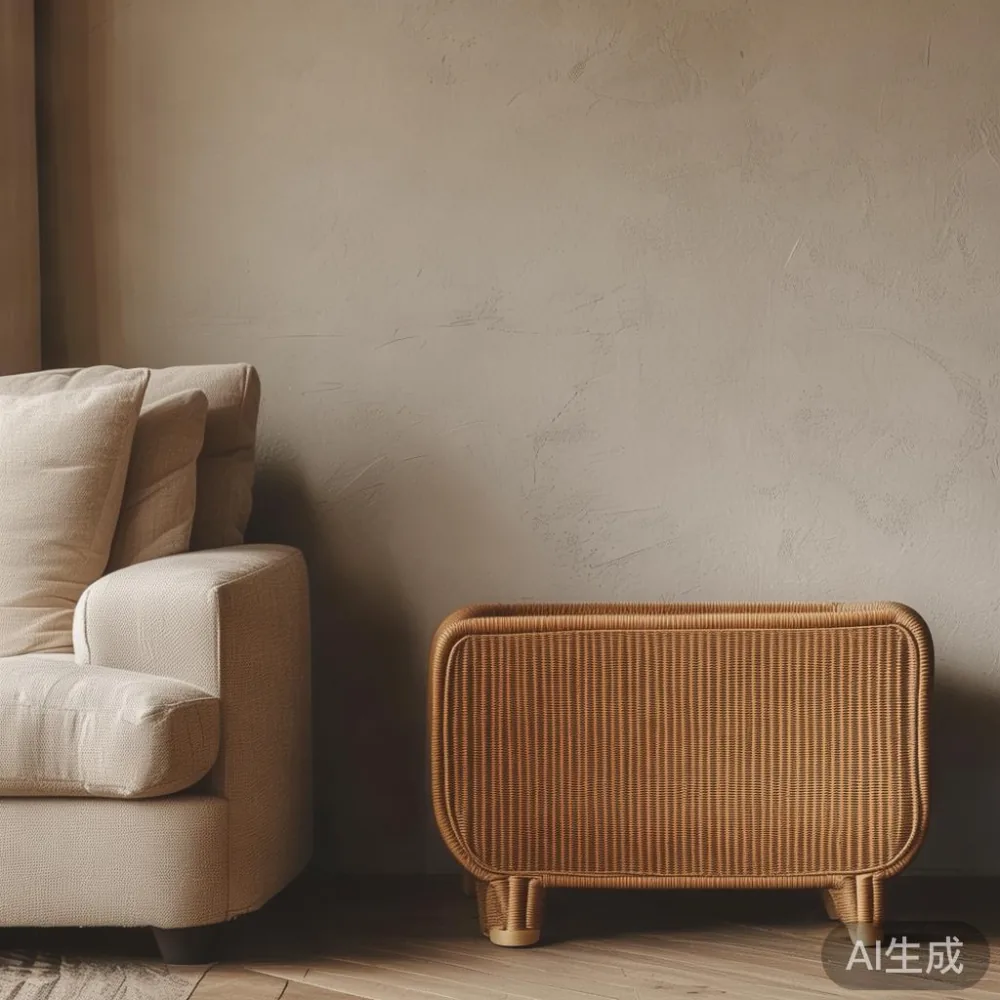
Rattan wicker can also appear in storage pieces, screens, and occasional tables. If a rattan-wicker panel is paired with a solid wood frame, both elements should be included in the maintenance plan. Keep woven furniture away from wet bathrooms and air-conditioner vents that blow constantly across the weave. This is why a rattan wicker item may cost more to maintain in a damp balcony than a powder-coated metal chair, even though the initial prices overlap.
Light-luxury styling does not require every surface to be solid timber. French light luxury often pairs pale woods, woven textures, curved profiles, and soft upholstery. American light luxury tends to use performance fabrics, darker finishes, and more generous cushions. Post-modern light luxury can combine a rattan-wicker moment with a clean-lined marble table. The material choice must support the whole composition and the way you live.
How do Singapore humidity and small homes affect the decision?
Singapore’s humid climate makes stable construction and moisture management important. Use a hygrometer and aim for roughly 40–65% relative humidity where practical. Leave 10–20 cm behind freestanding wardrobes for ventilation, especially against exterior walls. Avoid placing a solid wood bed frame or nightstand directly beneath a frequently opened air-conditioner.
Space planning can affect cost more than a small finish difference. In a Tampines HDB flat, a wardrobe with a 62 cm depth may consume 8–12% more usable floor area than a 55 cm model. Over 5 years, losing 30 cm of circulation space can affect daily convenience. In a Punggol or Bedok condo, open-plan living areas may support a 220 cm dining table, but delivery access should be checked against a narrow 80–90 cm corridor.
Measure the route before ordering: lift door width, lift car depth, corridor turns, stair width, doorway, and the furniture’s packed dimensions. Add at least 5 cm clearance to doorways and 10 cm to tight lift dimensions. A sofa with removable legs can fit where the same sofa with fixed wooden feet cannot. That adaptability may save SGD 200–600 in delivery modifications.
For light-luxury searches, terms such as 2026 Italian light luxury furniture and best Italian light luxury wardrobe for 2026 can produce useful design references, but imported furniture is not automatically more durable. Inspect the frame, drawer boxes, hinges, joinery, finish, and warranty. If a Japandi sofa is being considered, the question “is Japandi sofa worth it” should lead to measurements and comfort tests. A 210 cm model with 48–55 cm seat depth may suit a compact living room better than a deeper 225 cm design.
What is the most economical 5-year furniture strategy?
The most economical choice depends on where each item sits. For a high-impact dining table used several times a week, solid wood may justify a higher purchase price if it will be refinished and kept for at least 10 years. For a frequently moved wardrobe or occasional side table, engineered veneer can offer better value when access routes are tight and the finish will receive reasonable care.
Use this decision rule: choose solid wood when the item is long-lived, structurally important, repeatedly touched, or likely to be refinished. Choose veneer when the initial budget is limited, the dimensions are unusually large, and the edges will not receive heavy impact. Neither decision should ignore the 14-day return window or the manufacturer’s after-sales support.
For layout ideas, searching for how to style Japanese wardrobe in apartment is useful for sliding panels, low profiles, and modular storage. A 180–220 cm wall run may suit an HDB bedroom, while a 240–300 cm run may work in a larger condo. For a genuine Italian-style wardrobe, include the best Italian light luxury wardrobe for 2026 in your research, then verify drawer movement, hanging space, mirror safety, and installation requirements.
My own test was practical rather than showroom-based. Last month I visited a client’s Bedok HDB flat and compared a 200 cm veneered dining table with a matching solid wood replacement. The veneered table had already developed two edge marks after 18 months, while the solid wood table’s small scrape could be sanded and blended without replacing the whole top. The client also had narrower lift access, making the solid table’s extra 15–20 kg meaningful. That experience confirmed that grain appearance alone is a weak guide: movement, repair, and delivery deserve equal weight.
Across 60 months, veneer can remain the lower-cost option for carefully used furniture, while solid wood often offers greater repair flexibility. The strongest financial result comes from matching construction to use, measuring the home accurately, budgeting 5–15% of the purchase price for maintenance, and selecting a supplier willing to support the piece after delivery.