The Art of Airiness: Styling Small Singapore Apartments with Rattan Wicker
Living in a Singapore apartment, whether a compact 45-square-meter unit in Bedok or a stylish 65-square-meter condo in Tampines, often means mastering the art of making a small space feel grand. The challenge isn't just about fitting furniture; it's about creating an environment that breathes, feels open, and reflects a personal sense of style without sacrificing functionality. For those working through the narrow corridors of older HDB blocks or the efficient layouts of modern Punggol developments, the choice of materials and forms becomes paramount. This is where the timeless appeal of rattan wicker furniture offers a perfect solution, blending natural textures with a light, open aesthetic that can make even the most modest space feel expansive and inviting.
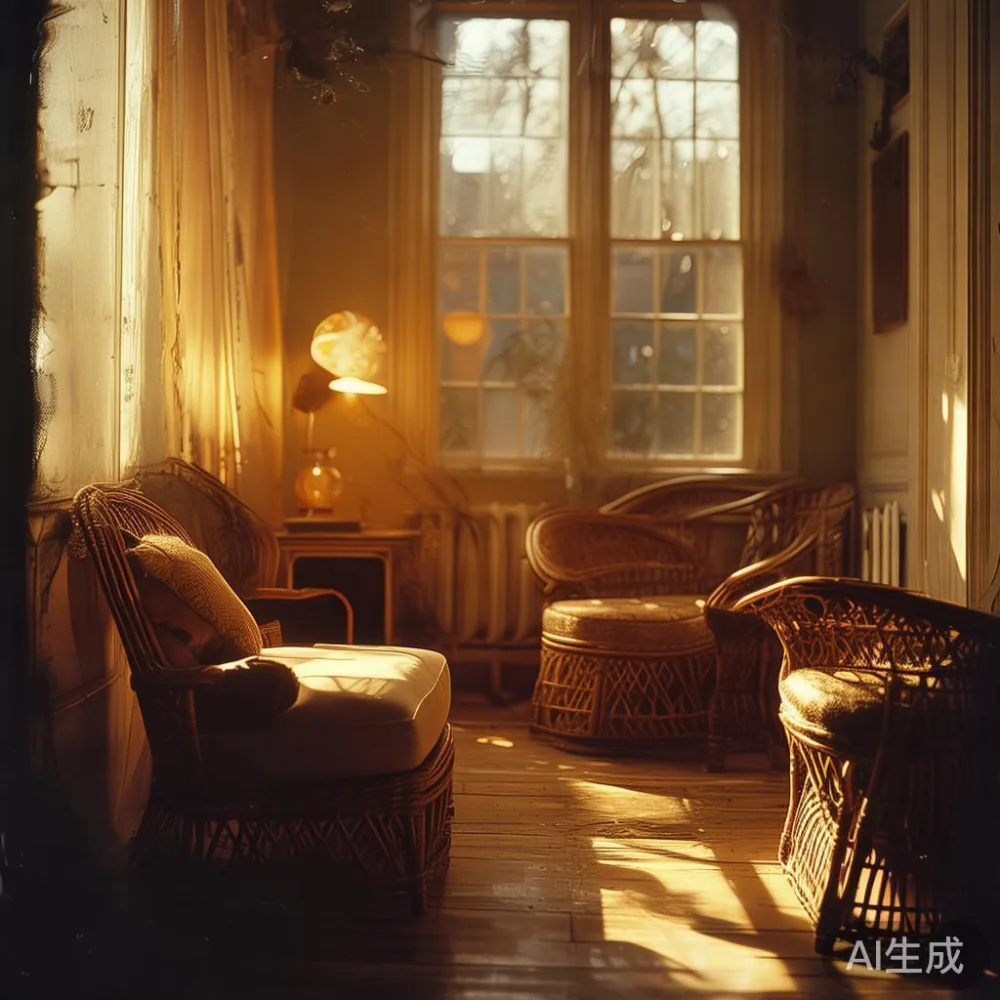
Why Rattan Wicker is a Natural Fit for Singapore's Compact Living
The physical constraints of Singaporean homes are a reality. A typical corridor in an HDB flat is only 120 cm wide, just enough for a person to pass with a small bag. Lifts in older estates can be tight, and working through a bulky, solid wood sofa through a doorway or around a corner can be a logistical nightmare. Rattan wicker furniture, with its inherent lightweight and often open-frame construction, presents a practical advantage. A well-made rattan armchair might weigh between 8 kg to 12 kg, compared to a solid wood counterpart that could easily exceed 25 kg. This difference in weight is not just about delivery—it's about the day-to-day flexibility of moving a piece to clean underneath or rearranging for guests. Also, the visual permeability of rattan allows light to pass through its weave, preventing it from blocking sightlines and creating the visual heaviness that dark, solid pieces can impose in a small room.
How to Style a Japandi Sofa in Room with Rattan Wicker Accents
The Japandi aesthetic, with its focus on clean lines, natural materials, and minimalist functionality, has found a strong following in Singapore. The core principle of how to style Japandi sofa in room revolves around creating a harmonious balance between Scandinavian simplicity and Japanese warmth. A rattan wicker side table or a set of nesting coffee tables can be the perfect companions to a low-profile, solid wood sofa. Imagine a living space in a Tampines condo where a light oak sofa anchors the room. Instead of a large, solid coffee table, you place a set of two round rattan wicker nesting tables. The smaller table can be tucked away when not in use, freeing up floor space, while the larger one provides a surface for books or a coffee cup. The natural weave of the rattan introduces a textural contrast to the smooth wood, adding layers of visual interest without adding visual weight. This approach keeps the room feeling open and uncluttered, adhering to the Japandi ethos of 'less is more'.
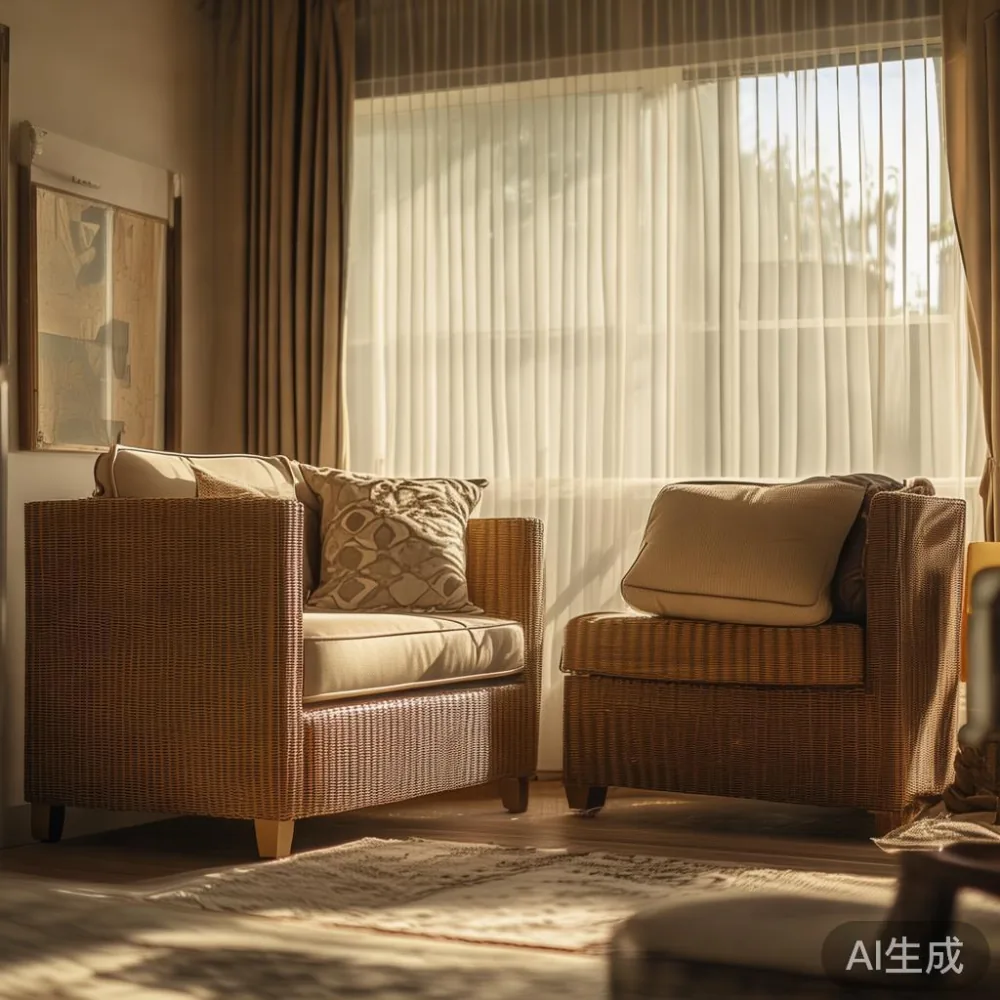
Creating a Dining Space That Feels Open, Not Confined
The dining area in a small apartment is often a multi-functional zone—a place for meals, work, and social gatherings. Choosing the right table and chairs is critical. A heavy, solid wood dining table can dominate a space, making it feel smaller. Coastal for dining room styling often embraces lighter materials and a breezy, relaxed feel. A round or oval rattan wicker dining table, for instance, has softer edges and a smaller visual footprint than a large rectangular table, encouraging better flow and conversation. Pairing it with chairs that have rattan wicker seats or backs, perhaps with slender metal or light wood legs, continues the theme of airiness. Last month, I visited a colleague's newly renovated apartment in a Punggol Waterway Point condo. She had chosen a rattan wicker dining set for her 8-square-meter dining nook. She explained that the set, which cost under SGD 2,000, was not only affordable but also made the space feel twice as large as her previous solid wood set. The open weave allowed her pendant light to cast beautiful, dappled shadows on the floor, adding to the sense of depth.
Is Rattan Wicker Furniture Durable Enough for Singapore's Humid Climate?
This is a common and valid question. Singapore's high humidity levels can be a concern for natural materials. However, high-quality, professionally treated rattan wicker is exceptionally durable. Modern wicker is often crafted from synthetic materials like PE (polyethylene) rattan, which is resistant to moisture, UV rays, and fading, making it ideal for both indoor and semi-outdoor use like balconies. Genuine rattan, when sourced and treated correctly, can also last for many years. A reputable manufacturer, such as those in Foshan Lingzhan, often apply a multi-step finishing process to protect the fibers. For instance, a solid wood frame supporting the wicker might be treated with a water-resistant sealant, and the wicker itself might be coated with a protective varnish. When cared for properly, a rattan wicker piece can easily withstand the Singapore climate. My own rattan wicker armchair, purchased 5 years ago, has been on my balcony exposed to the elements and shows no signs of degradation, a proof of modern material science.
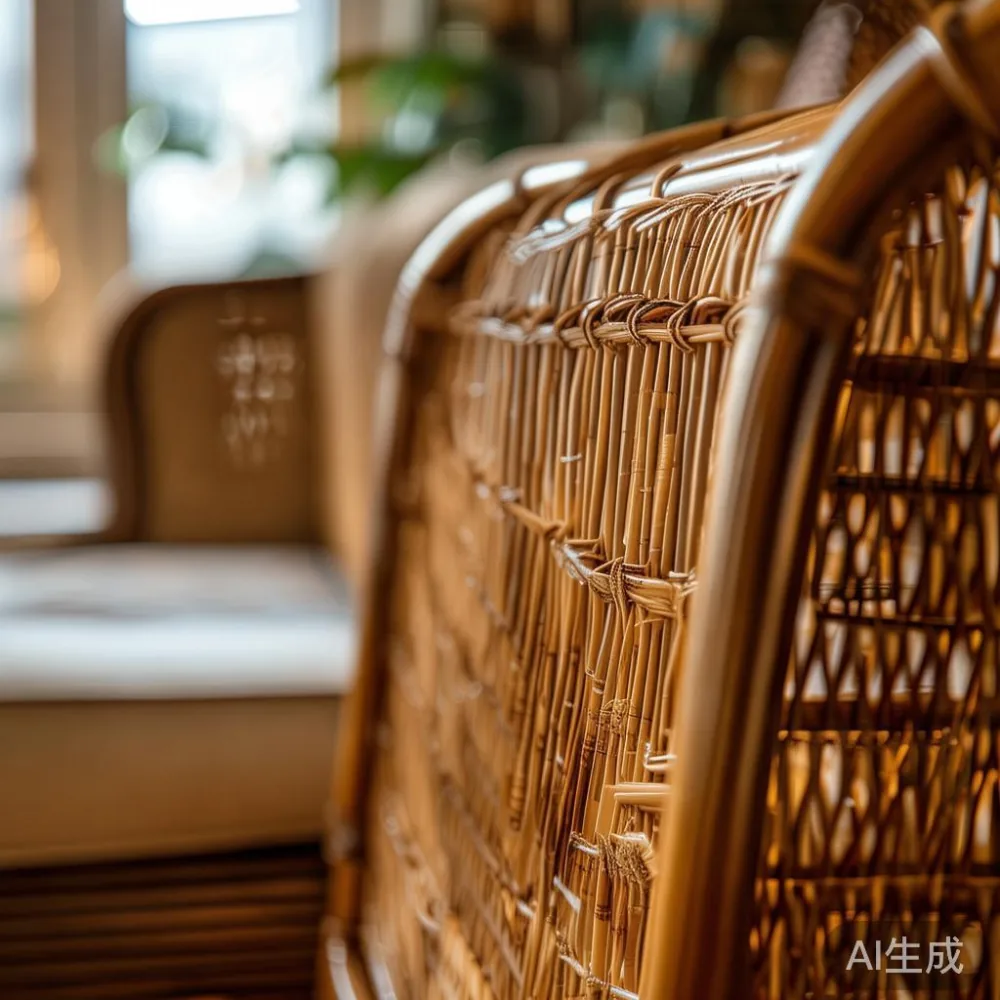
Bedroom Serenity: Light Luxury Wardrobes and Nightstands
The bedroom should be a sanctuary of calm. A large, dark wardrobe can feel oppressive in a small bedroom. This is where the principles of light luxury come into play. French light luxury, for example, emphasizes elegance, fine craftsmanship, and a sense of airy grace. A wardrobe with rattan wicker panel inserts on its doors can be a stunning feature. It provides storage while allowing a glimpse of the contents and preventing the imposing block of a solid door. This approach answers the question of how to style American wardrobe in bedroom by blending solid storage with a delicate, open aesthetic. The key is to find a balance. A solid wood frame ensures structural integrity, while the rattan wicker elements provide visual relief. Pairing this with a nightstand made of rattan wicker, perhaps featuring a marble table top for a touch of sophisticated contrast, creates a cohesive and light-filled sleeping environment. The marble adds a cool, hard surface that complements the organic texture of the wicker, improving the room's design without adding visual clutter.
Investing in Quality: What to Look for in Rattan Wicker Pieces
When shopping for rattan wicker furniture, especially when considering a piece like a dining table or a sofa, it's wise to invest in quality. Under 2000 Scandinavian furniture often focuses on clean design and sustainable materials, and rattan wicker fits this ethos beautifully. Look for frames made from solid hardwood like teak or oak, as these provide a sturdy foundation that will not warp over time. The weave itself should be tight and even, with no loose strands or fraying. A good indicator of quality craftsmanship is the weight; a well-made piece will feel substantial enough to be stable, not flimsy. Consider the warranty as well. A brand offering a 10-year structural warranty on its solid wood components provides peace of mind, ensuring your investment is protected. For those looking for a specific style, understanding how to choose European light luxury sofa involves looking for details like tailored cushions, fine proportions, and the integration of natural materials like rattan. Similarly, the best French wardrobe for 2026 will likely feature a blend of solid wood construction with elegant rattan or cane detailing, marrying traditional craftsmanship with modern sensibilities.
Maintaining Your Rattan Wicker Furniture for Longevity
Caring for rattan wicker is straightforward and contributes significantly to its lifespan. Regular dusting with a soft brush or the brush attachment of a vacuum cleaner is usually sufficient. For deeper cleans, a damp cloth can be used, but it's important to wipe the piece dry immediately afterward to prevent moisture from seeping into the fibers. Avoid using harsh chemical cleaners or abrasive scouring pads, as these can damage the protective finish. For pieces on balconies, occasional wiping down during the rainy season can help prevent the buildup of mildew. The beauty of rattan wicker is that it requires very little maintenance to retain its charm, making it a practical choice for busy Singaporean lifestyles. With minimal care, a rattan wicker dining set or armchair can look beautiful for over a decade, proving that style and durability can go hand in hand.
The Final Touch: Accessorizing Your Rattan Wicker Haven
The beauty of a rattan wicker foundation is its versatility. It serves as a neutral canvas that allows you to introduce colour and texture through other elements. Think of adding cushions in natural linen or cotton with earthy tones like terracotta, sage green, or sandy beige. A jute or seagrass rug can ground the space and enhance the natural theme. For lighting, a floor lamp with a rattan or woven shade will echo the furniture's texture, while a marble table lamp on a nightstand adds a touch of polished glamour. The key is to keep accessories minimal and intentional. A few well-chosen pieces—a ceramic vase with a single branch, a small stack of books on a rattan wicker side table—are all that's needed to complete the look. This restrained approach ensures that the rattan wicker remains the star of the show, creating a space that feels both curated and effortlessly relaxed.