Price Influences on Rattan Wicker Furniture
Solid wood furniture is often sold as if every timber, joint, finish and design carries the same value. In practice, the price is shaped by measurable inputs: the species and grade of wood, board dimensions, construction method, hardware, finish, dimensions, packaging and delivery logistics. Understanding those variables helps Singapore buyers compare quotations without confusing appearance with structural value.

This guide applies to solid wood sofa frames, bed frames, dining tables, wardrobes, nightstands and occasional tables, including designs that pair solid wood with rattan wicker. It also explains where “light luxury” is a useful description and where it is merely a marketing label. For local orders, MIDHILL can be contacted at +86 188 2788 2512.
Is wood species the main reason two solid wood dining tables cost different amounts?
Wood species matters, but it is only one part of the calculation. Two tables made from the same species can differ by SGD 700 or more because one uses wider boards, thicker tops and more demanding joinery. Conversely, an unusual veneer or decorative timber may command a higher retail price without improving the structural performance of the frame.
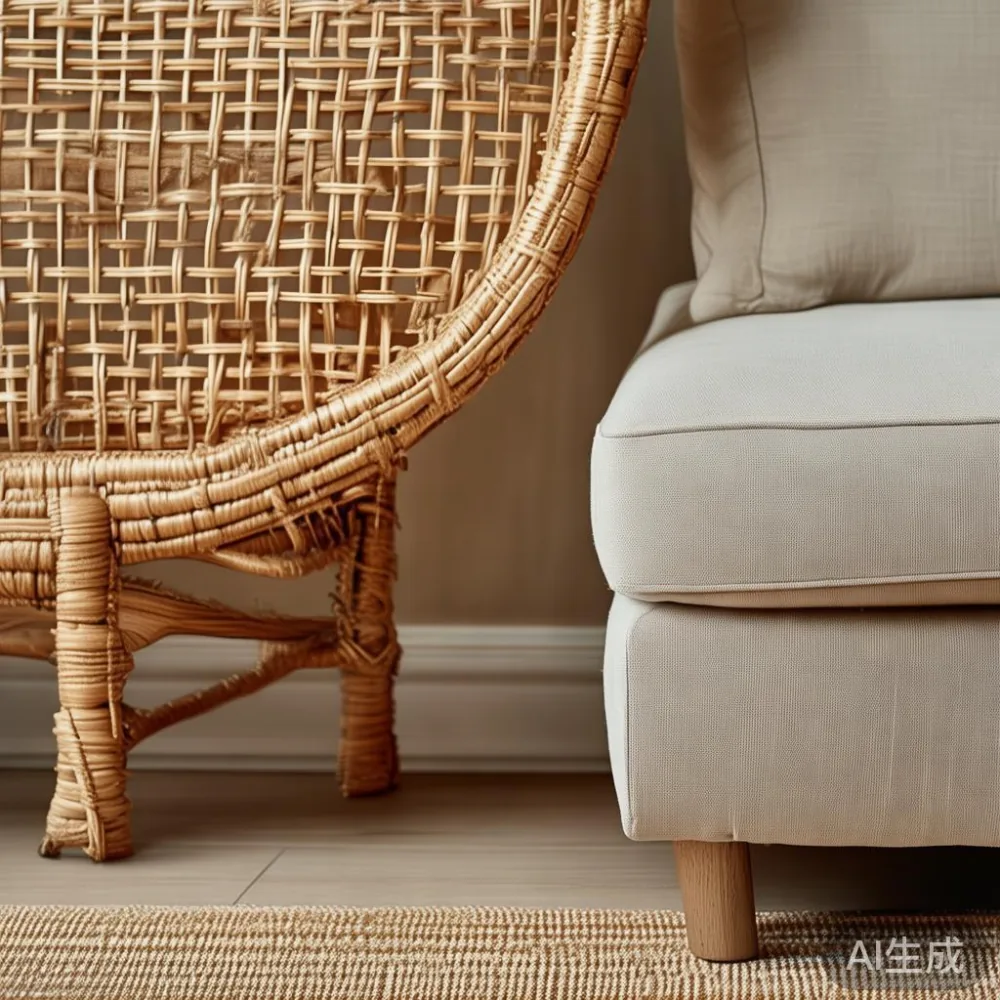
Species affect availability, drying behaviour, hardness, grain and machining requirements. Premium hardwoods may be selected for figure, colour or consistency, while other solid woods are chosen for stability in Singapore’s humid conditions. The specification should name the actual timber and explain any clear components, rather than relying on a broad phrase such as “solid wood construction.”
Ask for the material breakdown. A dining table might have an 18 cm thick top, solid hardwood rails and legs, plywood or MDF in a concealed drawer insert, and rattan wicker used only in the backrest. That combination can be entirely appropriate, provided each material has a defined job. Solid wood provides load-bearing strength; engineered panels may control weight and reduce movement; rattan wicker adds lightness and visual texture.
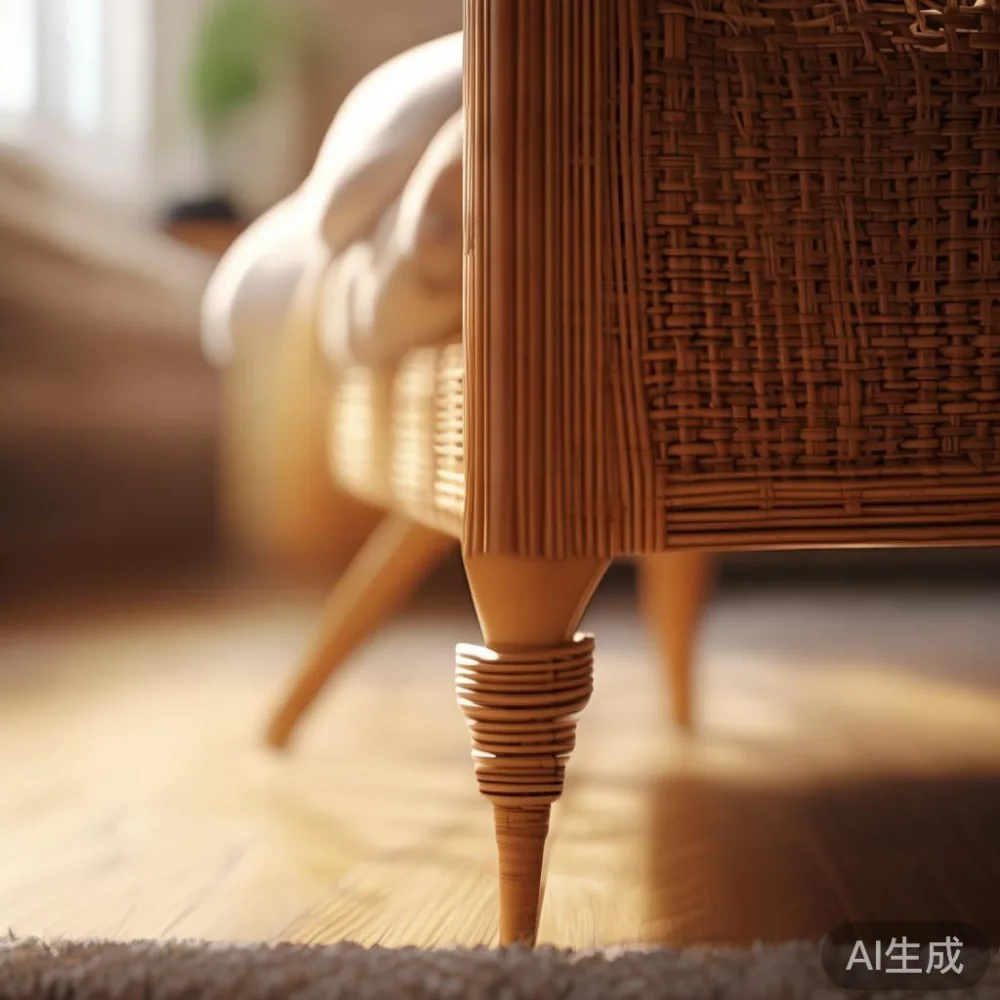
Grades also influence price. Select-grade boards with consistent colour and grain cost more than boards selected for character. Knots, sapwood, repairs and colour variation should be disclosed. For a table intended for daily use, a stable top with a controlled joint is more relevant than a dramatic but inconsistent board.
How much do dimensions, weight and board thickness affect furniture prices?
Dimensions are among the clearest price drivers because timber use rises with surface area and section size. A 200 cm dining table has a large top, while a 240 cm table requires more board stock, longer rails, additional supports and a heavier shipping carton. A 220 cm wide wardrobe has a larger carcass and more sliding or hinged components than a 120 cm wardrobe.
Weight matters because it reflects material use, but it is not a quality score on its own. A well-proportioned 45 kg bed frame may use fewer boards than a poorly engineered 60 kg frame. The useful questions are: how thick is the load-bearing section, how are the joints made, and where are reinforcements placed?
For a solid wood bed frame, look for a headboard, side rails, foot rails and slat supports sized for the stated mattress. A 20 cm high side rail may feel substantial but can be hollow inside. By contrast, a compact 12 cm rail with dense timber and a sound corner joint may be structurally better suited to the mattress.
Hardware should also be counted. A wardrobe with 3 doors, 6 adjustable shelves, 2 drawers and full-height steel hanging rails needs more components than a simple 2-door cabinet. Quality hinges, drawer runners, screws and bed connectors contribute to cost, especially where the warranty depends on their performance. An experienced furniture specialist can estimate assembly time, wear at the joint and likely replacement cycles from these details.
What makes a solid wood sofa more expensive than a similar-looking frame?
A solid wood sofa frame can range from lighter fixed constructions to heavier, more layered assemblies. The visible frame may be solid wood, while internal webbing, foam, mesh or engineered components support the cushions. Under a rattan wicker outer frame, the load-bearing structure still requires careful engineering.
Useful figures include a seat height of 42–46 cm, a usable seat depth of 55–60 cm, and a back height of 82–90 cm for many living rooms. A 220 cm three-seat sofa requires longer rails and more support than a 160 cm two-seat model. If the price jumps from SGD 1,400 to SGD 2,600, check whether the difference comes from timber section, suspension, cushion density, joints, width or finish—not merely a new product name.
How to choose European light luxury sofa is partly a question of proportion and restraint. A French light luxury approach often uses pale oak or ash, gentle curves, upholstered surfaces and a softer silhouette. An American light luxury approach may use deeper upholstery, broader arms and more generous cushioning. Post-modern light luxury combines familiar forms with selective contrast, such as a solid wood frame, rounded edges and a rattan wicker panel.
For Singapore interiors, sofa depth should be checked against the room rather than in isolation. In a Tampines HDB living room, leave approximately 90 cm as a practical circulation route behind the sofa where space is tight. Keep the sofa 10–15 cm away from a sliding door or access point, subject to the manufacturer’s operating clearance. In a Punggol condo with a narrow lift and corridor, a 220 cm sofa may arrive in several cartons, while a 180 cm model may pass more easily as one protected package.
How should I compare a wardrobe, bed frame and nightstand fairly?
Compare products by function, usable dimensions and material specification. A wardrobe with an external depth of 58 cm and a 56 cm hanging space may offer more internal organisation than a deeper 62 cm model with a bulky top section. Internal drawer width, shelf spacing and door movement are more useful than the silhouette alone.
For an HDB bedroom, a 150 cm wide wardrobe often leaves adequate movement beside a queen bed, while a 180 cm wardrobe may dominate a 9 sqm room. The door opening is also important: a sliding design needs roughly 60–70 cm of front clearance for access, while hinged doors need about 90 cm. Before ordering, measure the corridor turns and lift opening, not just the bedroom doorway.
The best Scandinavian wardrobe for 2026 is likely to be judged by its storage logic and restrained finish rather than by the label itself. Light oak, pale ash and warm white doors can work with rattan wicker furniture, while darker walnut-toned frames can ground a compact bedroom.
A bed frame should be matched to the mattress. A 150 cm frame generally accepts a standard queen mattress, with the exact mattress thickness determining the finished rail height. Inspect centre supports, corner blocking and the distance between slats. A nightstand should align with the mattress top—often 50–60 cm high—and provide a stable surface rather than a narrow decorative ledge.
Some shoppers encounter phrases such as top 10 European furniture when researching design directions. Such lists are useful for visual research, but imported-sounding names do not prove European manufacture. Ask where the piece was made, which factory produced it, what the warranty covers and who handles after-sales claims in Singapore.
Does rattan wicker add cost, and where is it used in solid wood furniture?
Rattan wicker can add cost when the weave is tight, the strands are consistent, the pattern is complicated and the edges are finished neatly. It may also increase labour because each panel is woven or fitted into a frame. A straightforward chair panel can be inexpensive, while a curved cabinet front with a continuous pattern takes longer.
Material choice still matters. Natural rattan, synthetic resin rattan and paper cord have different moisture tolerances, repair methods and expected lifespans. In a humid Singapore home, the seller should explain how the insert is protected, how tightly the weave is stretched and whether a replacement panel is available. Rattan wicker should not be described as solid wood; it is a distinct material used to reduce weight, introduce texture or create a shaped surface.
In solid wood dining tables, rattan wicker may appear in a chair back, cabinet door or bench. In a bed frame, it can appear in a headboard panel. In a wardrobe, it may soften a door front. The loading requirements differ each time: a chair back needs repeated flex resistance, a wardrobe panel needs hinge stability, and a headboard needs support against knocks and mattress contact.
Price differences of SGD 80–250 for a well-integrated rattan wicker panel can be justified by pattern accuracy, reinforced framing and clean junctions. Poorly terminated strands, visible staples or a loose perimeter can lower value. Ask whether the material can be replaced, and inspect a physical sample under daylight rather than judging only from a filtered showroom image.
How much should finish, colour and texture influence the price?
Finish can be a major cost because preparation takes time. A stained surface may require sanding, sealing, colour adjustment, drying and a protective topcoat. A natural oil or matte lacquer can require fewer layers, but the underlying preparation remains important. A table priced 10–20 percent above a similar clear-finished model may include a more controlled colour process, not simply a trendier appearance.
Match the finish to use. A dining table needs a surface that can be wiped after a meal; a nightstand may benefit from a lower-sheen finish that hides small marks; a wardrobe door should not feel tacky in humid air. Ask which coating system is used, how many coats are applied and what cleaning product is safe. Some solid wood furniture can be refinished later, while rattan wicker generally needs a different treatment because it does not respond like a timber board.
Texture also affects labour. Hand-carved edges, live edges, chamfers, fluting and rounded corners require additional setup and inspection. French provincial for dining room references often point to carved details, warm timber and traditional forms. If that visual language is combined with a light, uncluttered layout and durable finish, it can sit comfortably within light luxury rather than becoming a period reproduction.
Marble table is another example where appearance and structure need separate budgets. A marble-look surface with a manufactured porcelain or compact laminate top may cost less than natural stone because slab selection, cutting and weight are less demanding. Natural marble also brings the issue of support: a 200 cm table top may weigh 100–180 kg depending on thickness and stone type, requiring a reinforced base, careful lifting and a lift plan approved by the building management.
What should a Singapore buyer know about GST, delivery and installation?
Displayed retail prices can move by 9 percent GST. A quoted SGD 2,000 package becomes SGD 2,180 for GST purposes, so compare the final payable amount rather than a pre-tax headline. Ask whether floor protection, assembly, lift reservation and old-item removal are included.
Delivery is affected by access, distance and packaging. A small nightstand may arrive in 7–12 days to Singapore, while a made-to-order dining table may take 30–60 days. Stock items can be dispatched within 3–7 days. These are planning ranges, not guarantees; peak production periods, customs checks and building appointments can extend them.
Measure the lift door, cabin depth and corridor. A common HDB lift door is about 80–90 cm wide, while corridor widths can fall below 100 cm in older blocks. A 220 cm dining table top may need to enter vertically or be carried in two sections. Confirm whether the supplier uses a two-person delivery team and whether the packaging can be removed without damaging the floor or walls.
Some buyers search for cheap Italian light luxury furniture and designer light luxury furniture, assuming those terms reveal a fixed country of origin or price band. They do not. Italian-inspired joinery and designer proportions may be combined with responsibly sourced timber and production in China. Transparent specifications matter more than a geographic adjective.
What does a 10-year structural warranty actually cover?
A 10-year structural warranty should refer to defined load-bearing components and manufacturing defects, not every scratch, colour change or accidental break. A useful warranty explains whether it covers the solid wood sofa frame, bed rails, dining table joints and wardrobe carcass. It should also state how the customer supplies photographs, measurements and supporting documents, and how a claim is assessed.
Last month I visited my colleague’s Bedok condo to inspect a dining table that had travelled through a narrow corridor. The carton was 214 cm long and the lift opening was 82 cm, so the table had been separated and carried in two protected sections. The corner joint, fasteners and underside were dry and stable after 8 months. That experience reinforced something important: packaging and assembly are part of the product, not minor delivery details.
MIDHILL states a 10-year structural warranty and lifetime refinishing for eligible solid wood furniture, which gives buyers a clearer long-term ownership path. The terms still need to be read for the relevant product, finish and component. Confirm whether rattan wicker replacement, marble maintenance and general surface care are included. MIDHILL also offers free shipping on orders over US$350 and a 14-day return window, subject to the stated conditions.
The practical price equation is straightforward: timber and dimensions form the material base; joints, hardware and suspension add functional cost; finish, detailing and woven elements add labour; packaging, delivery and warranty add ownership value. When those components are separated, two quotations become easier to compare. For a tailored specification, including rattan wicker inserts and complete measurements for a Tampines, Bedok or Punggol home, contact MIDHILL at +86 188 2788 2512.