Understanding Solid Wood Prices: A Singapore Perspective
Solid wood furniture looks simple until the quotation arrives. A dining table may be shown beside a similar table online, yet one asks SGD 1,280 while another asks SGD 3,460. The visible surface can look nearly identical, but the differences sit inside the timber, joinery, dimensions, finish, and delivery terms.
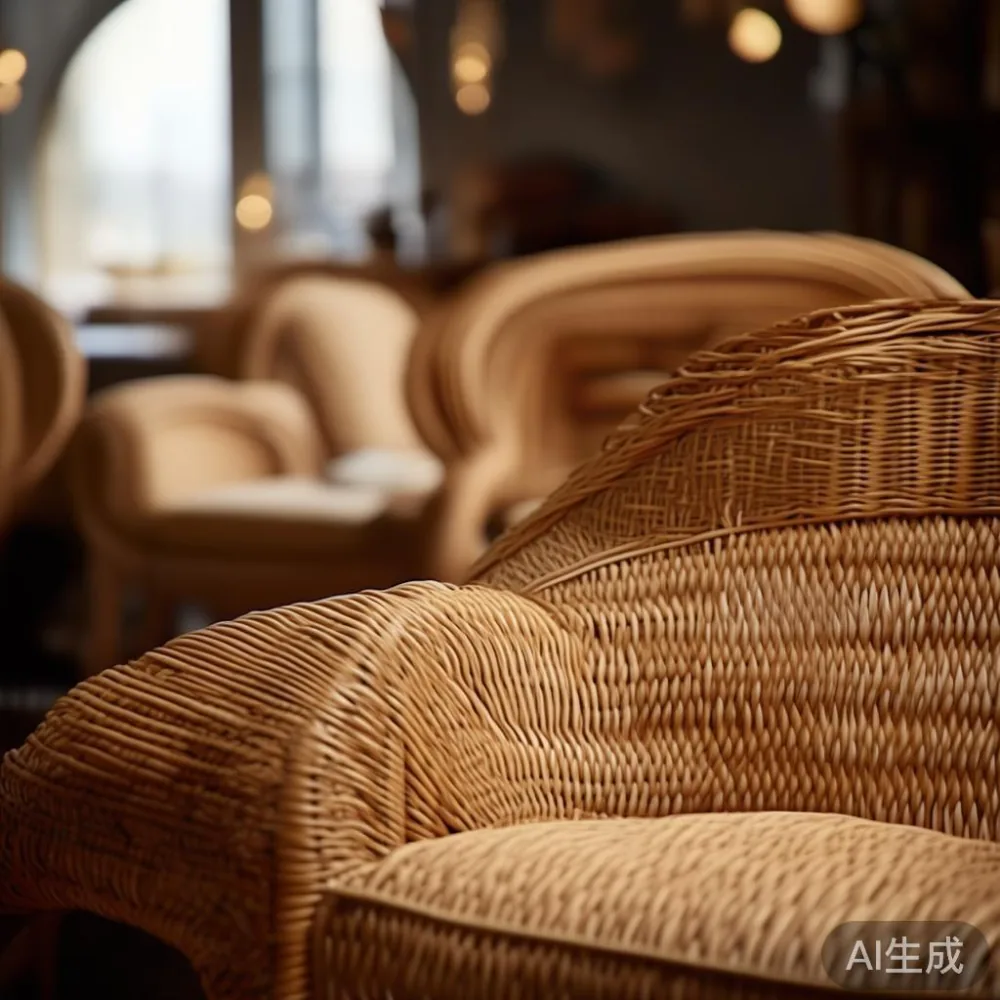
For Singapore buyers furnishing an HDB flat in Tampines, a Bedok condo, or a Punggol home, price is rarely one number in isolation. A 180 cm dining table must still pass through a common corridor and fit into a lift. A 24 kg wardrobe may require two delivery workers. GST adds 9% to most Singapore purchases. These practical details belong in the budget from the start.
This guide explains what actually drives the price of solid wood furniture, including solid wood sofa frames, bed frames, dining tables, wardrobes, nightstands, and marble tables. It also considers the rattan-wicker pieces that soften all-wood rooms without pretending they are timber products. MIDHILL has made solid wood furniture since 2008, exports to more than 15 countries, and offers a 10-year structural warranty, lifetime refinishing, free shipping above US$350, and 14-day returns.
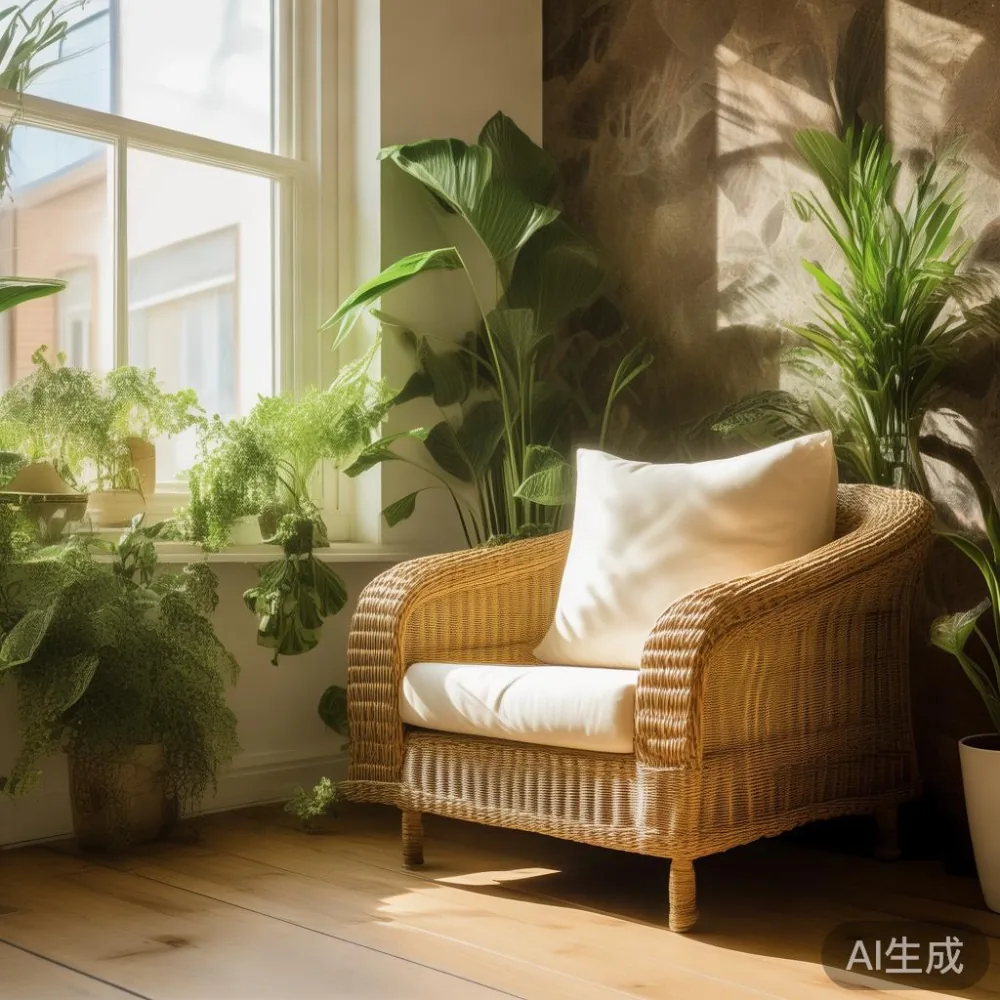
Is timber species the biggest factor in solid wood furniture prices?
Timber species matters because trees grow at different rates, boards have different widths, and each material behaves differently under humidity and daily use. But species is only one part of the price. Board selection can matter just as much within the same species.
For example, a 160 x 90 cm dining table made from rubberwood may be quoted around SGD 980 before GST, while a comparable design in kiln-dried oak may reach SGD 1,780 before GST. Walnut can move above SGD 2,600 because its raw material cost and availability are more constrained. These are illustrative Singapore retail ranges, not fixed market prices; board grade, finish, and joinery can shift them considerably.
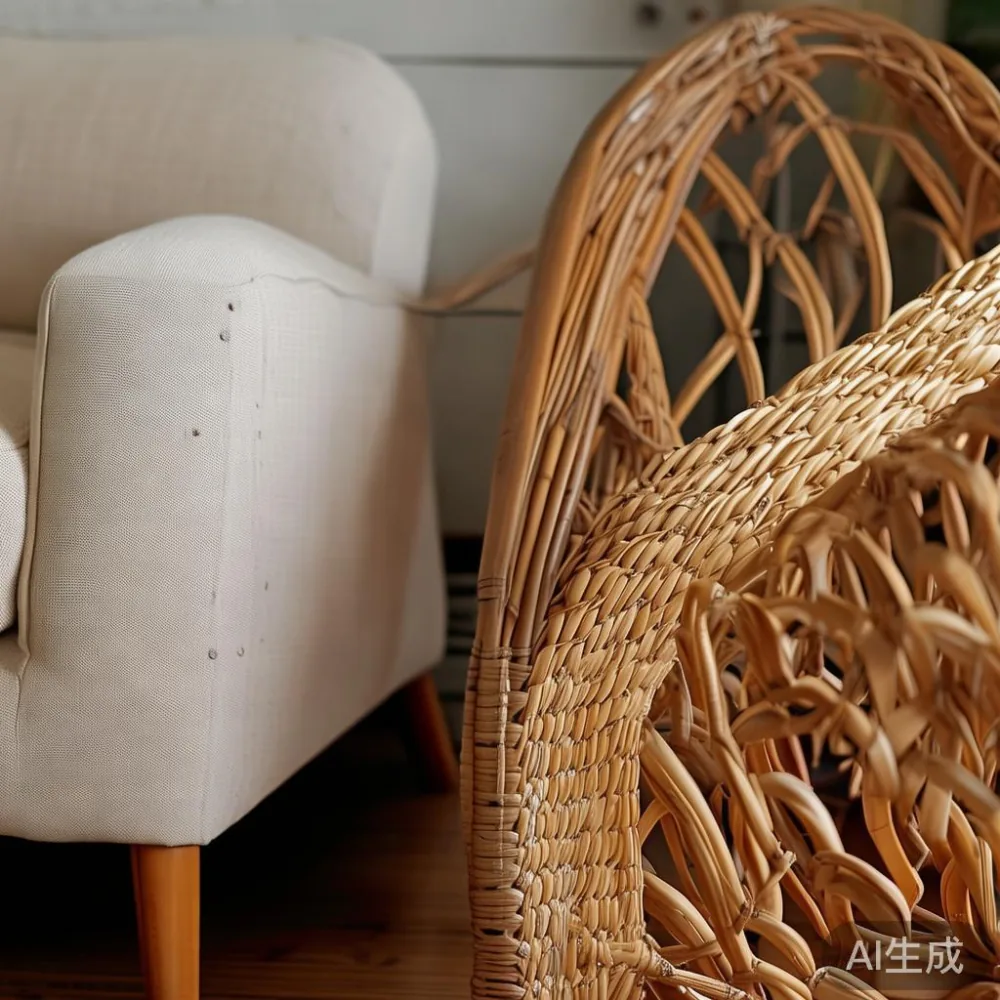
Look for a stated species rather than vague wording such as “wooden” or “natural oak colour.” The seller should identify solid timber, veneer, or engineered wood clearly. Veneer is not automatically poor, but a 1 mm oak veneer over particleboard does not offer the same repairability or structural profile as a 20 mm solid oak top.
Ask whether the timber is kiln-dried to a stable moisture level for Singapore conditions. A sensible indoor target is roughly 8–12% moisture content, subject to the maker’s production specification. Stable seasoning reduces warping, cracking, and movement around joints. It also affects how confidently a maker can offer a long structural warranty.
Here is the useful rule: compare furniture using the same dimensions, timber, finish, and construction. Otherwise, a lower quotation may simply describe a different product. A true apples-to-apples comparison should include the board thickness, dimensions, drawer construction, and warranty, not only the hero photograph.
How much do board dimensions, thickness, and joinery affect the cost?
Thickness is easy to miss. A dining table with a 20 mm top needs more timber, machining, and clamping than one with an 18 mm top. The difference can add SGD 80–SGD 220 to a medium-sized table. The benefit is visible in edge profiles, stiffness, and the ability to refinish the surface later.
For a solid wood sofa, consider the frame rather than only the upholstered exterior. A kiln-dried hardwood frame with mortise-and-tenon joints or dowelled structural joints generally costs more than a frame assembled mainly with screws and particleboard panels. Seat depth also affects material use: moving from a 58 cm depth to a 62 cm depth can add SGD 90–SGD 180 after fabric and labour.
Joinery is where hidden cost becomes meaningful. A bed frame may use bridle joints, dowels, and screwed corner blocks instead of relying on a flat panel connection. A wardrobe may use dovetail drawer joints or reinforced drawer boxes. These methods take more setup time, but they help the furniture resist movement for years.
Hardware is another quiet price driver. A soft-close drawer runner may add SGD 25–SGD 70 per drawer, while a full-extension runner can cost SGD 45–SGD 110. Better hinges, adjustable shelf pins, and reinforced hanging rails add smaller amounts. On a wardrobe with three doors and four drawers, hardware alone can shift the total by SGD 180–SGD 350.
Last month I visited a woodworking supplier near Joo Chiat and inspected two dining tables priced within SGD 150 of each other. The lower-priced example had a 20 mm top but simple screw-fixed apron connections. The other used hardwood dowels and corner blocks under the top. Its finish also had a more even sheen. That inspection made the price difference easier to understand: both tables weighed about 42 kg, but the construction methods were not equal.
Why do furniture dimensions create unexpected Singapore delivery costs?
Size affects material cost, but it also affects the route into your home. A Singapore HDB lift may have a door opening around 70–90 cm wide and an internal depth of roughly 130–140 cm. Corridor turns can be tighter than the lift itself. A condo may have a private lift with generous dimensions, or a loading bay that requires the furniture to be moved through a narrower service corridor.
Measure the actual delivery route before ordering. You need the door width, lift door, lift cabin, stair width, turning space, and the bedroom or dining room doorway. Record the narrowest point, not merely the widest door. Add at least 10 cm of working clearance where possible.
A 200 cm long wardrobe cannot simply be tilted upright if its assembled height is 198 cm and the ceiling is only 195 cm. A modular wardrobe with two 90 cm sections may solve the access problem while remaining within a 180 cm lift cabin. However, extra modules mean more joints, edges, connectors, and assembly work, which can add SGD 120–SGD 260.
Delivery charges may range from SGD 45 for a standard local drop-off to SGD 180–SGD 350 for difficult access, upper-floor handling, or two-person delivery. Ask whether the quoted service includes carrying the item to the door, unpacking, and assembly. A service ending at the loading area should not be described as room-of-choice placement.
Assembly can add SGD 60–SGD 150 for a dining table, SGD 80–SGD 180 for a bed frame, and SGD 140–SGD 260 for a wardrobe. Requests involving narrow corridors, extra flights, or elevator booking should be confirmed in writing. This is where a 10-year structural warranty becomes more useful when paired with clear care and delivery terms: it protects the construction, while it does not automatically cover accidental damage during a difficult move.
How much does a marble table cost compared with a solid wood dining table?
A marble table sits in a different price category because stone selection, slab preparation, weight, reinforcement, and installation create extra cost. A 160 x 90 cm sintered stone dining table may be priced from about SGD 1,280 to SGD 3,200 before GST. A natural marble table of similar size may range from SGD 1,850 to SGD 4,500. Vein pattern, slab origin, edge treatment, and defect expectations all influence the final figure.
Natural marble is not a uniform product. Two slabs from one quarry can look entirely different. Buyers seeking a controlled pattern may prefer engineered stone or sintered stone, while those wanting a one-off visual character may accept natural stone. The sales sample should show the actual finish and veining direction.
Weight is unavoidable. A 160 x 90 cm marble top can weigh 70–110 kg, depending on material and thickness. That requires a properly sized base, secure fixings, and at least two trained handlers. A 20 mm top may weigh around 45–65 kg and still need careful handling. Transport insurance and reinforced packaging can add SGD 100–SGD 280 to the local delivery quotation.
Stone also needs a different care approach. Sudden temperature changes, acidic liquids, and abrasive cleaners can damage the surface. Ask whether the marble table includes a protective sealer and what maintenance is excluded. A brass or ceramic dining table is another option, but its price may be driven more by fabrication and finish than by weight.
Why does the finish add more than most shoppers expect?
Finish is often described as one line on a quotation: “matte lacquer.” Yet it can represent several layers and hours of preparation. Options such as hardwax oil, water-based matte lacquer, PU lacquer, and open-pore finishes each behave differently and suit different wood species.
A clear matte lacquer may add SGD 120–SGD 280 to a dining table. A smoked or wire-brushed treatment may add SGD 180–SGD 420. Thick build-up on edges and accessible surfaces can add another SGD 80–SGD 160 because every edge must be prepared and sprayed evenly.
Colour matching has a similar effect. A grey dining table in a custom stain may cost SGD 220–SGD 450 more than a standard natural finish. Custom stain development is not simply a change of colour; it involves test samples, sanding, pigment adjustment, and repeated checks against the approved sample.
Finish also changes future care. Some surfaces can be spot-repaired more easily, while very high-build lacquers may require specialist refinishing. MIDHILL offers lifetime refinishing for qualifying furniture, which gives long-term value to solid wood pieces, although scope and exclusions should be confirmed before purchase.
Light finishes require disciplined maintenance in humid homes. A dining table should sit at least 60 cm from a strongly air-conditioned vent where practical, and coasters should be used under hot vessels. For a nightstand, a 3 mm felt pad under table lamps can prevent scratches. A solid wood bed frame should not be dragged across tile floors; moving it in sections protects both the frame and floor.
How do light-luxury styles affect the price?
Style is not one material. It is a combination of proportion, grain, colour, hardware, and restraint. French light luxury may use pale oak, cream upholstery, slim tapered legs, and gentle curves. American light luxury often pairs white oak or walnut with clean lines and broad, comfortable forms. Post-modern light luxury can mix rounded silhouettes with rectilinear cases and selected stone surfaces.
The style affects labour and material selection. A softly curved French-style solid wood sofa needs shaped frame members, upholstery patterns, and more accurate cutting. A post-modern nightstand with a circular drawer front and asymmetrical profile takes longer to machine and finish than a straightforward box. Expect roughly 8–18% more for complex joinery and shaping than for a similar straightforward design.
Hardware sets the tone. Brushed brass pulls can add SGD 35–SGD 90 per piece compared with standard concealed fittings. Full-grain leather on a dining chair may add SGD 180–SGD 420 per seat. These choices are not about adding ornament everywhere; they are about making touchpoints feel deliberate.
Rattan-wicker belongs naturally in this conversation, but its price comes from a separate production process. Woven cane backs, cabinet inserts, dining-chair seats, and storage baskets are priced according to weave density, frame material, and finishing. A rattan-wicker dining chair with a solid wood frame may sit around SGD 260–SGD 520 before GST, depending on the timber and weave detail.
Rattan-wicker can bring lightness into a compact Singapore room. One woven cabinet front on a 120 cm sideboard can reduce the visual weight of a dark wood carcass. It is particularly useful in a Punggol study or a Japanese for guest room, where natural texture creates warmth without a heavily layered wall treatment.
For a guest room, Modern light luxury for guest room design can combine a pale solid wood bed frame, a linen headboard, one rattan-wicker accent chair, and a compact nightstand. The room should not become a showroom. Two textures are usually enough when the floor, walls, and bedding remain quiet.
How do you style a Japanese bed, European wardrobe, or Italian office?
For a low-profile bed, the question of how to style Japanese bed in room layouts begins with usable circulation. Leave 60 cm beside the main side of the bed and 45 cm on the secondary side where possible. A 160 x 200 cm Japanese-style bed frame may suit a room with at least 290 cm of wall length once a 50 cm headboard zone and circulation allowance are considered.
Use a solid wood platform or slatted base, a plain oatmeal or warm-grey mattress cover, and one low nightstand. Rattan-wicker at the bedside adds texture, but the woven chair should not crowd the walking route. Keep wall art centred rather than scattering small pieces across the wall.
Wardrobe planning follows a similar discipline. If you are considering how to style European light luxury wardrobe in room schemes, use full-height doors in pale oak with restrained handles, or framed glass doors with warm interior lighting. A 180 cm wardrobe with six doors and adjustable shelving may range from SGD 1,780 to SGD 3,460 before GST. A smaller 120 cm three-door model may be around SGD 1,150 to SGD 2,180.
For an office, Italian light luxury for office interiors often means precise proportion, dark timber, elegant stone details, and disciplined storage. A 140 x 70 cm executive desk in walnut may cost SGD 1,450–SGD 3,200 before GST. A marble table with a 160 x 80 cm top may cost SGD 1,980–SGD 4,500. The desk chair should be sized before the desk is fixed: allow 75–90 cm of rear movement when the chair is occupied.
In a compact HDB study, a 120 cm desk can provide more practical surface than a 150 cm statement model. Hide cables in a 20 mm rear channel, use one warm task light at 3,500–4,000 kelvin, and keep only daily materials on the desktop. This balances Italian light luxury for office character with the realities of a home where the same room may also support reading or online meetings.
What should a transparent furniture quotation include?
A useful quotation should state more than the final number. Ask for the exact dimensions in centimetres, the timber species, board thickness, frame construction, finish, hardware, drawer details, assembled weight, delivery charge, assembly charge, and GST treatment.
For example, a responsible dining-table specification might read: “180 x 90 x 75 cm, solid white oak, 20 mm top, kiln-dried hardwood frame, dowelled corner joints, matte water-based finish, four upholstered chairs, total packaged weight 58 kg, SGD 145 delivery to a ground-floor HDB unit in Tampines, assembly excluded.” This level of detail makes comparisons meaningful.
Confirm whether the product is flat-packed or assembled. Flat packing can reduce freight and corridor problems but may require 45–90 minutes of assembly. A wardrobe may take two people 90–180 minutes. If the seller will assemble it, confirm that old packaging is removed and that the room is cleared before delivery.
Check the warranty wording as carefully as the price. A 10-year structural warranty should define what structural failure means and identify excluded issues such as ordinary surface wear, water damage, or unauthorised modifications. Lifetime refinishing should also state whether labour, collection, return freight, and new materials are included.
Returns and cancellation terms matter for made-to-order pieces. A 14-day return window is useful for checking scale, colour, and condition, but custom dimensions or bespoke finishes may have specific conditions. Have those terms documented before payment.
For sellers and importers searching for sale Mid-century modern furniture, compare landed pricing rather than factory figures alone. Singapore GST, local delivery, elevator access, assembly, and after-sales support should all appear in the calculation. A table listed at US$1,200 may become considerably more expensive once those items are included.
How can you judge whether a solid wood price is fair?
Begin with use. A 42 kg dining table that seats six, has a stable hardwood base, and carries a repairable finish can justify a higher price than a light decorative table intended for occasional use. The same applies to a solid wood sofa frame, where the internal structure affects comfort and longevity, and to a bed frame, where joints must withstand repeated assembly and movement.
Set a total budget before browsing. For a three-piece dining setting in Singapore, a practical pre-GST range might be SGD 1,650–SGD 3,400, with custom stone, premium timber, and elaborate finishes moving higher. Add 9% GST and around SGD 100–SGD 300 for delivery and assembly if not included.
Then compare like with like. Use the same measurement tape for width, depth, and clearances. Read the specification for timber and board thickness. Check the frame, joints, drawer runners, hinges, and finish. Add delivery to the room, not merely to the loading area. Only after that should you compare prices.
Online specifications can help you build a shortlist. MIDHILL’s product pages at www.midhill.co provide a starting point for dimensions, materials, care, and delivery options. A sample viewing remains useful because wood grain, hand-finished edges, and the exact colour under Singapore’s warm lighting cannot be judged from a screen alone.
Price is a signal, but it is not a complete description. Solid wood furniture becomes more valuable when its material, construction, access planning, finish care, warranty, and after-sales service are understood. That is the real price equation: not only what the piece looks like on day one, but how well it can live with you for 10 years or more.