Humidity, Rattan Wicker and Solid Wood Furniture in Southeast Asian Homes
Singapore’s tropical climate can change the dimensions, surface and comfort of furniture faster than many owners expect. In an HDB flat in Tampines, a dining table near a west-facing window may experience relative humidity above 75% during a rainy afternoon. A bed frame in a Bedok bedroom without proper air movement can absorb moisture overnight. Even in a Punggol condo with air-conditioning, the difference between a room at 22°C and a corridor at 31°C can reveal small gaps, swollen joints or uneven gaps where solid wood meets glass, marble or rattan wicker.
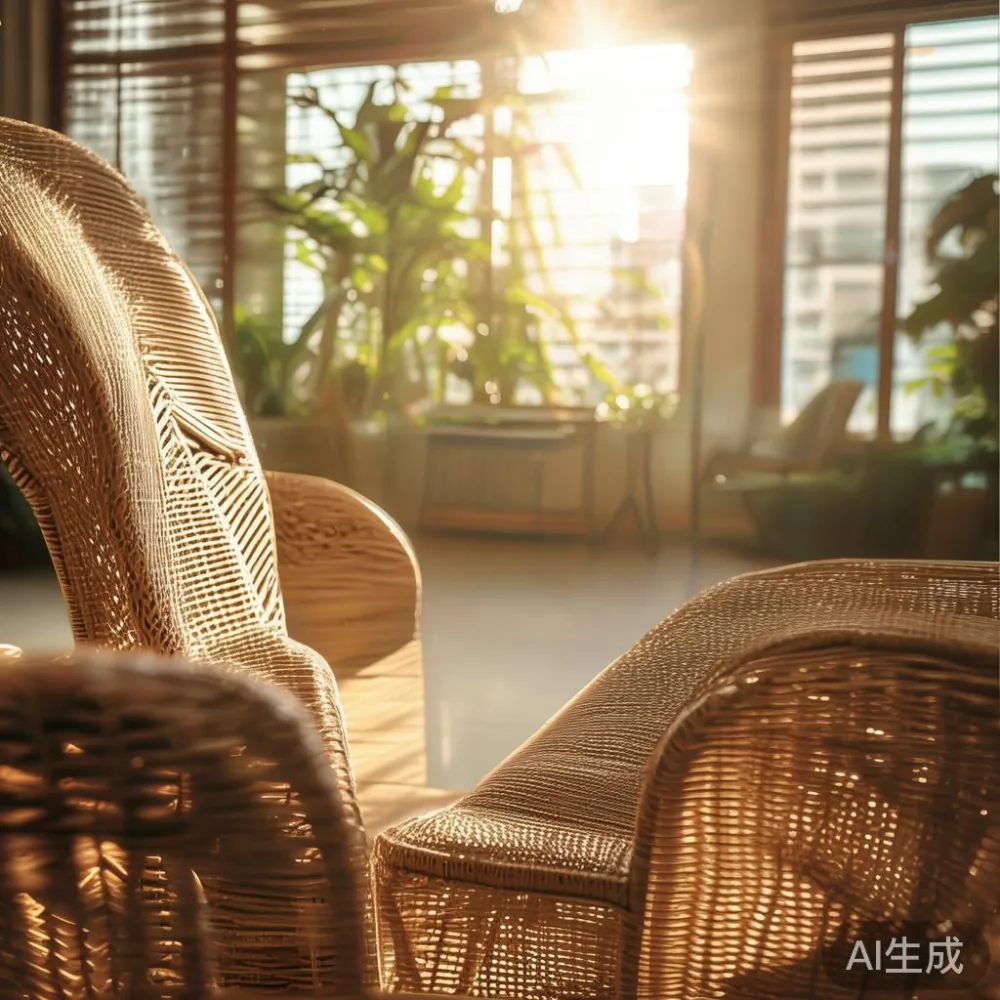
At MIDHILL, we treat humidity control as part of furniture design, not an afterthought. Our solid wood sofa, bed frame, dining table, wardrobe, nightstand and marble table collections are made for real homes and real delivery conditions. MIDHILL has exported to more than 15 countries since 2008, supported by a 10-year structural warranty and lifetime refinishing service. The purpose of this guide is practical: how humidity affects wood, why rattan wicker deserves careful attention, and how Singapore residents can protect their furniture without turning their living spaces into storage rooms.
How much humidity is normal in Singapore?
Singapore’s monthly relative humidity commonly sits between 70% and 85%, while lower readings occur during drier periods. Air-conditioned rooms may remain around 50% to 65%. These are useful reference ranges, not a promise that every flat will read the same number. A compact 90 sqm HDB unit, a high-floor condo and a ground-floor unit beside a vegetated area can each develop a different microclimate.
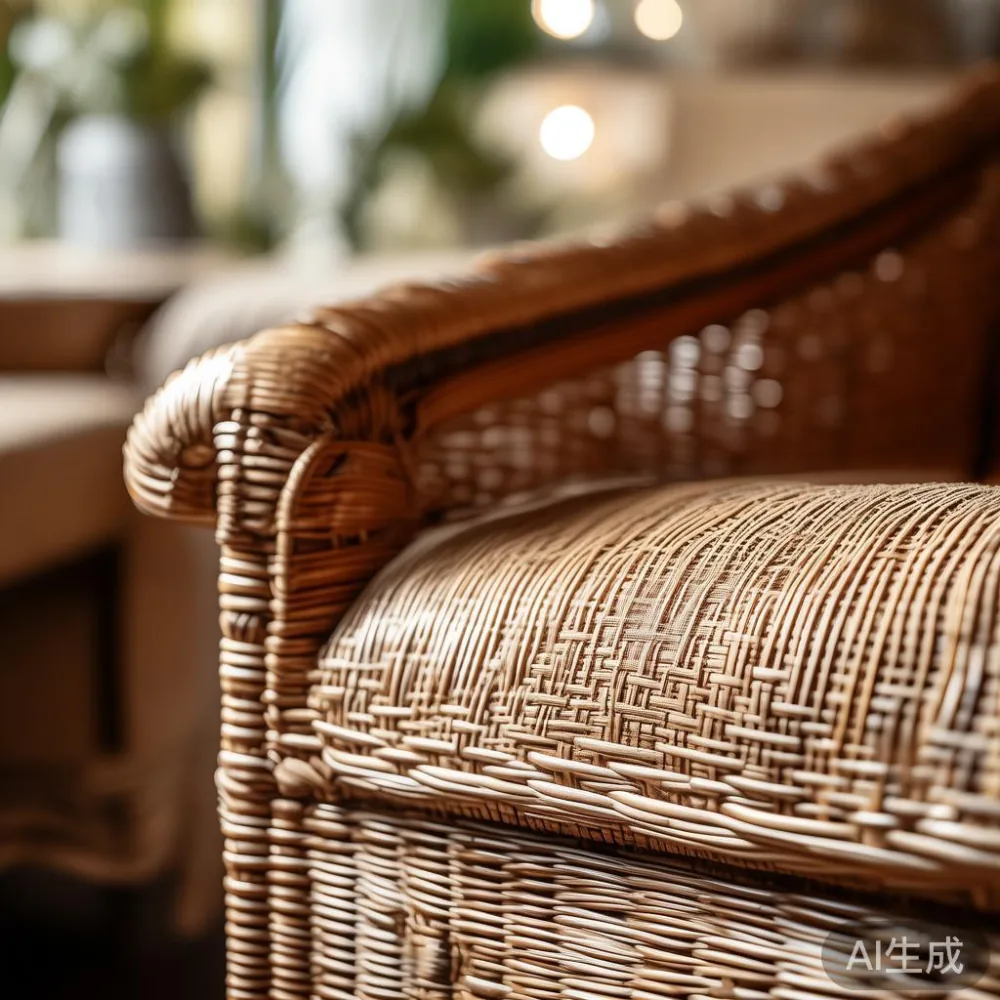
Wood responds to relative humidity because it exchanges moisture with the surrounding air. As humidity rises, the cells in timber can swell across their width, while length changes are much smaller. A solid oak panel 120 cm wide might move by roughly 1 to 3 mm across a pronounced seasonal cycle; tropical hardwood can show similar movement. The exact figure depends on species, thickness, cut, finish and the acclimatisation already achieved during production and shipping.
Rattan wicker can be even more visibly affected. Natural rattan contains fibres that expand and contract with humidity. A tightly woven cabinet door may bow by 2 to 5 mm, while a loose seat panel can curl slightly along a 45 cm edge. These measurements do not indicate defective workmanship. They show why the frame, joints, ventilation and maintenance routine matter.
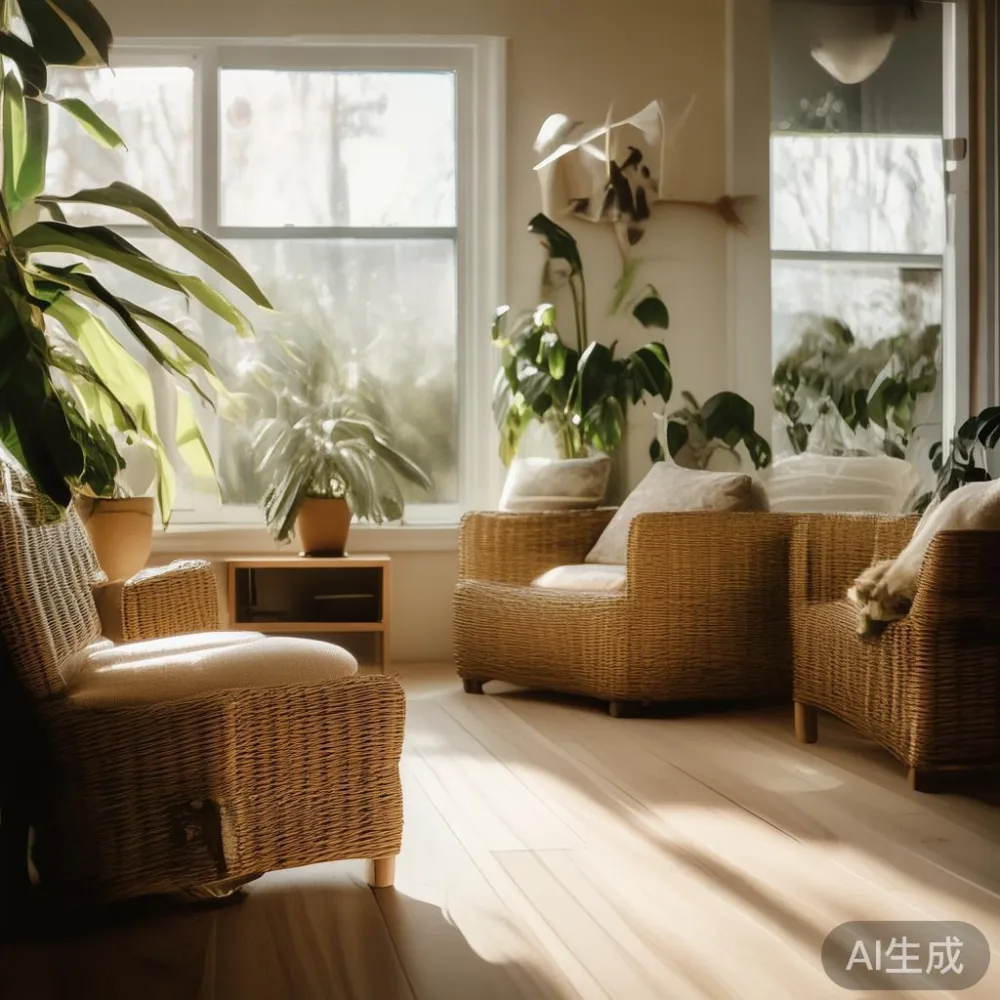
Do not confuse surface dampness with indoor humidity. A drink left on a nightstand can raise the local moisture level for hours, but it does not necessarily mean the whole bedroom is above 75%. Conversely, a dry cabinet interior can still be affected by slow seasonal change. Use an inexpensive hygrometer placed near the furniture rather than directly against it, and check readings at about 8 a.m. and 9 p.m. for 7 days.
What happens to solid wood furniture in a humid climate?
Humidity changes the appearance of wood in several ways. Flat-sawn surfaces often show more visible movement than quarter-sawn surfaces. White oak, ash and similar light-toned timbers can develop small surface checks, while darker finishes make the grain pattern more prominent. Solid wood sofa arms can feel slightly tacky if a humid surface is not dried. Dining table edges may feel cool or warm depending on the room temperature, and expansion can place temporary pressure against a wall or cabinet run.
Gloss and matte finishes are not moisture-proof membranes. A factory coating slows moisture exchange, but scratches or pinholes can create weak points. Water-based finishes generally allow more dimensional movement than heavily sealed film finishes. Oils and waxes nourish the surface, yet they require renewal after heavy use. A waxed dining table should not be treated as a dining surface that can hold a wet serving bowl for 12 hours.
Engineered wood is not outside this discussion. A plywood wardrobe back may flex as the panel gains moisture, while particleboard can swell at exposed edges. Solid wood does not mean moisture-proof, but a well-made solid wood bed frame or wardrobe with sound joinery, rear ventilation and stable fittings generally tolerates climate-related movement in a controlled way.
Marble needs a different precaution. A marble table is less affected by humidity than solid wood, but acidic liquids, coffee and cleaning residue can etch the surface. Keep stone away from persistent condensation, use coasters with a minimum diameter of 8 cm, and wipe spills within 5 minutes. During Singapore’s 12-month rainy season, ventilated serving trays are more practical than placing chilled dishes directly on marble.
Why does rattan wicker need special attention in HDB flats and condos?
Rattan wicker brings lightness and texture to a room, but its good looks depend on controlled moisture. French provincial for apartment styling often relies on woven accents, pale timber and soft curves. In a Singapore home, those same qualities need a realistic care plan, especially if the pieces sit near a balcony door, an ensuite or an air-conditioning unit that produces condensation.
For a lift and corridor journey, measure before delivery. A standard HDB lift interior may offer only about 90 to 110 cm of usable width at the door, and the turning space can be tighter than the cabin dimensions suggest. A rattan wicker cabinet wider than 70 cm may fit the lift but still be difficult to rotate through a corridor bend. MIDHILL can coordinate packed dimensions with the unit number, floor and access route so delivery teams can select the appropriate vehicle and trolley.
Conditioning is equally important. Rattan wicker should acclimatise in its final room for at least 48 hours before tight packing or decorative dressing. Keep it at least 15 cm from an open window and 30 cm from a wall exposed to direct rain. Avoid placing a woven cabinet directly beneath an air-conditioner because repeated cold air and condensate can create a sharp moisture cycle.
Light cleaning requires little equipment. Use a soft brush with 2 to 3 cm bristles, a clean microfibre cloth and a lightly damp cloth wrung almost dry. Do not soak the weave, and never use a pressure washer, saturated cloth or household bleach. Test an inconspicuous area with 2 drops of mild pH-neutral soap diluted in 500 ml of water. Dry the section with a fan on low speed, positioned at least 1 m away.
European light luxury design can make rattan appear formal, but natural fibre still records the climate. Keep woven panels away from steam from a kettle, damp laundry in an enclosed balcony and leaking façade joints. In a high-density condo, controlled air circulation and careful placement usually matter more than attempting to seal every surface.
How should you ventilate a Singapore bedroom without raising humidity?
Ventilation is not simply “open the windows.” During a humid afternoon, outdoor air may contain more moisture than the room. Opening windows can help after a downpour or when outdoor humidity is lower, while cross-flow helps after cooking or showering. A practical routine is to run the bathroom exhaust fan for 15 to 20 minutes after a shower, keep the bedroom door open during that period, and use a fan to move air across the wardrobe and bed frame.
Dehumidifiers can help in enclosed rooms, but they should not create an overly dry environment. Set a residential unit to maintain about 55% to 65% relative humidity where possible. A 20 to 30 litre-per-day model may suit a bedroom of 12 to 20 sqm, though the actual water collection rate depends on the unit and conditions. Place the outlet away from a timber wall or rattan wicker piece, and empty the tank every 2 to 3 days to prevent microbial growth.
Air-conditioning lowers temperature and often reduces relative humidity, but it does not remove every source of moisture. Refrigerant leakage and building dampness are serious faults that require professional attention; furniture protection cannot repair a leaking pipe or failed façade. A musty smell that remains after 30 minutes of ventilation deserves a building inspection rather than repeated oiling.
Leave a 3 to 5 cm space behind freestanding wardrobes when the manufacturer allows it, and use wall fixings where required for safety. Avoid pushing a solid wood bed frame tightly against a cold condensation-prone wall. For an ensuite adjoining a bedroom, a moisture-resistant bath mat and shower door seal can prevent daily dampness from entering the sleeping area.
What should I do if a solid wood table develops gaps, checks or swelling?
Start by identifying the cause. A 0.5 to 1 mm surface check along the grain is often a minor drying response. A darker line spreading from one corner may indicate a water leak. A rounded, raised section or persistent damp feel suggests swelling. Remove the source of moisture before applying any product, and allow the timber to return gradually to a stable condition over several days.
Do not sand a swollen dining table immediately. Trapping moisture under a new layer of finish can worsen the issue. Wipe the surface with a dry cloth, improve ventilation and keep room readings near 55% to 65%. Once the wood feels close to room temperature and normal in weight and appearance, a light cleaning may be appropriate. A trained refinisher can assess whether the finish is sound.
MIDHILL offers lifetime refinishing, which can restore scratches, worn patches and finish changes subject to service terms. Send photographs of the furniture, room conditions and affected area before arranging work. Our team can advise whether local care is sufficient or whether refinishing is warranted. Refinishing is not a remedy for an active leak, structural movement or a badly distorted frame.
For joints, do not force a tight fitting shut. A wardrobe door that catches because the panel has expanded may need alignment after the room stabilises. A nightstand drawer that swells can be eased by removing contents and improving airflow. Keep heavy objects inside drawers below 15 kg so the runners are not strained during expansion.
Customers researching how to choose European light luxury wardrobe should compare internal construction, hinges, drawer runners, ventilation and local service—not only the exterior finish. If considering wholesale European light luxury furniture for a project, ask the supplier how the pieces were acclimatised for a tropical destination and whether replacement woven panels are available. For residential purchases, the local warranty and after-sales process remain easier to use than a generic overseas policy.
Can polished solid wood and light-luxury styling coexist with humid weather?
Yes, with the right balance of surfaces, spacing and maintenance. French provincial for apartment interiors can use a solid wood dining table, upholstered solid wood sofa and restrained rattan wicker accents, provided the weave is protected from direct moisture. Post-modern light luxury often pairs clean lines with tactile materials; this works when one or two woven pieces are separated from damp zones instead of filling every corner of the room.
A practical Singapore scheme might include a 180 cm solid wood dining table in the dining zone, a 210 cm solid wood sofa facing it and a 45 cm nightstand beside the bed frame. A woven pendant or occasional chair adds texture without placing fibre against an ensuite wall. Keep a 90 cm circulation route from the entry to the dining area where possible, and a 60 cm route between the sofa and coffee table.
Those proportions also help in HDB layouts. A 90 sqm flat with an open kitchen can feel more ordered when the dining table sits on an unobtraced side of the room. Ensure the table clears the corridor by at least 60 cm for normal movement and by 75 to 90 cm for serving. Condo owners with bay windows should avoid pushing furniture against deep sills that collect rain and condensation.
Those researching the best Mid-century modern sofa for 2026 should check seat frame material, cushion foam density, cover removal and the dimensions needed to pass through local lift doors. Style does not excuse a tight squeeze. A sofa with solid wood framing and a durable woven or textured cover can suit the climate, but it still needs a dry cleaning routine.
For bedroom layouts, guidance on how to style European light luxury sofa in bedroom is more useful when it addresses scale and humidity. A 160 to 180 cm sofa can fit a master bedroom in a 12 to 16 sqm room if circulation is considered. Keep the piece 20 cm from curtains that may dampen in rain, and avoid standing fabric against a condensation-prone window.
How do you choose a furniture supplier that understands Southeast Asian conditions?
Ask specific questions about wood moisture at dispatch, finishing, acclimatisation, replacement parts and local after-sales support. “Made for export” is not a moisture-control system. A responsible supplier should be able to explain the expected indoor range, how pieces should be conditioned after delivery and what warranty terms exclude.
MIDHILL has supplied solid wood furniture since 2008 and exports to more than 15 countries. The company provides a 10-year structural warranty, lifetime refinishing, 14-day returns and free shipping for orders over US$350. International policies remain relevant to Singapore buyers, while local payment and delivery arrangements should be confirmed before purchase. Prices should be quoted in SGD, with GST shown clearly; a final figure of SGD 2,880, for example, should state whether GST is included rather than relying on an unverified exchange-rate conversion.
Customers comparing wholesale light luxury furniture should request moisture data and packing procedures, not just catalogue images. Solid timber should be wrapped so ventilation is possible during sea transport, while finished surfaces and corners need protection from impact. A nightstand may travel in 3 to 4 protective layers, and a wardrobe may require separate panels for handling through a 70 cm doorway.
Delivery planning deserves the same attention as product selection. Share the HDB or condo block, floor, lift dimensions and parking approach at least 7 days before delivery. Allow 3 to 7 delivery days after the item has left the workshop or regional warehouse, depending on stock and destination. If the furniture must be carried up a stairwell, establish the landing measurements and add a handling fee before confirming the order.
Final checks should include a hygrometer reading, the furniture’s serial number and visible surfaces under neutral light. Photograph the solid wood dining table or rattan wicker panels on arrival. Keep packaging for 14 days where space allows, but do not store woven furniture in a sealed plastic bag longer than 7 days because residual manufacturing moisture should be allowed to settle.
What maintenance calendar works in a tropical home?
Check humidity readings weekly for the first month, then at least twice each month during the wetter periods. Clean rattan wicker every 2 to 4 weeks with a dry microfibre cloth and use the damp method only when required. Dust the solid wood dining table with a soft cloth every 7 days, and wipe spills immediately rather than waiting for the next cleaning session.
Every 3 months, inspect the dining table’s finish, wardrobe corners, bed frame joints and nightstand runners. Look for 1 to 2 mm changes, finish dulling, mould-like spots or insects. Do not rely on the word “mould”; dark spotting on rattan can also come from oil, dye or water residue, so isolate the area and seek an appropriate diagnosis.
Every 6 to 12 months, renew appropriate wax or oil according to the finish and use. If the dining table seats 4 people daily, expect more frequent care than a decorative nightstand. Keep cleaning cloths separate: one for dry dusting and another for lightly damp cleaning. A separate chamois with a 70% alcohol solution can help remove oily fingerprints from some sealed surfaces, but test first because alcohol can soften certain coatings.
Move seasonal items away from external walls and inspect after heavy rain, especially in Bedok, Tampines and older HDB blocks where pipe work or façade joints may need attention. A wardrobe placed against an external wall can trap heat and moisture. Leave 5 cm of ventilation space when safe and fix tall units according to the supplier’s instructions.
Humidity does not make careful furniture ownership impossible. It makes maintenance more predictable. Use climate readings, identify moisture sources, protect natural rattan wicker, maintain the finish on solid wood and buy from a maker with a repair pathway. With those habits, a well-proportioned solid wood sofa, bed frame, dining table, wardrobe, nightstand or marble table can remain comfortable and visually calm for many years in Singapore.