How Southeast Asian Humidity Affects Rattan Wicker and Solid Wood Furniture
Singapore’s equatorial climate can change a piece of furniture faster than many owners expect. Warm, moisture-laden air enters an HDB flat in Tampines, a Bedok condominium or a Punggol apartment, then settles around a dining table, wardrobe or solid wood sofa. The result is not always dramatic damage; more often, it is a slight change in fit, surface feel or finish consistency.
At MIDHILL, our factory in Foshan has produced solid wood furniture since 2008 and exports to more than 15 countries. Singapore is a particularly instructive market because tropical humidity, air-conditioned interiors and frequent use of lifts and corridors place different demands on furniture than those found in cooler climates. A solid wood bed frame may behave differently from a rattan wicker wardrobe, while the way a package is measured can determine whether it reaches the fifth floor without damage.
This guide explains how humidity affects timber and natural fibres, what Singaporean homeowners should monitor, and how to choose furniture that suits local conditions. It also considers access, cleaning, delivery, warranty and the visual language of French light luxury, American light luxury and post-modern light luxury.
What does high humidity do to solid wood furniture in Singapore?
Wood is hygroscopic: it absorbs atmospheric moisture and releases it when the surrounding air becomes drier. In Singapore, relative humidity commonly ranges from about 60% to 85%, with higher readings during the wetter periods and lower readings inside air-conditioned rooms. A daily swing of 20 percentage points can be more significant than a stable reading of 70%.
When solid wood absorbs moisture, its dimensions change. A 180 cm oak dining table may expand by several millimetres across its width, while a 150 cm solid wood sofa frame can loosen slightly around joints or upholstered panels. A 200 cm wardrobe side may press more firmly against its carcass. Under repeated cycles, excessive movement can contribute to cracked finishes, sticking doors or uneven gaps, although sound construction and controlled indoor conditions reduce the risk.
Humidity does not automatically mean that solid wood furniture is unsuitable for Singapore. The material has supported buildings for centuries and remains central to durable furniture design. The issue is matching the wood, finish and construction to the environment. Pieces should not be installed immediately after delivery if they have travelled from a much drier climate or been stored in a cool vehicle. Allow approximately 24 to 48 hours for the furniture to acclimatise in the intended room, with packaging opened where ventilation is reasonable.
Engineered panels can also expand, but they often respond in a different way from solid timber. A wardrobe combining solid wood frames with plywood backing may move unevenly if only one component reacts. Buyers should ask about the construction of every large panel, the type of finish and the expected service response. MIDHILL provides a 10-year structural warranty, which is a meaningful starting point, but normal care still matters.
Which humidity range is comfortable for wood and rattan wicker?
A practical indoor target for wooden furniture is around 45% to 65% relative humidity. Short periods above that range are generally less concerning than repeated wet-and-dry cycling. Below approximately 35%, timber may contract and fine checks can appear; above approximately 75%, swelling, mould risk and finish adhesion become more pressing, particularly where air movement is poor.
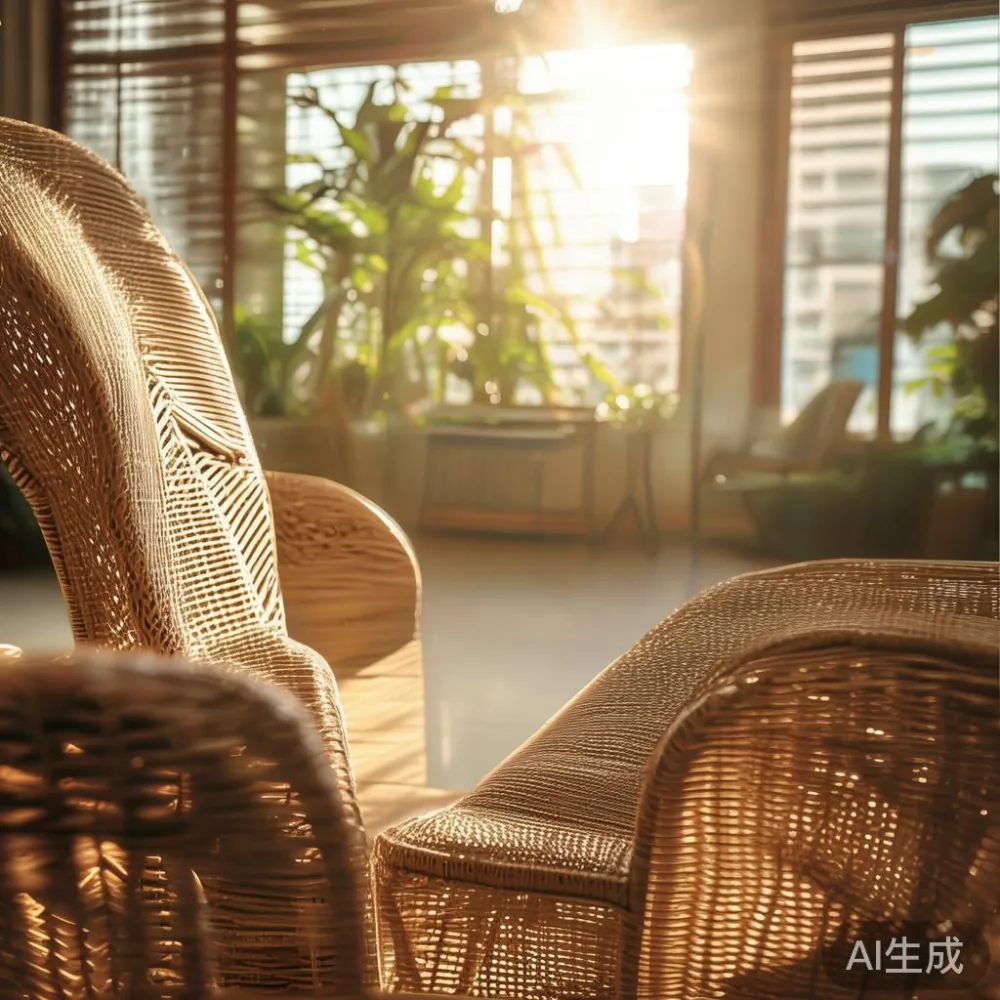
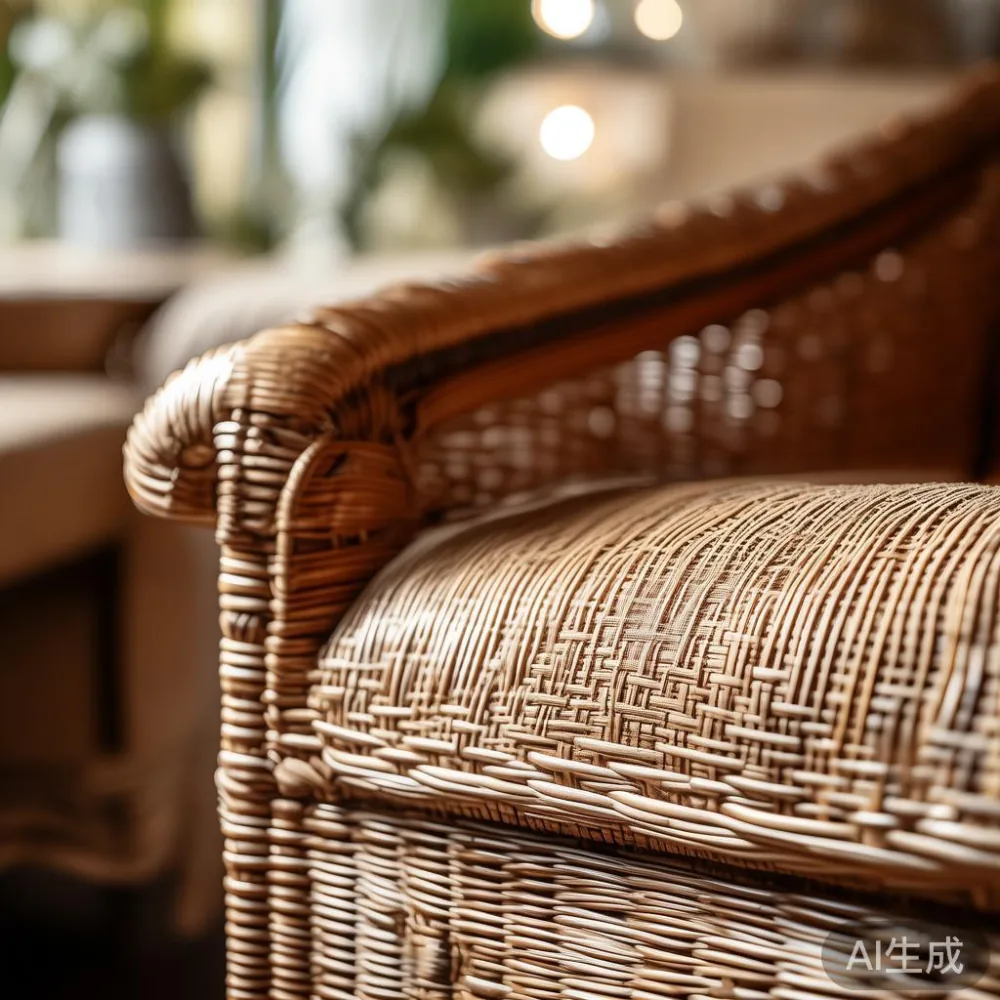
For rattan wicker, the concern is not only the core material but also the binding, weaving and protective finish. Rattan wicker can feel soft, springy and visually warm in a living room, but moisture trapped beneath thick upholstery or against a wall may leave marks. Keep woven panels around 30 cm from a wall where possible, lift cushions, and avoid damp cloths resting against the weave for hours.
Singaporean air conditioners often create a favourable interior environment, but they can also lower humidity too quickly. A bedroom maintained at 24°C may become dry during the night. Placing a hygrometer, ideally one costing around SGD 25 to SGD 60, on an interior wall gives a clearer picture than a weather app. Check it at approximately 8 a.m. and 9 p.m. on several days. Record readings near the wardrobe, bed frame or dining table rather than beside a ventilation grille.
Water-based cleaning products deserve careful attention. A lightly damp cloth used and wrung out immediately is safer than a soaked cloth. Keep at least 20 cm between a rattan wicker panel and a bathroom doorway, and wipe any splash from a nightstand promptly. Do not place wet laundry directly above a solid wood bed frame or oak dining table.
How should solid wood furniture move into HDB flats and condos?
Access planning is as important as moisture control. A polished dining table may look simple at the showroom but become difficult if a lift lobby is only 90 cm wide. Before purchase, measure the route from the ground floor to the apartment door, the lift car, the turning points in the corridor and the final doorway. Add at least 10 cm of clearance for packaging and handling.
A 200 cm long solid wood sofa frame may have to be tilted through a corridor. Protect corners with a 5 mm layer of foam and use the original carton where available. For an assembled wardrobe weighing 85 kg, ask whether the supplier offers on-site installation. MIDHILL can arrange delivery logistics for Singapore orders, and qualifying orders over US$350 qualify for free shipping under the brand’s stated delivery policy. The final Singapore price should include GST; a dining table listed at SGD 1,480 before GST becomes SGD 1,554.40 after 5% GST.
Compact Singapore homes also benefit from furniture selected around circulation zones. A bed frame of 180 cm by 200 cm needs a clear route of roughly 60 cm along one side for daily use. A dining table of 140 cm by 80 cm accommodates four place settings at about 55 cm per person, while 90 cm between the table edge and a wall helps chairs sit comfortably. In Punggol units with straight corridors, a slim 45 cm nightstand may preserve more space than a 60 cm model.
Delivery timing matters during renovation. Allow 7 to 14 delivery days for many Singapore orders, although peak periods, customs arrangements and building access can alter the schedule. Confirm the date, lift reservation and exact landing area before the truck arrives. Moving furniture up during a cooler or drier part of the day can reduce the time it spends in a humid loading area.
Can humidity damage rattan wicker furniture?
Yes, but careful ownership makes that risk manageable. Rattan wicker should be kept away from standing water, roof leaks, air-conditioner condensate and damp cleaning cloths. The strands may swell slightly, changing the spacing within the weave. If the material becomes visibly furry, soft or distorted, reduce humidity and allow natural drying with good airflow.
The phrase rattan wicker appears in many product descriptions, but buyers should identify whether it refers to a real rattan core, a synthetic resin fibre or another material sold under a similar name. A genuine rattan core is commonly around 10 mm to 14 mm in diameter before weaving. Resin-based rattan wicker can be more moisture-resistant, yet it still needs protection from ultraviolet exposure and heat.
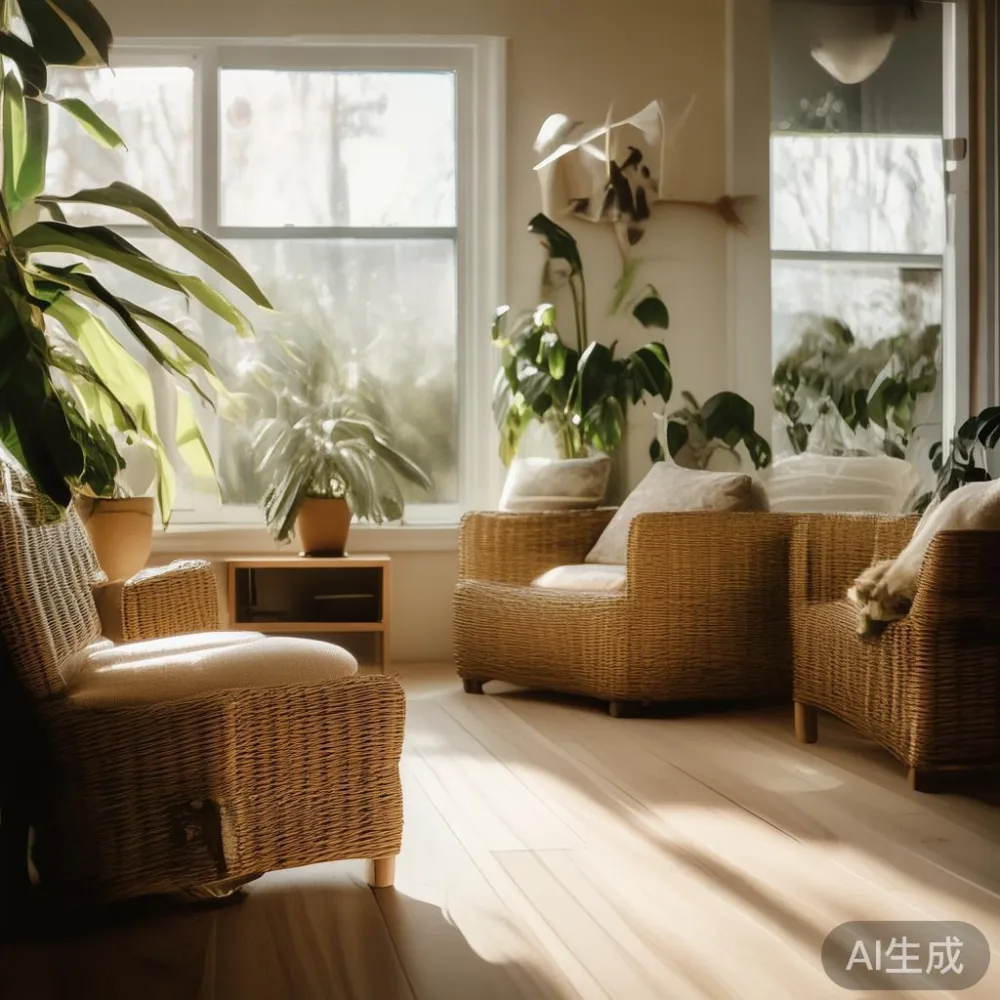
For a balcony, verandah or semi-outdoor dining area, specify products intended for covered outdoor use and clarify the warranty terms. A solid wood dining table should not sit under an uncovered roof edge where rainwater can reach it. For an air-conditioned living room, a rattan wicker accent chair can provide texture without occupying much visual weight, provided the weave is at least 30 cm from a humid wall.
Use a soft brush or vacuum attachment for loose dust. Test any cleaner on a hidden area and allow a 24-hour drying period before treating the full panel. Avoid steam cleaning, silicone-based polish and oil-rich products that collect in the gaps of woven material. These routines matter even when the room reads only 65% humidity because salt residue and fine grit can remain after invisible moisture has evaporated.
Which furniture pieces need the most humidity attention?
Large, flat surfaces show movement clearly. A solid wood dining table with a 4 cm top may cup slightly across the grain if one side repeatedly absorbs moisture. Ask for solid timber panels rather than thin decorative skins, and use coasters that are at least 9 cm wide. A marble table presents a different issue: marble is less vulnerable to humidity than timber, but its joints, base and surrounding floor still require care. Avoid placing a hot pan directly on the surface and use a trivet rated for at least 1.5 kg.
Wardrobes need airflow because their enclosed sides and back panels limit ventilation. Leave 5 cm behind the unit where the layout permits, and open doors occasionally after the room has been conditioned. A 210 cm tall wardrobe in a humid room may develop condensation on its exterior if the interior air and room temperature differ sharply.
Solid wood sofa frames and bed frames also benefit from stable conditions. Keep them 20 cm to 30 cm from exterior walls that run behind air-conditioning pipes, and maintain ventilation beneath a bed. Vacuum dust from the underside every 3 months. For upholstery, use a moisture barrier and rotate cushions every 2 weeks so one area does not remain damp against the frame.
Nightstands are often placed near windows, where humidity and rain can combine. A model with a solid wood top, recessed handles and a sealed underside will generally handle Singaporean conditions well. If you are comparing design references for Japanese for guest room layouts, prioritise a compact silhouette around 40 cm wide, a warm timber finish and a surface that can be wiped quickly.
How do French light luxury and Japanese design suit humid homes?
Light luxury does not require heavy, dark furniture. French light luxury often uses pale oak, cream upholstery, tapered forms and subtle metal details. These can make an HDB living room feel larger, provided the furniture is proportioned correctly. A 220 cm solid wood sofa may suit a 3.6 m wall, while a 250 cm model needs more space to avoid crowding the corridor.
For buyers researching the best Modern sofa for 2026, consider removable seat covers, washable fabrics and frames that are not visually dependent on deep tufting. The best Mid-century modern furniture typically features clean lines and tapered legs, which allow airflow beneath a dining table or sofa. Maintaining 10 cm beneath a rattan wicker chair can help moisture evaporate after cleaning.
Japanese-influenced guest rooms work well in compact Singapore apartments because they favour restraint and function. A low solid wood bed frame, one rattan wicker bedside chair and a 45 cm wide nightstand can create a calm setting without visual congestion. Because a guest room may remain closed for weeks, open the wardrobe briefly every 7 to 10 days during humid weather and inspect for condensation.
American light luxury leans towards generous proportions and tactile materials. A marble table can serve as a visual anchor in a dining room, while a solid wood bed frame brings warmth to the bedroom. In an open-plan condo, coordinate finishes so pale timber, woven texture and stone do not compete. Post-modern light luxury offers more freedom, combining shapes, materials and colour with deliberate contrast.
When evaluating a top 10 light luxury furniture shortlist, assess climate performance as well as photographs. Ask for timber species, panel construction, finish details, expected tolerances and care instructions. For a best Boho wardrobe for 2026, look for rattan wicker fronts paired with a stable internal carcass, adjustable hanging rails and ventilation gaps. In the search for french sofas for sale, a solid wood sofa with removable covers is often more practical for humid family homes than a fixed, tightly upholstered design.
What should I check before ordering furniture for Singapore?
Ask for a written material specification. “Solid wood” should identify the species or timber group used in the frame and visible panels, while the back and drawer construction may use plywood or another engineered component. Request photographs of the underside, joints and finish edges. For a dining table, inspect the top for a consistent 4 cm thickness, then check that expansion joints have been designed into long boards.
Confirm the finish system. A factory-applied lacquer or hardwax oil can slow moisture exchange, but scratches still require prompt care. Do not use a silicone-polished cloth on a solid wood bed frame or wardrobe. Use a soft, lint-free cloth, and keep liquids in coasters or trays.
Review delivery and return terms before paying. Singapore’s 5% GST should appear on the invoice. MIDHILL offers a 14-day return window, subject to the stated conditions, and a 10-year structural warranty. Customers can compare the product and specifications at midhill.co before placing an order. The lifetime refinishing service adds long-term value, although refinishing cannot correct timber movement caused by persistent dampness.
Finally, create a maintenance routine. Check humidity every morning for 1 week, then twice weekly. Wipe surfaces every 2 weeks, inspect moving parts every 3 months, and ventilate wardrobes after periods of heavy rain. Lift outdoor cushions after use and keep them in a dry, shaded location. These small habits give solid wood furniture, rattan wicker and marble table elements a better chance of remaining visually coherent for years.
How can Singapore homeowners test furniture before buying?
Last month I visited a Singapore showroom with a digital hygrometer and checked several display pieces that had been moved between air-conditioned rooms and the humid loading entrance. The corridor measured 76% relative humidity, while the showroom stood at 58%. A solid wood dining table showed a faint movement line along one 180 cm top after 2 hours near the entrance. After the same table had been conditioned indoors for 24 hours, the line was less visible. The test reinforced how much location and acclimatisation matter before judging a finish.
Buyers can conduct a simpler check at home. Measure the width of a movable drawer panel at the coolest and warmest times of day with a folding rule or digital calliper. Record the room humidity at the same time. A variation of 1 mm to 2 mm over several days is not necessarily a fault, but a growing gap, jammed runner or rippled lacquer finish deserves investigation.
Ask the supplier how a piece should acclimatise. For a solid wood bed frame or wardrobe delivered from a drier climate, give it 48 hours in the final room. For rattan wicker, keep the protective cover slightly open at both ends so air can circulate. Never place a newly delivered piece directly against a cold wall or beneath a window that receives rain.
Humidity-aware shopping is not about avoiding natural wood in Southeast Asia. It is about understanding movement, giving furniture room to acclimatise and maintaining sensible indoor conditions. With the correct construction, a measured delivery route and a routine of 10 minutes each week, solid wood furniture can remain handsome and serviceable in Tampines, Bedok, Punggol and other Singapore homes.