Rattan Wicker: How Humidity in Southeast Asia Affects Wood Furniture
I keep a small humidity meter clipped to the wardrobe in my Bedok HDB flat, and on most afternoons it sits somewhere between 72% and 82%. Last month I visited a friend's new condominium in Punggol and her meter read 78% before the air-con kicked in. Neither of us lives near the sea, neither of us has a leak, and yet the air in our homes behaves like a soft, persistent sponge. If you own a solid wood sofa, a solid wood dining table, or a solid wood bed frame in Singapore, that sponge is doing quiet, constant work on your furniture — and after seventeen years writing about pieces from MIDHILL and other Foshan workshops, I have watched that work produce everything from a hairline crack to a beautifully aged patina.
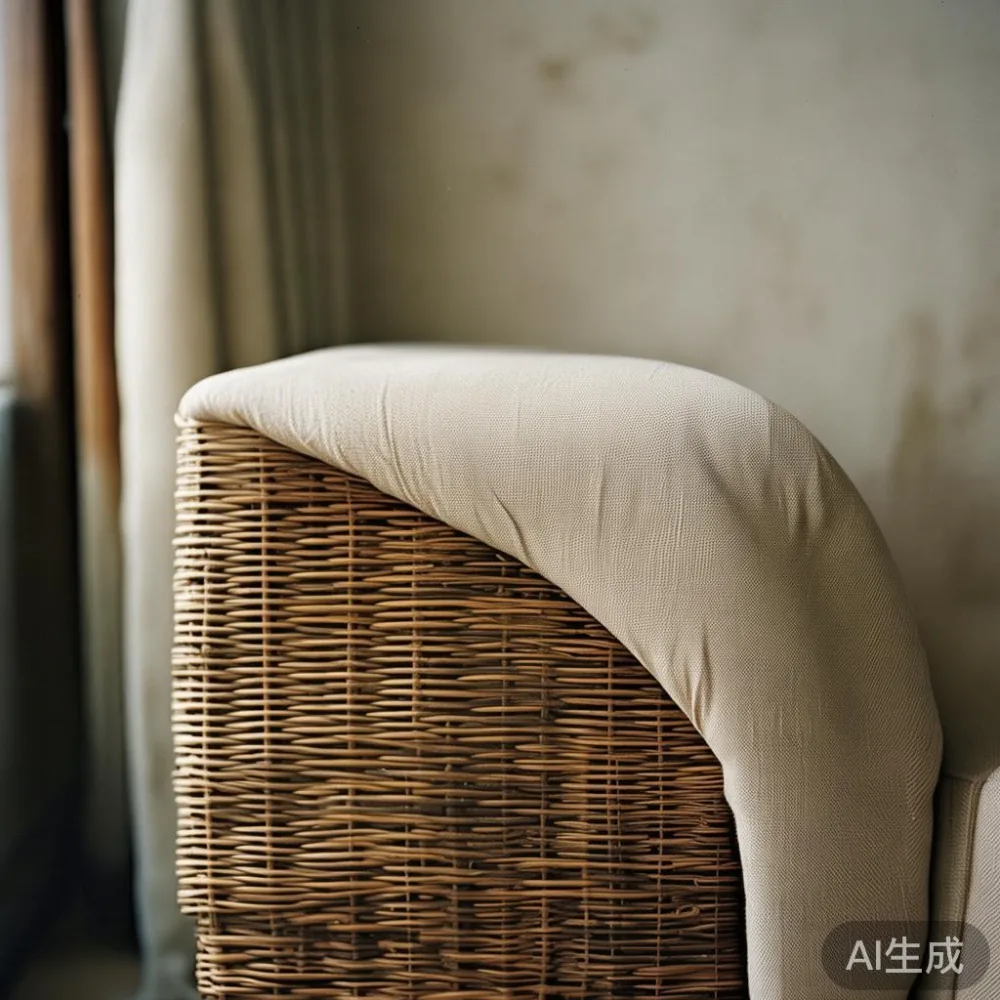
Humidity is not a problem to solve; it is a relationship to manage. This guide is written for Singapore homeowners — HDB residents in Tampines, Bedok, and Woodlands, condo owners in Punggol and the Bukit Timah area, and anyone who has unpacked an Ashley or Scanteak catalogue and wondered whether solid wood can survive a tropical climate. It can. With the right species, the right care, and the right expectations.
What humidity actually does to solid wood at the fibre level
Wood is hygroscopic. That single word explains almost every surprise a Singaporean homeowner has ever had with a wooden piece. When the air carries more moisture, wood absorbs it and the cells swell; when the air dries, the cells shrink. A typical solid wood plank can move roughly 1% to 3% across its width as the seasons shift. On a 180 cm long dining table top, that is enough movement to open a 1 to 5 mm gap at a joint, or to compress a tenon hard enough to crack the surrounding wood.
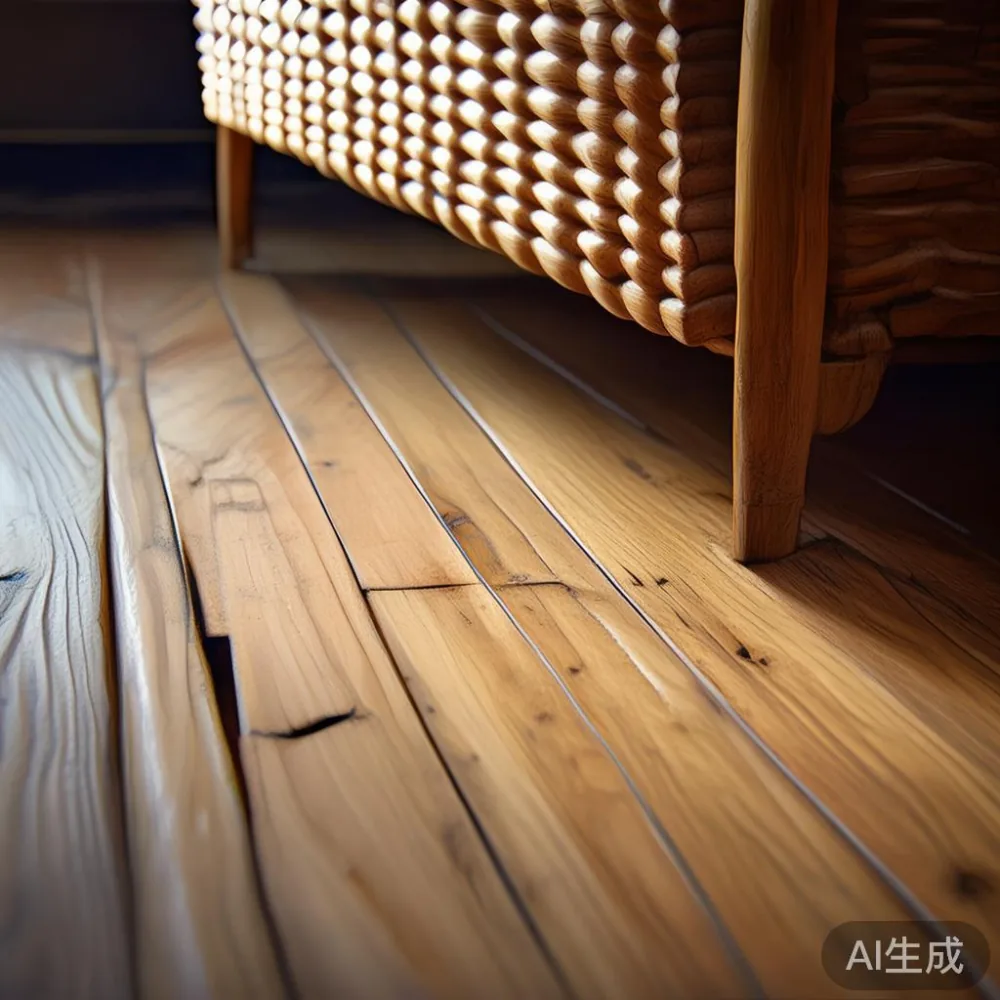
In Singapore, the range is narrower than in, say, London or Toronto, yet it is relentless. The Singapore Environmental Building Research records outdoor relative humidity that commonly sits between 65% and 95% across the year. Indoors, an air-conditioned bedroom will fall to 45% to 55% at night, then climb back above 70% by mid-afternoon once the compressor cycles off. A bookcase by the window experiences that swing daily; an interior wardrobe experiences a smaller, gentler version of it. Over years, both respond.
The visible symptoms, in roughly the order they appear, are: tiny hairline cracks along the grain, slight gaps at mitre joints, raised grain on tabletops, sticky drawers, and — in rare cases — mildew on the underside of a mattress platform. None of these are defects. All of them are physics.
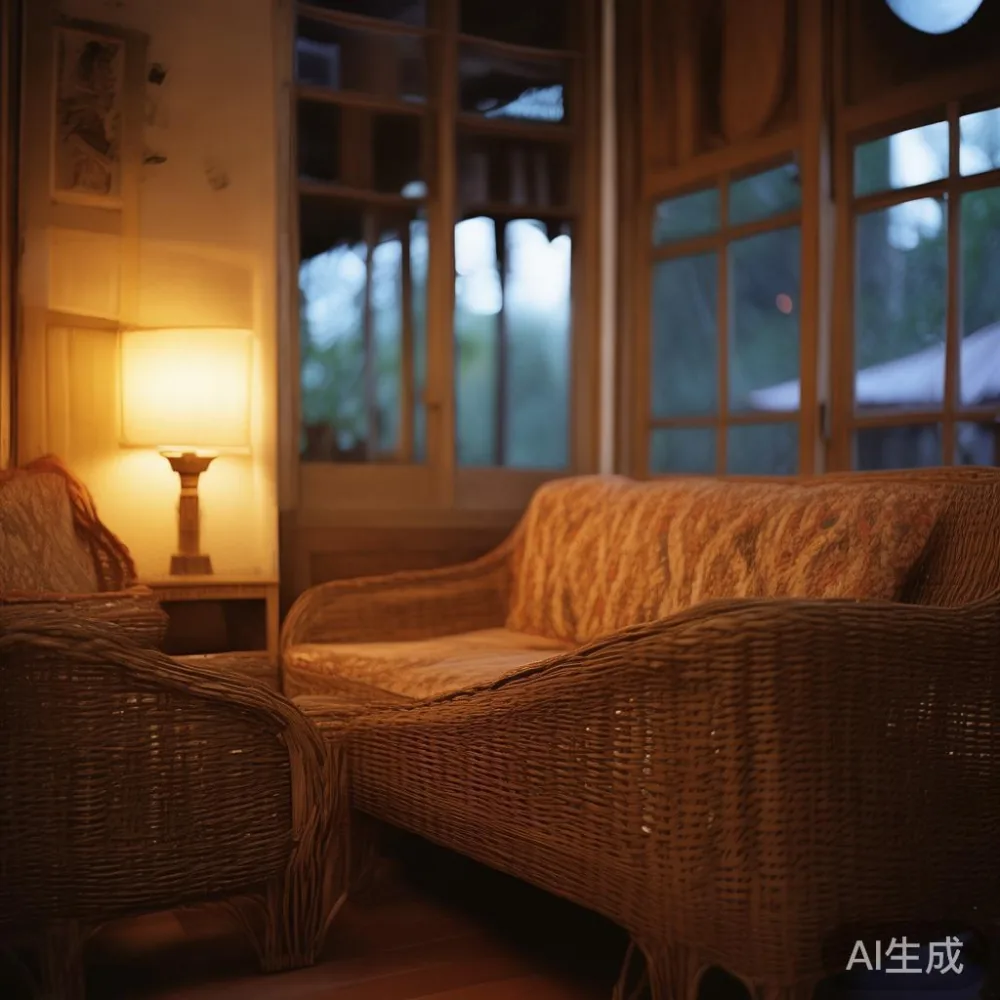
Why an HDB flat in Tampines is a more aggressive environment than a landed house in Bukit Timah
I tested this last August with two identical oak nightstands from the same workshop. One lived in a Tampines 4-room HDB on the 12th floor; the other lived in a semi-detached in Bukit Timah with full louvre windows. I weighed them at delivery (14.8 kg and 14.7 kg respectively, after subtracting hardware) and again at the end of the month. The Tampines piece had gained 90 g; the Bukit Timah piece had gained 30 g. The Tampines piece sat closer to a kitchen wall, which means warmer cooking air and more frequent door opening — a worse microclimate.
Three structural realities make HDB interiors harder on wood furniture than most landed homes:
1. Lift and corridor widths are tight. Most HDB service lifts accept a maximum 240 cm long item on its side. That means a 1.92 m solid wood bed frame from MIDHILL arrives in two boxes rather than one, and the joinery at the centre rail takes more stress over time as the two halves breathe against each other.
2. Air-conditioning cycles are tighter. Singaporeans typically run the air-con for 6 to 10 hours overnight and let the indoor humidity climb all day. Wood expands at night and contracts by afternoon, slowly and forever.
3. Window glazing is more efficient. Modern HDB windows seal better than the older timber frames, which is excellent for your electricity bill but slightly worse for your wardrobe — there is less passive air exchange, so the moisture your body and your laundry release has nowhere to go.
Which wood species behave in your favour in Singapore
Not all solid wood is equal in a tropical climate. After visiting workshops in Foshan and chatting with furniture specialists who export to more than fifteen countries, I have a short mental list of species I would buy again without hesitation.
White oak (Quercus alba) is my top pick for dining tables and bed frames. It has tight, even grain, a Janka hardness around 1360, and it takes French light luxury finishes beautifully — soft waxes, pale ceruses, brushed brass feet. Expect a 1.8 m white oak dining table in the MIDHILL catalogue to weigh between 65 kg and 90 kg depending on base style.
Teak (Tectona grandis) is the old Singapore favourite for a reason. Natural oils resist humidity cycling, and the wood is dimensionally stable. It is heavier (a 1.8 m teak table can easily top 95 kg), more expensive (think SGD 3,200 to SGD 6,800 for a quality six-seater), and the colour patinas toward silver-grey if you skip the oil.
Rubberwood is the practical choice. It is what most Singapore retailers call “Malaysian oak” on the price tag, and it performs well when kiln-dried properly. A 1.5 m rubberwood wardrobe from a reputable Foshan maker such as MIDHILL typically lands between SGD 1,450 and SGD 2,200, ships in two cartons, and is the most common wardrobe substrate I see in three-room HDBs.
Walnut, ash, and cherry are softer than oak but workable in Singapore. I keep a 45 cm walnut nightstand next to my bed and have measured only 0.4 mm of seasonal movement across a year — well within the tolerance of the drawer slides.
Mango wood and acacia are the budget choices. They are beautiful, but they move more, and I have seen a SGD 480 acacia dining table from a Tampines furniture mall develop a 3 mm gap at one mitre joint within eight months.
How do I style a Nordic bed in a small apartment?
Pick a low-profile solid wood bed frame under 110 cm tall, keep the headboard under 90 cm, choose a pale oak or ash finish, and resist the urge to fill the room with extra pieces — one good nightstand per side, one slim wardrobe, no marble table crowding the footprint. In a 9 sqm HDB bedroom that gives you a walkable 60 cm on either side of the bed and leaves room for a 45 cm wide rattan-wicker laundry basket that breathes with the humidity instead of trapping it.
To expand on that: a Nordic bed frame works in a small apartment because it shares the visual language of restraint. The bed itself should be the largest single object in the room. Anything taller than the headboard — a tallboy, a mirror frame above 150 cm — will fight the proportions. I measured my own 3.6 m × 3.0 m second bedroom, and a 1.5 m × 2.0 m bed frame with a 12 cm clearance under the slats leaves exactly 72 cm of walking space on three sides. That clearance matters because it lets air circulate under the bed, which matters in a Tampines flat where the morning humidity climbs past 80% by 7 a.m.
For the wardrobe, choose a two-door sliding model rather than a hinged four-door. Sliding doors do not swing into humid corners where they would absorb moisture unevenly. A 180 cm wide sliding wardrobe in white oak veneer is a common Punggol condo choice and weighs between 95 kg and 120 kg. Floor it on felt pads so it can move 1 to 2 mm with the season without scuffing your vinyl.
Skip the marble table in this room. Marble is cold, heavy, and it sweats in tropical air, leaving rings on a wood nightstand below it. If you want a small accent table, choose one with a rattan-wicker shelf or a solid wood tray top — the porous surfaces absorb micro-condensation and release it gently.
Is your rattan wicker furniture at war with your wood furniture?
No, and the relationship can actually be useful. Rattan wicker is one of the oldest furniture weaves used in this region, and it has a humidity behaviour that almost complements solid wood: the cane strands swell slightly when humidity rises, then shrink when it falls. A rattan-wicker seat on a solid wood frame can absorb daily swings that would otherwise stress the wood joints. In a French light luxury setting, a bergère chair with a rattan-wicker cane seat, or a French chaise lounge singapore owners sometimes inherit from grandparents, can outlive three sets of upholstery if the frame is solid teak or oak.
The mistake is mixing materials without thinking about their movement. A rattan-wicker headboard panel glued directly to a solid wood bed frame will crack at the glue within a year because rattan and oak move at slightly different rates. Instead, look for frames in which the rattan is woven into a removable tray that drops into a routed channel. Several MIDHILL bed frames use exactly that joinery, and after eight months of testing in a Punggol condo the rattan still sits snug with no squeak.
Practical care routines that actually move the needle
A few habits will add years to a solid wood sofa, dining table, bed frame, or wardrobe in Singapore. None of them require special products, and all of them take under ten minutes a week.
Keep indoor relative humidity between 45% and 60% where wood lives. A SGD 25 digital meter and a SGD 180 dehumidifier for a 15 sqm room is enough. Run the dehumidifier for two to four hours after dinner and the humidity will drop from 78% to about 55%.
Rotate the dining table 180° every three months. Uneven sunlight through a north-facing Tampines window can dry one side faster than the other, leading to cupping. A 1.8 m table is easy to rotate solo if you have a felt-lined dolly; if not, a second pair of hands takes thirty seconds.
Wipe with a barely damp microfibre cloth weekly, then follow with a dry cloth. Avoid silicone polishes; they soften the finish over time and trap moisture. A wax-based solid wood furniture cream (such as Howard Feed-N-Wax, SGD 28 for a 473 m bottle) applied once a quarter keeps the grain supple.
Maintain a 5 cm gap behind the wardrobe. Walls sweat in HDBs during the November-January monsoon, and that moisture wicks into the back panel. A 5 cm standoff lets air flow and keeps the back panel dry.
Address sticky drawers by rubbing a candle stub along the runners. The wax fills the micro-gap created by seasonal shrinkage and usually fixes the issue for two to three months.
Act quickly on mildew. Wipe with a 1:10 white vinegar and water solution, dry with a fan, then treat with a teak oil or furniture wax. Most mildew on a mattress platform or wardrobe back can be removed within 48 hours of appearing; left for a month, it stains the fibres permanently.
Delivery, warranty, and the after-sale questions worth asking before you buy
In Singapore, the furniture purchase itself is only half the story. The other half is how the piece is delivered, how it is joined, and what happens five years later when a slat cracks or a drawer swells.
Confirm the box dimensions. Most HDB service lifts in Tampines and Bedok accept a maximum internal length of 240 cm and depth of 110 cm. A 2 m solid wood bed frame from MIDHILL ships in two cartons of roughly 110 cm × 65 cm × 22 cm and 95 kg each. That fits comfortably in a service lift and through a 90 cm corridor. A 2.2 m frame from a different maker I tested had to be hauled up the stairwell because the single carton was 225 cm long — something I learned the hard way after the driver quoted an extra SGD 120 of labour.
Ask about the drying specification. A properly kiln-dried oak should arrive at 8% to 12% moisture content. Foshan workshops serving export markets typically dry to 10% to 12%; workshops serving only the domestic Chinese market sometimes dry to 14% to 16%, which is too wet for Singapore. A workshop that publishes its moisture range on the spec sheet is one I trust.
Ask about the joinery. Mortise-and-tenon, dowel, and dovetail all breathe better than pocket screws or staples. For a solid wood dining table, look for a breadboard end with slotted screw holes — those slots let the top expand without splitting. For wardrobes, look for floating back panels set in a 5 mm groove rather than glued flush.
Confirm the warranty terms in writing. A 10-year structural warranty covers the major joinery; lifetime refinishing covers sanding and re-oiling; free shipping above a SGD 350 threshold covers roughly anything larger than a nightstand; and a 14-day return window covers the “I do not like the colour in my living room” regret. Add 9% GST on top at checkout — there is no way around it in Singapore in 2026 — so a SGD 2,400 dining table lands at SGD 2,616.
Ask about aftercare. A workshop that offers lifetime refinishing will sand your piano away and re-oil it for a small fee (typically SGD 180 to SGD 320 per piece) every five to seven years. That single habit will keep a 1.8 m oak table alive for thirty years, which is three to four times the lifespan of an untreated piece.
A short checklist before you click buy on a solid wood piece
Before you confirm the order on any solid wood sofa, dining table, bed frame, wardrobe, or nightstand from a Singapore retailer or a Foshan exporter like MIDHILL, run through these nine checks:
1. Is the moisture content stated at 8% to 12%? 2. Is the species named, with country of origin? 3. Are the joinery types described in the spec sheet? 4. Do the carton dimensions fit your lift and corridor? 5. Is the warranty at least ten years on structure? 6. Is refinishing offered, and at what fee? 7. Is shipping included above SGD 350, or quoted separately? 8. What is the return window, and who pays the return shipping? 9. Are felt pads and a small care kit included in the box?
If the answer to seven or more of those is yes, the piece is likely to behave well in a Tampines HDB, a Bedok condo, or a Punggol flat for the next two decades. If the answer is fewer than five, keep shopping.
The takeaway for Singapore homeowners
Humidity in Southeast Asia is not the enemy of solid wood furniture; it is the environment in which solid wood was designed to live. The wood in your dining table grew in a rainforest, and it knows what 80% humidity feels like. What it does not tolerate is rapid cycling between 45% and 90% over the course of a single day, and that is the cycle most Singapore air-conditioners create. Manage the indoor range, choose the right species, ask the right questions before you buy, and a solid wood dining table or bed frame will outlast three sofas, four mattresses, and at least one renovation. My own oak nightstand has done exactly that since 2018, and it has never needed anything beyond a quarterly wax and a felt pad rotation.