Rattan Wicker: What Really Drives the Price of Solid Wood Furniture in Singapo
Walk through a Tampines HDB flat on a Sunday afternoon and you will see the same scene in almost every unit: a compact three-seater sofa pushed against the corridor wall, a four-seater dining table that doubles as a homework station, a queen-size bed frame wedged into the master bedroom. Singaporeans buy more solid wood furniture per square foot than almost anyone in Southeast Asia, and yet most people I speak with have only a vague idea of why one dining table costs SGD 1,200 and another, almost identical at a glance, costs SGD 4,800. After spending the last month comparing showrooms in Funan, Sungei Kadut, and a few factory outlets in Foshan, I want to break down the actual line items that move the price needle — not the marketing language, but the kilograms, centimetres, and joint counts that determine whether a piece will outlive your next renovation cycle.
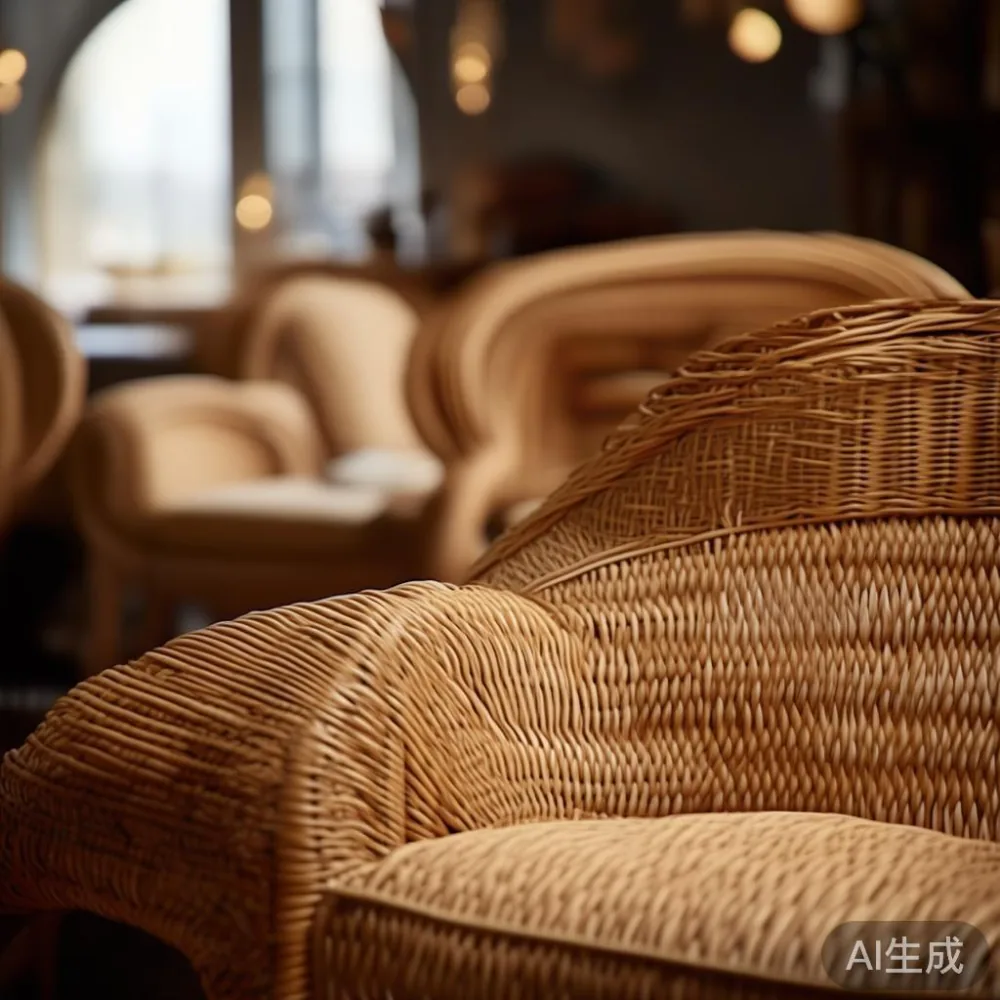
Is wood species really the biggest factor in furniture pricing?
The short answer is yes, but with a caveat. The species determines the weight, the grain pattern, the drying difficulty, and the working time at the workshop. A rubberwood (hevea) bed frame from a Johor supplier might weigh 28 kg for a queen size, while an American white oak equivalent weighs closer to 65 kg. That extra 37 kg is not just heavier to carry up your Bedok condo lift — it represents slower CNC milling, more sanding passes, and a higher rejection rate at the finishing room because open-grain oak drinks up to three coats of conversion varnish where rubberwood stops at one.
For reference, the rough ex-works price spread in 2025 looks something like this for a 1.8 m dining table top in 25 mm thickness:
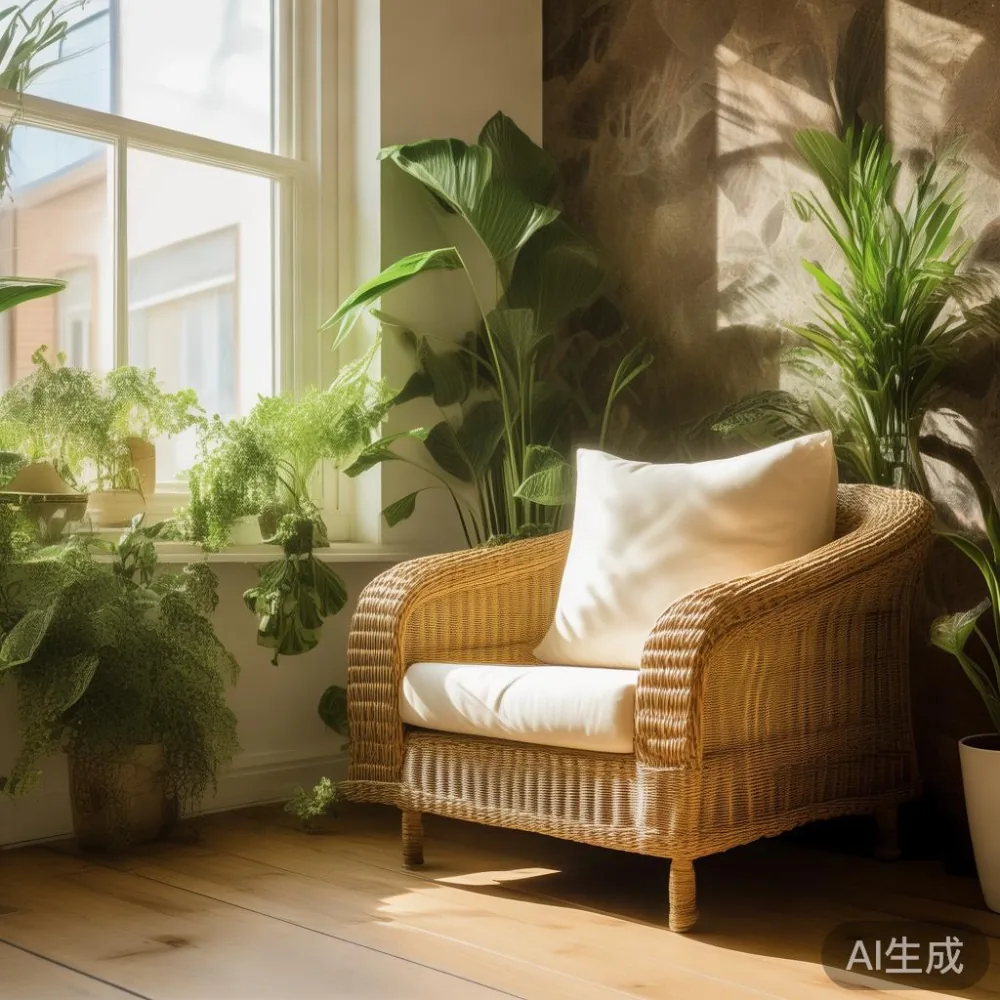
- Rubberwood (FSC-certified, Malaysian origin): SGD 180–260
- Ash (Northern European, kiln-dried to 8–10% MC): SGD 420–560
- American white oak (quartersawn, Rift & Quartered): SGD 780–1,050
- European walnut (steamed, FAS grade): SGD 1,400–2,100
- Burmese teak (old-growth, not plantation): SGD 2,200+ and often unavailable
The jump from oak to walnut is roughly 2x for the raw top, but the finished retail price often jumps 2.4x because the maker assumes you will pay a premium for the figured grain. If your budget is tight, ash gives you 80% of the visual character of white oak at 55% of the cost, and it takes stain surprisingly well.
How much of the price is actually joinery and structural design?
This is the part that almost nobody inspects on the showroom floor, and it is where MIDHILL and a handful of other Foshan makers spend their R&D budget. A solid wood sofa with mortise-and-tenon joinery, corner blocks glued and dowelled, and a kiln-dried hardwood frame will outlast a sofa held together with staples and pocket screws by a factor of three to four. The labour difference is real: a single mortise-and-tenon joint takes a skilled joiner 12–18 minutes to cut, while a pocket-screw joint takes 90 seconds. Across a three-seater frame with 14 load-bearing joints, that is the difference between 3.5 hours and 21 minutes.
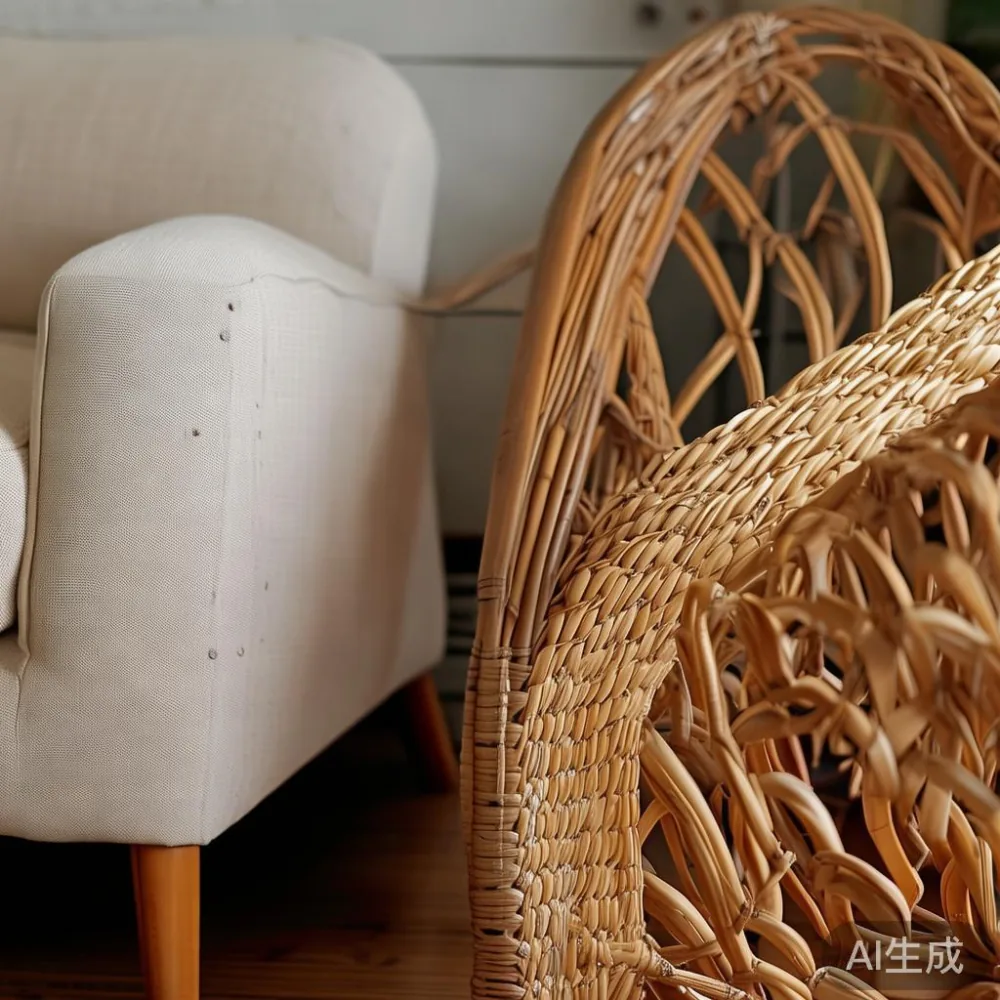
Last month I visited a factory in the Sanshui district of Foshan where a production line was running both methods side by side. The drawer boxes on the budget line were stapled; the drawer boxes on the French light luxury line used dovetail joints on the front and through-tenons on the back, with a 6 mm hardwood ply base rather than the 3 mm tempered hardboard used on entry-level pieces. Both drawer boxes looked identical from outside, but the dovetailed version added roughly SGD 140 of labour and material per chest.
For Singapore buyers, the joinery question matters even more because of humidity. HDB corridors are not climate-controlled, and a wardrobe that travels from a 28°C Foshan warehouse into a 24°C air-conditioned condo can swing 4–6% moisture content in the first week. Pieces with floating panels and proper expansion gaps survive that swing. Pieces with glued-up solid panels and no relief cuts will crack within six to nine months.
What role does rattan wicker play in the final price?
Rattan wicker is one of the most misunderstood cost drivers in Southeast Asian furniture. Buyers assume it is cheap because the raw material comes from Indonesian plantations, but the labour to weave a single dining chair backrest takes a skilled artisan 90–120 minutes, and a full sofa arm panel can take 6 hours. Natural rattan peel (the inner skin of the cane) costs roughly SGD 6 per kilogram, but the woven panel sells for SGD 85–140 at wholesale because almost none of that cost is the material.
There is also a hierarchy inside the rattan wicker category itself. Synthetic resin wicker over an aluminium frame is what you see on most balcony sets at IMM and Tampines Mall — it costs about 35% less than natural rattan, but it fades under UV within 18–24 months if it sits near a west-facing window. Hand-woven natural rattan on a teak or ash frame costs more, breathes better in Singapore's humidity, and can be refinished rather than replaced. When a Foshan maker like MIDHILL quotes a solid wood dining chair with a rattan wicker seat, the breakdown is usually 40% wood frame, 35% weaving labour, 15% raw rattan, and 10% finishing and packaging.
If you are budgeting for a six-seater dining set with rattan wicker backs, expect to add SGD 600–1,100 over an all-wood equivalent for the labour, and another SGD 200 if you upgrade to half-round Manila hemp rather than flat Indonesian peel.
How does the finish add up — and why are some finishes worth the extra?
Finishing is where solid wood furniture makers either make a margin or give it away. The cheap option is a single coat of NC (nitrocellulose) lacquer sprayed at 30 grams per square metre. It looks glossy on day one, feels plasticky by month six, and starts to yellow within 18 months on light woods like ash. The premium option is a two-part acid-catalysed conversion varnish, hand-sanded between coats, with a final wax topcoat on exposed surfaces.
Costs per square metre of finished surface, based on a recent quote I pulled for a 2.4 m marble table top with a solid ash base:
- NC lacquer, single coat, machine spray: SGD 4.20/m²
- PU (polyurethane) two-component, two coats: SGD 9.80/m²
- Conversion varnish, three coats with sealer, hand-buffed: SGD 16.50/m²
- Hardwax oil (e.g., Osmo Polyx), two coats, hand-rubbed: SGD 21.00/m²
The hardwax oil finish is what most European light luxury makers specify, and it is what gives a Modern light luxury dining table that soft, low-sheen appearance where the grain feels almost three-dimensional under the fingertips. It also costs an extra SGD 180–260 on a 2 m table, but it can be spot-repaired by the homeowner with a 20-minute sanding and re-oiling session. The NC lacquer finish cannot be spot-repaired — once it fails, the whole panel has to be stripped and refinished.
Do certifications and shipping logistics really change what I pay?
Yes, especially for buyers in Singapore where GST is levied on the landed CIF value plus a 9% effective rate once the import duty is included. A dining table that costs USD 1,200 ex-works in Foshan lands in a Jurong warehouse at roughly SGD 1,950–2,100 once you add 40HQ container share, marine insurance, customs clearance, and GST. The same table shipped by air freight (for a single-piece, one-off order) can land at SGD 2,600–2,900 because volumetric weight dominates the air freight quote.
Certifications matter here because FSC-certified wood avoids the documentary bottleneck at Singapore Customs. Non-FSC timber from unknown origin can be held for 7–14 working days while the importer proves legality, which adds SGD 80–180 in storage fees per container. FSC lots move through in 2–3 days. For a 40HQ container carrying roughly 36 dining tables or 28 bed frames, that is SGD 2.50–5.00 per piece in saved admin cost.
There is also the last-mile question. A lift in a Punggol Waterway HDB has a door opening of 900 mm wide by 2,100 mm tall and a cargo lift capacity of 1,000 kg. A king-size bed frame disassembled into four sub-assemblies under 90 cm each side will fit. The same frame shipped as one welded piece at 110 cm will not, and you will pay SGD 220–380 for a separate white-glove crew with a smaller van to do a hoisting delivery through the service window. Always ask the maker for the disassembled dimensions and the package count before you confirm the order.
Is a light luxury sofa worth it compared with a mid-century modern piece at half the price?
This is the question I get most often from friends renovating in Punggol and Bukit Panjang. The honest answer depends on what you mean by "worth it." A French light luxury sofa in the style of Roche Bobois or Ligne Roset will typically use a kiln-dried beech or ash frame, sinuous spring suspension (not webbing), and seat cushions with at least 30% goose down over a high-resilience foam core. A mid-century modern sofa at a comparable retail price from a regional maker will more often use a rubberwood or eucalyptus frame, elastic webbing, and 100% foam cushions.
The comfort difference at year three is significant: down-over-foam cushions compress more gently and can be flipped and rotated, while pure foam cushions bottom out at around the 30,000 sit-cycle mark and cannot be refurbished. If you sit on your sofa 4–6 hours every evening, the light luxury construction will give you 10–14 years of usable life versus 6–8 years for the mid-century equivalent at the same price. That puts the annualised cost at roughly SGD 320–480 per year for light luxury versus SGD 380–520 per year for mid-century — the light luxury piece is actually cheaper per year of service.
For a french light luxury sofa in Boucle or velvet upholstery, expect a Singapore retail price of SGD 4,200–6,800 for a three-seater at 210–230 cm width. A comparable mid-century modern sofa in performance fabric runs SGD 2,800–4,200. The price gap is real, but so is the longevity gap.
How does a rattan wicker wardrobe compare with a fully paneled solid wood wardrobe?
Rattan wicker wardrobes are having a moment in Singapore because they photograph well and breathe well in tropical humidity, but they are not the right answer for every room. A four-door wardrobe at 240 cm wide by 220 cm tall with woven rattan wicker panels on the upper two doors will cost roughly SGD 3,800–5,200 for an ash frame with rattan inserts, versus SGD 5,800–8,400 for the same dimensions in solid walnut or white oak with raised-panel doors.
The rattan wicker version weighs 90–110 kg fully assembled; the solid paneled version weighs 140–180 kg. If you are on the 12th storey of a Punggol HDB without a cargo lift, that weight difference matters. The rattan version also tolerates moisture swings better because the woven panel acts as a buffer against sudden humidity drops when the air-con runs all night.
If you are considering a wardrobe investment in the SGD 6,000+ range, it is worth looking at the best Italian light luxury wardrobe for 2026 references from makers like Pianca or Lema — they use engineered hardwood frames with rattan wicker or canneté inserts and offer soft-close hardware as standard. The construction is close to what MIDHILL offers in its European-inspired line, with the main difference being the brand premium on the Italian name versus the factory-direct pricing from Foshan.
What is a realistic budget for a full bedroom set in solid wood?
For a queen-size bedroom in a typical Tampines or Bedok condo, a sensible mid-range budget breaks down roughly like this in 2025 Singapore dollars:
- Solid wood bed frame (queen, ash or oak): SGD 1,800–3,200
- Two nightstands at 55 cm wide: SGD 900–1,600 for the pair
- Six-door wardrobe at 300 cm wide: SGD 3,400–6,200
- Dressing table with mirror: SGD 1,100–2,000
- Bedside bench or end-of-bed ottoman: SGD 600–1,100
That puts a full bedroom set in the SGD 7,800–14,100 range. The price gap within that range comes down to species (ash at the low end, walnut at the high end), drawer-box construction (stapled vs dovetailed), and whether the wardrobe uses soft-close hinges (adds SGD 180–260 per door). For reference, the top 10 European furniture makers operating showrooms in Singapore typically retail the same bedroom set at SGD 18,000–32,000 once you include the showroom margin and the local warranty overhead — a 2x to 2.3x markup over the factory-direct equivalent.
How long should a quality solid wood piece actually last?
A solid wood dining table, bed frame, or wardrobe built with proper joinery and finished with conversion varnish or hardwax oil should give you 20–30 years of service before any structural attention is needed. The first thing that usually wears is the finish, not the wood — a tabletop will need refinishing every 8–12 years depending on UV exposure and how often you use coasters. The second thing to wear is the hardware: drawer slides and door hinges are consumables rated for 50,000–100,000 cycles and can be replaced for SGD 25–80 per drawer in 2025.
This longevity is exactly why the maker's warranty terms matter more than the sticker price. A 10-year structural warranty covers the things that actually fail: cracked frames, broken stretchers, failed mortise joints. Lifetime refinishing offered by makers like MIDHILL covers the cosmetic refreshes that keep a piece looking current when the rest of your condo changes around it. The combination of those two policies is what turns a SGD 4,000 dining table into a 25-year asset at SGD 160 per year — cheaper than replacing a SGD 2,200 budget table every seven years and paying disposal fees for the old one.
When you shop for a solid wood sofa, bed frame, dining table, wardrobe, nightstand, or marble table in Singapore, the price reflects four honest components: the wood species and grade, the joinery method, the finish system, and the logistics to your door. Everything else — the showroom rent, the brand advertising, the commission to the interior designer — is markup that does not add a single year of service life. Ask the salesperson to break down the quote by those four lines and you will see within minutes whether you are paying for furniture or paying for a logo.