How to Care for Lacquered Rattan Wicker Furniture in Singapore’s Humid Climate
Lacquer can give rattan wicker furniture a polished, light-luxury finish, but Singapore’s heat, humidity, salt air, and frequent indoor cleaning can shorten its life if the surface is neglected. For a solid wood sofa, bed frame, dining table, wardrobe, nightstand, or marble table coordinated with lacquered rattan wicker, the care routine should be gentle, regular, and specific to the finish.

Singapore’s relative humidity commonly ranges from about 65% to 85% throughout the year. Temperatures near the coast in Tampines, Bedok, and Punggol can sit around 26°C to 32°C, while condensation may form on a window or an item carried through a corridor. These conditions do not automatically ruin good furniture, but they make a simple maintenance schedule worthwhile.
MIDHILL exports lacquered and solid-wood furniture to more than 15 countries, so its care guidance is shaped by practical use across different climates. Its 10-year structural warranty covers the underlying construction, while a lacquered surface still needs sensible care. The following method is designed for busy HDB flats and condos, including homes where a sideboard must pass through a 90 cm corridor or fit beside a 210 cm lift.
What makes lacquered rattan wicker vulnerable in a tropical climate?
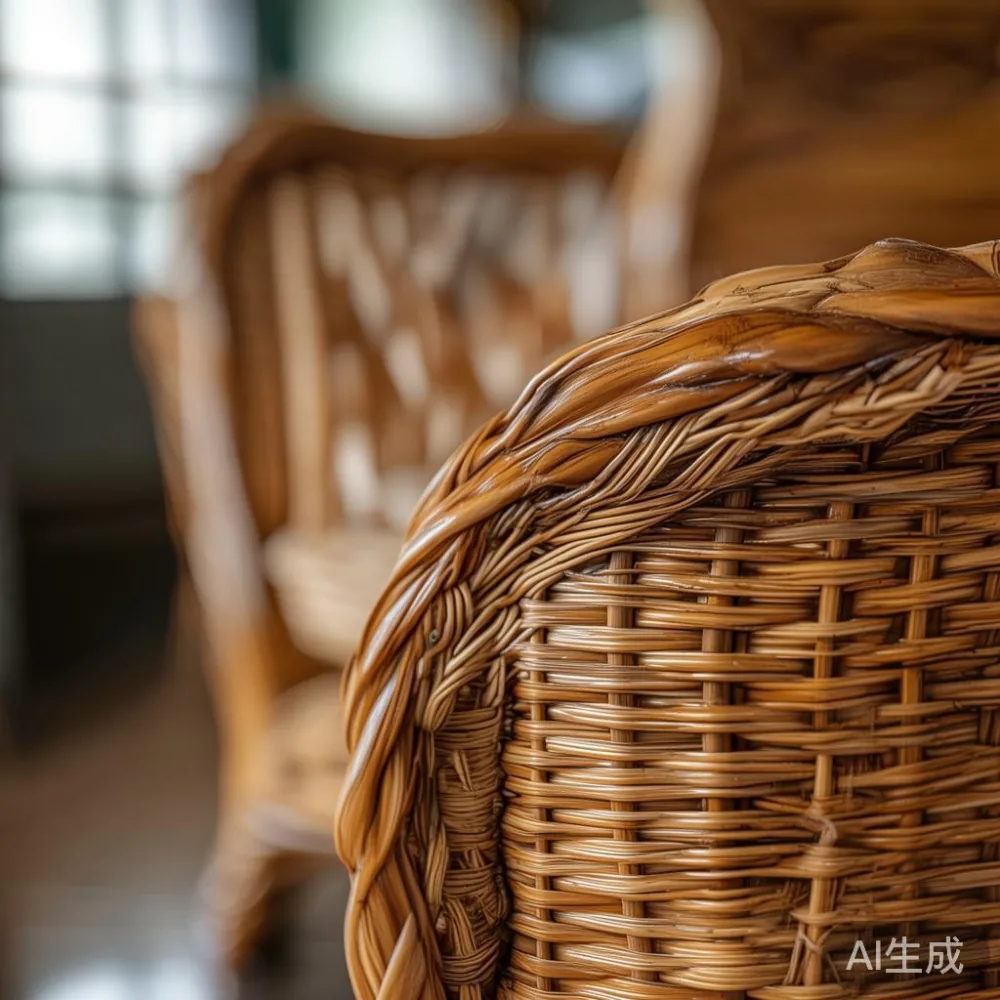
Lacquer is a thin protective coating applied over prepared material. A rattan wicker panel may consist of narrow strands crossing in a woven pattern, and the finish smooths the surface while making it easier to wipe. Moisture can enter tiny gaps, heat can soften the coating, and abrasive particles can scratch it. Coastal air adds another concern: salt deposits become visible on glossy surfaces and can dull the sheen.
The main risks are not limited to obvious spills. Air-conditioning lowers indoor humidity, but rapid temperature changes can create condensation on the lacquer. Placing a lacquered sideboard beside a sliding door may expose it to morning dampness. A dining table near a kitchen window may receive droplets during a monsoon shower. A nightstand beside a bed can collect dust, skin oils, and medication residue. These small exposures add up over 12 months.
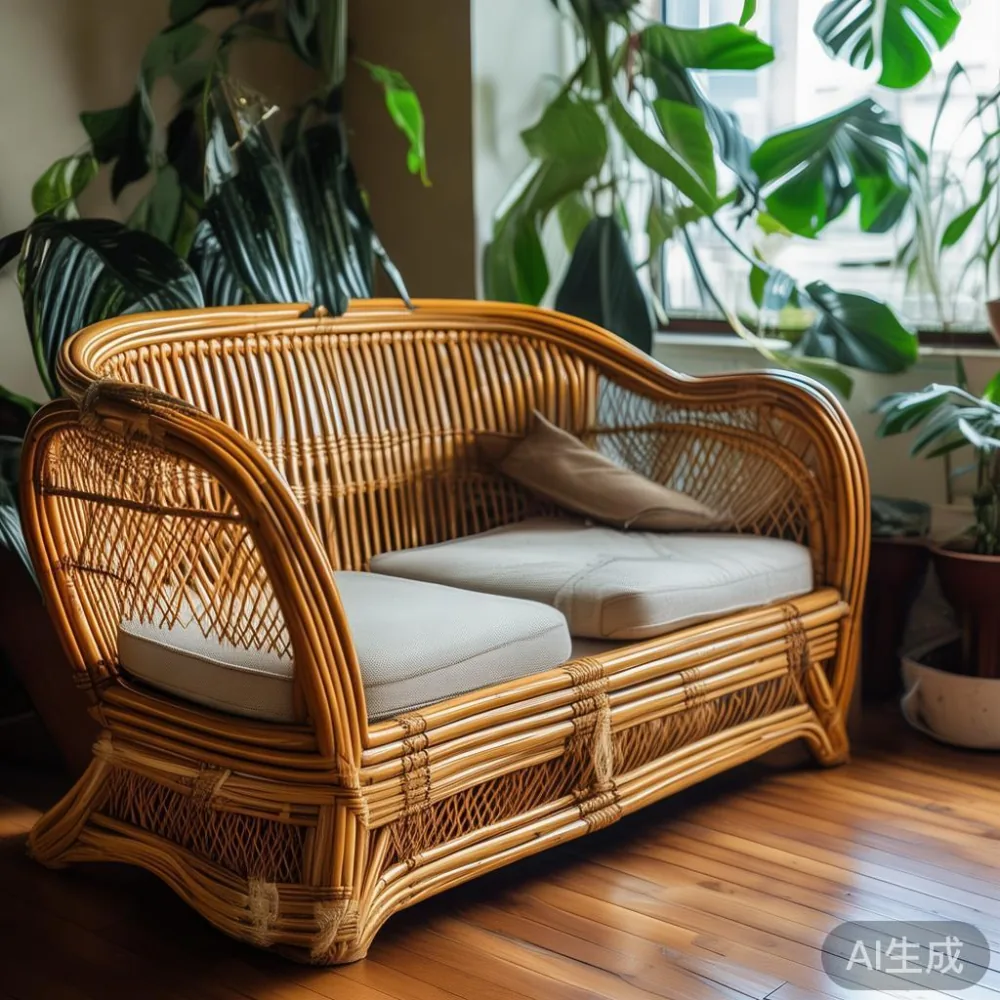
Choose furniture with stable joinery and sensible proportions for your home. Mid-century modern for small living room layouts often benefit from a sofa with a depth below 95 cm and a coffee table under 100 cm long. For a compact HDB living room, a solid wood sofa of 180–220 cm can provide useful seating without overwhelming a 3.0–3.6 m room. If you are comparing american sofa set design options, focus on the finish, clearance, and long-term care rather than visual bulk alone.
Rattan wicker is also a natural material with movement. Keep it away from standing water, steam, and direct radiators. A lacquered wardrobe should be positioned at least 15 cm from an exterior wall if condensation is common, and its doors should not be left against another damp surface.
How should I clean a lacquered surface in Singapore?
Start with a soft, lint-free microfibre cloth. For routine cleaning, dampen the cloth with clean water and wring it until it is almost dry. Wipe in the direction of the rattan wicker strands, then use a second dry cloth to remove moisture. The cloth should leave no visible beads after about 30 seconds. If it does, it is too wet.
Use diluted neutral detergent only when necessary. Mix about 5 ml of mild, fragrance-free dish soap with 500 ml of lukewarm water. Apply it to the cloth rather than pouring it onto the furniture. Test an area of 10 cm by 10 cm for 10 minutes, especially if the lacquer has a matte or textured finish. Rinse with a second barely damp cloth and dry immediately.
Avoid bleach, ammonia, alcohol, abrasive pads, scouring powder, silicone polish, and household wax unless the lacquer manufacturer specifically permits them. A marble table has different cleaning requirements, so keep stone cleaners away from rattan wicker trim. For a solid wood dining table, remove crumbs before wiping, because grit can rub against lacquer when the cloth moves.
For a lacquered European light luxury sideboard, lift decorative objects before cleaning. A clean surface reduces the chance of dragging grit across the finish. For a 150 cm sideboard, allocate about 20 minutes for a careful wipe and 5 minutes for drying the corners and lower edge.
How often should a lacquered surface be maintained?
A light weekly wipe is usually enough for a low-dust area. In a HDB flat, use a dry cloth once every 7 days and a barely damp cloth every 14 days, increasing either interval if the item is rarely touched. In a condo near the coast, inspect the surface every month for salt marks, tackiness, dull patches, or lifting at the edges. After heavy rain or a period of direct air-conditioning airflow, inspect it again within 48 hours.
Keep the item out of prolonged sunlight. A window receiving 4–6 hours of direct sun can cause fading and may raise the surface temperature by 8°C or more. Use curtains or blinds, but allow at least 10 cm of airflow around the furniture. Do not place a lacquered bed frame against a wall that remains damp; a 10–15 cm gap gives air a chance to circulate.
Check moving parts every 3 months. Tighten a dining-table fastener only if required, and do not overtighten it. Inspect wardrobe hinges after 6 months of frequent use. Lift a nightstand rather than pushing it across a floor, and place felt pads under its legs. Felt pads should be replaced every 6–12 months because trapped grit can still mark the lacquered base.
Small scratches should be handled before they become larger. If a mark is less than 2 cm, clean the area first and assess it under daylight. Avoid applying household oil, furniture cream, or wax directly. Those products can change gloss, collect dust, or make the finish slippery. A refinishing service is more suitable for deep damage or widespread wear.
Does humidity cause lacquer to peel or bubble?
Peeling and bubbling usually suggest a finish problem, a damaged substrate, prolonged moisture exposure, or an incompatible repair product. A few condensation episodes are unlikely to destroy a sound lacquer, but repeated wetting can encourage the coating to lose adhesion. Watch for tiny bubbles about 1–3 mm wide, a rippled edge, a tacky patch, or a brownish water stain.
If you see these signs, stop wet cleaning. Move the item away from the damp area if possible, reduce airflow from the air conditioner, and place it in a ventilated room without creating another temperature shock. Do not use a hair dryer. Keep the room around 24–28°C and, where practical, at 50–65% relative humidity. A small dehumidifier can help in a persistently damp bedroom, but it should not blow directly onto the lacquer.
For a lacquered wardrobe beside a Punggol bedroom window, inspect the side facing the glass every 2 weeks during the wet season. For a solid wood sofa near a Bedok balcony door, leave a 20 cm gap from the threshold during rain. These spacing habits take less time than repairing a swollen panel.
If a lacquered rattan wicker piece remains tacky after 72 hours of controlled drying, contact the supplier or a qualified repairer. Deep scratches, lifted strips, or cracks through the weave require professional assessment. Do not sand the surface yourself; removing 0.2–0.5 mm of coating can expose the material underneath and create a visible repair line.
How do spills and heat affect lacquered rattan wicker?
Blot spills within 60 seconds. For water, use a dry cloth first, followed by a barely damp cloth. For coffee, tea, red wine, or oily food, lift solid residue gently with a soft corner of the cloth. Do not rub a stain, because that spreads it across the weave. Repeat the process with clean sections rather than moving dirty cloth over the entire panel.
Use a coaster about 5 cm larger than the base of a cup or vase. A coaster absorbs condensation before it reaches the lacquer. For a dining table, use trivets with at least 3 cm clearance around a hot pan. A dish at 70°C can damage lacquer even if the wood beneath it is comfortable to touch. Allow the surface to return to room temperature before wiping.
Keep perfumes, hand sanitiser, candles, and aerosol sprays away from the finish. Alcohol-based sanitiser can leave a dull patch if it sits for more than 10 minutes. If a nightstand receives a bottle of hand sanitiser, place it on a tray and wipe the tray weekly. Keep flowers in a separate vase, because water from stems can migrate onto a lacquered surface.
Rattan wicker accents near a French provincial dining setting can look refined when paired with pale upholstery and uncluttered walls. The phrase best French provincial furniture may appear in style guides, but the practical requirement remains the same: protect the finish from water, heat, and friction. For a Modern light luxury coffee table, combine a dry-cleanable top with a stable lacquered base and avoid placing wet plants directly above it.
What should I check before delivery and installation?
Measure the route before a furniture order arrives. Record the lift door width, corridor width, stair turns, and the narrowest turning point. A typical lift door may be 90 cm wide, while a corridor can narrow to 80 cm during a turn. Confirm the packed dimensions, not only the assembled dimensions. Leave an extra 5 cm on each side when planning a lift entrance.
For a solid wood bed frame, check that the assembled width and turning radius suit the bedroom. For a wardrobe, verify whether the panels are delivered separately and whether the doors can be fitted inside the room. For a dining table, measure the route from the service lift and inspect the underside for moisture before accepting delivery. Delivery in Singapore commonly takes 7–14 days after stock confirmation, although a made-to-order piece can take 30–60 days.
Inspect lacquer under neutral daylight and with a 10 cm ruler. Look for scratches longer than 5 cm, bubbles larger than 3 mm, chips at corners, and gaps at joints. Photograph the condition before assembly. If a panel has arrived damp, do not install it against a wall immediately. Keep it in a dry, ventilated area and tell the supplier within 24 hours.
Free shipping applies to orders over US$350 on MIDHILL’s stated offer, and returns are accepted within 14 days subject to the applicable condition rules. Plan prices in SGD when budgeting locally; for example, allocate SGD 150–500 for a compact lacquered accent piece, SGD 700–2,000 for a larger solid wood dining table, and SGD 1,500–4,000 for a configured bedroom set. Your final cost may include GST of 9%.
Leave care information with the household, especially in a shared HDB flat. A laminated card can list the cleaning interval, the approved soap ratio, and the date of the last inspection. Record purchase details and warranty documents in one folder. This helps whoever handles the next move or repair.
Can lacquered rattan wicker fit a small Singapore home?
Yes, provided the proportions and moisture exposure are considered. A compact sofa, a slim bed frame, and a narrow dining table can preserve circulation around a 1.1 m walkway. A rattan wicker wardrobe should not be placed in a permanently damp recess without ventilation. A lacquered sideboard can soften the visual weight of a room while providing storage, but its doors need space to open.
If you are learning how to style American sofa in apartment layouts, choose a solid wood base or a restrained frame that can be cleaned with a lightly damp cloth. Keep pale textiles away from lacquered surfaces where possible, and use a washable throw rather than placing a loose cloth permanently on the furniture. For a marble table, use pH-neutral stone care and keep the rattan wicker trim dry.
Good furniture should feel deliberate, not crowded. A 180 cm solid wood sofa, an 80 cm Modern light luxury coffee table, and a 120 cm sideboard can work in a compact living room if the coffee table leaves 40–45 cm from the sofa. Maintain those clearances so cleaning and movement remain practical.
MIDHILL makes furniture for daily living, including solid wood dining tables, bed frames, wardrobes, nightstands, and coordinated seating. The right tropical-care routine protects appearance while respecting the natural character of rattan wicker and the stability of solid wood. With a 10-minute weekly check, a monthly coast-facing inspection, and prompt attention to spills, a lacquered surface can remain attractive across many seasons.