The Art of Lacquer Care for Rattan Wicker in Singapore
The warm, humid air of Singapore, a constant companion in our HDB flats and condos from Tampines to Punggol, presents a unique challenge for homeowners who appreciate the fine details of their furnishings. Among these, items with a beautifully finished lacquered surface require a specific kind of attention. This is especially true for beloved pieces of rattan wicker furniture, which often feature this delicate protective coating. The interplay of Singapore's climate with a high-end lacquer finish is a delicate one, but with the right knowledge, you can ensure your furniture retains its stunning appearance for years to come. This guide provides practical, step-by-step advice on maintaining the brilliance of your lacquered surfaces, keeping them looking as fresh as the day they arrived.
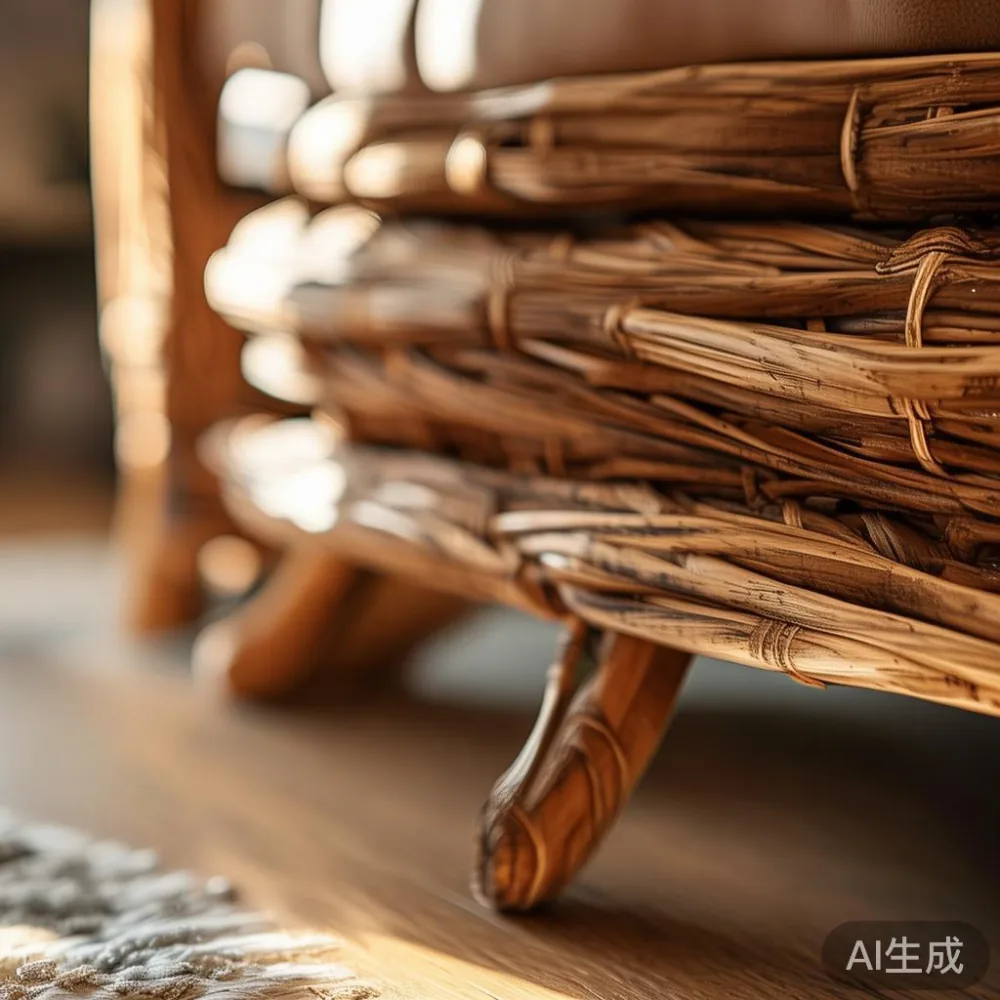
Why Singapore's Climate Poses a Unique Challenge for Lacquer?
Understanding the 'why' behind the care routine is the first step to mastering it. Lacquer, whether applied to a solid wood sofa frame or a decorative rattan wicker accent table, is a hard, durable film. However, its primary enemy is moisture and rapid temperature fluctuations. Singapore's average relative humidity hovers around 80%, and in a typical HDB corridor or condo living room, this can climb even higher. This constant moisture can slowly work its way into the wood fibers beneath the lacquer, especially if the finish is compromised. The result is a cloudy, white haze known as 'blushing' or 'blooming,' where moisture gets trapped between the lacquer layers.
Also, the air conditioning in our homes creates micro-climates. A piece of furniture near a window in a Bedok apartment might experience direct sun and heat, while one in a Tampines HDB living room might be in the path of a powerful aircon vent. This constant cycling between humid air and cool, dry air can cause the lacquer to expand and contract minutely, leading to stress cracks over a period of 5 to 10 years if not properly cared for. The goal of our care routine is to create a stable environment and a protective barrier for the finish.
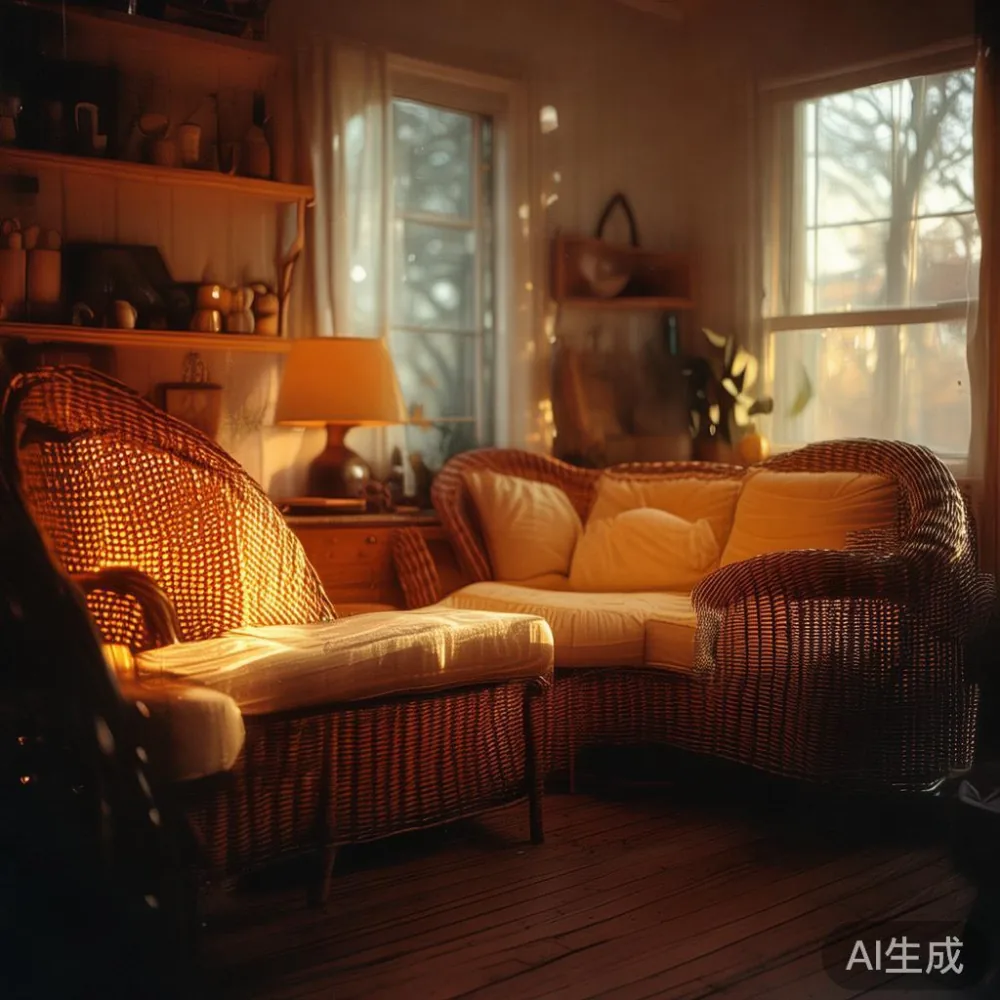
What You'll Need: The Important Care Toolkit
Gathering the right tools is half the battle. You don't need an extensive collection, but having these specific items on hand will make the process effective and safe. A proper toolkit prevents accidental damage and ensures you are using products that are gentle on a high-quality lacquered surface.
For Cleaning:
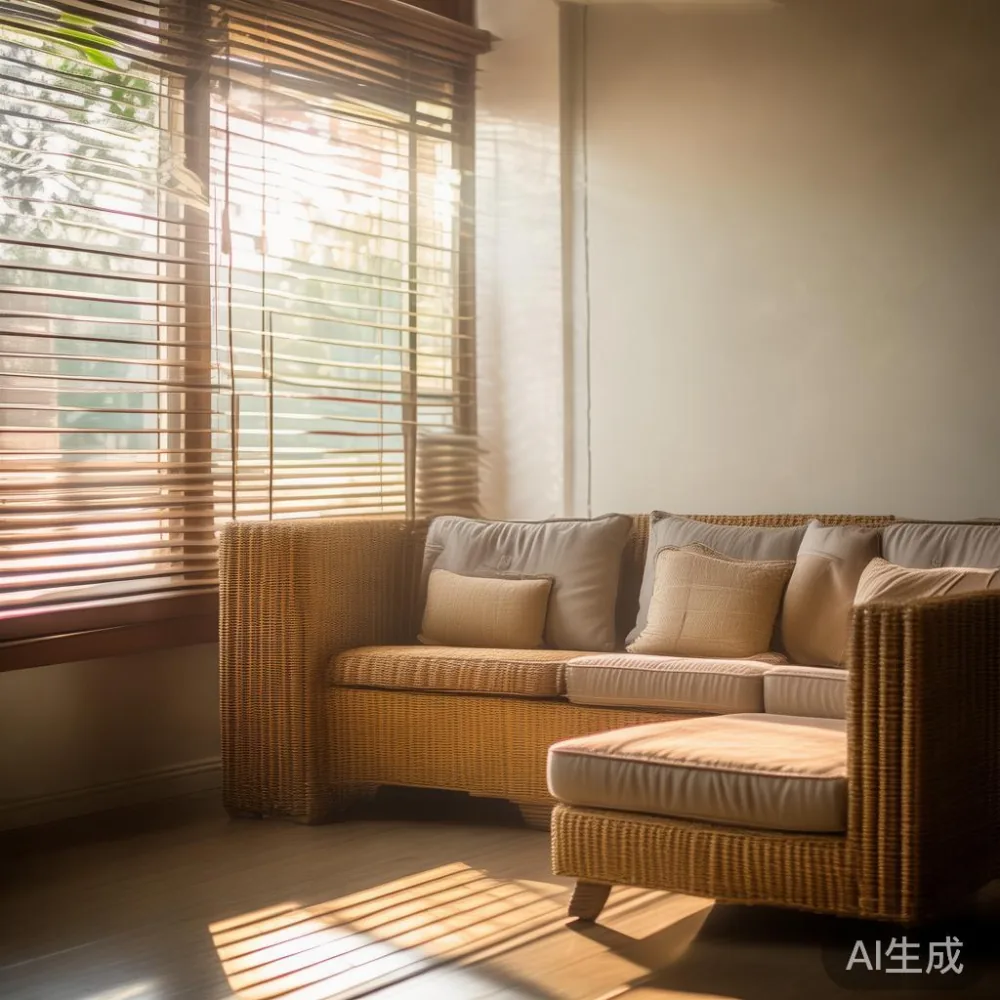
- Two soft, lint-free microfiber cloths: One for damp wiping and one for a final dry buff.
- A spray bottle filled with distilled water: Using distilled water prevents mineral deposits from tap water from leaving spots on the lacquer.
- A small amount of pH-neutral wood soap or a dedicated lacquer cleaner. These are formulated to be gentle and won't strip the finish. A 500ml bottle typically costs between SGD 25 and SGD 40.
For Maintenance and Protection:
- A high-quality furniture polish or cream specifically designed for lacquered surfaces. Look for products that contain carnauba wax. A 250g tin can last for over a year and costs around SGD 50.
- Felt pads for the feet of your furniture. These are inexpensive, costing less than SGD 10 for a set of 8, and they prevent scratches on your floor and stop furniture from 'walking' on smooth surfaces.
- A soft, bristle brush, like a shaving brush or a dedicated paintbrush, for dusting intricate rattan wicker weaves. A 15cm wide brush is ideal for getting into nooks and crannies.
Step-by-Step Daily and Weekly Cleaning Routine
Maintaining a lacquered surface is about consistency. A simple, regular routine is far more effective than occasional, intensive cleaning. Dust and airborne particles can act like a fine abrasive, so removing them frequently is key.
Daily Dusting (2 minutes per item):
At least once a week, take your soft bristle brush and gently sweep over the surface of your rattan wicker furniture and any lacquered wood components. Pay special attention to crevices where dust accumulates. For a flat surface like a marble table top or a lacquered nightstand, a quick wipe with a dry microfiber cloth is sufficient. This simple step prevents a build-up of abrasive particles that can dull the finish over time.
Weekly Deep Clean (15-20 minutes per item):
Once a week, give your furniture a more thorough clean. This is where you'll use your damp cloth and cleaning solution.
- Spray your pH-neutral cleaner or a very dilute solution of distilled water and wood soap onto your damp microfiber cloth. The cloth should be moist, not dripping wet. Excess moisture is the enemy of lacquer.
- Gently wipe the surface of the furniture, following the grain of any wood and working with the weave of the rattan. Use a light touch; you are not scrubbing.
- Immediately follow with a second, dry microfiber cloth to buff the surface and remove any residual moisture. This step is critical for preventing water spots.
- Allow the piece to air-dry completely in a well-ventilated area, away from direct sunlight or aircon vents. This should take no more than 30 minutes in Singapore's climate.
How to Prevent Common Lacquer Damage in Singapore?
Prevention is always better than repair. By understanding the common threats to a lacquered finish in our local context, you can take proactive steps to protect your investment. A little foresight can save you from costly repairs or the disappointment of a damaged finish.
1. Manage Humidity and Sunlight: The most significant environmental factors are humidity and UV exposure. In a condo with large windows, consider using sheer curtains to diffuse harsh sunlight, which can fade and eventually crack the lacquer over 3 to 5 years. For HDB flats, be mindful of placing furniture directly under aircon units. The rapid cooling can cause condensation. A simple dehumidifier running for a few hours a day in a small room can help maintain a healthier 50-60% humidity level, which is much kinder to your furniture.
2. Use Protective Mats and Coasters: This is a non-negotiable rule. Hot plates, cups, and especially wet items should never be placed directly on a lacquered surface. Always use coasters, placemats, or trivets. A hot cup of coffee can leave a ring of condensed moisture that blanches the lacquer in seconds. For a dining table, a set of heat-resistant placemats is a worthwhile investment, typically costing between SGD 80 and SGD 150 for a set of four.
3. Mind Your Placement: When moving furniture, even within the same room, always lift it. Never drag a heavy solid wood sofa or a marble table across the floor. The friction can scratch both the floor and the furniture's feet. For rattan wicker chairs, be extra careful as the weave can catch and tear. If you need to rearrange your living room to achieve Modern light luxury for small living room, measure your space first. A typical Singapore HDB living room is about 4.5m x 3.5m, so ensure your new pieces fit comfortably without being crammed against walls or in narrow corridors.
Is it Possible to Restore a Dull or Damaged Lacquer Surface?
Yes, it is often possible to restore a lacquered finish, but the approach depends entirely on the extent of the damage. Minor issues can be tackled at home, while more serious damage requires professional attention. Attempting a DIY fix on a major problem can lead to irreversible damage.
For Minor Hazing or Dullness: If your lacquer has lost its shine or has light water spots, it might just need a good polish. Using a high-quality carnauba wax cream, apply a small amount to a soft cloth and work it into the surface in a circular motion. Let it sit for the time recommended by the product (usually 5-10 minutes), then buff vigorously with a clean, dry cloth. This can bring back a brilliant shine. I tested this method on a client's nightstand last month that had been placed too close to an aircon vent, and the results were excellent, restoring the mirror-like finish without any harsh chemicals.
For Deeper Scratches or Cracks: This is where you should stop and consider professional help. A deep scratch that has penetrated the lacquer layer will expose the wood beneath, making it vulnerable to moisture. Attempting to fill it with the wrong type of filler or polish can lead to a messy, uneven repair. Professional furniture refinishers have the expertise and specific lacquer products to repair the damage smoothly. A professional repair for a medium-sized dining table can cost anywhere from SGD 300 to SGD 800, depending on the complexity. This is a significant expense, which is why prevention is so important.
What About Specific Furniture Pieces?
While the general principles of lacquer care apply across all furniture, different pieces have unique vulnerabilities. Understanding these allows for more targeted care. For instance, a rattan wicker dining chair has different needs than a solid wood wardrobe.
Bed Frames and Nightstands: These pieces are often in a bedroom with stable temperatures but can be subject to dust from bedding. A weekly dusting with a soft brush is recommended. For the lacquered parts of a bed frame or a nightstand, the cleaning routine is the same as for any other piece. When considering a new bed, you might ask yourself, is a Japandi bed worth it for a Singapore home? The answer depends on your aesthetic, but regardless of the style, the care of its lacquered or painted components remains a priority.
Wardrobes and TV Consoles: These large pieces of furniture are prone to dust accumulation on their tops and in grooves. A weekly wipe-down is important. When styling a light luxury wardrobe in a bedroom, ensure that heavy objects like suitcases or stacked boxes are not placed directly on the top surface, as their weight can press into the lacquer over time, leaving permanent indentations. For a European light luxury TV console, the same rules apply. Be mindful of the components you place inside; a hot gaming console or amplifier can generate significant heat, so ensure there is adequate ventilation and avoid placing it directly on a wooden shelf without a protective mat.
Dining Tables and Coffee Tables: These are high-use surfaces and require the most diligent care. Always use placemats and coasters. Spills should be wiped up immediately with a dry cloth, followed by a damp one if needed. For a marble table top, cleaning is different; use only a pH-neutral stone cleaner to avoid etching the surface. The area under a coffee table is a high-traffic zone, so be mindful of vacuum cleaner bumps. A colleague of mine recently shared a story about a client who was very happy with their new MIDHILL coffee table review, praising its sturdiness but noting the need for more frequent dusting due to its central location in the living room.
Where to Find Quality Rattan Wicker Furniture in Singapore?
If you are looking to add a new piece of rattan wicker furniture to your home, it's important to choose a reputable maker. A quality piece will have a more durable and well-applied lacquer finish, making it easier to care for in the long run. When you are for sale French furniture or exploring other styles, pay close attention to the construction and finish. Look for smooth, even layers of lacquer with no drips or bubbles. The weave of the rattan should be tight and consistent. A good manufacturer will also offer a warranty, which is a sign of confidence in their product's longevity. For example, a company that offers a 10-year structural warranty and a lifetime refinishing service demonstrates a commitment to quality that you can trust, ensuring your piece will remain beautiful for decades.
For those who prefer a more modern aesthetic, exploring options for a post-modern light luxury style can yield stunning results. Many reputable brands now have an online presence, making it convenient to browse their collections from the comfort of your home. You can often find detailed specifications, including dimensions, materials, and care instructions, on their websites. For instance, a quick search for a product's details might lead you to a resource page like api.midhill.co, where you can find technical information to help you make an informed decision before your purchase.