Rattan, Solid Wood, and the Warm Minimal Living Room: A Practical Guide for Singapore Flats
I still remember the Saturday I spent on a delivery along Tampines Street 86. A four-room HDB, 920 sq ft, two kids, one cat, lift opening at 1.2 m wide. The owner wanted "warm minimal" but kept ordering white laminate that made her living room feel like a clinic corridor. We swapped her old 2 m sofa for a 1.8 m solid wood sofa with a linen-blend cover, brought in a rattan wicker armchair from her balcony, and added a warm walnut side table. By Sunday morning she texted a photo: the room finally felt like a home. That day stuck with me because the brief was so specific, and the fix was so unspectacular. This guide is everything I learned from that job and a dozen others around Bedok, Punggol, and Toa Payoh, written for Singapore homes with real lift widths, real corridor clearances, and a 9% GST receipt waiting at the checkout.
Why warm minimal works especially well in Singapore flats
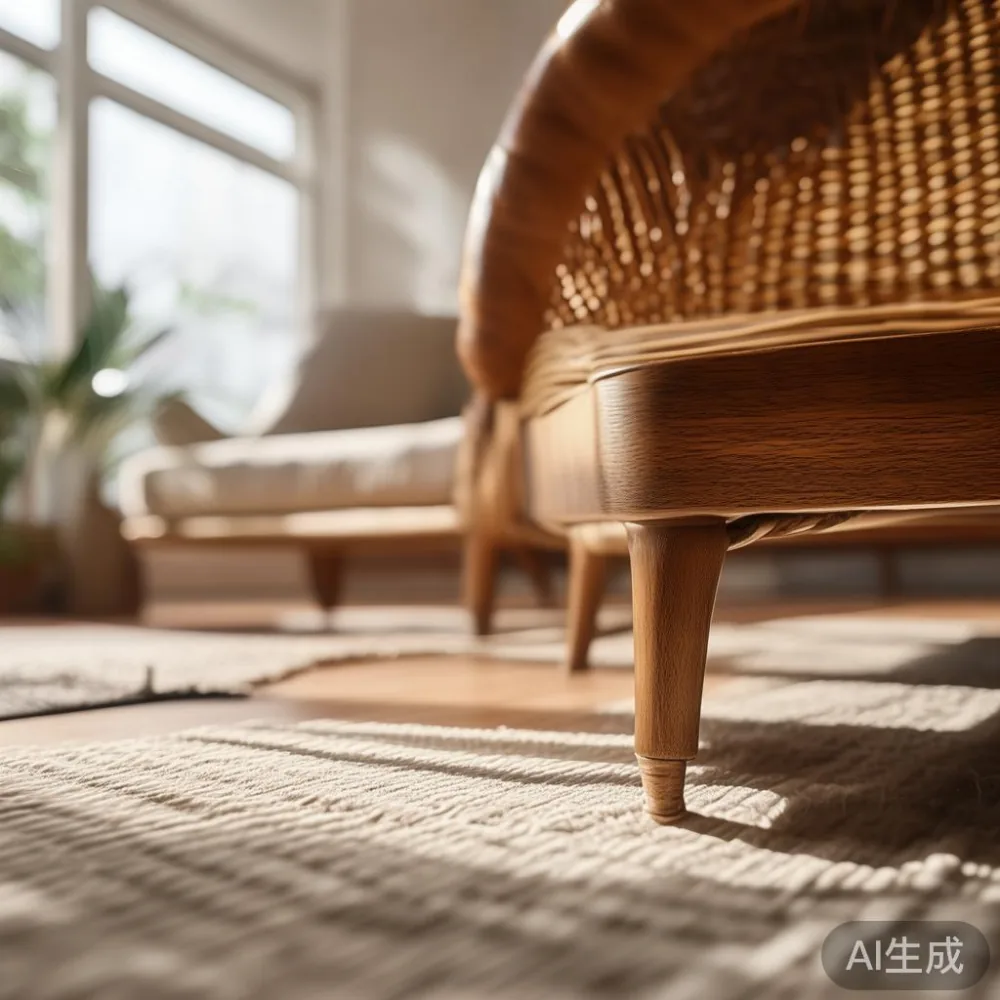
Warm minimal is not "all white with a plant." It is a pared-back palette with a soil undertone: off-white walls (try 10YY 73/039 shades from Nippon), pale oak or walnut floors, and one secondary material that pulls in a bit of organic noise. In a typical 4-room HDB with 2.7 m ceilings, a cold-white sofa disappears into the walls and the room reads as smaller than it is. A warm cream, latte, or muted terracotta sofa gives the eye a place to land. The same logic is why designers in Paris keep returning to post-modern light luxury: cream marble, brushed brass, and one woven piece to soften the geometry. You can borrow this idea without buying anything French. A single rattan wicker basket, a cane-front cabinet door, or a solid wood bed frame in smoked oak already does 60% of the work. The lift constraints also matter: your sofa should fit a 1.0 m door and a 1.2 m lift with 10 cm clearance on the long side, otherwise the delivery team is going to ask you to remove the door frame. Plan for 90 cm minimum passage from corridor to living room, or your 2.4 m dining table simply will not come in. Most of the headaches I see in Punggol executive HDBs trace back to a beautiful piece that did not survive the carpark turning radius.
How do I start building a warm minimal look without buying the wrong pieces first?
Start with three numbers: your room length in cm, your lift door width, and your budget in SGD. Then build a one-page mood board in your phone album and force it to hold only five slots: one flooring reference, one hero seat, one storage piece, one woven texture, one lighting style. Resist the urge to fill all five in the first month. In a 1,000 sq ft resale flat in Bedok, the most common mistake I see is buying a 2.2 m sofa for a living room that is only 3.4 m deep. You end up with 1.1 m behind the sofa, which is unusable, plus the sofa visually eats the wall. Pick a 1.8 m or 2.0 m solid wood sofa with a 92 cm seat depth, leave 1.2 m of walking lane behind it, and the room will read as larger. Set a spending rule of about 40% of your furniture budget on the largest piece, 25% on storage, 20% on a feature item like a marble table or a rattan wicker cabinet, and 15% on lamps and textiles. That ratio has held up across every flat I have walked through over the past three years.
The five materials that carry a warm minimal living room
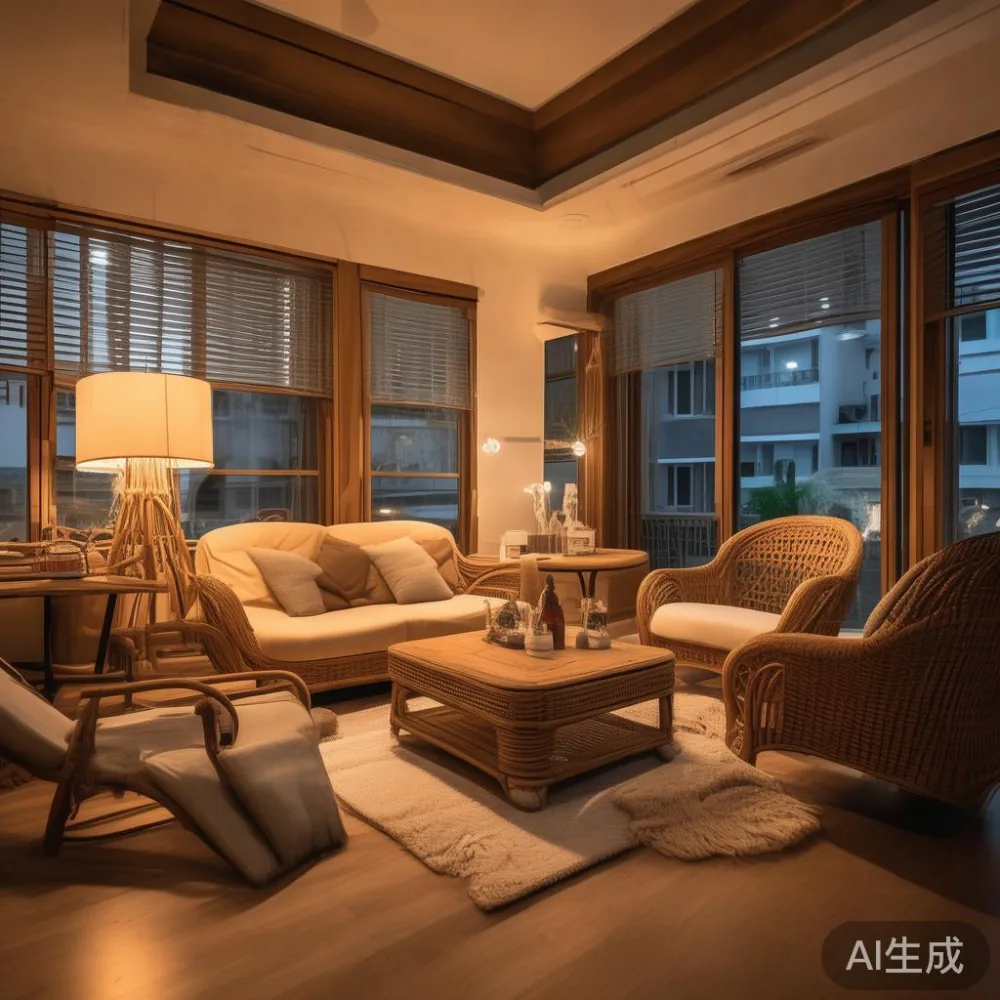
You do not need ten materials. You need five, used consistently. Solid wood in oak, ash, walnut, or teak for the structural pieces such as sofa frames, dining tables, bed frames, and wardrobes. Rattan wicker for accent seating, cabinet door inserts, pendant shades, and at least one tray or basket. Linen or a linen blend for sofa covers, curtain panels, and cushion fronts in oat, sage, or clay tones. Travertine or warm veined marble limited to a small surface area, such as a 60 cm round marble table next to the armchair. Brushed brass or blackened steel for lamp stems, handles, and tapware at a 70/30 ratio so the room does not tip into flashy. If you want to chase a French light luxury feel, push the brass to 30% and add one small bouclé ottoman. If you prefer American light luxury, lean the wood toward lighter oak and swap the marble for a honed soapstone top. The piece that ties the room together, in my experience, is always a woven element. A flat-woven rattan wicker headboard on a solid wood bed frame will do more for the bedroom than another throw pillow ever will.
Living room dimensions that actually work in an HDB
Singapore living rooms tend to fall into four buckets, and each one favours a different furniture plan. The 3.0 x 3.5 m pocket lounge (common in 3-room HDBs) needs a 1.6 m love seat, a 50 cm round side table, and wall-mounted storage that floats at 35 cm depth. Skip a separate coffee table; use an upholstered ottoman instead. The 3.4 x 4.0 m mid living room (most 4-room flats) fits a 1.8 m solid wood sofa, a 110 x 60 cm coffee table with a 38 cm clearance, and a TV console at 180 cm wide. The 3.8 x 4.5 m family layout (5-room and executive HDBs) can carry a 2.2 m L-shape sofa plus a 120 cm round dining table for four. The condo living room of 4.0 x 5.5 m and above can support a true island layout: a 2.4 m sofa, a 130 x 70 cm Modern light luxury coffee table in sintered stone or warm marble, two rattan wicker accent chairs, and a separate reading nook. Keep your TV-eye line at 100 to 120 cm from floor to screen centre, or your neck will protest by month three. A dining table needs 90 cm on every side for chairs to pull back and someone to walk past, which is why a 140 cm round table is the smallest comfortable size for four adults in a Singapore flat.
Bedroom basics that survive the lift and the humidity
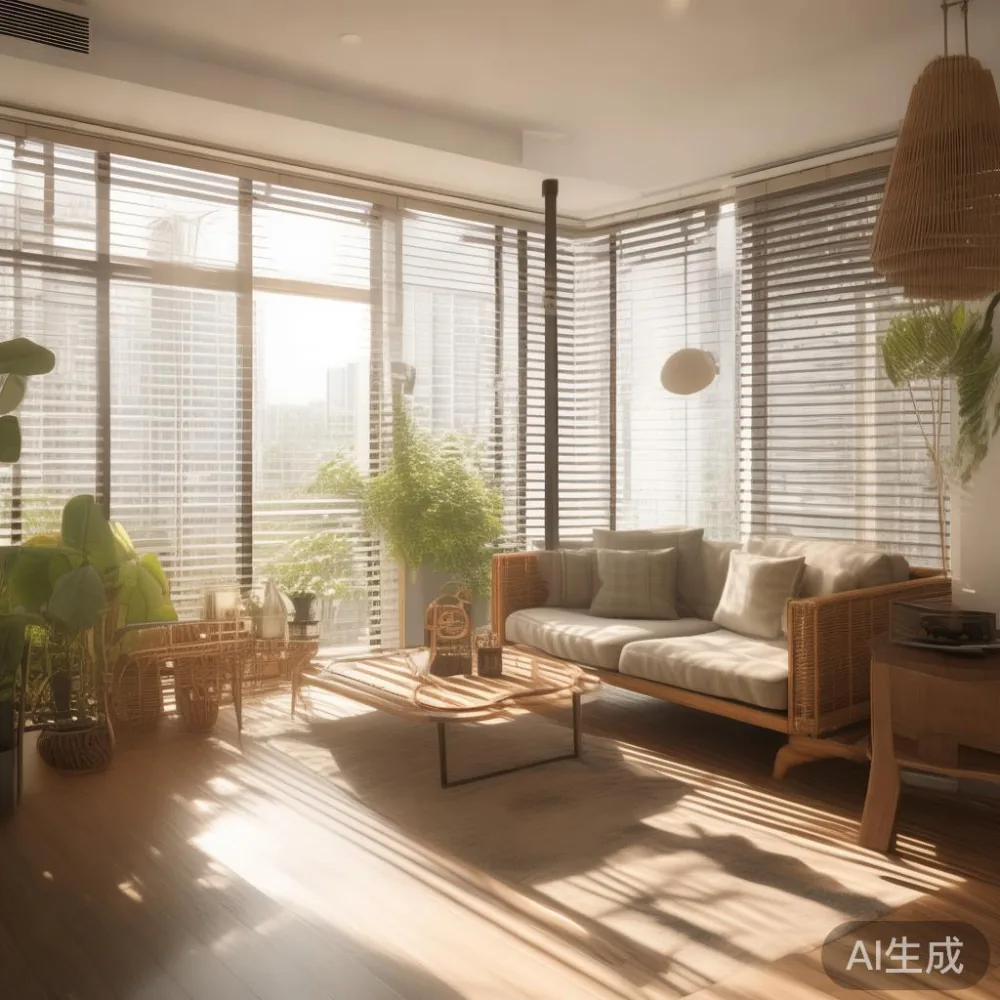
A bedroom is where rattan wicker earns its keep, because the texture softens a room full of flat wardrobe doors. Stick to three pieces: a solid wood bed frame, two nightstands, and a wardrobe. For a king-size 180 x 200 cm mattress, allow 215 x 220 cm floor space for the bed plus 70 cm of walking lane on each side. A queen 150 x 200 cm bed needs 190 x 220 cm plus 60 cm lanes. The lift limit is the silent killer: a wardrobe wider than 1.5 m usually arrives in two flat-pack cartons, but anything deeper than 60 cm will struggle with the corridor turning radius on older HDB floors. If you are working through how to choose Mid-century modern bed for a small bedroom, the practical checklist is short. Pick a frame with a slatted headboard (so you do not have to drill for bedside lamps), a clearance under the siderail of at least 18 cm (so a robot vacuum or a flat storage box can slide under), and a finish within one shade of your floor tone. For Singapore humidity, avoid MDF cores; specify plywood or solid hardwood. Climate-controlled deliveries through Foshan factory hubs such as MIDHILL reach Singapore in 18 to 25 door-to-door days, and pieces arrive sealed in moisture-controlled wrap that I have never seen fail on a Tampines or Punggol drop.
The honest comparison: European bed construction versus modern Asian construction
Anyone weighing a European bed vs Modern bed should look past the styling and read the spec sheet. European bed frames in the light luxury tier usually use beech or ash slats with a 6 to 8 cm rail thickness, mortise-and-tenon joinery, and a fab-bolted centre support spanning 80 to 120 cm. Modern Asian frames in the same tier lean on rubberwood or ash with pocket-screw joinery and a metal centre rail, which is faster to produce and easier to ship flat-packed. From a styling standpoint, the European bed tends toward a taller headboard (110 to 130 cm) and tapered legs in walnut. The modern Asian frame usually runs a shorter headboard (90 to 105 cm) and a flush-to-floor base, which suits a smaller bedroom because you gain 15 cm of perceived ceiling height. If your priority is how to style American bed in apartment layouts common to Singapore, copy what Brooklyn interiors do: a low-profile oak frame, washed linen bedding in oat or bone, one rattan wicker bench at the foot, and a single piece of vintage art above the headboard. Skip the canopy, skip the four-poster, and resist any bed deeper than 215 cm. For nightstands, 45 to 50 cm wide and 55 cm tall is the comfortable zone for most adults; anything lower and you will stack your phone on the floor.
Lighting, textiles, and the small spend that pulls the room together
Lighting is where most warm minimal schemes fall apart. Singapore ceiling heights of 2.7 m cannot carry a heavy chandelier, but they can carry a 60 to 80 cm pendant over a dining table, or a 90 cm linear pendant over a kitchen island. Aim for 2,700 K colour temperature across the apartment and use a mix of floor, table, and wall fittings rather than relying on ceiling downlights. A SGD 220 rattan wicker floor lamp will do more for a room than a SGD 600 sofa cushion. Textiles get the same one-tone rule. Buy curtains and cushions in the same oat or clay family, vary the weave (linen, boucle, velvet, basketweave), and stop. Rugs should be 200 x 300 cm minimum in a living room that holds a 1.8 m sofa; a 160 x 230 cm rug under a 1.8 m sofa looks like a bathmat. One of my colleagues in Bedok recently staged a 3-room flat with a SGD 1,400 dining table from MIDHILL, a SGD 320 rattan wicker pendant, and SGD 180 of linen curtains. The total lift in perceived warmth was absurd. Most buyers who shop top 10 European light luxury furniture lists already know this rule; the difference in Singapore is that lift dimensions and humidity tolerance matter more than continental sourcing.
What should I check before I click checkout on a solid wood piece?
Three documents and three measurements. Ask for the FSC or PEFC chain-of-custody letter for the wood, the moisture-content test result (target 8 to 12% for tropical-climate furniture), and the joinery detail drawing. Then measure the lift door at your block, the corridor corner at each landing, and the actual width of your front door after the architrave. A solid wood bed frame in king size typically weighs 65 to 85 kg, a six-seat dining table 70 to 95 kg, and a three-door wardrobe 110 to 140 kg. Anything heavier than that and you are paying for two delivery trips, which a good supplier will absorb under their free-shipping threshold. Confirm the warranty in writing: structural coverage of at least 10 years, refinishing offered at a flat rate, and a 14-day return window for stock items. For Singapore consumers who study top 10 American furniture lists and assume the brand name alone guarantees quality, the same checklist applies. The brand gets you a story, the spec sheet gets you a sofa that still feels solid in year eight.
Budgeting the whole room in SGD
For a reference 1,000 sq ft HDB, a credible warm minimal room set falls between SGD 6,800 and SGD 11,500 before GST. Anchor: a 1.8 m solid wood sofa at SGD 1,900 to SGD 2,600. Dining: a 140 cm round table for four at SGD 1,400 to SGD 2,200, with chairs at SGD 120 to SGD 220 each. Bedroom: a queen solid wood bed frame at SGD 1,100 to SGD 1,800, two nightstands at SGD 320 to SGD 480 each, and a three-door wardrobe at SGD 1,500 to SGD 2,400. Accents: a marble table at SGD 600 to SGD 1,200, a rattan wicker accent chair at SGD 380 to SGD 720, and a pendant or floor lamp at SGD 180 to SGD 420. Soft goods: curtains, rug, and cushions at SGD 600 to SGD 1,200. Add 9% GST on the landed value and factor in a 6 to 9% credit-card surcharge if you skip bank transfer. Items above SGD 350 in product value typically clear free shipping from regional factories, which drops a typical order by SGD 120 to SGD 260. If you only replace three pieces this year, pick the sofa, the bed frame, and one storage unit, and let the rest breathe. That is the real secret of warm minimal: subtraction, not accumulation. And if you want a single visual cue to copy, take it from the French light luxury playbook: cream walls, walnut wood, one woven texture, one marble or stone moment, and a brass lamp that turns on at 7 p.m. sharp.