Solid Wood Furniture Costs: What Drives the Price Beyond the Tag
When furnishing a home in Singapore, especially in compact spaces like a 90-square-metre HDB flat in Tampines or a stylish condo in Punggol, every dollar and every centimetre counts. The choices are numerous, but the desire for quality, durability, and aesthetic appeal often leads homeowners towards solid wood furniture. However, walking into a showroom or browsing online, the price range can be bewildering. A solid wood dining table might cost SGD 1,200, while another seemingly similar one is priced at SGD 3,500. What creates such a significant difference? Is it just the brand name, or is there a tangible, justifiable reason for the gap in price?
Understanding the Foundation: Solid Wood vs. Veneer
The most fundamental distinction that dictates price is the material itself. Solid wood furniture is constructed from a single piece of lumber, or solid wood planks joined together. This is in stark contrast to veneer furniture, which is made from a thin layer of wood applied over a base of particleboard, MDF (Medium-Density Fibreboard), or plywood. The base material for a veneer piece might cost a fraction of solid wood, but the real cost difference lies in the longevity, repairability, and inherent value of solid wood. A solid wood bed frame can be sanded down and refinished decades later, restoring it to its original beauty. A veneer piece, once the thin layer is scratched or peels, cannot be repaired in the same way and often has a shorter lifespan. For a homeowner in Bedok planning to stay in their HDB for the long term, the investment in a solid wood wardrobe that can be refinished is a practical one.
Wood Species: The Natural Hierarchy of Value
Not all wood is created equal. The species of wood used is one of the largest drivers of cost. Hardwoods, which come from deciduous trees, are generally denser, more durable, and more expensive than softwoods, which come from coniferous trees. Common hardwoods used in furniture include oak, walnut, cherry, and maple. Oak is a classic choice, known for its prominent grain and strength, making it a popular material for dining tables and bed frames that see heavy use. Walnut, with its rich, dark colour and straight grain, is often associated with American light luxury furniture, commanding a higher price due to its scarcity and beautiful appearance. On the other hand, softwoods like pine are more affordable and have a more rustic, knotty appearance, which is perfect for a Nordic for dining room aesthetic that embraces natural imperfection. The origin of the wood also plays a role. European oak, for example, may carry a premium over American oak due to shipping costs and import tariffs, including Singapore's 9% GST on imported furniture.
Why Does a Rattan Wicker Sofa Cost More Than a Fabric One?
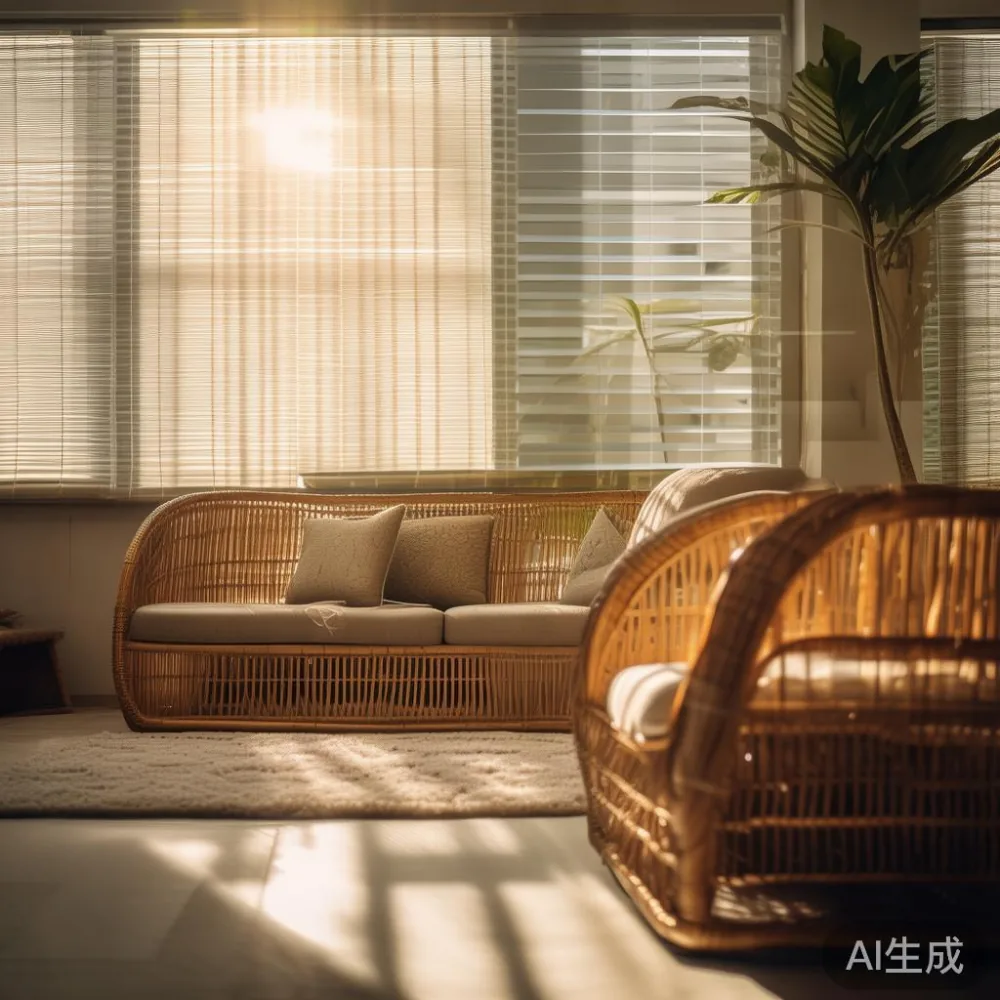
This is a question many of our customers in Singapore ask. While rattan wicker is technically a material category rather than a wood species, its application in solid wood furniture frames significantly impacts the price. A high-quality rattan wicker sofa from a brand like MIDHILL furniture involves a meticulous, labour-intensive process. The frame is almost always made from a durable hardwood like teak or mahogany to withstand the tension of the weaving. The rattan or wicker strands are then hand-woven or, in higher-end pieces, machine-woven with precision. This weaving process, which can take 40-60 hours for a single large sofa, adds substantial labour costs to the price tag. In contrast, a fabric sofa involves a wooden frame covered with foam and upholstery fabric—a process that is generally faster and less specialised. The natural, breathable quality and timeless aesthetic of rattan wicker justify the premium for many homeowners, especially those creating a light, airy vibe in a condo with large windows.
Design, Craftsmanship, and Labour: The Human Element
The price of furniture is not just in the materials but in the hands that shape it. Mass-produced furniture, often found in large retail chains, is typically made using automated machinery. Cuts are made quickly, joints are glued and stapled, and the assembly line moves at a rapid pace. This efficiency keeps costs down but often results in furniture that lacks character and long-term structural integrity. In contrast, artisanal or high-end furniture brands employ skilled carpenters and craftsmen. Each piece may involve hand-cut dovetail joints for drawers, hand-sanded surfaces for a perfectly smooth finish, and hand-applied stains or oils. The level of detail is immense. For instance, a solid wood nightstand with intricate marquetry inlays will cost far more than a simple, flat-fronted one. Last month, I visited a workshop in Foshan where our colleague demonstrated the hand-filing of a joint on a French light luxury marble table top. The precision and care he took were evident, and it was clear that this level of craftsmanship cannot be rushed or replicated by a machine. This human element is a significant part of the price, reflecting time, skill, and a commitment to quality that mass production simply cannot match.
Complexity and Customisation: Bespoke vs. Off-the-Shelf
How complicated is the design of the furniture? A simple, rectangular dining table will always be less expensive than one with a pedestal base, intricate carved legs, or a butterfly-leaf extension mechanism. The more complex the design, the more time-consuming it is to produce. Customisation is another major factor. A homeowner in Punggol might need a wardrobe that fits a specific niche in their bedroom or a solid wood sofa that is a precise 220 cm wide to fit their living room layout perfectly. Bespoke furniture requires custom measurements, custom cutting of wood, and often, custom hardware. This level of personalisation dramatically increases the cost compared to buying a standard-size piece from a showroom. For those asking, how to choose light luxury wardrobe, understanding whether a standard or custom piece is needed is a key first step in budgeting. Similarly, when looking for for sale Italian light luxury furniture, the price often reflects the bespoke nature and complex designs characteristic of that style.
Finishing and Hardware: The Details That Define Quality
The finishing process is where furniture truly comes to life and where another layer of cost is added. A high-quality finish is not just about colour; it's about protection. A piece of furniture might go through multiple steps: a sand-seal coat, a stain, a filler, another sanding, and finally, several coats of a durable lacquer or oil-based finish. Each coat must be applied and cured properly, adding days to the production time. A poor finish can lead to discolouration from sunlight, water rings, and general wear and tear, devaluing the piece. Hardware is another detail that separates a good piece from a great one. The drawer slides on a solid wood wardrobe, for example, can be basic plastic or heavy-duty, self-closing metal ball-bearing slides. The latter provide a smooth, quiet operation and are a sign of a higher-quality, more expensive product. These small details add up, contributing to the price and the long-term satisfaction of the owner.
Brand, Warranty, and Peace of Mind
While we've established that price is driven by tangible factors, the brand's reputation and the services it provides also play a role. A well-established brand like MIDHILL, with a history since 2008, has invested in quality control, sustainable sourcing, and skilled labour. This consistency is reflected in the price. However, the more significant value-add from a reputable brand is the warranty and after-sales service. A 10-year structural warranty is a powerful statement of confidence in the product's durability. It tells the customer that if a joint fails or a leg breaks under normal use, the company will stand behind its product. This peace of mind is invaluable. For a family in Singapore, knowing their new dining table is covered for a decade against structural defects justifies a higher initial cost. Also, services like free shipping over SGD 350 and a 14-day return policy reduce the risk for the buyer. When you consider the logistics of delivering a heavy marble table to a 20th-floor condo in Tampines, the value of a reliable, free shipping service becomes very clear. It’s about the entire ownership experience, not just the physical object.
Is European Light Luxury Wardrobe Worth It for a Singapore Home?
This question gets to the heart of the value proposition. A European light luxury wardrobe might cost SGD 5,000 or more, while a functional, no-frills wardrobe might be under SGD 1,500. The difference lies in the sum of all the factors discussed: premium wood species (like European walnut or oak), complex design features (like handleless push-to-open mechanisms), superior craftsmanship (hand-fitted interiors), and a flawless finish. For a homeowner who values aesthetics, durability, and a sense of occasion in their bedroom, the answer is often yes. The wardrobe becomes a statement piece, a piece of art that also serves a function. It’s an investment in the home's ambiance. The same logic applies to how to style Japandi wardrobe in bedroom; the value comes from finding a piece that balances the clean lines of the style with high-quality materials and construction. When you look at under 2000 Post-modern furniture, you are typically looking at pieces that prioritise function over the premium materials and complex detailing of a luxury item. The worth is determined by the individual's priorities for their space.
In the end, the price of solid wood furniture is a composite of material quality, labour, design complexity, and the value of the service and warranty that comes with it. It’s an investment in longevity, beauty, and a connection to craftsmanship. For the discerning homeowner in Singapore, understanding these drivers allows for a more informed decision, ensuring that the furniture they choose is not just a purchase, but a lasting addition to their home.