Southeast Asia’s Humidity Impact on Solid Wood Rattan Wicker
Humidity is rarely dramatic in Singapore. It does not need a burst of rain or a leaking roof to affect a solid wood sofa, bed frame, dining table, wardrobe or nightstand. Warm, moisture-laden air can quietly change timber dimensions, encourage mould around joints, and make finishes lose their clarity. In HDB flats and condos across Tampines, Bedok and Punggol, the issue is less about tropical storms than about the daily cycle between cool air-conditioning and warm outdoor air.
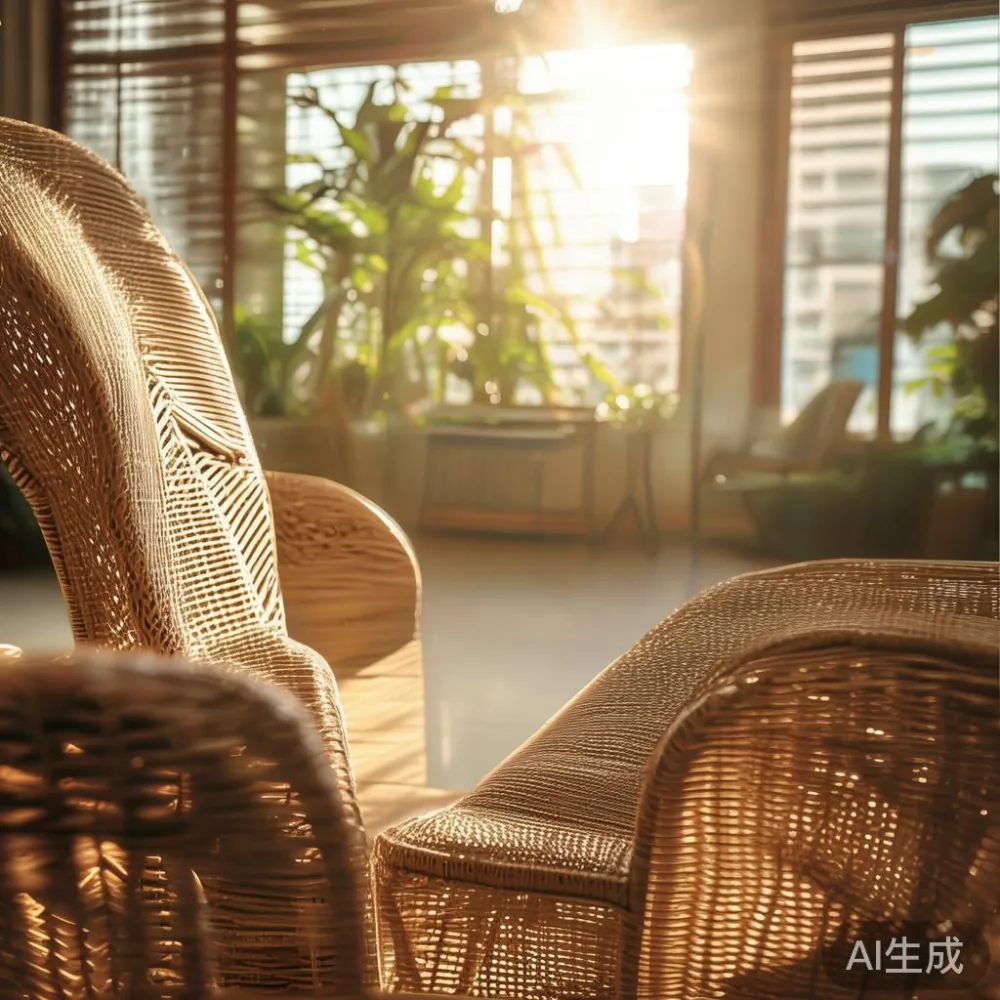
MIDHILL designs its solid wood furniture for real homes and real humidity cycles. The aim is not to claim that wood never moves. Properly dried timber, stable joinery and sensible care allow natural movement without turning a living room into a display of swollen doors or split panels.
How much does humidity affect solid wood furniture in Singapore?
Wood responds to relative humidity because it absorbs and releases water vapour. Its movement is small but measurable: a 180 cm-wide solid timber panel can change by roughly 1–3 mm as relative humidity moves from about 40% to 80%. That amount may sound minor, but repeating the movement at a hinge, drawer runner or table edge can loosen joints, make catches feel tight and leave a visible gap beside a cabinet wall.
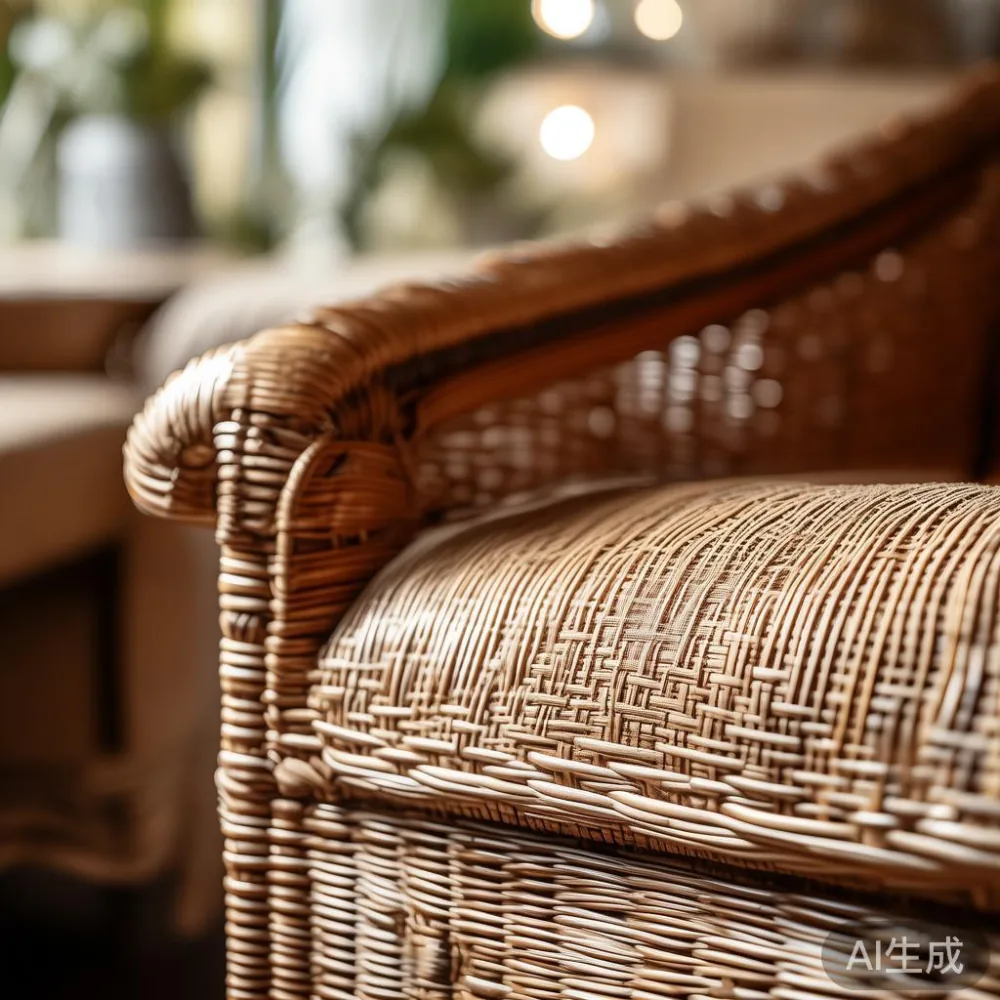
Singapore’s annual humidity commonly ranges from about 65% to 90%, with higher readings during wet periods and lower readings in dry interiors. The number in your weather app is only part of the picture. A unit facing the afternoon sun may have a noticeably different microclimate from a corridor-facing bedroom. Air-conditioning often pulls indoor relative humidity down to 40%–60%, while a balcony or near an open window can rise rapidly after a shower.
That alternation matters. A solid wood dining table near a kitchen or balcony may expand during humid hours and contract when the air conditioner starts. A bed frame against a cold exterior wall may experience condensation risk if its finish or underside is not handled correctly. Rattan wicker has its own response: the frames are light and visually airy, but their woven strands can become less stable if they are repeatedly damp, tightly closed or exposed to direct rain.
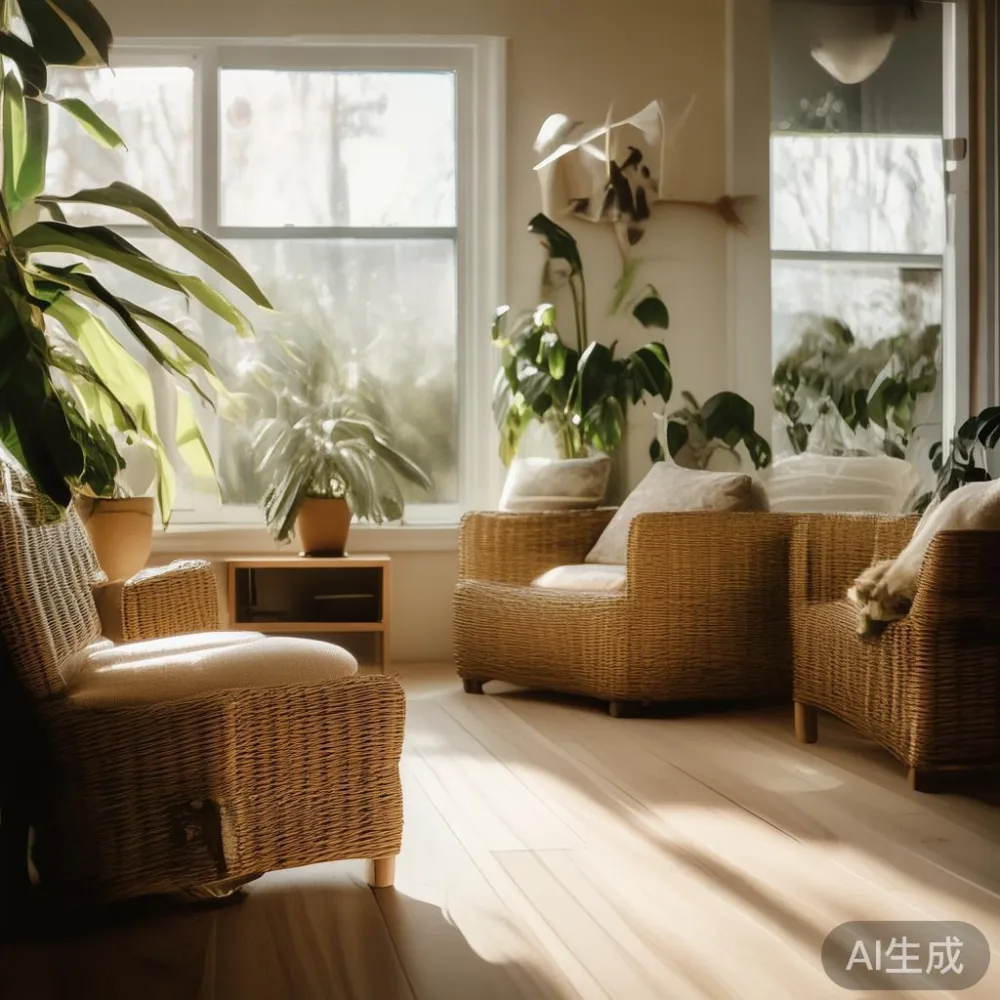
Concrete care reduces the risk. Keep relative humidity around 40%–65% where practical, place furniture at least 30 cm from an exterior wall, and avoid direct contact with air-conditioning outlets. Use a hygrometer, which costs about SGD 12–35, and record readings near the furniture rather than relying only on a phone weather forecast.
What actually moves in a solid wood bed frame or dining table?
Solid wood is not engineered to remain dimensionally frozen like glass or metal. The movement depends on species, grain direction, panel width and the quality of drying. A well-seasoned board finished on all sides is more stable than a narrow solid wood component with exposed end grain. Veneered panels can also move, but they generally do so with less visible variation than thick solid timber.
For a 200 cm solid wood bed frame, allow about 2–4 mm of seasonal movement across wide components. A 160 cm dining table may shift by roughly 1–3 mm, while drawer fronts can show gaps of less than 1 mm to 3 mm. Movement across the grain is generally greater than movement along it. Consequently, MIDHILL joinery accommodates natural timber behaviour instead of forcing every component into an inflexible shape.
Oak, ash and other commonly used hardwoods remain attractive in humid conditions when moisture is managed. Teak performs well for occasional damp settings because of its naturally oily character, although no indoor table should be left wet. Pine and softer woods can dent or mark more readily, so they need protective coasters and careful cleaning.
Finish choice also has a practical effect. A matte hardwax oil brings out grain and allows timber to age gracefully, but cleaning requirements matter in a humid home. A tougher lacquer may resist spills better but can show scratches. Either finish should be applied to all relevant faces, with attention to end grain and underside edges. Re-finishing is part of ownership for solid wood furniture, and MIDHILL supports lifetime refinishing so wear does not automatically mean replacement.
Why do wardrobe doors and drawers behave differently across HDB flats?
In an HDB flat, a freestanding wardrobe can experience several humidity zones in the same day. Bedok units near the coast may face salt-laden moisture, while Punggol homes can receive strong western sun in the late afternoon. Tampines towers may have warmer corridors and less direct airflow than a landed property. Lift dimensions and corridor widths also influence delivery planning: a rigid wardrobe may fit through a 90 cm lift doorway but fail at a turning point, while knock-down construction offers more flexibility.
Large panels react more than small ones. A 220 cm wardrobe door may bow by 1–2 mm under changing moisture, which can make an adjustable hinge work harder than necessary. A nightstand drawer may tighten if its timber swells across the grain. Good casework uses joinery that permits slight movement, machine-aligned hardware and gaps of roughly 2–3 mm where timber needs clearance.
Wall fixing matters too. In a high-rise, fixings must suit the wall construction and the vibration of traffic through corridors. Avoid hanging a heavy wardrobe solely from thin decorative panels. The 10-year structural warranty from MIDHILL reflects the frame and construction, but correct placement and anchoring remain part of safe use.
For a compact guest room, homeowners often compare an American sofa vs Mid-century modern sofa. A solid wood frame gives both styles a stable base, while the cushion and upholstery choice determines comfort. If your search includes the best Nordic sofa for 2026, pale timber, restrained proportions and washable covers are useful features in Singapore. The same room may also suit Japandi for guest room styling: simple lines, warm oak tones, a slim solid wood bed frame and a rattan wicker chair used as a light accent rather than an oversized mass of woven material.
Can rattan wicker furniture develop mould in a humid Singapore bedroom?
Rattan wicker can work well in Southeast Asia, but it is not moisture-proof. The material is attractive because it is lighter than most timber: a typical rattan side chair may weigh 5–8 kg, compared with 12–18 kg for a comparable solid wood chair. It also creates visual openness, which helps a compact HDB living room feel less crowded. Yet the woven strands and their supporting frame can trap humidity, especially in an enclosed wardrobe or an air-conditioned bedroom with poor ventilation.
Watch for persistent dampness, a musty smell, darkened strands or mould forming around the seat edge. Surface moisture that dries within 24 hours is less concerning than a chair that stays damp for several days. Keep woven furniture at least 60 cm from an open shower, away from dripping air-conditioning pipes and out of direct wet-weather exposure. Wipe it with a barely damp cloth and dry it promptly; do not soak the rattan wicker or apply chemical cleaners directly to the weave.
Vacuum with a soft brush attachment at about 1,000–1,500 suction power. Remove cushions if possible so air can move around the frame. Avoid placing a rattan wicker cabinet against a damp bathroom wall or below a leaking window. If the room stays above 70% relative humidity, a small dehumidifier can help. A unit holding about 20–30 litres of water per day generally suits one bedroom and can cost SGD 180–350, depending on controls and energy rating.
Rattan wicker and solid wood can complement each other when they are spaced apart. A woven lamp beside a solid wood dining table adds texture without creating a moisture trap, provided the lamp base is stable and the woven material is not repeatedly handled with wet hands.
How should solid wood furniture be cleaned during humid weather?
During humid months, cleaning should remove residue without adding unnecessary moisture. Dust with a soft cloth, vacuum the underside where possible and wipe spills promptly. For lacquered or oiled timber, use a pH-neutral cleaner diluted as directed; apply it to the cloth rather than the furniture and test an unseen 5 cm × 5 cm area first. Avoid bleach, ammonia, abrasive pads and standing water.
Place felt or cork pads beneath coasters and furniture legs. Use trivets for hot pots: direct heat can dry the surface unevenly and accelerate finish wear. Coasters should be at least 10 cm across for a typical table setting. Wipe condensation from a marble table promptly because water can etch dull areas over time, especially if the marble is acidic. Marble tables also need stable support and should not be treated as permanent dining surfaces for oily or acidic foods.
Check moving parts every 6–12 months. Tighten a loose dining-table bolt gradually, but do not remove every fastener and retighten them at maximum force. Wood needs even pressure. Oil moving hinges twice a year unless the manufacturer specifies another product. For drawer runners, use the manufacturer’s lubricant and avoid spraying general-purpose oil onto timber.
Solid wood sofa frames, bed frames and wardrobes should be inspected for dark spotting after rain or air-conditioning shutdown. A moisture meter priced around SGD 25–80 can identify damp zones, though it supplements rather than replaces careful observation. If a panel remains wet beyond 24 hours, improve airflow and contact the supplier before applying more finish.
Does air-conditioning make indoor humidity too low for furniture?
Yes, an overly dry environment can cause another set of problems. Wood may shrink, joints can open slightly and leather or upholstered surfaces may become less supple. A room maintained around 45%–55% relative humidity is a practical target. Avoid setting the air conditioner to an unnecessarily cold 18°C for an empty room; 24°C–26°C with a moderate fan setting often provides comfort with less drying.
Do not aim air directly at a solid wood sofa or wardrobe. Position vents to spread air across the room rather than striking one panel. If humidity falls below 40% for long periods, reduce continuous air conditioning and let the room return to a moderate range. Plants help only slightly; one potted plant does not control the moisture of an entire flat.
Lighting and colour also influence how timber feels. French light luxury usually pairs pale upholstery, curved profiles and occasional carved detail. Post-modern light luxury offers another route through clean geometry, restrained materials and contrasting textures. A French provincial TV console may use warm timber and decorative proportions, but it should stand clear of exterior walls so that seasonal movement is not concentrated at the back edge. A marble table introduces a cool, polished contrast beside rattan wicker and solid wood without needing to fill the room with heavy pieces.
For smaller bedrooms, Modern light luxury for guest room planning can use a compact solid wood bed frame, one upholstered chair, a slim nightstand and a concealed storage wall. One reflective surface and 2–3 warm lamps create enough visual depth. The aim is balance, not clutter, especially where the main door, wardrobe and lift route already narrow the usable floor area.
What delivery details matter for solid wood furniture in a high-rise?
Measure before ordering, not on delivery day. Record the lift door width, internal lift depth, corridor turns, stair width and the narrowest part of your HDB or condo entrance. Common lift openings may be around 80–90 cm, but internal dimensions can be smaller, and a mirrored corridor at a landing may require the furniture to be turned on end. For a wardrobe with large panels, knock-down or modular delivery is often more practical than carrying a rigid carcass through several turns.
Also check the route from the van to the flat. A 12 m corridor with 2 tight corners creates a different challenge from a 30 m straight lobby. Lift reservation, parking and loading-zone access can add 1–3 days to the schedule, while a pre-delivery measurement can prevent a failed delivery attempt.
MIDHILL provides free shipping for orders above US$350, equivalent to about SGD 470 at a rough conversion of US$1 to SGD 1.34. Delivery timelines depend on stock and destination; allow around 7–14 delivery days for many Singapore orders and up to 21–30 days for made-to-order or remote-project pieces. A 14-day return period gives customers time to assess scale and condition, while the 10-year structural warranty covers long-term construction concerns and lifetime refinishing supports renewed surface care.
These figures should be confirmed before purchase because freight, taxes and production schedules can change. Singapore’s 9% GST is applied where required, and the final invoice should show the total clearly. Measurements, delivery access and assembly should all be agreed before a large wardrobe, dining table or bed frame is dispatched.
Can humidity be managed without ruining the character of natural wood?
Yes. Stable indoor conditions, sensible placement and regular care preserve the grain, joinery and finish. Solid wood furniture does not need to be sealed in a climate-controlled display room, nor should it be treated as if one rainstorm will destroy it. The more useful approach is to understand which parts change, keep moisture away from vulnerable surfaces and inspect the pieces where movement is most likely.
For a bedroom, place a bed frame 5–10 cm away from an exterior wall where space permits, use a nightstand with a stable footprint and keep rattan wicker off damp floors. For a dining area, maintain clearance around windows and air-conditioning vents. For a living room, leave enough space between a solid wood sofa and the wall for air movement, while protecting the fabric from accidental dampness.
Choose products according to their actual use. A solid wood sofa offers a durable frame and tactile warmth; a solid wood dining table can last for decades with careful treatment; a bed frame benefits from stable fixings; a wardrobe needs correctly aligned movement; and a nightstand should be easy to wipe and maintain. Rattan wicker brings lightness to the same environment, provided it receives basic moisture discipline. Marble tables and French-inspired detailing can complete a light-luxury room, but stable humidity remains more valuable than any decorative trend.
The practical standard is simple: aim for about 40%–65% relative humidity, dry accidental moisture promptly, provide airflow around furniture and follow the product-specific care instructions. With those habits, Southeast Asian humidity becomes a manageable environmental factor rather than a reason to avoid solid wood furniture.